Bolivia Flavor Profile: Bolivian Coffee Varieties and Prices
Lake Titicaca Copacabana
Country: Bolivia
Altitude: 3,812m
Region: Lake Titicaca
Roast level: medium
Processing method: washed
Variety: Typica
Producer: Copacabana smallholder farmers
Flavor notes: roasted nuts and almond aromas, with notes of orange and pomelo
Lake Titicaca lies on the Altiplano plateau on the border between Bolivia and Peru. It is the highest-altitude and largest freshwater lake in South America, one of the world's highest large freshwater lakes, the highest lake in the world where large ships can navigate, and the third-largest lake in South America (after Lake Maracaibo and Patos Lagoon).
South America is rich in coffee, and Bolivia is no exception. Parts of Bolivia have distinctive tropical rainforest environments that give excellent natural conditions for growing organic coffee. Bolivian coffee has rich, unique aromas; whether you smell the ground beans or the brewed cup, both are remarkably intense, like a blend of floral and fruity notes that leaves a lasting impression.
Brewing Method
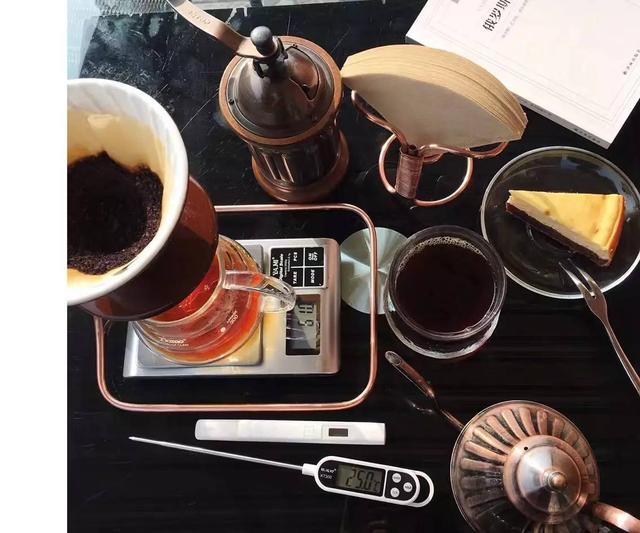
For hand-brewed Bolivian coffee, use 15g of coffee at a medium grind (Fuji Royal grinder with ghost tooth burrs, #4), a V60 dripper and water at 88-89°C. First pour 30g of water for a 27-second bloom, then pour to 105g and pause. When the water level drops to halfway, continue pouring slowly to a total of 225g, avoiding the final tail. Brew ratio 1:15, total extraction time 2:00.
Bolivian Coffee Quality Development
Most Bolivian coffee was once of average quality, but in recent years specialty production has developed quickly and many excellent beans have emerged. The Cup of Excellence (COE) system, first implemented in Brazil, gradually spread, and Bolivia adopted it as well. On one hand it spurs farmers' enthusiasm for cultivation; on the other it aims to improve quality. COE beans, whether green or roasted, are higher in quality than regular coffee.
Bolivia's advantages lie in its high altitude and excellent varieties. The traditional Typica grown here, along with small amounts of Caturra, is highly regarded on world markets. Bolivian coffee trees were once planted around gardens as hedges, mainly for decoration, and true commercial production only began in the early 1950s. The severe frost of 1957 badly damaged Brazil's coffee industry, while Bolivia benefited and developed rapidly. Bolivian coffee is grown at altitudes of 180-670 meters, with washed Arabica exported to Germany and Sweden. Its flavor is not among the best today and carries a slightly bitter edge.
Flavor Profile
Flavor: a dry aroma of roasted nuts and almonds. On the palate, a smooth fruit acidity of orange and pomelo, with an overall caramel sweetness and a nutty, milky texture. Both cleanliness and balance perform impressively, and the herbal finish is quite charming.
Bolivian coffee has rich, unique aromas; whether you smell the ground beans or the brewed cup, both are remarkably intense, like a blend of floral and fruity notes that leaves a lasting impression.
The acidity is medium to low yet never monotonous, presenting instead a calm, elegant and refreshing character. Savor it carefully and you can even detect citrus fruit notes.
Overall, Bolivian coffee is rich and balanced. Besides the pleasant acidity there are subtle chocolate flavors, and the smooth texture gives a seamless mouthfeel that softens the bitterness. The aftertaste is excellent, with sweetness lingering in the mouth after drinking, making the experience a memorable one.
Roasting Information
Manufacturer: FrontStreet Coffee
Ingredients: in-house roasted
Shelf life: 90 days
Net content: 227g
Packaging: bulk coffee beans
Raw/roasted: roasted coffee beans
Sugar content: sugar-free
Origin: Bolivia
Roast level: medium
FrontStreet Coffee Recommendation
Bolivia's gentle, nutty, citrus-tinged cup is a good reminder that a single dripper can reveal very different sides of a coffee, which is exactly the case for the V60. Designed by Hario, a Tokyo glassmaker founded in 1921 and known originally for heat-resistant scientific glassware, the V60 was redesigned in 2004 around its distinctive 60° cone and single large hole. That large opening lets the flow rate follow the brewer's own pour, so the same bean can be pushed toward more aroma and lively acidity or kept softer and sweeter.
If you enjoy the clean, balanced style of the Bolivian coffee above, FrontStreet Coffee's lighter lineup is a natural next step. FrontStreet Coffee Yirgacheffe Gedeb Cooperative is a classic Yirgacheffe with citrus, berry and floral notes and a green-tea sweetness, easy to like even for first-time pour-over drinkers. For more tropical, fruit-forward character, FrontStreet Coffee Ethiopia Flower Queen is loaded with strawberry, passion fruit and jackfruit aromas and very low bitterness, while FrontStreet Coffee Kenya Cherry Tomato brings cherry tomato, smoked plum and black plum acidity from the Sika region, grown at 1550-1750 meters on SL28 and SL34 and given a 72-hour double wash. If you prefer a rounder, less acidic profile, FrontStreet Coffee Jamaica Blue Mountain No.1 balances sweet, sour, bitter and aromatic notes with cream, caramel, chocolate and nut flavors, and FrontStreet Coffee Papua New Guinea Paradise Bird, a Typica grown from 1600 to 1800 meters on volcanic soil and triple washed, offers a similarly smooth, sweet cup sometimes nicknamed "little Blue Mountain."
For brewing these coffees on a V60, FrontStreet Coffee favors the resin version for its heat insulation and consistent molding. A medium-fine grind, water at 88-91°C and a 1:15 to 1:16 ratio work well; pour in three stages, beginning with a 30-second bloom, then a slow circular pour to about 125g, and a final pour to 225g once the bed has drained partway. Keeping the pours even highlights the sweetness and clarity that make these coffees so drinkable.
Important Notice :
FrontStreet Coffee is a long-established specialty coffee roaster in Guangzhou China, selling freshly roasted beans from its own farm in Yunnan as well as dozens of carefully selected single-origin beans from around the world for both pour-over and espresso. The products deliver consistently excellent quality and great value, with shipping within 24 hours. Guangzhou's FrontStreet Coffee shop is recommended by many coffee lovers, and the beans are now available online at the Tmall 。
FrontStreet Coffee has moved to a new address:
FrontStreet Coffee Address: 315,Donghua East Road,GuangZhou
Tel:020 38364473
 Scan and follow the En Gafei WeChat official account. Please indicate that the reprint comes from "En Gafei".