Sidamo Coffee Characteristics - Queen 6.0 Coffee Bean Flavor, Taste Profile and Name Origin Latest News
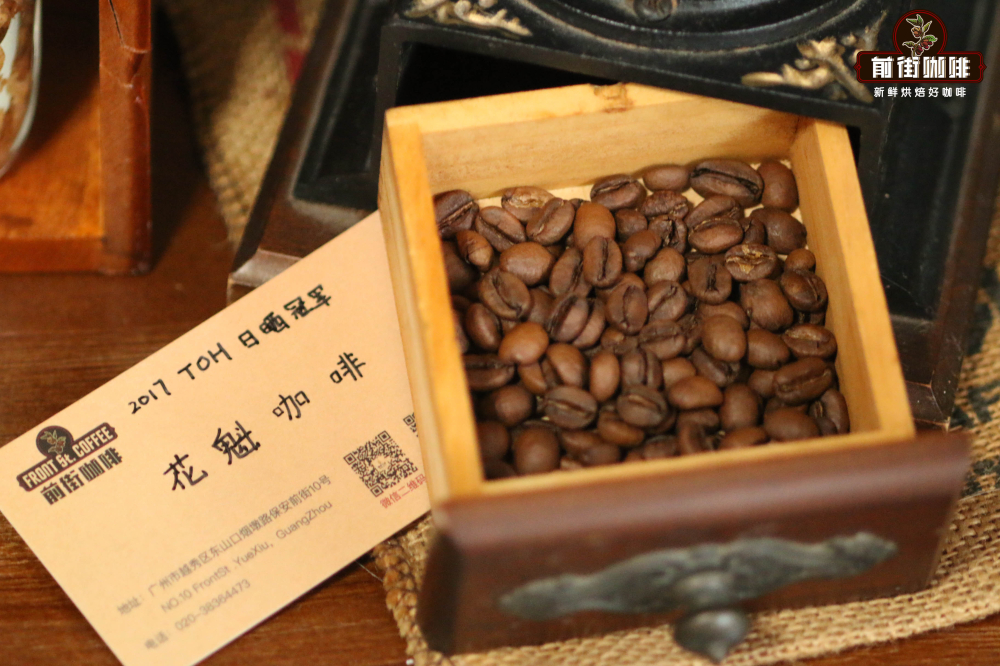
When it comes to Sidamo, we must mention a coffee bean called "Hanao." Since its debut in 2017, Hanao has been deeply loved. With its distinct bright strawberry-and-cream flavor, "Hanao" swept through every cafe. But such fame invites comparison: whenever a new crop arrives, drinkers hold it up against previous versions. The series has now been "updated" to its eighth version—"Hanao 8.0"—yet many friends, and FrontStreet Coffee as well, have heard the feedback that "this year's Hanao doesn't taste like Hanao anymore." Why does this happen?
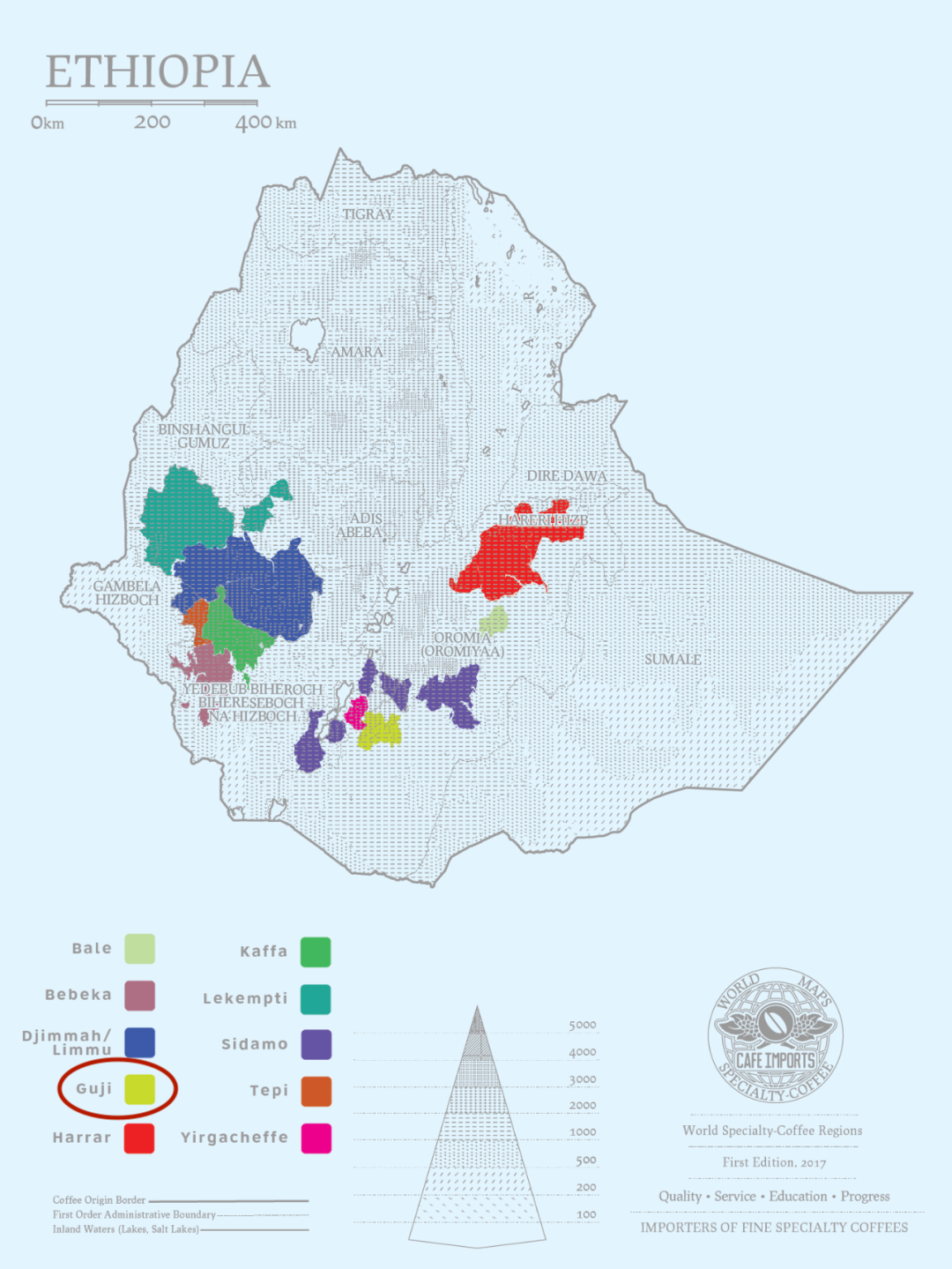
Guji Region
The Guji region, formerly part of Sidamo, was established as an independent region by the Ethiopia Commodity Exchange (ECX) in 2010. It lies southeast of Yirgacheffe, with complex terrain of towering mountains, valleys, and plains. The geology is fertile black soil (Vertisol) reaching nearly two meters deep, at an average altitude above 1,800 meters. The significant day-night temperature differences created by this geography provide every terroir condition needed for high-quality specialty coffee.

Guji Sub-region—Hambella
Hambella faces Yirgacheffe's Kochere across the mountains to the west, while its southeast and north sides border other Guji sub-regions: Shakiso, Uraga, and Kercha. There are currently about 20 processing stations of various scales in the Hambella region.
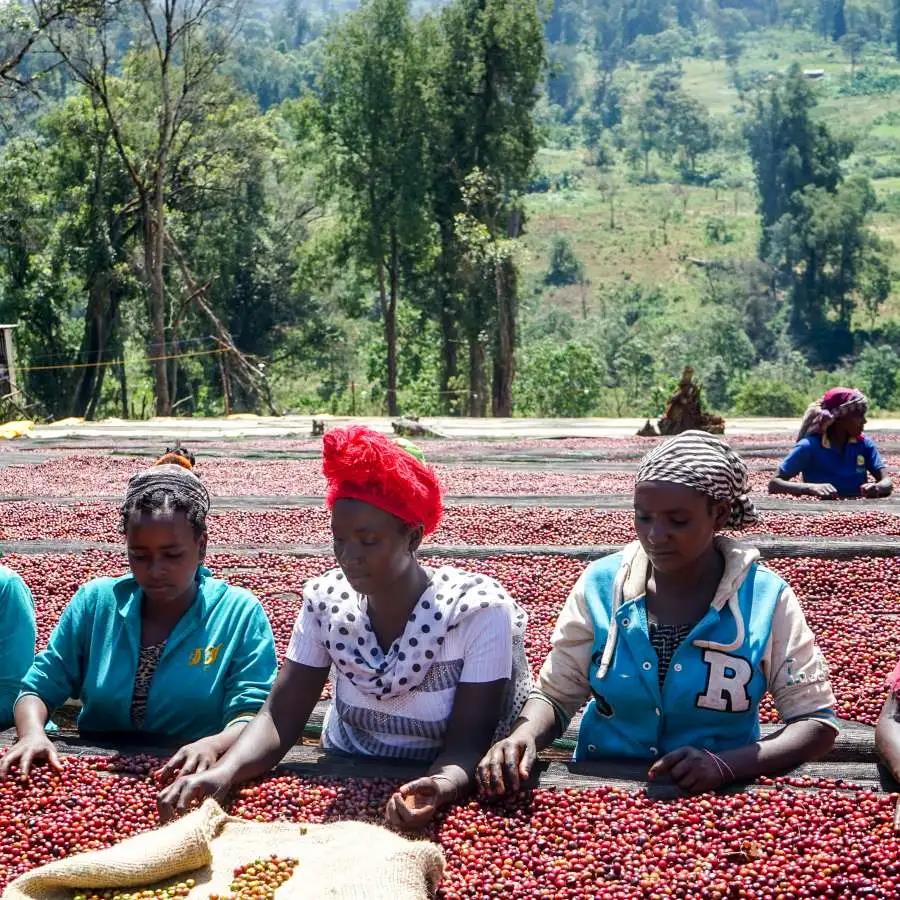
In the Hambella mountains, villagers live deep in the hills at 2,000 meters without roads or electricity; the government-supported tap at the village entrance is the only drinking water source for the entire village. Although villagers share their thatched houses with livestock, the air here is free and happy. Children ride small donkeys to fetch water from the village entrance, cheering excitedly and shyly trading corn and avocados for candies from the outside world. On the drying beds, the farmers turning red coffee cherries work barefoot, singing cheerful songs with touching smiles. The Hanao beans everyone loves are selected by these humble villagers, bean by bean, before making their way into our cups.
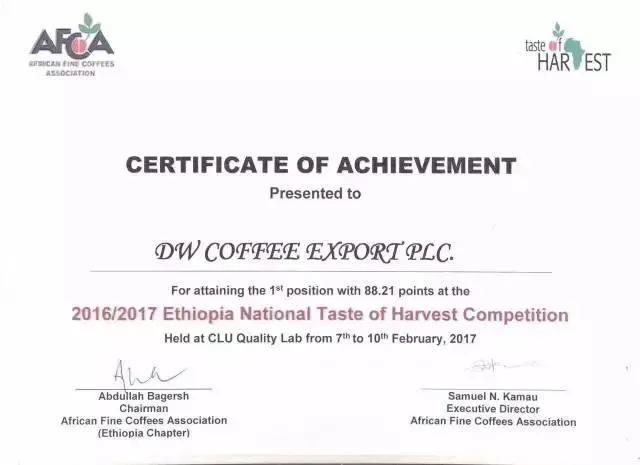
In 2017, a natural processed coffee from DW company's "Buku Abel" station won the TOH championship, and a Chinese green importer named it "Hanao." At the time, the coffee carried rich strawberry and cream aromas. DW subsequently expanded to four processing stations in Hambella's core Dimtu area—"Buku Abel," "Buku Saysay," "Haro Soresa," and "Tirtiro Goye"—with an annual coffee output of about 1,100 tons.
Strictly speaking, of all these estates and stations, only the natural processed coffee from "Buku Abel" is called "Hanao coffee beans"—which is why Hanao 2.0, Hanao 3.0, and Hanao 3.1 appeared in 2018 and 2019.
Where Does the Name "Hanao" Come From?
If you observe carefully, you'll notice the Chinese and English names of this bean don't correspond: in Chinese it is "Huakui," while the English name is "Hambella." In 2017, Ethiopia's DW green coffee company entered its beans in the TOH (Taste of Harvest) competition organized by the African Fine Coffee Association, and a natural processed batch from the "Buku Abel" station won the Ethiopia TOH championship with its rich strawberry-and-cream aroma. That year, the batch was imported by a Beijing green trader and, on the strength of its championship, christened "Hanao."
That same year, Beijing's Li Jianfei took runner-up in the 2017 World Brewers Cup China round brewing this Hanao, pushing its popularity even further. Because Geisha-dominated the competition that year, most competitors chose Geisha coffees; this Hanao from Ethiopia's native varieties defeated many of them to take second place (though the result did not rest on Hanao alone, its excellent quality was certainly one factor). It is no surprise, then, that people began to believe Hanao could rival Geisha.
Hanao Coffee Bean Natural Processing
During the annual harvest and processing season (December-January), cherries must reach a sugar content above 30 (Brix) before natural processing begins. For the first two days, the cherries' moisture must be maintained to let their fruit sugars ferment fully. Meanwhile, the high altitude lets nighttime temperatures at the station drop to around 12°C, preventing over-fermentation; at midday, the beds are shaded to keep the sun from scorching the cherries, and at night thick plastic sheets cover them against sudden rain.
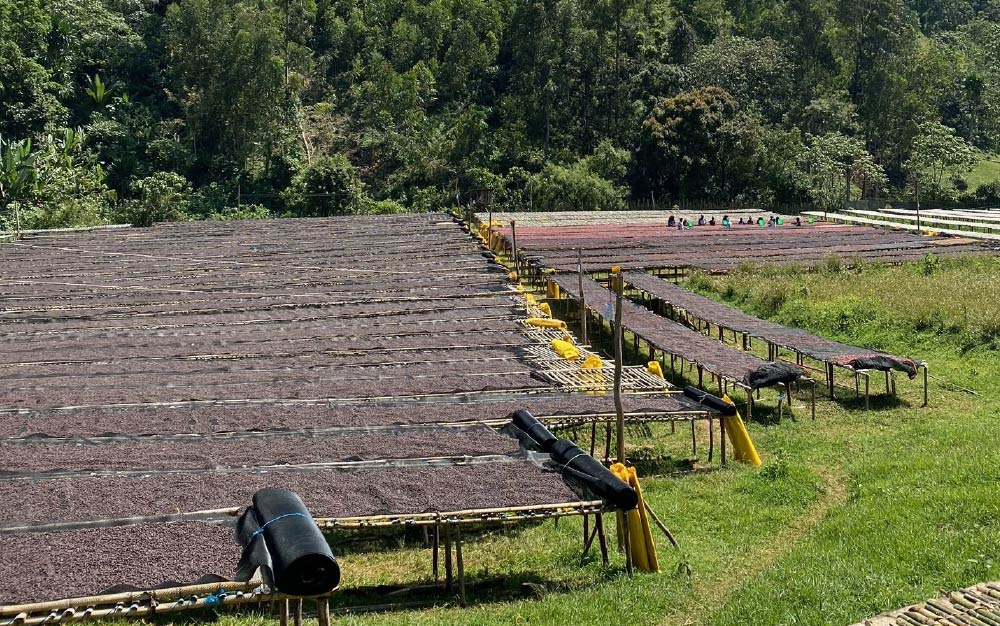
This lets the cherries ferment and dehydrate at relatively low temperatures. After 18 days of natural processing, once the beans' moisture falls to about 13%, drying stops. They are packed in jute bags and rested in warehouses at 12-22°C and 45-55% humidity for about 50 days of resting and further drying. Once green bean moisture reaches about 11%, the coffee is transported for hulling, screening, and sale.
FrontStreet Coffee's Historical Hanao Collection
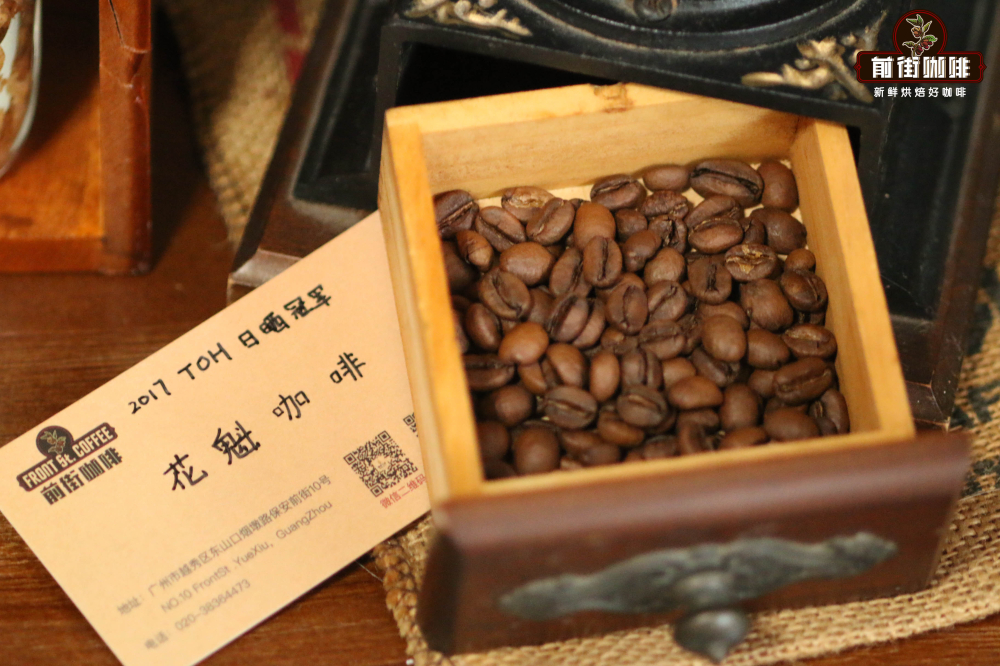
FrontStreet Coffee — Ethiopia Hanao G1 Coffee Beans
Region: Guji Hambella
Processing Station: Buku Abel
Altitude: 2250-2350 meters
Variety: Local Landraces
Grade: G1
Processing: Natural
Flavor: Strawberry, Passion Fruit, Berries, Pineapple, Cream, Nuts
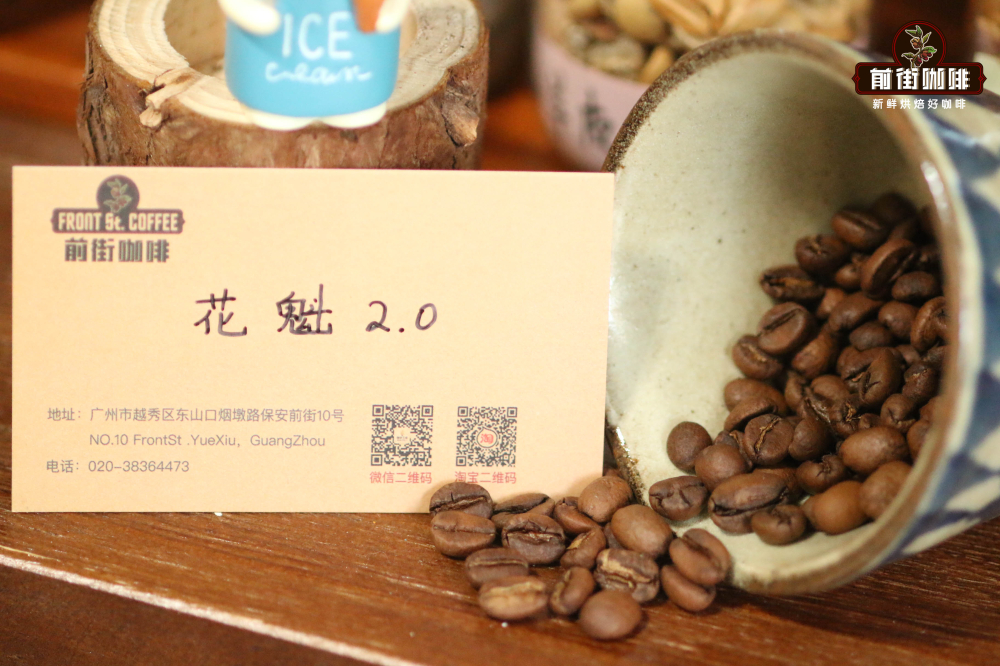
FrontStreet Coffee — Ethiopia Hanao 2.0 Coffee Beans
Region: Guji Hambella
Processing Station: Goro Processing Station
Altitude: 2316 meters
Variety: Local Landraces
Grade: G1
Processing: Natural
Flavor: Floral, Tropical Fruits, Red Wine, Nuts
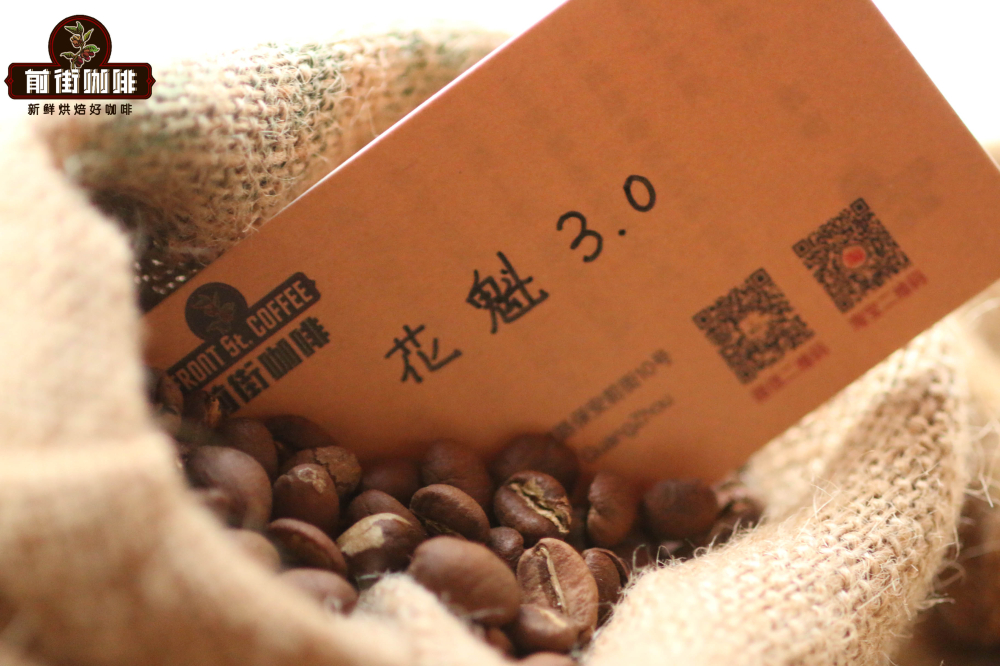
FrontStreet Coffee — Ethiopia Hanao 3.0 Coffee Beans
Region: Guji Hambella
Processing Station: Goro Processing Station
Altitude: 2300 meters
Variety: Local Landraces
Grade: G1
Processing: Natural
Flavor: Floral, Berries, Mango, Pineapple, Apricot
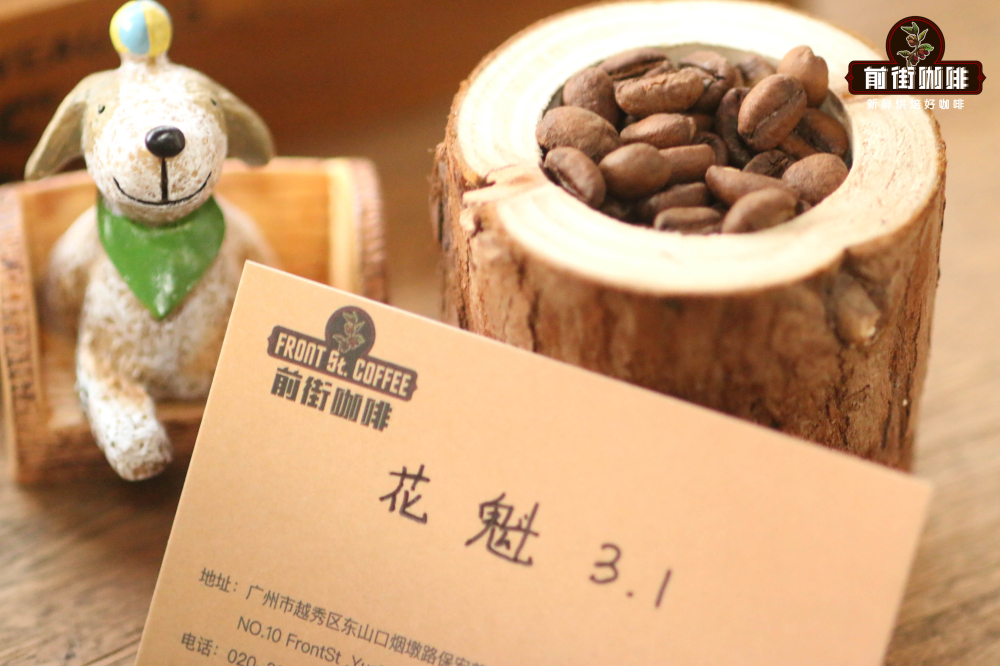
FrontStreet Coffee — Ethiopia Hanao 3.1 Coffee Beans
Region: Guji Hambella
Processing Station: Mansa Mountain Pond Processing Station
Altitude: 2125 meters
Variety: MANSA Landraces
Grade: G1
Processing: Natural
Flavor: Tropical Fruits, Citrus, Caramel, Cream
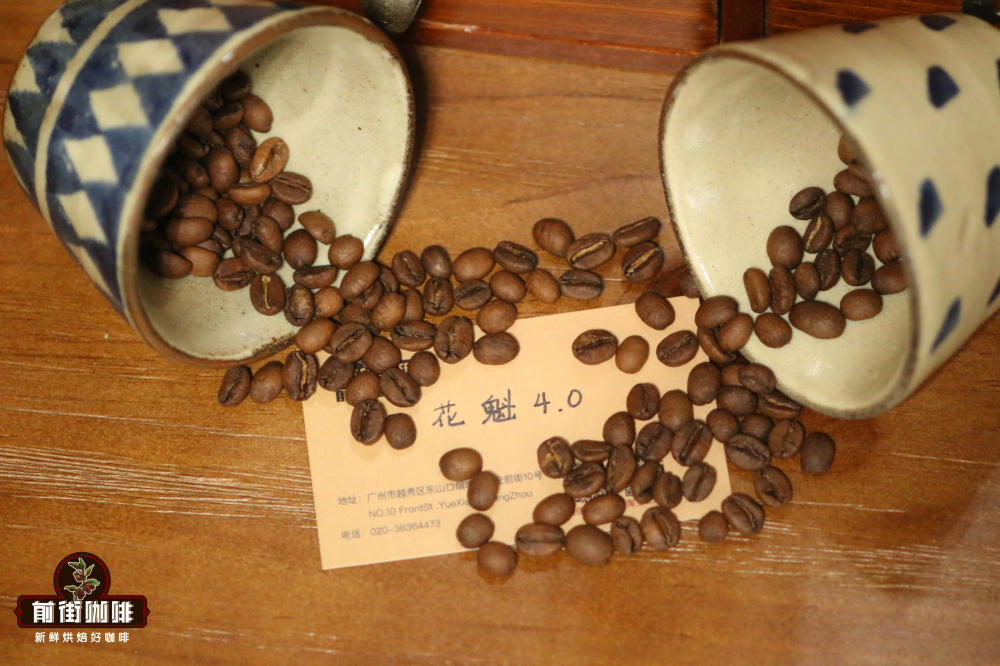
FrontStreet Coffee — Ethiopia Hanao 4.0 Coffee Beans
Region: Guji Hambella
Processing Station: Buku Abel
Altitude: 2350 meters
Variety: Dega
Processing: Natural
Batch: 2020 New Batch
Flavor: Rose, Creamy Strawberry, Citrus, Passion Fruit, Oolong Tea
FrontStreet Coffee's Hanao 4.0 has smaller beans than Hanao 3.0 because the varieties differ: Hanao 3.0 uses Ethiopian native landrace beans, while Hanao 4.0 uses the Dega variety.
What is the Dega Variety?
Ethiopia hosted its first Cup of Excellence (CoE) this year, and the detailed variety classifications among the top 28 finalists surprised everyone. For the 21st-ranked Dega, there are two very different accounts of the name's origin. One says Dega comes from a kind of fire-starting wood, whose burning scent resembles Dega's aroma during roasting.

The other explains that "dega" is the Ethiopian-language root word for "highland and shady places," and Dega trees often grow at high altitudes. Unfortunately, since Dega did not reach the top 14 in the COE competition, no flavor descriptions were collected. Still, the Hanao 4.0 obtained by FrontStreet Coffee is indeed made from Dega-variety beans.
FrontStreet Coffee's Roasting Records for 5 Hanao Coffee Beans
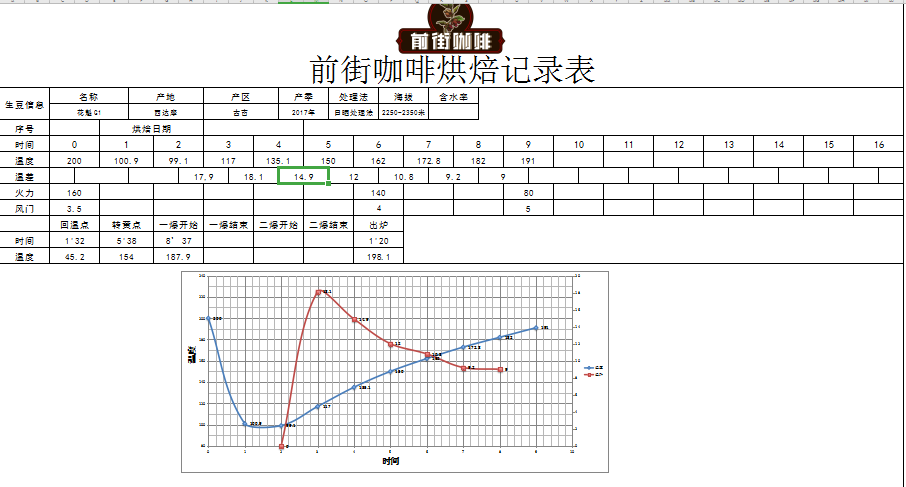
FrontStreet Coffee Hanao G1 Roasting Curve: Yangjia 800N, 480 g batch. Charge at 160°C, damper at 3.5, heat at 160, turning point at 1'32". At 5'38", when the temperature reads 154°C, the bean surface yellows, the grassy aroma disappears completely, and dehydration is done. When the temperature reaches 162°C, reduce heat to 140 and damper to 4. When the bean surface shows wrinkles and black spots and the toast aroma clearly turns to coffee aroma, that is the prelude to first crack—listen carefully for it. First crack begins at 8'37"; open the damper fully, reduce heat to 80 at 191°C, damper to 5. First crack development time 1'20", drop at 198.1°C.
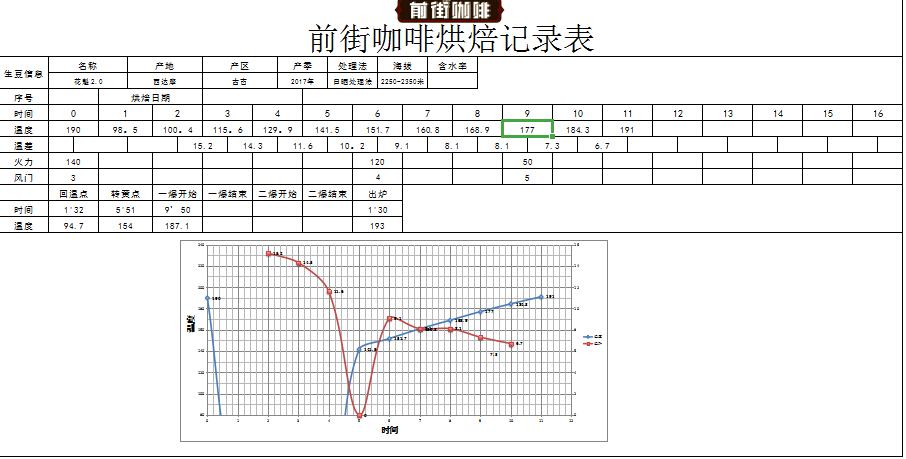
FrontStreet Coffee Hanao 2.0 Roasting Curve: Yangjia 800N, 480 g batch. Charge at 190°C, damper at 3, heat at 140, turning point at 1'32". At 5'51", when the temperature reads 154°C, the bean surface yellows, the grassy aroma disappears, and dehydration is done. When the temperature reaches 152°C, reduce heat to 120, damper to 4. When wrinkles and black spots appear and the toast aroma turns to coffee aroma, first crack is near. First crack begins at 9'50"; open the damper fully, reduce heat to 50 at 177°C, damper to 5. First crack development time 1'30", drop at 193°C.
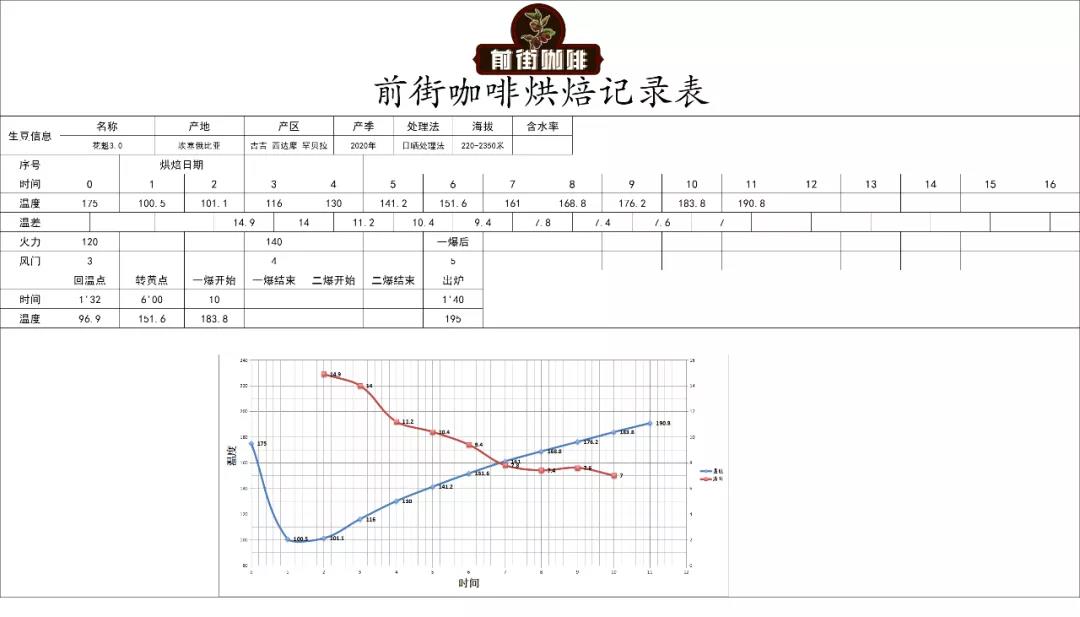
FrontStreet Coffee Hanao 3.0 Roasting Curve: Yangjia 800N, 480 g batch. Charge at 175°C, damper at 3, heat at 120, turning point at 1'32". At 6'00", when the temperature reads 152°C, the bean surface yellows, the grassy aroma disappears, and dehydration is done. When the temperature reaches 116°C, increase heat to 140, damper to 4. When wrinkles and black spots appear and the toast aroma turns to coffee aroma, first crack is near. First crack begins at 10'00"; open the damper fully. First crack development time 1'40", drop at 195°C.
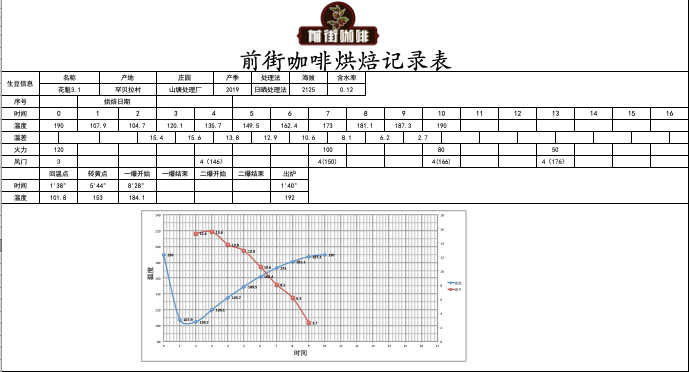
FrontStreet Coffee Hanao 3.1 Roasting Curve: Yangjia 800N, 480 g batch. Charge at 190°C, damper at 3, heat at 120, turning point at 1'38". At 5'44", when the temperature reads 153°C, the bean surface yellows, the grassy aroma disappears, and dehydration is done. When the temperature reaches 136°C, increase heat to 146, damper to 4. When wrinkles and black spots appear and the toast aroma turns to coffee aroma, first crack is near. First crack begins at 8'28"; open the damper fully, reduce heat to 50 at 173°C, damper unchanged. First crack development time 1'40", drop at 192°C.
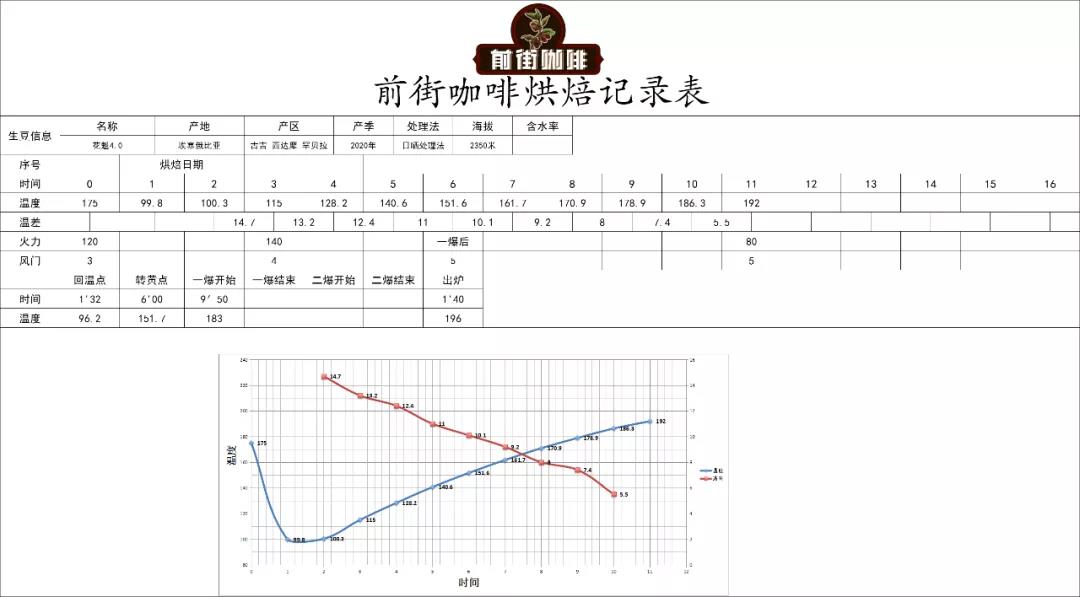
FrontStreet Coffee Hanao 4.0 Roasting Curve: Yangjia 800N, 480 g batch. Charge at 175°C, damper at 3, heat at 120; increase to 140°C, damper to 4. At 6'00", temperature 151.7°C, bean surface yellows, grassy aroma disappears, dehydration done. When wrinkles and black spots appear and the toast aroma turns to coffee aroma, first crack is near. First crack begins at 9'50"; open the damper fully, reduce heat to 80 at 188°C. First crack development time 1'40", drop at 196°C.
FrontStreet Coffee Brewing Parameters & Technique
FrontStreet Coffee uses a higher water temperature and finer grind to fully extract Hanao's rich, layered flavors, but to avoid over-extraction at high temperatures we choose a fast-flow dripper like the V60. Its 60-degree cone concentrates the grounds toward the center, and during pouring the water converges on the dripper's center, ensuring sufficient contact between water and grounds. The spiral ribs inside extend clockwise from bottom to top, creating space between the filter paper and the wall so water flows freely, and the large single hole at the bottom makes the flow faster than most drippers.
Dripper: V60 #01
Water Temperature: 90-91°C
Dose: 15g
Coffee-to-Water Ratio: 1:15
Grind Size: EK43s setting 10 / fine granulated sugar (80% pass-through on a #20 sieve)
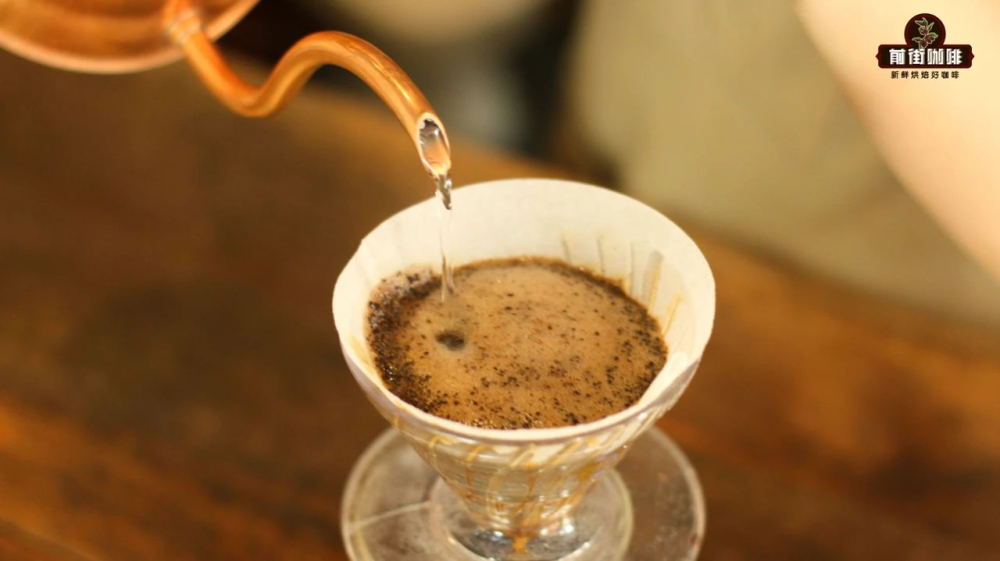
FrontStreet Coffee brewing technique: first pour 30 g of water for a 30-second bloom, then pour 95 g (scale shows about 125 g), finishing in about 1 minute. When the water level drops to 2/3 of the coffee bed, pour the remaining 100 g (scale shows about 225 g), finishing around 1'40"-1'45". Drawdown completes between 2'00"-2'10"; remove the dripper and the extraction is complete.
Brewing Flavor Descriptions
[Hanao G1] Smooth, passion fruit, fermented wine aroma, jackfruit, strawberry.
[Hanao 2.0] Overall clean mouthfeel, more prominent berry aroma with nutty fragrance, richer flavor profile.
[Hanao 3.0] Light strawberry jam, black tea sensation, sweet aftertaste with a short finish.
[Hanao 3.1] Floral, cream, tropical fruits, caramel, persistent sweet aftertaste.
[Hanao 4.0] Citrus acidity, full-bodied berry juice, lemon black tea sensation, persistent sweetness.
From these brewing notes, FrontStreet Coffee believes it is not just Hanao—most coffees change flavor year to year. Coffee is a plant, an agricultural crop: climate, soil, fertilization, annual rainfall, and more all affect production and quality to some degree, and processing techniques and attention to detail shape the final cup just as much. So Hanao's flavor naturally varies slightly with every harvest.

Picking and selection make each annual batch different, too. Look closely and you'll find the 2017 Hanao beans varied in size (a trait of Ethiopian coffee—partly because grading is based on defects, partly because of the many native varieties). The next year's Hanao 2.0 became more uniform, and Hanao 4.0's beans are smaller than Hanao 3.0's. Even the appearance tells a story. This year, the changes go further: you can now find washed Hanao and black-honey Hanao, making the name more diverse than ever.
FrontStreet Coffee Recommendation
If you love Hanao's strawberry-cream vibrancy, FrontStreet Coffee's natural Red Cherry from the same Yirgacheffe region is an easy next step. It is made only from fully ripe cherries, dried whole on raised beds and turned every 2-3 hours during the first days to prevent uneven fermentation, then dried for three to five weeks. Because the beans dry inside the fruit, they keep the classic Yirgacheffe character while gaining tropical fruit: citrus acidity, berry-juice juiciness, honeyed sweetness, and cream-smooth texture.
For a cleaner, brighter counterpoint, our washed Guodingding Cooperative lot—processed in the most traditional way by an experienced team from the Worka area at the southeastern edge of Yirgacheffe—has none of the natural's fermentation funk: just fresh citrus and lemon acidity wrapped in jasmine fragrance, with green tea and honey tones after a medium-light roast. And our washed Yirgacheffe house coffee—white jasmine, bright citrus and lemon, tea-like body at an accessible price—remains the first bean we recommend to anyone beginning their Ethiopian journey.
To brew any of them, FrontStreet suggests a V60 at 90-91°C, 15 g of coffee at a 1:15 ratio, and a fine granulated-sugar grind (EK43s at setting 10, 80% pass-through on a #20 sieve), with a 30 g bloom and two further pours to about 225 g for a bright, layered, unmistakably Ethiopian cup.
Important Notice :
FrontStreet Coffee is a long-established specialty coffee roaster in Guangzhou China, selling freshly roasted beans from its own farm in Yunnan as well as dozens of carefully selected single-origin beans from around the world for both pour-over and espresso. The products deliver consistently excellent quality and great value, with shipping within 24 hours. Guangzhou's FrontStreet Coffee shop is recommended by many coffee lovers, and the beans are now available online at the Tmall 。
FrontStreet Coffee has moved to a new address:
FrontStreet Coffee Address: 315,Donghua East Road,GuangZhou
Tel:020 38364473
 Scan and follow the En Gafei WeChat official account. Please indicate that the reprint comes from "En Gafei".