The Story Behind Sidamo Flower Queen Coffee Name and Introduction to Hambella Natural Process Coffee Varieties
Huakui (Flower Queen) coffee beans have been wildly popular in China's coffee community for six consecutive years since 2017. Yet many newcomers still haven't discovered these exceptional beans, so here is FrontStreet Coffee's introduction to them.
Origin of Huakui Coffee Beans
Authentic Huakui coffee beans come from the Hambela sub-region of Guji in Sidamo, Ethiopia.
Sidamo Coffee Region
Sidamo lies in southern Ethiopia. Administratively it was originally part of the Oromia Regional State but later became an independent administrative unit at the same level as Oromia to meet the planning needs of the coffee region. Agriculture dominates the local economy, with coffee cultivation centered around the Great Rift Valley.
Sidamo's coffee flavors are extraordinarily diverse. Different soil types, microclimates, and countless native varieties give each town's coffee its own distinct character.
FrontStreet Coffee notes that as a large producing region, Sidamo keeps getting more refined, with more sub-regions becoming independent. The most famous growing areas are Guji and West Arsi. Most Sidamo coffee is natural processed, which gives the beans rich fruit aromas and smooth textures.

Guji Region
Guji was formerly part of Sidamo but was designated an independent coffee region by the Ethiopia Commodity Exchange (ECX) in 2010. Located southeast of Yirgacheffe, Guji has complex topography-towering mountains, valleys, and plains. Its geology is nutrient-rich black soil (Vertisol) nearly two meters deep, and the average altitude exceeds 1800 meters. The significant day-night temperature differences created by this geography provide every terroir condition needed for top specialty coffee. When you ask what made Guji famous, FrontStreet Coffee must mention the Huakui beans.
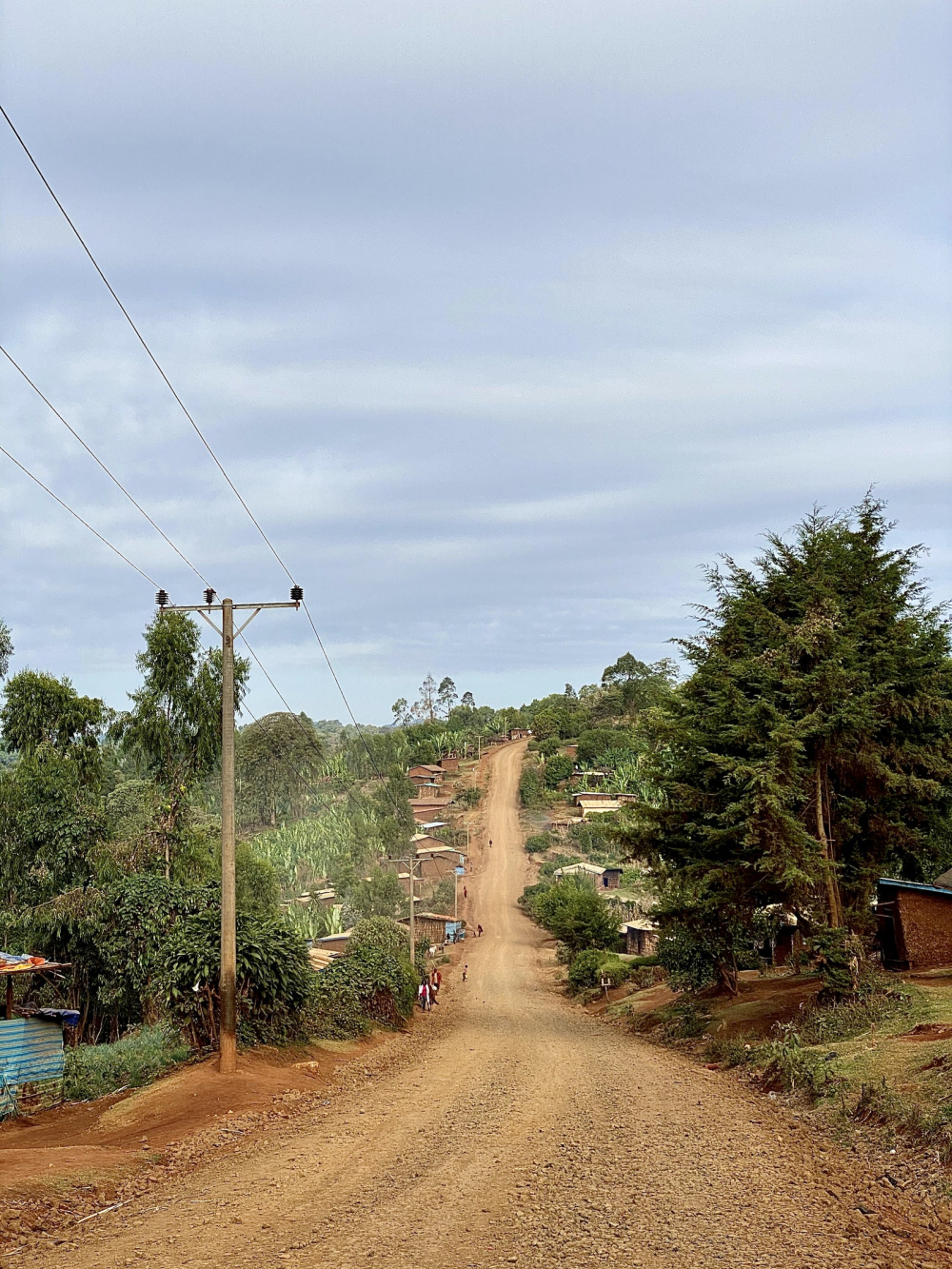
Huakui comes from Hambela, a sub-region under Guji's jurisdiction. Hambela's western side faces Yirgacheffe's Kochere across mountains, with the two separated by highlands reaching 3200 meters in altitude and about 30 kilometers in width. To the southeast, east, and north it borders Guji's Shakiso, Uraga, and Kercha sub-regions respectively, making it the highest-altitude coffee sub-region in Ethiopia.
Origin of the Name "Huakui"
In 2017, Ethiopia's DW company submitted their coffee to the Taste of Harvest (TOH) green coffee competition organized by the African Fine Coffee Association. A natural processed lot from the "Buku Abel" washing station in Hambela won the TOH Ethiopia championship with its intense strawberry and cream aromas.
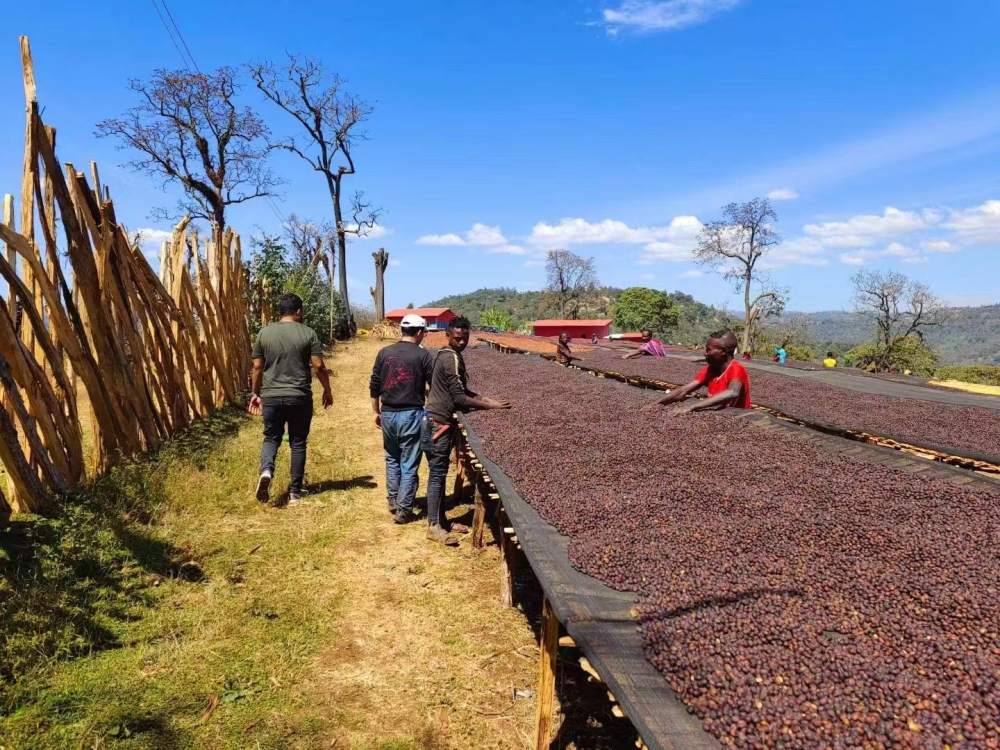
That year, the lot was imported to China by Beijing green coffee trader Hongshun, and in the same year Li Jianfei used these beans to take second place in the 2017 China World Brewers Cup Championship.
This Ethiopian lot outshone even the many Geisha entries in the competition, so it was nicknamed "Huakui"-the term for the leading geisha, a nod to how it outclassed the Geishas and a signal of the beans' exceptional quality.
Strictly speaking, FrontStreet Coffee believes only the specific lot that won the 2017 TOH championship can truly be called Huakui coffee.
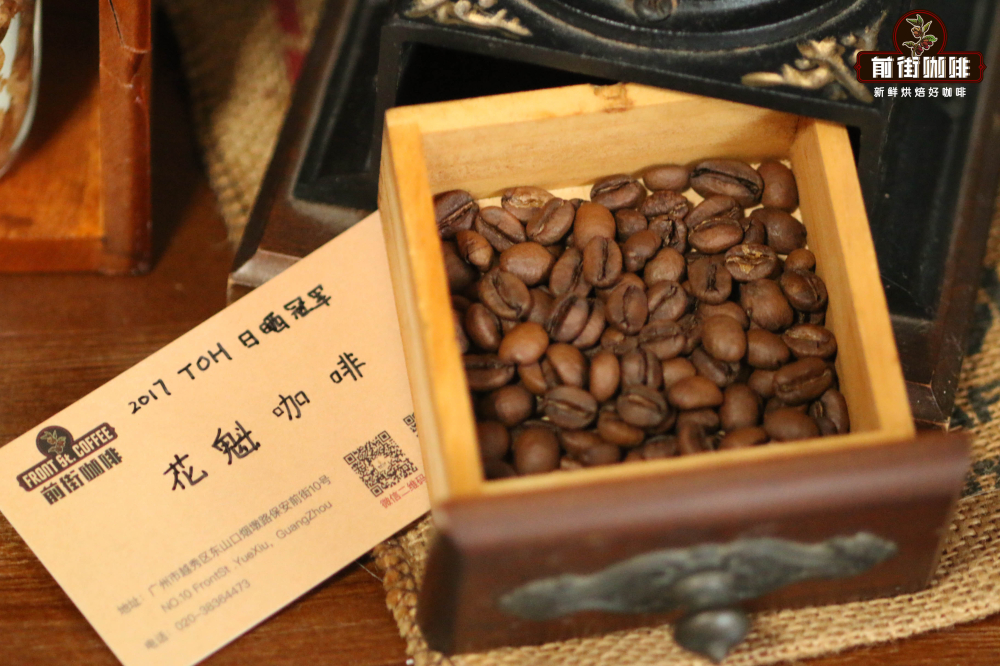
Of course, on a looser definition, authentic Huakui beans would be those from the "Buku Abel" washing station in Hambela that Hongshun continues to import. But Huakui became famous for its unique strawberry flavor, and in subsequent harvests that flavor grew less and less pronounced-an issue the importer Hongshun recognized too.
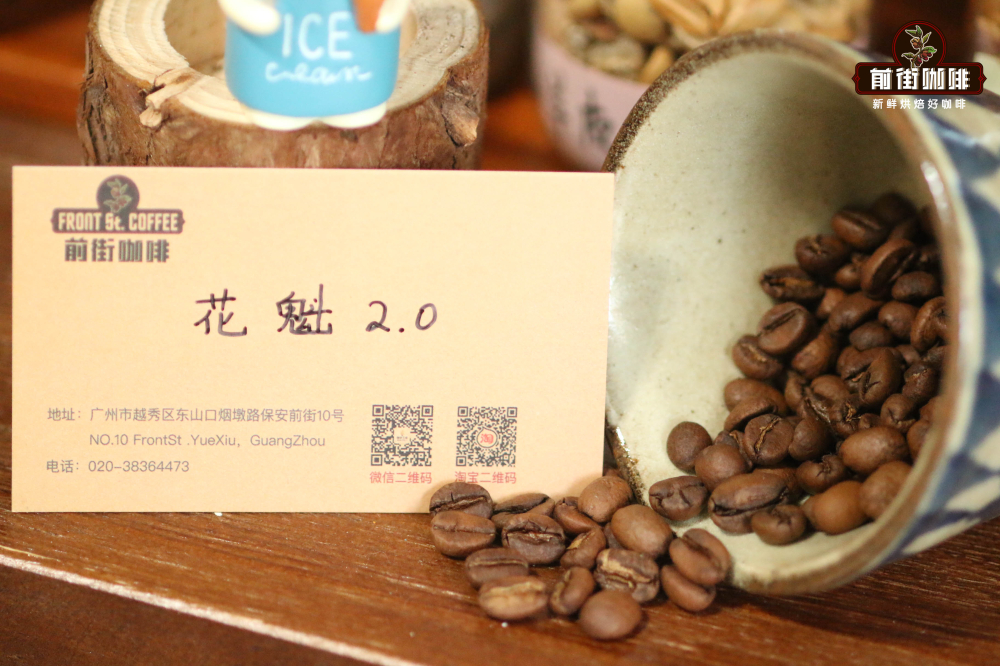
So they began adding "X.0" suffixes by year: the 2018 harvest was called Huakui 2.0, the 2019 harvest Huakui 3.0, and so on.
On the supply side, domestic demand for Huakui grew so high that a single Buku washing station could no longer handle the volume, so DW expanded to four washing stations and significantly increased procurement. By Huakui 5.0, the flavor profile had already shifted from strawberry toward citrus fruits.
2022 was a year of volatile weather and numerous disasters. Panama's coffee production dropped significantly, and Huakui 6.0 from 2022 also suffered poor bean quality. When FrontStreet Coffee received Hongshun's Huakui 6.0, the appearance was much worse than the previous year's, with many shell and flat beans that severely hurt the visual appeal.
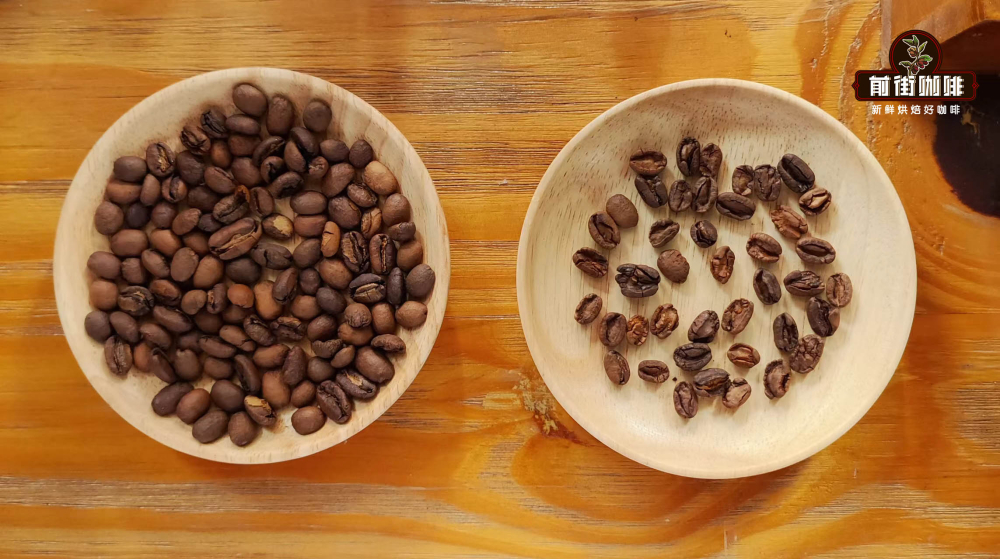
Because of that high defect rate, FrontStreet Coffee sourced another new-season Huakui through the Hambela Buku washing station-the same station that processed the 2017 lot. This coffee was also grown in Hambela and processed at Buku, with full, well-formed beans closely matching earlier years' Huakui in appearance.

FrontStreet Coffee cupped it and found orange blossom, citrus, honey, and grapefruit, with an intense juiciness very similar to Huakui 5.0's profile.
FrontStreet Coffee Roasting Analysis
First we review the flavor descriptions from the green bean supplier and test the moisture content.
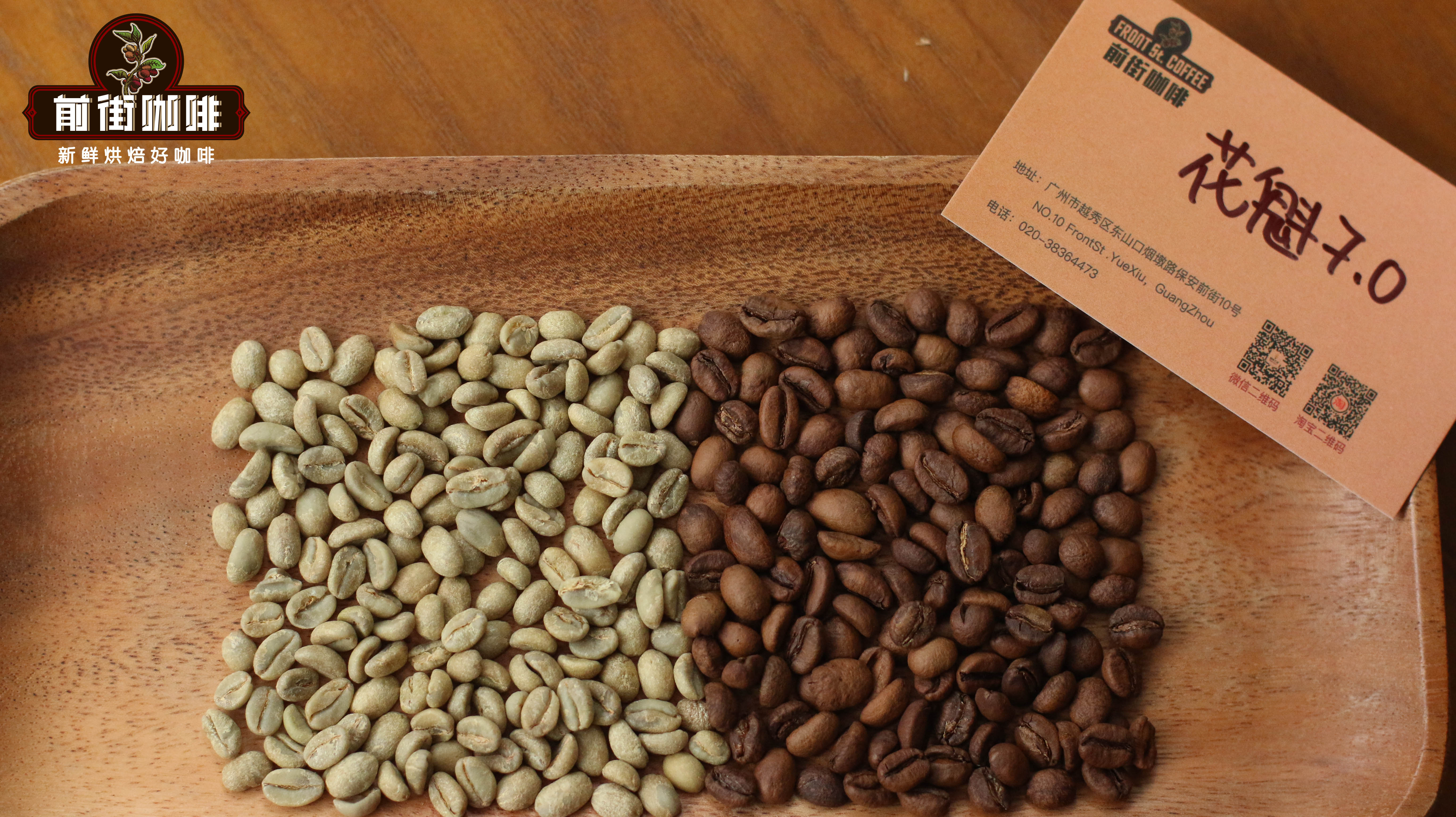
Freshly received Huakui green beans carry a fermented, wine-like aroma of coffee flowers-completely different from the grassy smell typical of green beans.
The beans vary in size with many pointed ends, and the measured moisture content sits in the ideal range (around 11%).
Because the beans are dense and hard, FrontStreet Coffee plans to extend the dehydration phase early in the roast and drive temperature up quickly before first crack to build energy; once first crack begins, we minimize the loss of volatile aromatics like florals.
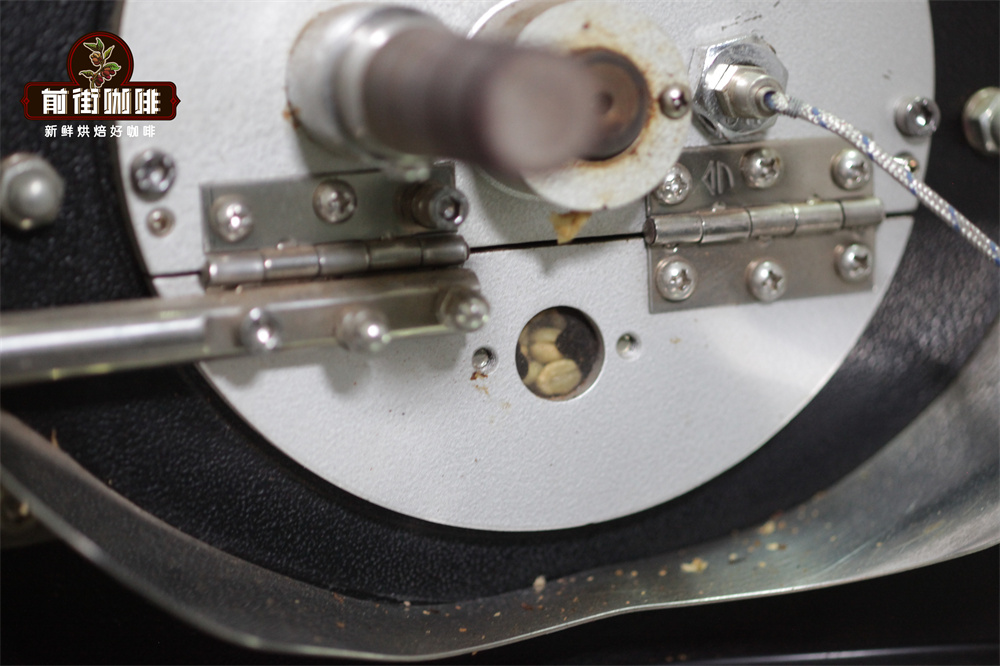
FrontStreet Coffee Roasting Profile - Taiwan Yangjia 800N
To highlight the sweet fruit aroma of Huakui beans, FrontStreet Coffee roasts light.
Batch size: 350g, charge at 190°C; dehydration completes in nearly 6 minutes (yellow point around 150-153°C); first crack at 9 minutes 55 seconds (Huakui's first crack comes later than typical beans, and the crack is faint); development time should stay under 1 minute 30 seconds but not less than 1 minute (use high heat then reduce flame to control the pace), discharging at approximately 193°C. Total time is best kept within 11 minutes.
FrontStreet Coffee Pour-Over Recommendations
V60 Pour-Over Brewing
- Coffee dose: 15g
- Dripper: V60 #01
- Water temperature: 90-91°C
- Water-to-coffee ratio: 1:15
- Grind size: Fine pour-over grind (80% pass-through on the China #20 standard sieve)
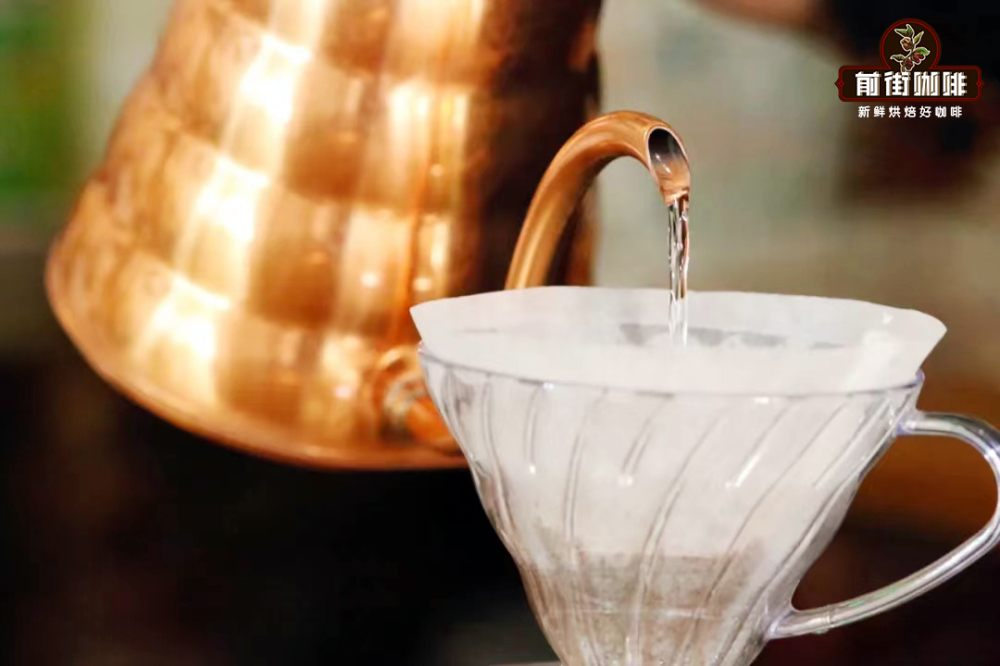
This time we used FrontStreet Coffee's three-stage pour-over method.
First preheat the dripper and server, then add 15g of coffee.
First stage: Pour 30g of water and bloom for 30 seconds (extended blooming is not recommended-it can pull out bitterness).
Second stage: Pour 120g of water in concentric circles from center outward (finishing around the 1-minute mark).
Third stage: Pour once the coffee bed is nearly visible, using the same pouring method to add 90g of water. When all the water has drained into the server, remove the dripper to finish extraction. Total brew time: 2 minutes 5 seconds.
Flavor Description
Citrus acidity, full-bodied berry juice, a lemon-tea-like mouthfeel, and persistent sweetness.
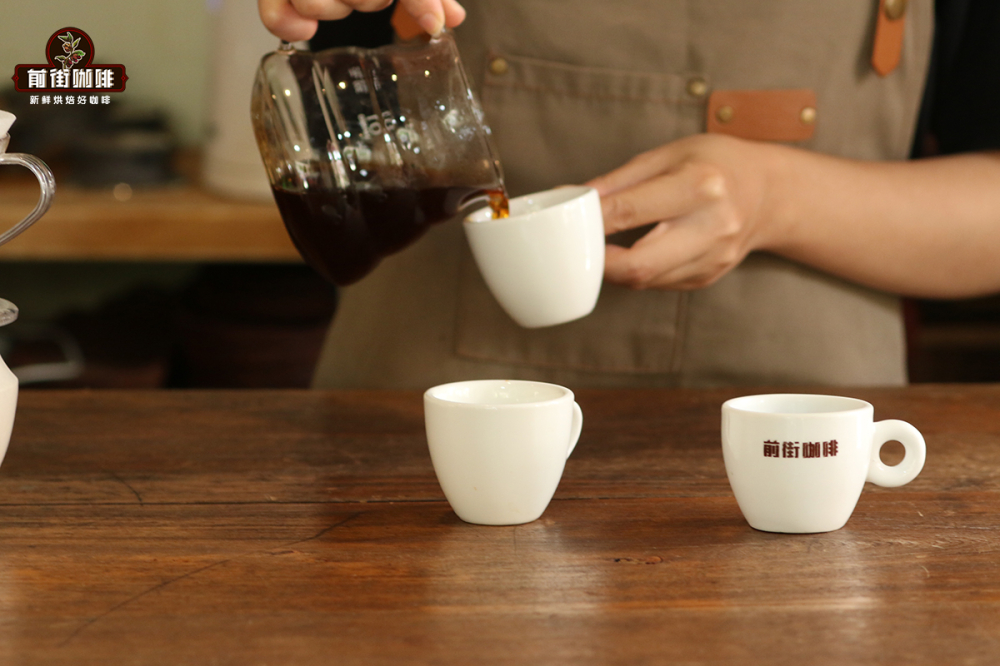
FrontStreet Coffee Recommendation
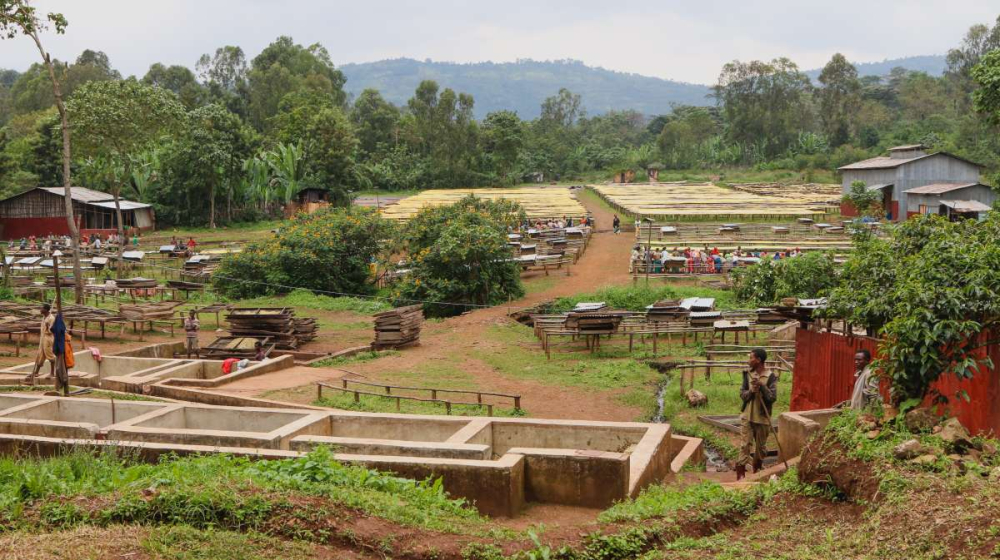
Among natural-processed Ethiopians, the Huakui style is the flagship, and FrontStreet's own Huakui lot shows why it earned its name. It comes from Hambella in Guji, Sidamo-a 200-hectare farm using traditional natural processing. To keep the cherries from molding or picking up earthy taints as they dry, workers spread them on raised beds for 21 days of open-air sun, turning them constantly for even drying, and hand-sort out defective or moldy beans every three to five days. Once the skins dry hard, they are hulled by machine, and the green beans get one final hand sort before shipment.
Roasted medium-light, that care lands in the cup: a light winy fermentation, florals, citrus, and mango up front, with honeyed sweetness, a cocoa core touched by spice, and a thick body with a long finish-noticeably richer and more complex than a washed lot. It suits drinkers who love expressive, fruit-driven cups, and everything you need to brew it well is right above: 15g, medium-light roast, 90-91°C water on a V60 #01, 1:15 ratio, fine pour-over grind size, and the three-stage recipe for a 2:05 total brew time.
Important Notice :
FrontStreet Coffee is a long-established specialty coffee roaster in Guangzhou China, selling freshly roasted beans from its own farm in Yunnan as well as dozens of carefully selected single-origin beans from around the world for both pour-over and espresso. The products deliver consistently excellent quality and great value, with shipping within 24 hours. Guangzhou's FrontStreet Coffee shop is recommended by many coffee lovers, and the beans are now available online at the Tmall 。
FrontStreet Coffee has moved to a new address:
FrontStreet Coffee Address: 315,Donghua East Road,GuangZhou
Tel:020 38364473
 Scan and follow the En Gafei WeChat official account. Please indicate that the reprint comes from "En Gafei".