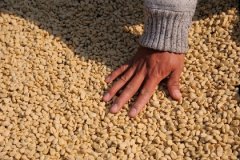
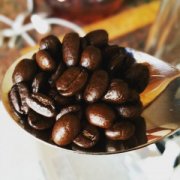
Characteristics of Panama Duncan Estate Coffee Beans - Panama Duncan Estate Coffee Brewing Methods
Caturra: The High-Yield Bourbon Variant
Caturra is a single-gene mutation of Bourbon, discovered in Brazil in 1937. It offers both higher yields and better disease resistance than Bourbon, with shorter plants that make harvesting easier. Like Bourbon, however, it tends toward biennial bearing. Its strong adaptability lets it thrive without shade trees, flourishing even in direct sunlight — which earned it the nickname "Sun Coffee." While well suited to high-density planting, it demands more fertilizer, raising costs and explaining why coffee farmers were slow to accept it at first.
During the coffee price boom of the 1970s, farmers switched to Caturra en masse to lift yields. Backed by strong promotion from the Brazilian and Colombian authorities, the results were remarkable. Farmers' adoption of Caturra marked a major transformation in cultivation technique: Brazil and Colombia moved to high-yield, high-density sun cultivation. By 1990, one million hectares were producing 14 million bags of coffee — a 60% jump in productivity. Little wonder that high-yielding, high-quality Caturra has become a variety that coffee-producing countries around the world rely on.
Caturra can be grown anywhere from low altitudes of 700 meters up to 1,700 meters, showing impressive altitude adaptability. The higher the altitude, the better the flavor — though yields fall accordingly. That is the destiny of specialty coffee. Academics aptly describe Caturra as an intensified, sun-grown version of Bourbon. In Central and South America there is also a yellow-fruited variant (Caturra Amarello), though it is less famous than Yellow Bourbon.
When lightly roasted, Caturra shows prominent acidic aromas and overall brightness. With careful processing, its sweetness can be expressed exceptionally well. Compared with Bourbon, however, it has relatively less body and falls a bit short on cup cleanliness.
Caturra typically bears red cherries, but yellow Caturra can be found in a few rare regions — Hawaii, for instance, grows very limited quantities of it.
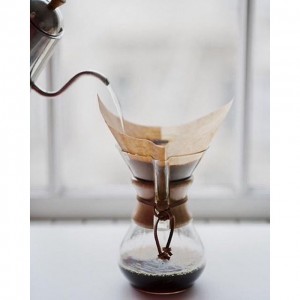
Duncan: Pour-Over Brewing Guide
15g of coffee, medium grind (Fujiyama serrated-burr grinder at setting 4), V60 dripper, water temperature 88-89°C. First pour 30g of water and bloom for 27 seconds, then pour to 105g and pause. Once the water level drops halfway, pour slowly up to 225g and discard the tail. Water-to-coffee ratio 1:15, total extraction time 2:00.
Roast Level: Medium Roast
Duncan Estate's Premium Picking Methods
Duncan Estate practices two distinctive picking protocols: "Premium Picking" and "Reserva Picking." Both push quality and flavor to an exceptional level, at the cost of a sharply reduced harvest. Kotowa's "Premium Picking" harvests cherries only when they have reached a deep wine-red (slightly overripe) color, then processes them immediately and fast. The cost of achieving this flavor profile is enormous. The other method, "Reserva Picking," is also known as fully-red picking (Quickly Processed).
"Reserva Picking" doesn't rely on color alone — pickers must also judge sweetness, specifically the quality of the fruit pulp's sweetness! Beyond being 100% fully red, each cherry must have fully converted its sugars, showing a velvety sweetness before it is picked!
Region: Boquete
Altitude: 1250-1700 Meters
Situated in the Barú Volcano region, the estate benefits from a unique microclimate and volcanic terrain. The growing season brings abundant rainfall with clearly defined wet and dry seasons, and the lava flows of the volcanic belt have left fertile black volcanic soil with excellent drainage — extraordinary growing conditions that produce especially captivating coffee aromas. At over 1,700 meters the winds are strong, and the estate shelters giant conifers more than 200 years old.
Kotowa takes ecological protection seriously and uses no chemical fertilizers at all. Instead, it composts cherry skins and pulp into nutrient-rich fertilizer that nourishes the coffee trees and gives back to the land. Not only was Kotowa nominated by Panama's environmental agency for the 2006 National Environmental Protection Award; this philosophy also shapes the distinctive flavor of Duncan Estate coffee, producing beans of exceptional quality that consistently place at the top of the Best of Panama (BOP) competition.
Flavor Notes: Fruit wine, fermented fruit aroma, honeyed citrus, malt sweetness, sweet peach, distinct layers, delicate texture, candied fruit
Product Information
Manufacturer: FrontStreet Coffee
Address: FrontStreet Coffee, 10 Bao'an Front Street, Yuexiu District, Guangzhou
Shelf Life: 90 days
Net Weight: 227g
Packaging: Bulk coffee beans
Roast Level: Roasted coffee beans
Sugar Content: Sugar-free
Origin: Panama
Panama Duncan Coffee Specifications
Country: Panama
Grade: SHG (Strictly High Grown)
Processing Method: Natural
Variety: Caturra
Estate: Duncan Estate
Flavor Notes: Fruit wine, fermented fruit aroma, honeyed citrus
FrontStreet Coffee Recommendation
Brazil, the world's largest coffee producer, grows an astonishing diversity of coffee. FrontStreet Coffee's Brazilian beans offer moderate acidity and a beautiful balance of sweetness, bitterness, and body — a profile that makes them especially well suited to medium roasting, which coaxes out a heady nutty aroma and a mellow, gently tart cup. They shine as a single origin or as a blend component.
FrontStreet Coffee's Pulped Natural Cerrado Red Bourbon is a classic Brazilian single origin from Cerrado, a region famed for high-quality beans. At a medium roast it delivers lush notes of creamy peanut, toast, caramel, and hazelnut, with a rounded mouthfeel, no sourness, and only a faint bitter edge. Beyond pour-over, it also suits moka pot, espresso SOE, siphon, and French press.
The Fazenda Rainha Yellow Bourbon, another FrontStreet Brazil single origin, comes from Mogiana near southern Minas, where rich red volcanic soil nourishes the cherries into full, aromatic development. Yellow Bourbon — a genetic mutation of Red Bourbon with a cleaner fruit character — shows a sugarcane sweetness here that other origins can't match, alongside fruit and chocolate notes, whether brewed as pour-over, moka pot, or home espresso.
Brazilian beans are also central to FrontStreet Coffee's espresso blends. Their low acidity and balanced cup at a friendly price make Brazil the first choice for many specialty espresso recipes: the crema-rich Classic Blend, the nut-forward Specialty Blend, the balanced Black Cocoa blend beloved by baristas, and the café-oriented Commercial Blend all include Brazil, contributing chocolate and cream aromatics, gentle sweetness-acidity-bitterness, and a stability-friendly balance for extraction.
Important Notice :
FrontStreet Coffee is a long-established specialty coffee roaster in Guangzhou China, selling freshly roasted beans from its own farm in Yunnan as well as dozens of carefully selected single-origin beans from around the world for both pour-over and espresso. The products deliver consistently excellent quality and great value, with shipping within 24 hours. Guangzhou's FrontStreet Coffee shop is recommended by many coffee lovers, and the beans are now available online at the Tmall 。
FrontStreet Coffee has moved to a new address:
FrontStreet Coffee Address: 315,Donghua East Road,GuangZhou
Tel:020 38364473
 Scan and follow the En Gafei WeChat official account. Please indicate that the reprint comes from "En Gafei".