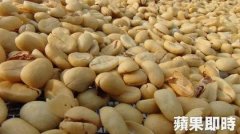
Hartmann Red Wine Processing Method Price Hartmann Red Wine Process Coffee Cost

This family-owned enterprise operates a state-certified cupping laboratory and sample roasting room. Every batch of coffee cherries is cupped meticulously, which keeps quality consistent across Hartmann Estate while the family keeps pushing for improvement. Their scientific approach to coffee cultivation, combined with nearly a century of family experience, is what guarantees the exceptional output.
This particular batch is a red-wine-process Caturra. From the moment the grinder runs, it releases an intense fruit-wine aroma wrapped in fresh, smoky-wood spice notes, plus the special berry sweetness that natural processing brings—the fragrance alone is intoxicating. On tasting, it opens into rich tropical fruit: passion fruit, mango, oranges, and berries blended like a cocktail with peach wine. No—this is a cocktail made by nature itself.
Of all the coffee-producing regions on Earth, only a handful have managed to make wine-style processing work. After years of experimentation, the method can now actually control the acidity structure of the coffee. Fermenting coffee this way markedly improves sweetness, cleanliness, and a layered, complex yet elegant acidity—a fermentation technique that has genuinely raised both the quality and the distinctiveness of the output.
Processing Methods
The red wine process is also known as controlled fermentation—lactic or acetic acid fermentation.
The experimental team is led by the American Felipe Sardi and made up of biologists and ecologists who apply technologies such as solar power to cultivation and green-bean processing.
The specialized picking crews are trained to follow strict specialty-coffee harvesting standards: unripe cherries under 2%, defective beans under 3%, and floaters under 5%.
Acetic acid fermentation—an aerobic fermentation
Lactic acid fermentation—an anaerobic fermentation
Flavor Expectations
Acetic acid fermentation: cleaner and more vibrant acidity, a brighter cup, citric-acid character.
Lactic acid fermentation: a more rounded mouthfeel, slightly less clean than the acetic style, higher body, malic/tartaric-acid character.
Traditionally, mills relied on manual techniques handed down through generations—biting a bean to judge fermentation degree among them. That kind of fermentation was unpredictable and varied batch to batch. Controlled fermentation instead monitors the process by pH, delivering predictable results and consistent output for every lot.
Brewing Recommendations
Hand-pour for Hartmann: 15 g of coffee at a medium grind (setting 4 on a Fuji Royal burr grinder), brewed on a V60 with water at 88-89°C. Start with 30 g of water for a 27-second bloom, then pour to 105 g and pause. Once the water level drops halfway down the bed, pour slowly up to 225 g, avoiding the tail section. Water-to-coffee ratio 1:15, total extraction 2:00.
About the Caturra Variety
Caturra is a single-gene mutation of Bourbon, discovered in Brazil in 1937. It out-yields Bourbon with better disease resistance, and its shorter trees make harvesting easier. Like Bourbon, it unfortunately tends toward biennial bearing. It is highly adaptable, needs no shade, and thrives in full sun—hence the nickname "Sun Coffee." It tolerates high-density planting but demands more fertilizer, which raises costs; farmers were initially slow to accept it.
That changed during the coffee price surge of the 1970s, when farmers switched to Caturra to lift yields. With strong backing from the Brazilian and Colombian authorities, the results were abundant, and Caturra's acceptance marked a major transformation in cultivation technique: Brazil and Colombia embraced high-yield, high-density sun cultivation. By 1990, one million hectares were harvesting 14 million bags of coffee—a 60% jump in productivity. Little wonder this high-yielding, high-quality variety became a trusted mainstay across the coffee world.
Caturra can be grown anywhere from 700 meters up to 1,700 meters, and it adapts readily across that range. Higher altitudes produce better flavors at the cost of yield—the destiny of every specialty bean. Academics describe Caturra as an intensively cultivated, sun-grown version of Bourbon, which is fair. Central and South America also grow a yellow-fruited variant (Caturra Amarello), though its reputation has never matched Yellow Bourbon's.
Lightly roasted, Caturra shows a distinctly aromatic acidity with overall brightness. With careful processing, its sweetness can be outstanding, though the body runs lighter than Bourbon and the cup is not quite as clean.
Caturra typically bears red cherries, but yellow Caturra survives in a few very rare pockets—such as the extremely limited plantings in Hawaii.
Coffee Details
Country: Panama
Grade: SHG
Region: Volcán
Altitude: 1,250-1,700 meters
Processing: Red wine process
Variety: Caturra
Estate: Hartmann Estate
Flavor Notes: Smoky wood spices, berries, fruit-wine aroma
Hartmann Estate Introduction
Hartmann's story is as legendary as its coffee. The estate sits in Santa Clara, Chiriquí Province, Panama. Its founder, Mr. Alois St. Hartmann (Luis Hartmann), was born June 20, 1891, in the Moravia region of Austria-Hungary (now the Czech Republic) and died May 25, 1970, at the age of 78.
After World War I broke out, he was abandoned as a young boy. Thanks to his mother, he survived by hiding aboard a ship bound for Pennsylvania in the United States. His two brothers both enlisted and died in the war. Luis drifted through several countries with friends until 1911, when he reached Panama and settled in Chiriquí Province in 1912, living mainly around the Candelaria area, where he built the first small cabin in that primeval forest.
Today's Hartmann Estate is a family enterprise founded in 1940 by Ratibor Hartmann, Luis's son. In 1966, Ratibor married Dinorza Zúñiga from Costa Rica, and they raised five children: Ratibor Jr., Allan, Alexander, Alice, and Kelly. Each family member takes charge of a different side of the operation—cultivation management, harvesting and processing, and estate tours. A family that has grown coffee for over 100 years is a legend in its own right.
FrontStreet Coffee Recommendation
Sun-drying is the oldest and still the most widespread way to process coffee: ripe cherries are laid out whole in the sun until the moisture target is reached, then hulled. Because the fruit dries intact, the finished coffee carries a heavier body and far richer ripe-fruit character—which is exactly what makes the Hartmann red-wine lot so aromatic.
If this style suits you, FrontStreet Coffee's natural-process lineup is well worth exploring. Their Yirgacheffe Red Cherry lot uses only fully ripe, all-red cherries, spread on raised beds to keep the fruit clear of the ground—and away from insects, dust, and bacteria—turned regularly for even drying across 27-30 days of sunshine. Roasted medium-light, it offers elegant florals and bright acidity plus pronounced tropical fruit, a full fermented richness, and obvious sweetness. For a deeper, winey natural, FrontStreet's Hambella from Guji, Sidamo dries for 21 days on raised beds at very high altitude, yielding a light fermented aroma, florals, citrus, and mango with honeyed sweetness, a thick body, and a long finish.
- FrontStreet Yirgacheffe Red Cherry (natural): all-ripe cherry selection, 27-30 days on raised beds; florals, bright acidity, tropical fruit, and full sweetness.
- FrontStreet Hambella (natural, Guji, Sidamo): 21-day raised-bed drying; fermented wine aroma, florals, citrus, mango, thick body, long finish.
- Brewing tip: 15 g coffee, 1:15 ratio, 88-89°C water, medium grind on a V60; stop before the tail to keep the fruit-wine notes sweet and clean.
Important Notice :
FrontStreet Coffee is a long-established specialty coffee roaster in Guangzhou China, selling freshly roasted beans from its own farm in Yunnan as well as dozens of carefully selected single-origin beans from around the world for both pour-over and espresso. The products deliver consistently excellent quality and great value, with shipping within 24 hours. Guangzhou's FrontStreet Coffee shop is recommended by many coffee lovers, and the beans are now available online at the Tmall 。
FrontStreet Coffee has moved to a new address:
FrontStreet Coffee Address: 315,Donghua East Road,GuangZhou
Tel:020 38364473
 Scan and follow the En Gafei WeChat official account. Please indicate that the reprint comes from "En Gafei".