90+ Chelbessa Flavor Profile & 90+ Chelbessa Coffee Characteristics
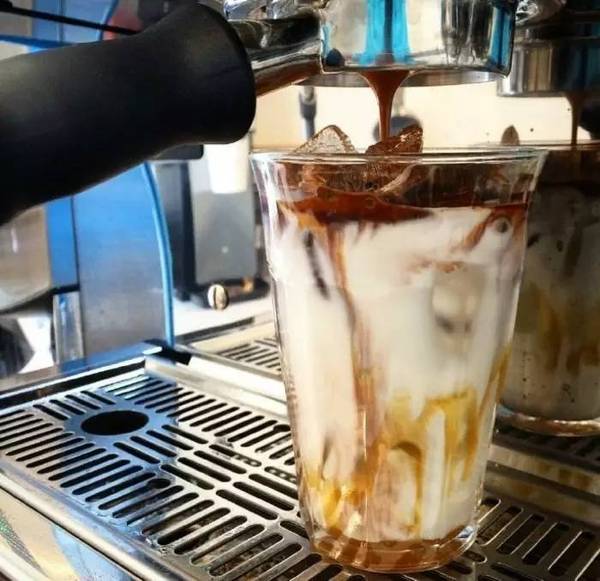
Zhumang (90+ Chelbessa) carries the captivating aromatics that traditional Ethiopian natural-process coffee is famous for. Its fruit character is unapologetically expressive: a round, full-bodied sweetness that lingers, paired with a juicy, mouthwatering fruit acidity. Despite its complexity, it is an easy coffee to brew day to day. The beans are inherently dense with flavor, and they show beautifully whether you prepare them as a clean, refreshing pour-over or as a rich, concentrated espresso.
Coffee Information
Country: Ethiopia
Region: Sidamo
Altitude: 1750-2000m
Roast Level: Light Roast
Processing Method: Natural
Variety: Local Landrace
Processing Station: NinetyPlus
Flavor Notes: Nectarine, tropical fruits, oak barrel aroma
Brewing Instructions
For a hand-poured Sidamo, dose 15g of coffee ground medium-fine (Fuji ghost tooth grinder set at 3.5) into a V60 dripper. Use water at 91-93°C. Start with a 30g bloom pour and let it sit for 27 seconds. Continue pouring up to 105g, then pause until the water level drops to half. Pour slowly up to a total of 225g, and cut off the tail end of the brew. The water-to-coffee ratio is 1:15, with a total extraction time of 2:00.
The NinetyPlus Philosophy
NinetyPlus takes a completely different approach to naming compared with conventional specialty coffees: no region names, no estate names. Each coffee is named after its flavor profile instead. Zhumang, for example, means "best approach" in the local dialect. The brand starts with a flavor concept, names the coffee, and only then selects the regions and partner farms that can deliver it - a workflow that marks NinetyPlus as a brand with a true boutique operating style.
Ethiopian Coffee Regions
Ethiopia hosts every style of coffee cultivation, from extensive wild coffee forests and semi-developed land to traditionally managed smallholder plots and modern plantations. Roughly 50% of Ethiopian coffee grows at altitudes above 1500 meters. Based on these four production systems, the country is divided into nine major coffee regions: five specialty coffee zones - Sidamo, Yirgacheffe, Harrar, Limu, and Lekempti - and four commercial coffee regions - Jimma, Illubabor, Tepi, and Bebeka. Every region processes coffee either naturally or washed, and the choice of method shapes the final flavor profile. Today natural processing accounts for about 80% of national output, with washed processing making up the remaining 20%.
NinetyPlus Excellence
"NinetyPlus" does not simply mean every coffee scores above 90 points. Outstanding coffees appear one year and vanish the next; sometimes they come from different estates with entirely different flavor characteristics. The name actually refers to a series of 13 top-tier premium coffees, all created by the American specialty coffee company NinetyPlus Coffee. They are exclusively Ethiopian heirloom varieties, grown to full maturity in their native ecological settings, then processed to an almost artistic standard with deliberate flavor optimization. Processing is where NinetyPlus truly specializes: each lot is separated by variety, microclimate, and harvest timing, cupped individually, and assigned a processing method designed specifically for its target flavor profile - much the way major luxury houses design their products. Natural lots go through repeated refinement and improvement before they reach their most beautiful expression, and only then are they released.
Drima Zede Processing Innovation
The ancient natural method makes it hard to achieve a clean, pure flavor, but Drima Zede, developed with NinetyPlus technical support, changes that. Only the most mature coffee cherries are hand-selected, and the fruit is stirred constantly throughout natural drying to ensure uniform dehydration. The result is an exceptionally transparent, clean cup with dramatic differences between hot and cold, layered with enchanting fruit, floral, and oak barrel aromatics.
Zhumang's Exceptional Quality
As a naturally processed Ethiopian coffee, Zhumang is held to strict supervision and selection standards, steering clear of the earthy taints and high defect rates that plague many naturals. What remains is the captivating sweetness for which natural processing is celebrated. Its fruit-forward aromatics inherit the perfume of traditional Ethiopian naturals, expressing a round, full-bodied, long-lasting sweetness and mouthwatering fruit acidity without reservation. Day-to-day brewing is easy to master: the beans are rich in flavor and shine equally in a clean, refreshing pour-over or a rich siphon brew.
90+ Level Up Series - Zhumang Flavor Profile
Flavor: Nectarine and tropical fruits, with a clean, bright mouthfeel that stuns from the very first sip.
FrontStreet Coffee Recommendation
If this natural-process Sidamo intrigues you, FrontStreet Coffee's Ethiopian lineup is a natural next step. Ethiopia is the birthplace of coffee, home to countless native landrace varieties, and FrontStreet sources several lots that showcase exactly the kind of fruit-driven sweetness and florality you taste in Zhumang.
For a closer comparison with a washed lot, FrontStreet's Washed Yirgacheffe is the ideal entry point. It offers a clear jasmine floral note and a bright citrus acidity - the classic Yirgacheffe profile. The Yirgacheffe growing zone in southern Ethiopia enjoys a spring-like climate year-round, cool and humid with frequent mist, and its delicate, tea-like cup is often likened to a refreshing, clean lemon tea.
If you prefer the natural side, FrontStreet's Flower Queen (Hambella natural) comes from the Hambella growing area of Guji in Sidamo. The farm covers 200 hectares and uses traditional natural processing: ripe cherries are dried on raised beds for 21 days, turned constantly to ensure even drying and shielded from mold and earthy contamination, with defective beans hand-sorted out every three to five days. Roasted medium-light, it presents a gentle fermented wine note, florals, citrus, and mango, with a thick, honeyed sweetness, cocoa undertones, a touch of spice, and a long, persistent finish.
FrontStreet also offers a natural Red Cherry Project Yirgacheffe - dried whole-fruit for two weeks until moisture drops to 12%, then density-graded, color-sorted, and hand-picked - delivering peach, cocoa, honey, and lemon in a remarkably clean cup. Whichever you choose, keep the roast light to medium-light so the floral and fruit character stays front and center.
Important Notice :
FrontStreet Coffee is a long-established specialty coffee roaster in Guangzhou China, selling freshly roasted beans from its own farm in Yunnan as well as dozens of carefully selected single-origin beans from around the world for both pour-over and espresso. The products deliver consistently excellent quality and great value, with shipping within 24 hours. Guangzhou's FrontStreet Coffee shop is recommended by many coffee lovers, and the beans are now available online at the Tmall 。
FrontStreet Coffee has moved to a new address:
FrontStreet Coffee Address: 315,Donghua East Road,GuangZhou
Tel:020 38364473
 Scan and follow the En Gafei WeChat official account. Please indicate that the reprint comes from "En Gafei".