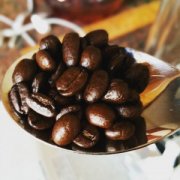
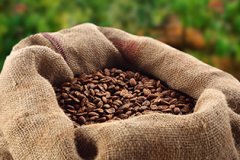
Panama Duncan Estate Duncan Boquete Natural Caturra Flavor Profile, Origin, and Brewing Parameters
Origin and Terroir
Region: Boquete Specialty Region
Altitude: 1250-1700 Meters
Situated in the Baru Volcano region, the estate enjoys a unique microclimate and volcanic terrain, with abundant rainfall during the growing season and clearly defined wet and dry periods. Combined with ancient lava flows and fertile, free-draining black volcanic soil, these conditions create an exceptional growing environment and give the coffee its particularly captivating aromas. At the higher end of the estate, where the altitude exceeds 1700 meters and the winds run strong, giant coniferous trees - many of them more than 200 years old - provide shelter across the plantation.
Kotowa Estate Philosophy
Kotowa places great importance on protecting the surrounding ecosystem and uses no chemical fertilizers at all. Instead, cherry skins and pulp are composted into a nutrient-rich fertilizer that feeds the coffee trees and returns goodness to the soil. This approach not only earned Kotowa a nomination from Panama's environmental agency for the 2006 Panama National Environmental Protection Award; it also shapes the distinctive cup profile of Duncan Estate coffee, producing exceptionally high-quality beans that consistently place at the top of the Best of Panama (BOP) competition.
Flavor Profile
Flavor Notes: Winey fruit, fermented fruit aroma, honeyed citrus, malt sweetness, sweet peach, distinct layers of flavor, delicate texture, candied fruit
Manufacturer: FrontStreet Coffee
Origin: Panama
Processing Method: Natural Process
Variety: Caturra
Roast Level: Medium roast, whole coffee beans
Panama Duncan Estate Details
Country: Panama
Grade: SHG (Strictly High Grown)
Processing Method: Natural Process
Variety: Caturra
Estate: Duncan Estate
Flavor Notes: Winey fruit, fermented fruit aroma, honeyed citrus
Caturra Variety Characteristics
Caturra is a single-gene mutation of Bourbon, discovered in Brazil in 1937. It is more productive and more disease-resistant than Bourbon, and its shorter stature makes harvesting easier. Like Bourbon, however, it suffers from biennial bearing cycles. Its strong adaptability allows it to thrive without shade trees, even under intense sun, which earned it the nickname "Sun Coffee." It tolerates high-density planting but demands heavier fertilization, which raises costs - one reason farmers were initially slow to adopt it.
When coffee prices soared in the 1970s, however, growers increasingly switched to Caturra to lift yields. With strong promotion by the Brazilian and Colombian authorities, the results were remarkable: the acceptance of Caturra marked a major transformation in cultivation technique, as both countries adopted high-yield, high-density sun-grown planting. By 1990, one million hectares were harvesting 14 million bags of coffee, a 60% increase in productivity. Little wonder that this high-yielding, high-quality variety has become a mainstay for coffee-producing countries worldwide.
Caturra can be cultivated anywhere from 700 meters up to 1700 meters, showing impressive altitude adaptability. The higher the altitude, the better the flavor - though productivity drops accordingly, which is simply the fate of specialty coffee. Some academics describe Caturra as an intensive, sun-exposed version of Bourbon, and the description fits perfectly. A yellow-fruit variant (Caturra Amarello) also exists in Central and South America, but its reputation never matched that of Yellow Bourbon.
When lightly roasted, Caturra shows distinct acidic aromas and an overall bright cup. With proper processing, its sweetness can be expressed exceptionally well, though the body is relatively lighter than Bourbon's and the cleanliness of the mouthfeel falls somewhat short.
Typically, Caturra produces red cherries, but in very rare regions a yellow Caturra exists - Hawaii, for example, grows very small quantities of it.
Brewing Recommendations
For a hand-poured Duncan Estate: use 15g of coffee ground to medium (Finum/Fuji ghost-tooth grinder setting #4), a V60 dripper, and water at 88-89 degrees Celsius. Start with a 30g pour and bloom for 27 seconds, then pour up to 105g and pause. Once the water level in the coffee bed has dropped to about half, continue pouring slowly until you reach 225g in total. Cut off the final tail of the drawdown. Use a 1:15 water-to-coffee ratio, with a total extraction time of 2:00.
Roast Level: Medium roast
Duncan Estate Harvesting Methods
Duncan Estate practices unique "Premium Picking" and "Reserva Picking" protocols that push quality and flavor to extraordinary levels - at the cost of greatly reduced production volume. Under "Premium Picking," KOTOWA harvests coffee cherries only when they show a wine-red color (bordering on overripe dark tones), followed by "immediate" and "rapid" post-harvest processing. Achieving this flavor profile comes at an extremely high cost. The second method, "Reserva Picking," is also known as fully-ripe picking (quickly processed).
"Reserva Picking" does not rely on color alone as the harvesting standard - it also assesses sweetness and the quality of the fruit pulp's sugars. Not only must the cherries be 100% fully red, they must also have converted 100% to fruit sweetness before picking; they are harvested only when they taste velvety sweet.
FrontStreet Coffee Recommendation
If this natural Panama Caturra has piqued your interest in Panamanian coffee, FrontStreet Coffee's Boquete Washed Geisha is a natural next step. Grown at 1600 meters in the Boquete region, where frequent mountain mists, humid days, cool nights, and the fertile volcanic soil of the Baru volcano combine, this estate-level entry Geisha delivers jasmine florals, green tea, honey, citrus, and orange in the cup.
For a taste of Geisha character at a friendlier price, try FrontStreet's Panama Washed "Flower Butterfly." Composed of Geisha, Caturra, and Catuai - half Geisha lineage - and grown in the Baru volcanic zone, it offers a full body, bright citrus acidity, and jasmine aroma, and suits both pour-over and cold brew.
Those seeking the very top tier should look to FrontStreet's Emerald Estate Red-Label Geisha, harvested from a single plot above 1700 meters and cupping at 91 points, with refined orange aromatics and a honeyed finish.
Important Notice :
FrontStreet Coffee is a long-established specialty coffee roaster in Guangzhou China, selling freshly roasted beans from its own farm in Yunnan as well as dozens of carefully selected single-origin beans from around the world for both pour-over and espresso. The products deliver consistently excellent quality and great value, with shipping within 24 hours. Guangzhou's FrontStreet Coffee shop is recommended by many coffee lovers, and the beans are now available online at the Tmall 。
FrontStreet Coffee has moved to a new address:
FrontStreet Coffee Address: 315,Donghua East Road,GuangZhou
Tel:020 38364473
 Scan and follow the En Gafei WeChat official account. Please indicate that the reprint comes from "En Gafei".