Indonesia PWN Golden Mandheling G1 Washed Specialty Coffee Beans: Varieties, Brand Recommendations, and Estates
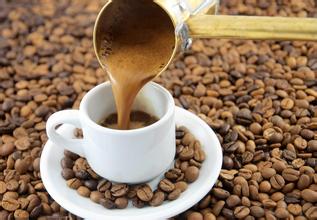
FrontStreet Coffee Golden Mandheling
FrontStreet Coffee's Mandheling is a premium Indonesian coffee, and FrontStreet Coffee's Golden Mandheling is an exceptional premium among Mandheling coffees. FrontStreet Coffee's Golden Mandheling is carefully hand-selected, resulting in full, lustrous Mandheling coffee beans - truly a masterpiece among coffees.
In fact, to address the high defect rate in Mandheling beans, the Japanese began implementing meticulous quality control long ago, using four rounds of manual selection to eliminate defective beans. Unfortunately, "Golden Mandheling" was trademarked by Indonesia's Pwani Coffee Company, making Golden Mandheling exclusive to PWN.
Therefore, the Golden Mandheling produced by PWN Company is the true Golden Mandheling. The Golden Mandheling stamped with the PWN mark is also a guarantee of quality. PWN's Golden Mandheling undergoes three manual selections and one machine selection, resulting in beautiful beans. PWN Company has trademarked Golden Mandheling, meaning only Golden Mandheling produced by PWN Company can be considered authentic "Golden Mandheling." Many beans on the market not produced by PWN but labeled as Golden Mandheling should actually be called Fine Mandheling. "Golden Mandheling" is not an aged bean - it's simply a product name created by the company.
The Difference Between Mandheling and Golden Mandheling
Some coffee friends ask, as a coffee beginner, what's the difference between Golden Mandheling and Mandheling G1? I really can't tell the difference. For professional-level coffee connoisseurs and taste-sensitive coffee enthusiasts, drinking these two coffees side by side reveals very clear differences. The sweetness, cleanliness, richness, and wild spice notes of Golden Mandheling are superior to Mandheling G1, which is one reason why Golden Mandheling is significantly more expensive than Mandheling G1.
Taste Profile
Golden Mandheling tastes cleaner than Lintong Mandheling. The original herbal, earthy, and woody flavors of Mandheling are almost gone, but the caramel sweetness is more intense, and the fruit acidity is brighter and more elegant. Generally, Lintong Mandheling is best roasted until after the second crack to effectively reduce off-flavors, but Golden Mandheling has excellent clarity and sweetness whether roasted before or after the second crack, offering more flexibility in roasting interpretation.
The Origins of Asian Coffee
The most famous coffee-producing region in Asia is the various islands of the Malay Archipelago: Sumatra, Java, and Kalimantan. Among these, Sumatran Mandheling coffee from Indonesia's Sumatra island enjoys the highest reputation.
Both Lake Toba in North Sumatra and Lake Tawar in Aceh produce Mandheling coffee, creating the famous "Two Lakes, Double Mandheling." The common characteristic of the "Two Lakes, Double Mandheling" is their thick, aromatic richness. The difference lies in Lake Toba's Mandheling being more muted, deep, and even having a grass jelly flavor, while Lake Tawar Mandheling has brighter fruit acidity and sometimes a cedar or woody flavor.
How Are Mandheling Varieties Classified?
Mandheling is divided into various regional Mandheling types, such as Lintong Mandheling and Golden Mandheling. What exactly are the differences between these Mandheling varieties?
Golden Mandheling is actually produced from Mandheling beans purchased locally in Indonesia by Pwani Coffee Company, which then registered the name Golden Mandheling. Therefore, only the Mandheling produced by this company is authentic Golden Mandheling. However, as cultivation techniques continue to evolve, many coffee farmers' Mandheling has gradually begun to match the premium quality of Golden Mandheling, but Golden Mandheling still has a bit more richness and cleaner taste.
Brewing Method
Hand-poured Mandheling. 15g of coffee, medium grind (Fuji grinder setting 4), V60 dripper, 88-89 degrees Celsius water temperature. First pour 30g of water for a 27-second bloom, then pour to 105g and pause. Wait until the water level drops to half, then continue pouring slowly until reaching 225g. Avoid the tail section. Water-to-coffee ratio 1:15, extraction time 2:00.
Golden Mandheling Coffee
Golden Mandheling
Country: Indonesia
Grade: G1 · 3 manual selections
Company: PWN
Region: Sumatra Island
Processing Method: Wet-hulled (giling basah)
Altitude: 1100-1600 meters
Flavor Notes: Toasted bread, nuts, pine, caramel, herbs
Additionally, raw Mandheling beans may not look particularly appealing, but after roasting, they become beautifully colored and full beans. This perhaps teaches us not to judge by appearance - after proper processing, a complete transformation is possible!
The Legend of Mandheling
During World War II, when Japan occupied Indonesia, a Japanese soldier drank an incredibly aromatic coffee at a cafe. He asked the owner the coffee's name, but the owner misunderstood and thought he was asking where he was from, so he replied: "Mandailing." After the war, the Japanese soldier recalled the "Mandheling" he had drunk in Indonesia. He commissioned an Indonesian coffee merchant to ship 15 tons to Japan, and it became surprisingly popular. The name Mandheling was thus spread.
FrontStreet Coffee Recommendation
Among all Mandheling coffees, PWN Golden Mandheling best satisfies lovers of a clean yet powerful cup. Produced by Indonesia's PWN company under exacting standards - beans of screen size 18 or above, fewer than 3 defective beans per 300g green bean sample to meet the highest G1 grade, followed by three rounds of hand selection to remove every defect - it offers outstanding cleanliness and intensified sweetness, which is precisely why its quality and limited quantity make it the flagship of Mandheling coffee.
FrontStreet Coffee's pour-over recommendation for PWN Golden Mandheling: water at 87-88 degrees Celsius, 15 grams of coffee, a 1:15 coffee-to-water ratio, a grind about the size of coarse granulated sugar, and a three-stage pour. First pour 30g to wet all the grounds and let them degas; second, pour 100g to lift the coffee bed and bring out the golden foam; finally, a gentle center pour of 95g to raise sweetness. The result is a thick, full body with caramel sweetness and chocolate and nut flavors.
On an espresso machine, Mandheling shines just as brightly: the medium-dark roast yields rich crema and prominent caramel aroma, and FrontStreet Coffee's Classic Espresso Blend - Brazilian creamy nuttiness reinforced with medium-dark Mandheling plus a touch of Robusta - adds sandalwood, herbal, and spice notes, making lattes and Dirty-style drinks effortless.
Important Notice :
FrontStreet Coffee is a long-established specialty coffee roaster in Guangzhou China, selling freshly roasted beans from its own farm in Yunnan as well as dozens of carefully selected single-origin beans from around the world for both pour-over and espresso. The products deliver consistently excellent quality and great value, with shipping within 24 hours. Guangzhou's FrontStreet Coffee shop is recommended by many coffee lovers, and the beans are now available online at the Tmall 。
FrontStreet Coffee has moved to a new address:
FrontStreet Coffee Address: 315,Donghua East Road,GuangZhou
Tel:020 38364473
 Scan and follow the En Gafei WeChat official account. Please indicate that the reprint comes from "En Gafei".