The Story and Origins of Panama Baru Volcano Cupid Premium Coffee Beans with 30% Geisha
The Origins of Panama Coffee
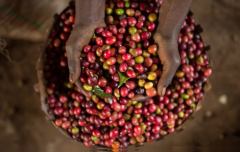
Panama's coffee story began in 1780, when European immigrants introduced the first Typica trees. Tucked into Central America with natural advantages in sunshine, land, and mountains, plus an ample labor force, the country is superbly suited to growing high-quality specialty coffee, a true paradise for the plant. Panamanian Geisha in particular has led the global specialty coffee wave, drawing worldwide market attention to the origin.
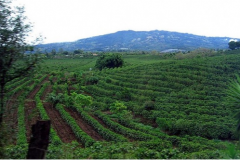
Boquete is Panama's oldest and most famous growing region, located on the eastern side of Baru Volcano at an average altitude of roughly 1,000-2,000 meters. Volcán Barú National Park is an ecological conservation area with extremely rich biodiversity and multiple microclimates. Year-round mist and abundant rainfall round out outstanding growing conditions, giving Boquete coffee its unique aroma and making it Panama's highest-producing, highest-quality region. Each harvest, farmers use refined washed methods and sun-drying to produce full, flavorful green beans.
Brewing Method
Pour-over for Cupid: 15g of coffee at a medium grind (Fuji ghost-tooth grinder, setting 4), V60 dripper, water at 88-89°C. First pour 30g of water for a 27-second bloom, then pour to 105g and stop. Once the bed level drops to half, continue pouring slowly up to 225g and skip the tail. Water-to-coffee ratio 1:15, extraction time 2:00.
Farming Practices
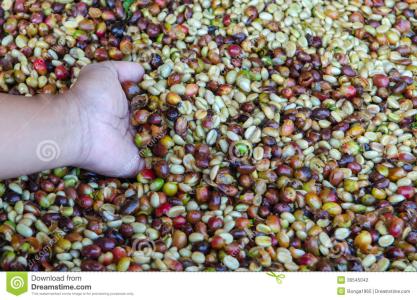
About 50 coffee farmers here form a small cooperative, all producing coffee the traditional Boquete way, letting it grow in a near-natural environment. Yields aren't high, but the approach preserves a rich ecosystem and maintains, even improves, soil quality. Natural cultivation benefits the land, and because the cherries ripen slowly, they more readily develop the excellent flavor of high-quality beans. Farmers hand-pick whole cherries and send them to the nearby Café de Eleta S.A. mill, about 4 kilometers from the farm, which includes a modern laboratory for cupping-based quality control and manual sorting.
Tasting Notes
A clean, translucent body with white grape and caramel aromas, followed by honey and a captivating high-mountain black tea fragrance. High sweetness, low acidity, smooth mouthfeel. Drinking it is like falling in love, sweet and sour sensations, every day.
Product Information
Roaster: FrontStreet Coffee
Ingredients: In-house roasted
Shelf life: 90 days
Net weight: 227g
Packaging: Bulk
Taste: Acidic coffee beans
Raw/Roasted: Roasted coffee beans
Sugar content: Sugar-free
Origin: Panama
Roast level: Medium roast
Specifications
Panama Volcan Baru Series Cupido
Country: Panama
Grade: SHB Grade
Region: Baru Volcano
Altitude: 1600-1650m
Annual rainfall: 3500mm
Processing method: Honey process and traditional washed
Varieties: Catuai, Caturra, containing 30% Geisha
Harvest year: 2015
Green bean specifications: 17-18 screen
Flavor notes: White grape, caramel, honey, black tea
From the consistently winning region of the B.O.P competition!
Baru Volcano is not only Panama's highest mountain range, sediment from early volcanic activity and eruptions has left behind vast quantities of extremely fertile soil, rich in nutrients, with volcanic ash particularly abundant in phosphorus and sulfur. Mixed with clay and combined with the region's unique climate, it forms an environment ideal for high-quality coffee. Dense forests and countless species create extraordinary overall biodiversity.
FrontStreet Coffee Recommendation
How Many Kinds of Geisha Are There?
"Geisha" takes its name from the English word itself, and it is one of the most beloved Arabica varieties, its unique florals and superb sweet-sour finish have won over countless coffee lovers. Low yields, weak disease resistance, and demanding cultivation keep pushing its price ever higher. To buy a Geisha that tastes great without breaking the bank, it helps to know the types and their relative value.
FrontStreet Esmeralda Red Label and Green Label Geisha
It takes a talent scout to find a champion. Esmeralda is that scout, the legendary estate whose Geisha took the world by storm; today, no one in coffee hasn't heard of Panama's Hacienda La Esmeralda and its Geisha. Esmeralda's current Geisha line has two tiers, Red and Green. The Red Label, officially "Esmeralda Special," grows at 1600-1800 meters, and every batch must cup above 90 points. Each batch carries its own independent number and comes entirely from a single small plot, FrontStreet's Red Label, for example, comes from the Jaramillo plot, letting buyers pick the micro-lot that matches their taste. The Green Label, originally "Private Collection," doesn't emphasize plot details; per the estate's website, it blends lots from multiple plots to express Esmeralda's signature high-altitude Geisha profile. Think of it as a plot-agnostic Geisha, priced more affordably, outstanding value.
FrontStreet Boquete Geisha
For newcomers curious about the fabled "Geisha flavor," FrontStreet recommends the Boquete Geisha first, an entry-level Geisha that lets you taste classic Panamanian quality at an accessible price: orange-blossom honey notes, oolong-tea texture, delicate fruit acidity, and clearly defined layers.
FrontStreet Geisha Village Gold Label and Red Label
Ethiopia, coffee's birthplace, has its own Geisha-famous estate: Geisha Village, with grading as strict as Panama's. While Esmeralda splits into Red and Green labels, Geisha Village goes further, it grows three Geisha varieties (Gori Gesha, Gesha 1931, and Illubabor Forest) and grades them into Gold Label RARITIES, Red Label GROWERS RESERVE, Green Label SINGLE-TERROIR, and the CHAKA lot, differentiated by variety as well. The Gold Label is Gesha 1931, just 10% of total production, the estate's top coffee outside auction lots, often chosen by competing baristas. FrontStreet's Gold Label lot is meticulously natural-processed, showing complex, layered flavor in both dry aroma and slurp. The Red Label is Gori Gesha, 15% of production, scoring 88+ on the SCA 100-point scale; as the estate's single-terroir series, every lot number carries full traceability, farm block, variety, and processing date.
FrontStreet Genji Chelba (Granja) Gesha, Ethiopia Estate Gesha
Near Kochere in Yirgacheffe, the Genji Chelba processing station sits at the border of the Kochere and Gedeb areas. Founded in 2014 under Israel Degefa, it serves a 700-hectare growing area, largely uncultivated wild land with fertile soil and canopy trees throughout. Thanks to the original rainforest soil and shaded growing environment, this native Ethiopian Gesha shows remarkably layered depth. Ripe cherries are hand-picked and dried on raised beds for 14-20 days depending on the weather. Roasted medium-light, it brews into a cup of bright citrus acidity, elegant ginger-flower aroma, and the full sweetness of mature fruit, silky smooth, with Gesha's signature refined finish.
How to Brew Geisha
Geisha is a medium-light roast, floral and fruity, with dense beans that can sink and clog the dripper if ground too fine. FrontStreet recommends a grind passing 78% on the China standard #20 sieve (about fine-granulated-sugar size) and a brewing water temperature of 91°C. Our pour-over recipe: 15g of coffee on a small Hario V60 at a 1:16 ratio, brewed in three stages, start the timer, pour to 30g and bloom 30 seconds; then pour a small, circling stream to 125g, wait for the bed to drain halfway, and continue to 225g. Total extraction time is about 2:10-2:20.
Geisha also makes a striking SOE espresso. The point of a single-origin shot is a richer flavor under pressure, dark roasts offer only monolithic body. Go with the medium-roasted Ethiopia estate Gesha SOE: Gesha florals and sweet dried-fruit character plus Ethiopia's white-floral, lemon-bright acidity; as espresso it reads as dried apricot, caramel, and nuts. FrontStreet's recipe: 20g dose, 1:2 ratio, 25-second extraction, 40g out. For a Geisha americano, add 200g hot water at 1:5, orange, nut, and blueberry notes; for a latte, add 200g milk for a creamy cookie smoothness.
Geisha Cold Brew, the Easy Way
For a budget-friendly Geisha experience, FrontStreet created Strawberry Candy, blending Costa Rican honey-process coffee with Panama Geisha for delicate florals and sweet fruit. It works as pour-over, moka pot, or machine espresso, and makes a wonderful cold brew. Use 30g of Strawberry Candy, ground to fine sugar (EK43s at setting 9, equivalent to a C40 hand grinder at 24), into a clean vessel. Add 360g of room-temperature water at a 1:12 ratio, stir, cover, and refrigerate. After 8 hours, strain out all the grounds, seal the liquid, and let it mature in the fridge for another 3 hours. The result: grape juice, rose, sweet orange, and fruit-wine flavors in every sip.
Important Notice :
FrontStreet Coffee is a long-established specialty coffee roaster in Guangzhou China, selling freshly roasted beans from its own farm in Yunnan as well as dozens of carefully selected single-origin beans from around the world for both pour-over and espresso. The products deliver consistently excellent quality and great value, with shipping within 24 hours. Guangzhou's FrontStreet Coffee shop is recommended by many coffee lovers, and the beans are now available online at the Tmall 。
FrontStreet Coffee has moved to a new address:
FrontStreet Coffee Address: 315,Donghua East Road,GuangZhou
Tel:020 38364473
 Scan and follow the En Gafei WeChat official account. Please indicate that the reprint comes from "En Gafei".