Pour-Over Parameter Recommendations for Costa Rica Yellow Honey Elsa Rocadura Premium Coffee Beans
Pour-over Recipe
Yellow Honey processed. 15g of coffee, a medium grind (Fujimarconi grinder, setting 4), a V60 dripper and water at 88-89°C. First pour 30g of water for a 27-second bloom, then pour to 105g and stop. When the water level drops halfway, continue pouring slowly to 225g. Avoid the tail. Water-to-coffee ratio is 1:15, extraction time 2:00.
Product Information
Ingredients: House-roasted coffee beans
Shelf life: 90 days
Net weight: 227g
Packaging: Loose coffee beans
State: Roasted coffee beans
Sugar content: No sugar
Origin: Costa Rica
Coffee type: Other
Roast level: Medium roast
Coffee Details
Costa Rica Helsar De Zarcero
Country: Costa Rica
Grade: SHB
Region: West Valley
Roast Level: Medium roast
Processing Method: Yellow Honey
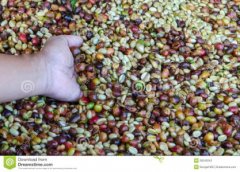
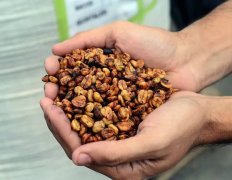
Yellow Honey Process: Approximately 40% of the mucilage is removed; drying then requires the most direct heat absorption, receiving maximum sunlight for about 8 days until the moisture content stabilizes.
Costa Rican coffee has always been considered a classic example of a perfectly balanced flavor profile, and balanced, clean and mild are its foundation. This batch from the Helsar processing plant in the West Valley is renowned for its excellent natural geography and superior regional cultivation management. It offers a nearly perfect classic flavor with vibrant citrus acidity, blackberry fruit, rich acidity and body, melon-like sweetness, a smooth mouthfeel, stone fruit and subtle florals, and a remarkable coffee-flower aroma in the aftertaste. It is a coffee full of Latin countryside charm.
Varieties: Caturra, Catuai
Processing Plant: Helsar Processing Plant
Flavor Notes: Brown sugar, almond, black tea
Costa Rican Coffee Heritage
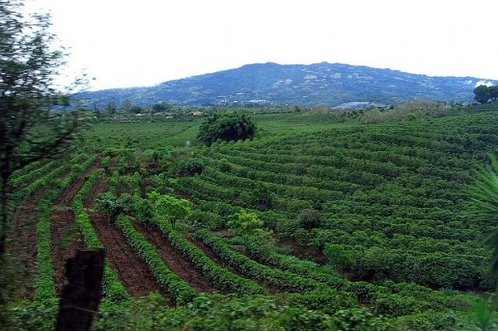
Costa Rica was the first country in Central America where coffee was introduced for cultivation, with a long history and a complete system from production to sales. Located on the Central American isthmus with numerous volcanoes, it enjoys the natural advantages of sunlight and soil. The climate is moderated by Pacific and Atlantic currents and sea breezes, producing coffee with the character of local microclimate terroir. In quality and quantity alike, Costa Rican coffee has consistently earned worldwide recognition and is rated among the world's finest.
Costa Rica's volcanic terrain provides fertile volcanic ash, moderate temperatures and stable, abundant rainfall, all of which have helped make coffee one of the country's main agricultural products. The seven major regions are Tarrazu, Tres Rios, Orosi, Central Valley, West Valley, Turrialba and Brunca.
Costa Rica has a long history of coffee cultivation, but over the past decade or so the innovative "dry" processing method has become a trend. Collectively known as "honey processing," this new method uses pulping machines to adjust how much pulp is removed, producing coffee with a "honey sensation" ranging from light to intense as the color progresses from light to dark (white, yellow-red-white, yellow-red-black), each with distinct acidity, complex aromas and richness.
The Herbazu processing plant is located in the Naranjo region of the West Valley. The region is highly renowned, and the plant not only has its own coffee plantation but also provides processing services for nearby estates and small farmers.
Flavor Profile
Brown sugar, floral notes, almond, black tea, orange and sweet spice, moderate acidity, a syrupy mouthfeel and an excellent finish.
FrontStreet Coffee Recommendation
Honey processing is what gives this coffee its syrupy sweetness, and FrontStreet Coffee's Strawberry Candy blend is built on exactly that idea, pairing a Costa Rican honey-processed coffee with a washed Panamanian Gesha for delicate florals and sweet fruit. Brewed on a V60, it works for pour-over, moka pot, espresso and cold brew alike. If you would rather explore the floral, fruit-forward side of the V60, FrontStreet Coffee's Guodingding cooperative and its Flower Queen from Guji both reward the same gentle, three-stage pour.
Important Notice :
FrontStreet Coffee is a long-established specialty coffee roaster in Guangzhou China, selling freshly roasted beans from its own farm in Yunnan as well as dozens of carefully selected single-origin beans from around the world for both pour-over and espresso. The products deliver consistently excellent quality and great value, with shipping within 24 hours. Guangzhou's FrontStreet Coffee shop is recommended by many coffee lovers, and the beans are now available online at the Tmall 。
FrontStreet Coffee has moved to a new address:
FrontStreet Coffee Address: 315,Donghua East Road,GuangZhou
Tel:020 38364473
 Scan and follow the En Gafei WeChat official account. Please indicate that the reprint comes from "En Gafei".