V60 Pour-Over Parameters for Costa Rica Tarrazu Oties Geisha with Yellow Honey Processing
Here is a tested V60 recipe for this yellow honey Geisha: dose 15g of coffee, ground medium-fine (equivalent to a 3.5 setting on a Fuji ghost-tooth burr grinder), brewed in a V60 dripper with water at 91-93°C. Start the timer and pour 30g of water to bloom for 27 seconds. Then pour up to 105g and pause; wait until the water level in the coffee bed has dropped to about half before pouring again. Continue pouring slowly and gently until you reach 225g in total, then discard the last trickle. The water-to-coffee ratio is 1:15, with a total extraction time of 2:00.
Costa Rica Tarrazu Honey Geisha
Country: Costa Rica
Grade: SHB
Region: Tarrazu
Roast Level: Light roast
Processing Method: Honey process
The Honey Processing Method
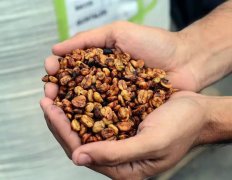
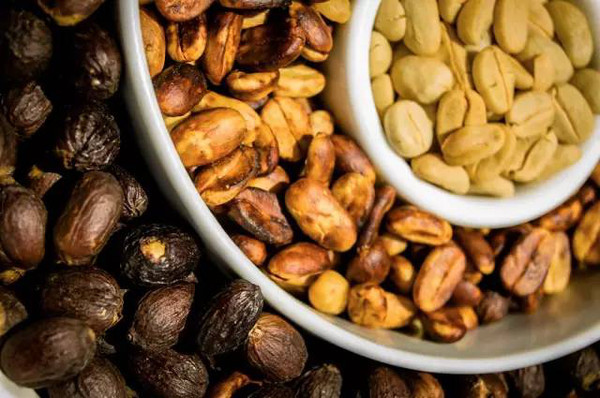
After the skin and pulp are removed, the beans are dried with their mucilage still attached. What separates the different honey processes is precisely this remaining mucilage: how much of it is kept, how long the drying takes, and how the drying is done.
Characteristics of the Honey Process
Coffee cherries are measured for sugar content at harvest, and only cherries reading 21-22% sugar are selected. What also sets the honey process apart from other methods is the requirement to dry on raised African beds. If the beans are dried directly on cement or bare soil, they can easily be scratched during turning, which invites bacterial infection; direct ground drying can also pass earthy flavors on to the beans.
Flavor Differences Between Honey and Washed Processing
Compared with washed coffee, honey-processed coffee shows higher sweetness and sugar content, and relatively more body at the same roast level.
Honey-processed beans also need good ventilation while drying; otherwise the retained mucilage layer can easily ferment or mold and produce off-flavors.
The honey processes most commonly seen are yellow honey, red honey, and black honey.
Variety: Geisha
Processing Mill: Oties Rock Processing Mill
Flavor: Floral tea, rosehip, and green grape notes
Costa Rica's honey processing method is unique, and it is precisely this style of bean that prompted a closer look at how the country's honey process actually works.
Introduction to Oties Rock Estate
Oties Rock Processing Mill is a relative newcomer among Costa Rican estates. The family cooperative was founded in 1994, but it was not until 2005 that they built their own mill, which by now has 17 years of history. Oties Rock Processing Mill sits roughly 5km north of the town of San Marcos in Tarrazu. Beneath it are ten coffee estates, including the Yanuo Estate, spread across hillsides at elevations of 1500-2000 meters, all graded SHB, the highest grade.
Oties Rock 2000m Estate Geisha - Golden Honey Process
Flavor: The dry aroma is a delicate spring-tea fragrance laced with hints of orange peel and chocolate. As the cup cools, floral tea, rosehip, and green grape notes emerge one after another, followed by juicy lemon and peach sweetness and a finish of orange-zest chocolate.
FrontStreet Coffee Recommendation
If this Costa Rican honey Geisha intrigues you, FrontStreet Coffee carries a range of Geishas worth exploring. Panama's Esmeralda Estate made the variety famous: the Red Label (Esmeralda Special) grows at 1600-1800 meters, must cup above 90 points, and each traceable batch comes from a single plot, while the Green Label (Private Collection) blends lots from several high-altitude plots for a more affordable take on the classic orange-blossom honeyed Geisha profile.
For an entry-level option, FrontStreet recommends the Panama Boquete Geisha, which delivers the classic Panamanian profile of orange-scented sweetness, oolong-tea texture, and delicate fruity acidity at a friendlier price. From Ethiopia, the Geisha origin, FrontStreet offers the Geisha Village Gold Label (Geisha 1931, 10% of the estate's output, meticulously natural-processed) and Red Label (Gori Gesha, 15% of output, scoring 88 or above on the SCA 100-point scale), plus the Genlana Estate Geisha from Yirgacheffe, a medium-light roast with bright citrus acidity, ginger-flower aroma, and full ripe-fruit sweetness.
For brewing Geisha, keep it medium-light: the dense beans tend to sink and clog the dripper, so grind a little coarser (about 78% pass through a No. 20 sieve, roughly fine-granulated sugar), use water at 91°C, and try FrontStreet's three-pour V60 method: 15g of coffee at a 1:16 ratio, bloom with 30g of water for 30 seconds, pour to 125g, then finish at 225g for a total extraction of 2:10-2:20.
Important Notice :
FrontStreet Coffee is a long-established specialty coffee roaster in Guangzhou China, selling freshly roasted beans from its own farm in Yunnan as well as dozens of carefully selected single-origin beans from around the world for both pour-over and espresso. The products deliver consistently excellent quality and great value, with shipping within 24 hours. Guangzhou's FrontStreet Coffee shop is recommended by many coffee lovers, and the beans are now available online at the Tmall 。
FrontStreet Coffee has moved to a new address:
FrontStreet Coffee Address: 315,Donghua East Road,GuangZhou
Tel:020 38364473
 Scan and follow the En Gafei WeChat official account. Please indicate that the reprint comes from "En Gafei".