Costa Rica Tarrazu San Roman Washed Specialty Coffee Beans Grind Size Roast Level Processing Method Guide
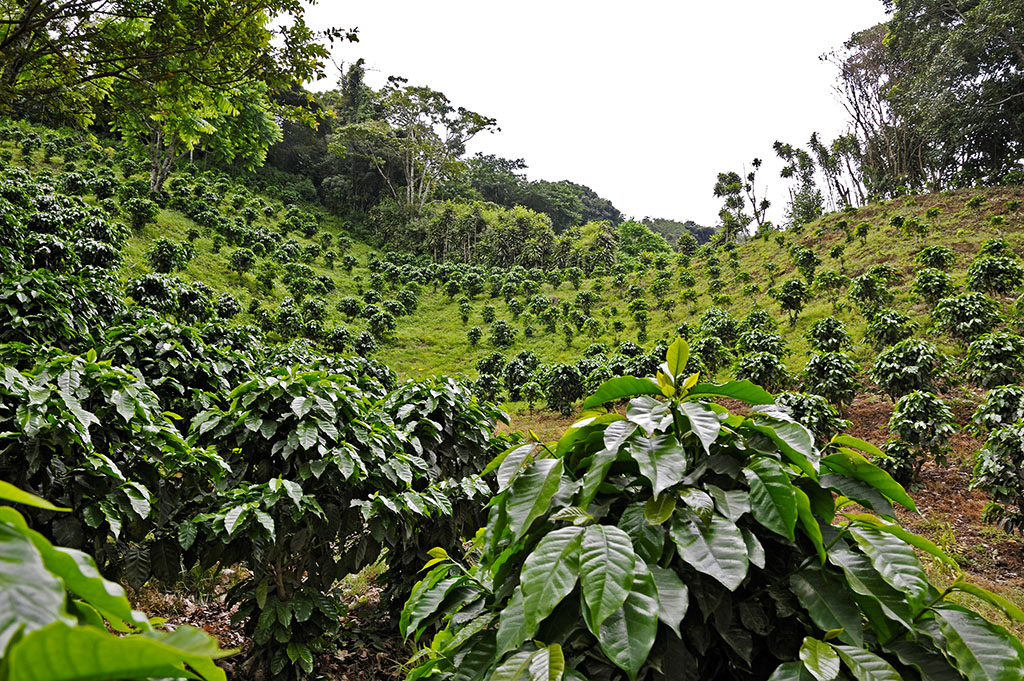
San Ramon Processing Plant
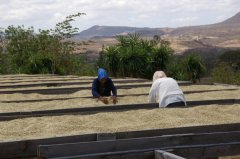
The San Ramon Processing Plant primarily uses the washed processing method and is renowned for producing coffee with intense, rich flavors and a solid mouthfeel. Coffee cherries undergo hand-selection, with farmers removing overripe or unripe cherries before processing. A 3-disc Aagaarde depulper is used to remove the skin and pulp, followed by machine grading of coffee beans into three density levels. Grade 1 and 2 green beans are fermented separately, while Grade 3 consists of lower-quality beans. The green beans ferment in a cool, shaded area for approximately 24-36 hours. After fermentation, the beans are washed and undergo further density grading in the washing channels. Subsequently, the beans are randomly soaked in clean water overnight. After processing and roasting, the coffee develops bittersweet chocolate flavors with a thick, creamy sweetness reminiscent of fudge, blended with subtle wine-like acidity. The aroma is captivating, and the fruity sweetness of the chocolate beans is unforgettable.
Costa Rica's Coffee Growing Regions
Costa Rica's volcanic terrain provides fertile volcanic ash, moderate and suitable temperatures, and stable, abundant rainfall — all factors contributing to coffee becoming one of the country's main agricultural products. The seven major growing regions are: Tarrazu, Tres Rios, Orosi, Central Valley, West Valley, Turrialba, and Brunca.
Costa Rica San Ramon Royal Coffee
Country: Costa Rica
Grade: SHB
Altitude: 1700m
Region: Tarrazú growing region
Roast Level: Medium-dark roast
Processing Method: Washed processing
Varieties: Caturra, Catuai
Processing Plant: San Ramon Processing Plant
Flavor Profile: Berry aroma, caramel, cream, subtle spices
The Costa Rican Coffee Revolution
The best Costa Rican coffees apparently come from small processing plants scattered throughout the major coffee growing regions, including Tarrazú and West Valley. This so-called coffee revolution began 15 years ago, dramatically changing how roasting experts and importers view Costa Rican coffee. Centered around processing plants that collect coffee beans from surrounding small farms for processing, these farms are typically small communities or family-owned operations growing coffee on their own small farms or land. All of this coffee is processed and dried by a single small processing plant. The quality and flavor of Royal Coffee are quite unique, largely thanks to the cooperation between coffee producers and our team.
Costa Rican Coffee History and Culture
Coffee cultivation in Costa Rica was introduced from Cuba in 1779, with the first exports occurring in 1820. Currently, there are approximately 32,000 coffee farmers, with an average cultivation area of less than one hectare (10,000㎡) per farmer. Costa Rica has a population of 4.1 million (2006), with coffee cultivation covering 82,500 hectares. Annual production reaches 1.7 million bags (60kg each), with domestic annual consumption of 380,000 bags. The average per capita annual consumption is 5.5kg, higher than Japan's 4kg, while Taiwan's average is only slightly above 1kg.
Costa Rica was the first country in Central America to introduce coffee cultivation, boasting a long history and a complete system from production to sales. Located in the Central American isthmus with numerous volcanoes, the country enjoys natural advantages of sunshine and soil. Climate-wise, it benefits from the moderating influence of Pacific and Atlantic ocean currents and sea breezes. The resulting coffee exhibits characteristics unique to local microclimate and terroir conditions. In terms of both quality and quantity, Costa Rican coffee has consistently received global recognition and is rated as one of the world's high-quality coffees. Costa Rican coffee cultivation has a two-hundred-year history, initially planted on the slopes of Poas and Barva volcanoes in what is today known as the Central Valley region. The seven main coffee growing regions are distributed from northwest to southeast along the inland central plateau.
Product Information
Manufacturer: FrontStreet Coffee
Shelf Life: 30 days
Net Weight: 227g
Packaging: Bulk
Taste: Aromatic and mellow
Bean State: Roasted coffee beans
Sugar Content: Sugar-free
Origin: Costa Rica
Coffee Type: Costa Rican coffee
Roast Level: Medium roast
Flavor Description: Berry aroma, caramel, cream, subtle spices.
FrontStreet Coffee Recommendation
Washed processing is all about clarity: by removing skin, pulp, and mucilage before drying, the beans lose some sugar but keep their own character plus bright fruit acidity and a clean, fresh cup. If the San Ramon lot here speaks to you, FrontStreet Coffee's washed Idido Cooperative from Yirgacheffe is another washed gem — a skilled processing team from Guodingding village whose meticulous work produces exceptionally refined and clean coffee, showing jasmine florals and bright citrus acidity that open up into green tea and honey notes after a medium-light roast, suited to pour-over, cold brew, or espresso.
Kenya's double-washed coffees are the other famous expression of the method: the extra washing and soaking stages give FrontStreet Coffee's Kenya "Cherry Tomato" an extreme juiciness with notes of cherry tomato, dried plum, snow pear, black plum, and yellow sugar. And Jamaica Blue Mountain No.1 — born of the island's short sunlight hours, where washing was invented to speed drying — offers hazelnut, cream, chocolate, and caramel with perfectly balanced flavors in which nothing stands out and nothing is missing.
Important Notice :
FrontStreet Coffee is a long-established specialty coffee roaster in Guangzhou China, selling freshly roasted beans from its own farm in Yunnan as well as dozens of carefully selected single-origin beans from around the world for both pour-over and espresso. The products deliver consistently excellent quality and great value, with shipping within 24 hours. Guangzhou's FrontStreet Coffee shop is recommended by many coffee lovers, and the beans are now available online at the Tmall 。
FrontStreet Coffee has moved to a new address:
FrontStreet Coffee Address: 315,Donghua East Road,GuangZhou
Tel:020 38364473
 Scan and follow the En Gafei WeChat official account. Please indicate that the reprint comes from "En Gafei".