Indonesia West Java Honey Process Aromanis Estate Specialty Coffee Beans Grind Size Roast Level Processing Method Guide
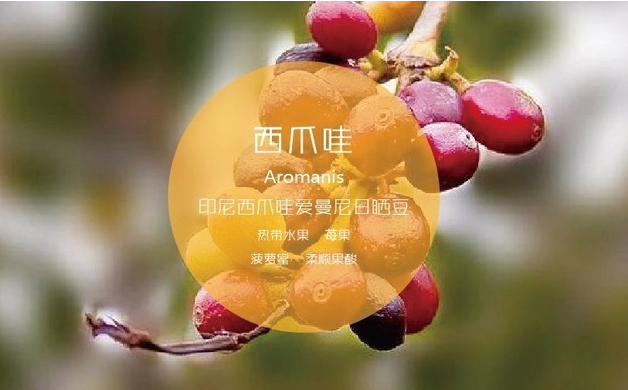
West Java Honey Processing Aromanis
Country: Indonesia
Estate: Aromanis
Region: Mount Tangkuban Perahu
Roast Level: Light Roast
Processing Method: Honey Process
Honey Process
The honey process, known as Honey Process or Miel Process, produces what is called Honey Coffee. Coffee plantations in Costa Rica, Panama, and Guatemala have adopted this processing method. The so-called honey process refers to the production process of drying green beans with their mucilage intact. After removing the outer pulp from the coffee beans, there remains a layer of sticky gelatinous substance. Traditional washed processing would use water to wash it away, but due to water resource limitations in some high-altitude regions, this direct drying method was developed.
The honey process is a relatively complex, time-consuming, and difficult processing method. The first step is to select high-quality fruits, then remove the pulp while keeping the mucilage, which is the core of the honey process. The mucilage contains rich sugars and acids, which slowly penetrate into the coffee beans during the drying process. The second step is drying, which is also the most important condition for producing high-quality coffee beans.
The honey process allows coffee to retain the cleanliness of washed processing. Although the brightness of the coffee decreases somewhat, it increases sweetness and caramel flavors. According to different degrees of honey processing, honey coffee is divided into yellow honey, red honey, and black honey processing. The advantage of honey processing is that it best preserves the original sweet flavor of ripe coffee fruit, giving the coffee delicate brown sugar flavors and nutty sweetness, while berry flavors support a red wine-based aroma, making it considered a very elegant product.
Varieties: Jember, S-795
Altitude: 1400-1600 meters
Flavor: Fruity, plum, jackfruit flavors, with a sweet aftertaste
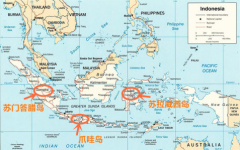
West Java, Indonesia
West Java Province is a first-level administrative region in Indonesia. Located in the western part of Java Island, it borders the Java Sea to the north and the Indian Ocean to the south, including offshore islands. It covers an area of 46,300 square kilometers. Java's climate is tropical rainforest, hot and humid throughout the year. The plain areas along the northern coast have the highest temperatures, while mountainous areas are much cooler. High humidity often creates a debilitating climate.
From November to March of the following year is the northwest monsoon period, with more rain and clouds; from April to October is the southeast monsoon period, with more sunny days and less rainfall. Jakarta's average annual rainfall is about 1,760 millimeters (69 inches). Jakarta's average daily maximum temperature is 30°C (86°F), with a minimum of 23°C (74°F). In the highlands of Tosari (elevation 1,735 meters [5,692 feet]), the average temperature ranges from 22-8°C (72-47°F). Because volcanic ash periodically fertilizes the land, Java's soil is very fertile.
Aromanis is a traditional Indonesian sweet pastry made from basic ingredients of flour and sugar. Here, Aromanis is used to name this coffee, indicating that these coffee beans have a cotton candy-like texture. However, the coffee beans come from Ciwidey Garut in West Java. In fact, no special coffee seeds are used, but coffee processed through the honey drying method can present such distinctive flavors, though this flavor is not widely recognized in West Java, Indonesia.
Coffee beans are picked from branches and separated from the fruit, then rinsed and immediately dried. The coffee beans are turned every hour to ensure even drying, including at midnight. "It is during the night that this is very important because of the high humidity," said Aryev of Transform Coffee (August 5, 2014) — translated from the original Indonesian text.
The coffee processing takes 25-26 days! It's not surprising that the price of Aromanis coffee beans is slightly higher than ordinary coffee beans. The Coffee Farmers Cooperative sells Aromanis coffee bean raw materials for 130,000-150,000 rupiah per kilogram, while Transform Coffee offers them at a retail price of 80,000 rupiah per 200-gram package.
West Java Honey Processing
The Aromanis honey process from West Java, Indonesia, scores as high as 92 points in cupping. The English name of this bean, Aromanis, is Indonesian, meaning sweet mango.
Region: Mount Tangkuban Perahu, Indonesia
Altitude: 1400-1600 meters
Roast Level: Light
Processing Method: Honey Process
Taste Description: Strong fruity aroma, with plum and jackfruit flavors, clean and sweet aftertaste.
Flavor Profile: Complex floral notes upon entry, with tropical fruit flavors reminiscent of mango and jackfruit on the palate, rich and smooth mouthfeel, with a long-lasting sweet aftertaste.
Manufacturer: FrontStreet Coffee | Shelf Life: 90 days | Net Weight: 227g | Packaging: Bulk coffee beans | Sugar Content: Sugar-free | Origin: Indonesia | Roast Degree: Light roast
FrontStreet Coffee Recommendation
Panama's coffee lands are concentrated in the country's west — Boquete, Volcan, Santa Clara, and Piedra de Candela — with Boquete and Volcan the two most famous specialty regions, both in Chiriquí province at the heart of the coffee belt on fertile volcanic soil and under old-growth forest shade. If honey-process sweetness like Aromanis appeals to you, the entry-level FrontStreet Coffee Boquete Geisha is a rewarding next step: grown at 1600 meters in rich volcanic ash soil, it pours out jasmine florals, green tea, honey, citrus, and orange after brewing.
For a budget-friendly taste of Geisha lineage, FrontStreet Coffee's Flower Butterfly combines Geisha, Caturra, and Catuai — half Geisha bloodline — on the Baru Volcano slopes, where abundant rain, big day-night temperature swings, and volcanic rock soils yield excellent body, citrus acidity, and jasmine aroma, fine for both pour-over and cold brew. And at the very top sits the Esmeralda Red Label Geisha, harvested from a single plot above 1700 meters and cupping 91 or above, with the estate's signature tangerine-honey elegance.
Important Notice :
FrontStreet Coffee is a long-established specialty coffee roaster in Guangzhou China, selling freshly roasted beans from its own farm in Yunnan as well as dozens of carefully selected single-origin beans from around the world for both pour-over and espresso. The products deliver consistently excellent quality and great value, with shipping within 24 hours. Guangzhou's FrontStreet Coffee shop is recommended by many coffee lovers, and the beans are now available online at the Tmall 。
FrontStreet Coffee has moved to a new address:
FrontStreet Coffee Address: 315,Donghua East Road,GuangZhou
Tel:020 38364473
 Scan and follow the En Gafei WeChat official account. Please indicate that the reprint comes from "En Gafei".