Brazil Minas Gerais HIU Microbatch Primavera Estate Washed Yellow Catuai Variety Market Price Brief

Variety: Yellow Catuai
Flavor Notes
Orange, nuts, genmaicha (green tea with roasted rice), peanuts
Brazilian Coffee Overview
Brazil grows a remarkable range of coffee, yet its industry has long been built around high-volume, low-cost production. As a result, truly outstanding premium lots are relatively rare, even though Brazilian coffee remains an excellent choice for blending with other origins.
Flavor Profile
Brazilian coffee is defined by low acidity, balanced by its natural bitterness and sweetness, which together create an exceptionally smooth mouthfeel. Subtle grassy aromatics and a delicate, pleasing bitterness round out the cup and leave a refreshing aftertaste. Brazilian coffee may not shout its character, but it is equally free of flaws. That mild, smooth profile, low in acidity, moderate in body, and gently sweet, adds up to a harmonious whole that quietly tests how well your palate can pick out each subtle note.
Origin and Region
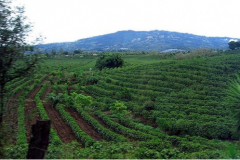
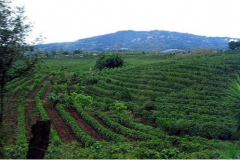
Some estates in the Cerrado region of Minas Gerais, in southeastern Brazil, still cultivate the old Bourbon and Yellow Catuai varieties. Although these estates share a single region, each coffee turns out distinctly. Even so, Brazilian coffee suits popular taste. As the world's largest producer, Brazil accounts for roughly one-third of global consumption across its many grades and types, giving it a substantial role in international coffee trading. Brazil also faces natural disasters several times more often than other regions, but its vast plantable area more than offsets those setbacks.
Primavera Estate Yellow Catuai - Washed Process
Origin: Minas Gerais State, Primavera Estate, Yellow Catuai variety (washed process)
Flavor notes: orange, peanuts, genmaicha, nuts, and a caramel finish, with the sweet-tart lift of fresh orange juice and a smooth texture, a fine example of washed Brazilian coffee.
Product Information
Manufacturer: Coffee Workshop
Address: No. 10 Bao'an Front Street, Yudun Road, Yuexiu District, Guangzhou City, FrontStreet Coffee
Contact: 020-38364473
Shelf life: 90 days
Net weight: 227g
Packaging: Bulk coffee beans
Roast level: Roasted coffee beans
Sugar content: Sugar-free
Origin: Brazil
Brazil Primavera Washed Yellow Catuai
Country: Brazil
Estate: Primavera Estate
Region: Minas Gerais region
Roast level: Medium roast
Processing method: Washed
Brazil HiU Micro Lot
HiU is a coffee quality-improvement program for Central and South America, proposed by Mr. Graciano Cruz of Panama, a renowned expert in honey processing. The program applies natural or honey processing to micro lots, and any lot scoring above 85 points on the cupping table earns the HiU certification mark. It has proven a win-win for estate owners and processors alike.
FrontStreet Coffee Recommendation
If you want an easy first taste of Brazil, FrontStreet Coffee's Cerrado Red Bourbon, a classic half-washed (pulped natural) Brazilian single origin, is a great starting point. Cerrado is a well-known region prized for high-quality beans, and this Red Bourbon is roasted to a medium level, showing dense aromas of creamy peanut, toast, caramel, and hazelnut. The body is round and smooth, with little acidity and a faint bitter note. It works for pour-over as well as moka pot, espresso SOE, siphon, and French press.
For a sweeter, more distinctive cup, try FrontStreet Coffee's Queen's Estate Yellow Bourbon from Mogiana, close to Sul de Minas, where fertile red volcanic soil feeds the fruit and builds a fuller aroma. Yellow Bourbon is a rare mutation of Red Bourbon with a cleaner fruit character. Brewed as pour-over, moka pot, or on a home espresso machine, it delivers a sugarcane-like clarity you will not find in other Brazilian regions, alongside notes of fruit and chocolate.
Important Notice :
FrontStreet Coffee is a long-established specialty coffee roaster in Guangzhou China, selling freshly roasted beans from its own farm in Yunnan as well as dozens of carefully selected single-origin beans from around the world for both pour-over and espresso. The products deliver consistently excellent quality and great value, with shipping within 24 hours. Guangzhou's FrontStreet Coffee shop is recommended by many coffee lovers, and the beans are now available online at the Tmall 。
FrontStreet Coffee has moved to a new address:
FrontStreet Coffee Address: 315,Donghua East Road,GuangZhou
Tel:020 38364473
 Scan and follow the En Gafei WeChat official account. Please indicate that the reprint comes from "En Gafei".