Advancing for Coffee Beginners: 3 Steps to Teach You How to Appreciate Single-Origin Coffee
Understanding Coffee Tasting: A Comprehensive Guide
Tasting is really a hybrid sensory experience that draws on several senses at once: taste, smell, touch, vision (research shows vision can bias taste), and even hearing—your perception is easily swayed by others' subjective opinions. There are plenty of authoritative standards for judging coffee quality, but we have simplified them to help beginners get up to speed. In short, for a beginner tasting a cup of single-origin coffee, appreciation comes down to three steps.

Step 1: Aroma
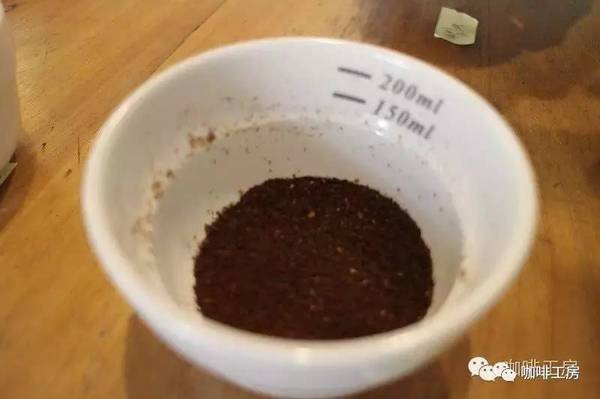
Dry aroma: Bring freshly ground coffee close to your nose and mouth and you will notice how different origins smell different—Latin American coffees tend toward nutty, dark-chocolate notes, while African coffees lean floral and fruity.
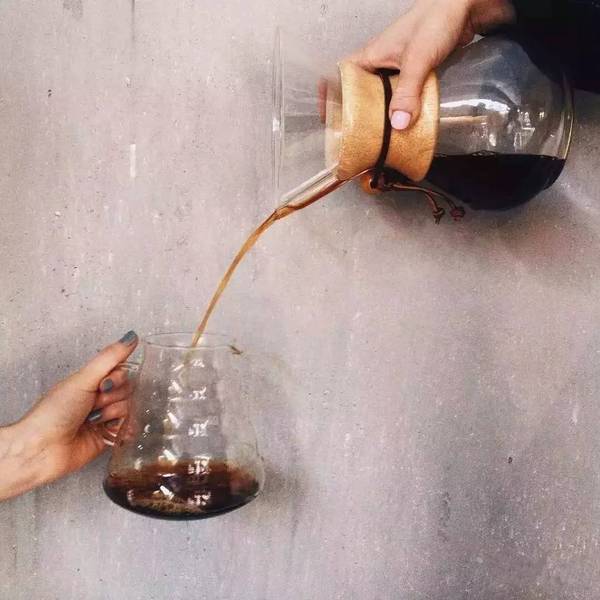
Wet aroma: Pour the brewed coffee into a cup, close your eyes, and smell slowly. You might pick up nut, chocolate, fruit, or floral scents.
One common misconception about tasting food is that the tongue can smell. It cannot: aromas must travel into your nasal cavity before you can fully perceive a food's character.
Poor quality: industrial flavorings, decayed odors, earthy notes, and the like.
High quality: rich notes of wine, florals, and fruit. Whether it is the dry aroma of the grounds or the wet aroma after brewing, a good coffee rewards your nose at every stage.
Step 2: Flavor
Once the coffee enters your mouth, you can begin to taste its flavors. Many enthusiasts—especially those just starting out—feel the coffee never tastes as good as it smells. True: identifying flavors in liquid takes practice, but with time the individual notes emerge.
The other key skill is learning to separate a coffee's sweetness, saltiness, acidity, and bitterness.
Body is the mature, mellow, weighty feel the liquid expresses. A glass of water tastes of nothing and is not viscous; espresso, rich in oils, has real thickness. A coffee with good body holds its aroma in the mouth longer and gives a more extended finish.
Body shapes not just your overall impression but also how completely the coffee's aromatics are released. Most cuppers and consumers cannot say precisely which mouthfeels are good and which are bad—but everyone knows which they like. In our view, judgments of body are personal.
Sweetness
Poor quality: bitter-melon-like, excessively bitter and astringent.
High quality: sweetness like sucrose, brown sugar, or caramel, with a mouth-watering sensation.
Tasting notes: a sweet coffee is like a fruit—coffee beans contain sugars, and even a black coffee will show sweetness behind the acidity or bitterness. Different beans carry different degrees of lingering sweetness; there is no better or worse, only preference. But if the aftertaste turns dry and astringent, that signals poor bean quality.
Cleanliness
Poor quality: many jumbled, conflicting flavors.
High quality: a pure, fresh taste.
Tasting notes: a coffee's astringency does not need to be eliminated, only managed—and how much restraint you want is personal. What matters for cleanliness is that no chaotic or outright negative flavors clutter the cup.
Bitterness
Poor quality: bitterness at the root of the tongue, a coarse, raw "bitterness."
High quality: a dark-chocolate-like bitterness.
Tasting notes: specialty coffee should never taste of plain "bitterness." What we call bitterness in a good cup is the pleasant edge within nut, dark chocolate, and caramel flavors.
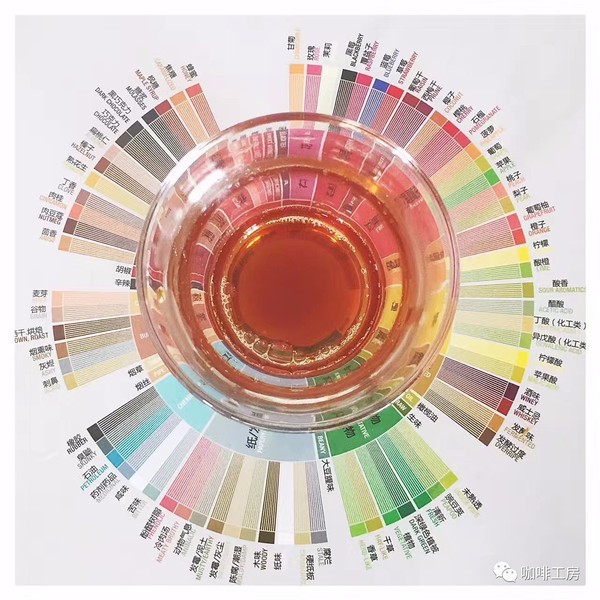
Acidity
Poor quality: rotten sourness, sharp, piercing acidity, mouth-puckering, vinegar-like.
High quality: fruity, fresh, rounded, gentle acidity.
Tasting notes: "sweetness is easy; good acidity is rare." In quality coffee the acidity is contained within the cup—not loud or sharp. Fine coffees are rich in organic acids, expressing citrus, berry, and other fruit-like notes. The quality of the acidity is one of the most important markers of specialty coffee.
Saltiness
Tasting notes: saltiness takes many forms. The aroma can evoke heavily salted foods—the smell of a dish over-salted in the pan, or the bottom-of-the-cup scent reminiscent of salty snacks like shrimp crackers and rice crackers. On the palate it is simply the taste of salt.
Brewing pour-over or espresso, you will occasionally both taste and "smell" saltiness (here meaning the aroma after grinding), and in espresso it usually shows more clearly.
Because of how taste receptors are distributed, acidity and saltiness are easily confused, and a flawed acidity can be hard to tell from saltiness—though it is not the same as actual salt. A few beans, though, show a genuinely pronounced salinity very close to sea salt.

Step 3: Perceiving the Aftertaste
The final element of tasting is the aftertaste—the sensation that lingers in the mouth and throat after swallowing. Some aftertastes are long and clear; others brief and vague. A relatively long, clear finish is the mark of higher-quality green beans.
Single-origin coffees from different regions taste different from one another, and that diversity is what keeps coffee endlessly fascinating: the world's coffees form a rich garden of taste.
Acidity-forward Recommendations

Honey Language (washed, light roast)
Why it's here: an Ethiopian washed Sidamo G1 micro-lot.
Flavor: wild ginger flower, bergamot, blackcurrant, and rich aromas of various tropical fruits.

Panama Butterfly (70% Geisha content)
Why it's here: 70% Geisha content at an extremely accessible price.
Flavor: tea aroma, honey, berries—the classic Esmeralda Geisha taste.
Bitterness-forward Recommendations

Indonesia Sumatra Golden Mandheling
Why it's here: rich body, the sweetness and cleanliness of Golden Mandheling, and its intense, wild spice flavors—slightly superior to standard G1, which is one reason Golden Mandheling commands a higher price.
Flavor: toasted bread, nuts, pine, caramel, herbs.
Sweetness-forward Recommendations

Costa Rica Black Honey
Why it's here: exceptional sweetness.
Flavor: preserved plum, honey, brown sugar.
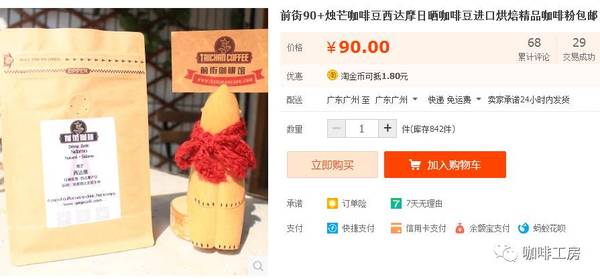
Candlelight (natural, light roast)
Why it's here: the processing is the specialty of Project 90+, where coffees are separated by variety, microclimate, and harvest timing, tasted one by one, with processing methods purpose-designed for each flavor target—approaching the craftsmanship of a designed work of art.
Flavor: berries, florals, grapes, and rich aromas of various tropical fruits.

The Final, Most Scientific Method Is:
Drink coffee.
Drink coffee.
And... drink coffee!
FrontStreet Coffee Recommendation
If florals are what you are hunting for, FrontStreet Coffee has a shortlist. The washed Yirgacheffe Idido Cooperative lot carries the classic washed Yirgacheffe profile—white-flower sweetness and bright citrus acidity, a floral note close to jasmine, and a green-tea finish; brewed as pour-over it shows clear floral-fruity tones, lifting lemon acidity, and honeyed sweetness, and it also makes a superb cold brew, since cold extraction draws out more of the light, small aroma molecules for an iced coffee as refreshing as fruit tea. The natural Flower Queen (Hua Kui) owes its standing as one of China's premier specialty coffees to its creamy strawberry flavor—the mature cherries' sun-drying builds rich sweet aromas—and its silky entry evokes light orange blossom over the juicy sweet-sour of guava, mango, and other tropical fruits. For a blend that layers rather than isolates, Strawberry Candy combines honey-processed Costa Rica with washed Panama Geisha: raisin, orange, and ripe blueberry aromas, a rose-like closed sweetness, and a whisper of almond in the finish—rich and versatile across pour-over, cold brew, home espresso, moka pot, and clever dripper. Mozart, from honey-process specialist Costa Rica, uses a distinctive raisin-honey process—brief fermentation of peeled cherries before drying—yielding dried fruit, ripe pineapple, and sweet orange, with an osmanthus fragrance that blooms as hot water is poured; fragrant and gently sweet, ideal for cold brew and iced pour-over. Finally, the Boquete Geisha comes from Panama's famous Boquete town, home to storied estates such as Esmeralda and Elida, and shows the classic orange-blossom-honey character: white coffee-flower fragrance, citrus, melon, and honey with a hint of caramel—a coffee that lingers in memory long after the cup is empty.
Important Notice :
FrontStreet Coffee is a long-established specialty coffee roaster in Guangzhou China, selling freshly roasted beans from its own farm in Yunnan as well as dozens of carefully selected single-origin beans from around the world for both pour-over and espresso. The products deliver consistently excellent quality and great value, with shipping within 24 hours. Guangzhou's FrontStreet Coffee shop is recommended by many coffee lovers, and the beans are now available online at the Tmall 。
FrontStreet Coffee has moved to a new address:
FrontStreet Coffee Address: 315,Donghua East Road,GuangZhou
Tel:020 38364473
 Scan and follow the En Gafei WeChat official account. Please indicate that the reprint comes from "En Gafei".