Nicaragua Coffee Origin & Flavor Profile: Aromatic Notes of Pour-Over Nicaragua Coffee
Nicaragua offers outstanding growing conditions. Its fertile volcanic soil is ideal for cultivating high-quality coffee, and the cup tends to be well-rounded and balanced, with an acidity that never turns overly sharp. Historically, however, wars and hurricanes kept many farms from operating continuously, which made it hard for green bean buyers to trace a coffee back to a single farm. Only after 2003 did those obstacles gradually fade and Nicaragua's coffee quality improve markedly. The country's transport infrastructure has advanced a great deal as well, allowing more premium coffee to reach the market.
According to FrontStreet Coffee, Nicaragua experienced a coffee boom between 1840 and 1940, and coffee became the country's main export crop. Strong government backing drew foreign companies in to invest and acquire land, and many large plantations appeared.
The picture changed when the dictator Somoza built coffee cooperatives from 1936 to 1979 and was then overthrown by the Sandinista National Liberation Front. Nicaragua entered a socialist era in 1979, and the coffee trade took a severe hit.
Seeking to topple the new government, the CIA backed the Contras, who attacked coffee workers' vehicles and destroyed processing plants. The resulting social upheaval dealt Nicaragua's coffee industry another heavy blow. Even so, coffee remained the country's most important export cash crop. Entering the 21st century, the industry faced a new set of challenges: a sharp fall in coffee prices between 1999 and 2003, hurricanes, and the millennium drought.
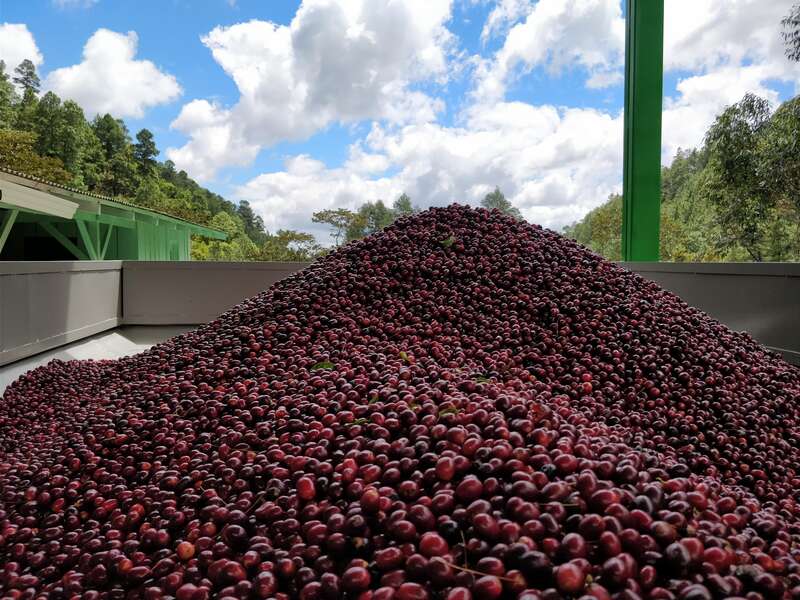
Today Nicaragua has roughly 40,000 coffee farmers. Because money for fertilizer is scarce, many coffee trees are cultivated organically. Farmers have also started paying close attention to quality and to keeping traceability records, so the origin of the coffee can be verified. All of this points to a gradual recovery for Nicaraguan coffee.
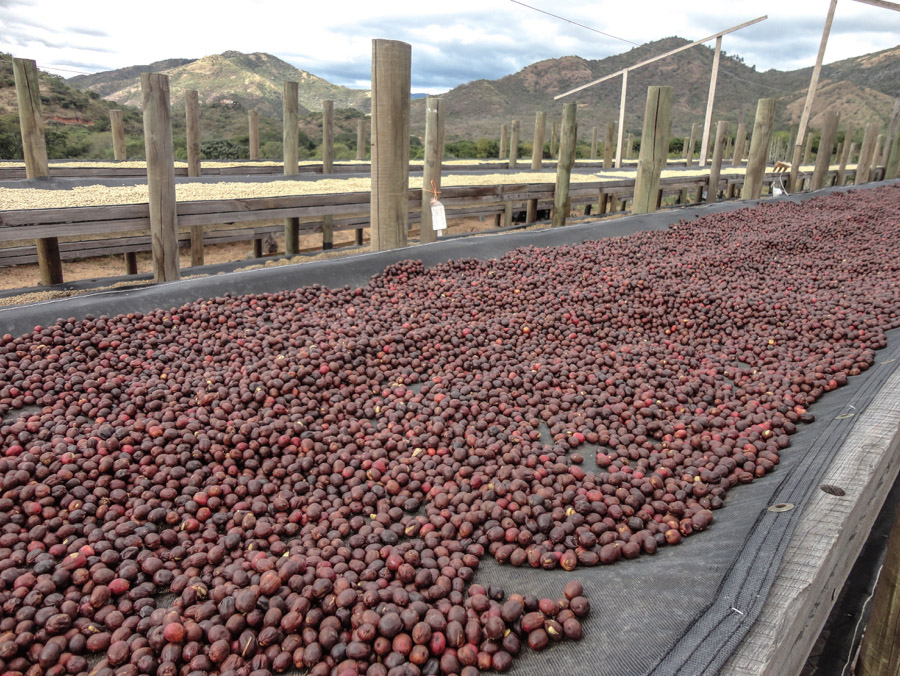
Nicaragua Coffee Grading System
Strictly High Grown (SHG): 1500-2000 meters
High Grown (HG): 1300-1500 meters
Medium Grown (MG): 1000-1300 meters
Low Grown (LG): 500-1000 meters
Nicaragua Coffee Regions
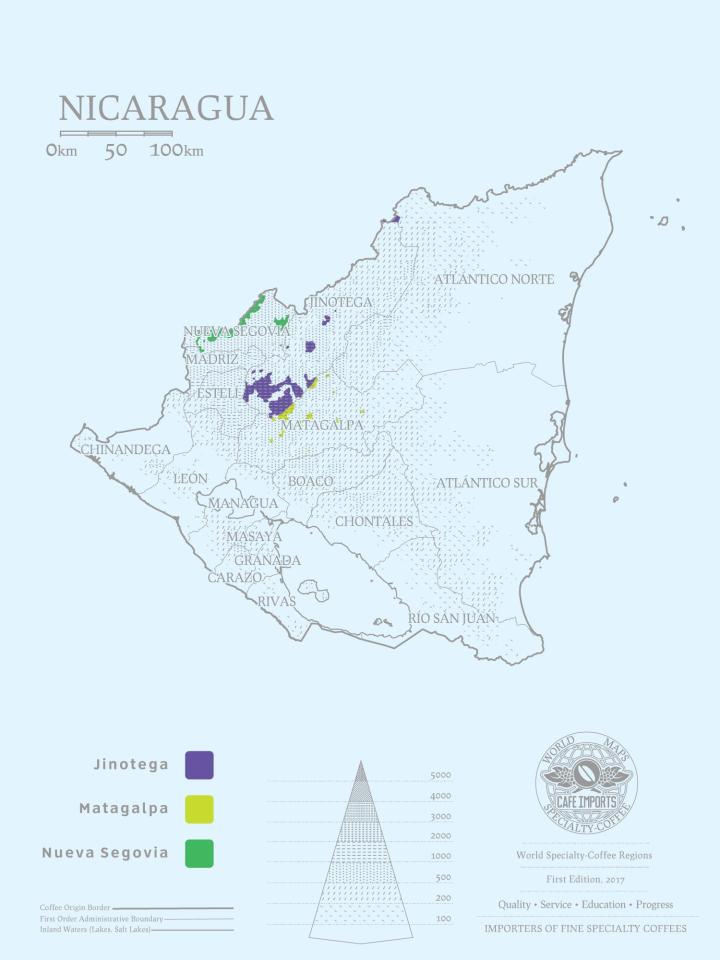
Nicaragua sits in the middle of Central America, bordered by Honduras to the north and Costa Rica to the south, with the Caribbean Sea to the east and the Pacific Ocean to the west. Its total area is 130,400 square kilometers, making it the largest country in Central America. The north is highland, the east is a coastal plain of jungle and swamp on low, flat ground, and the west is a coastal lowland with many volcanoes and lakes lying to the east of it.
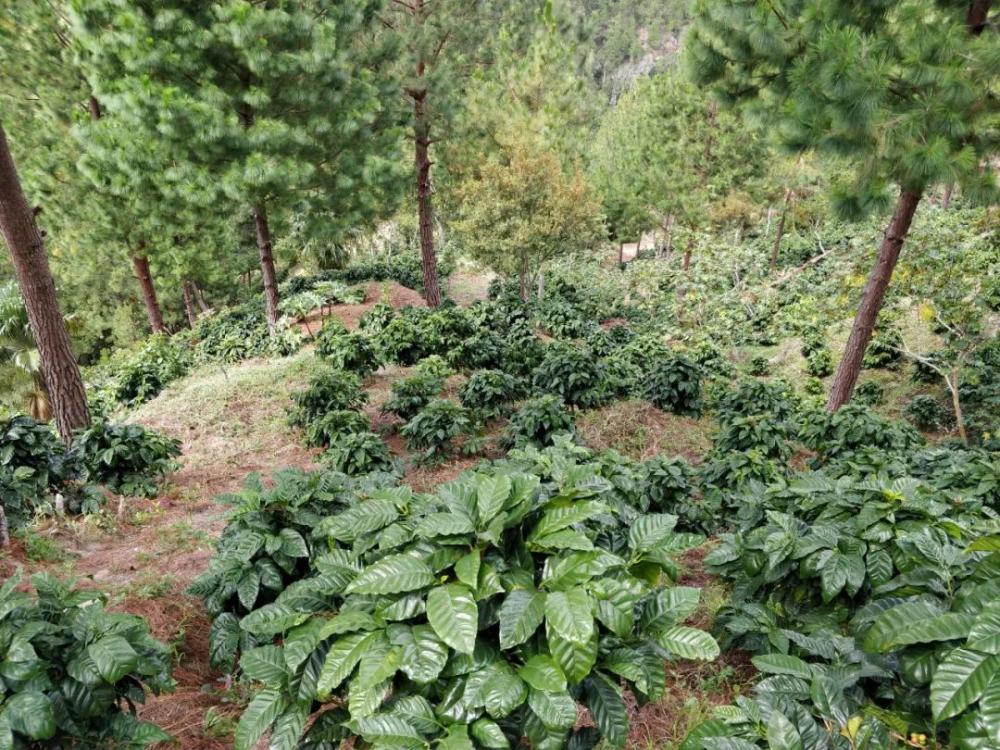
Nicaragua is divided mainly into four producing regions: Nueva Segovia, Matagalpa/Jinotega, Boaco, and the Pacific region. FrontStreet Coffee's Nicaragua coffee comes from the Beneficio La Bendición estate in the Nueva Segovia region.
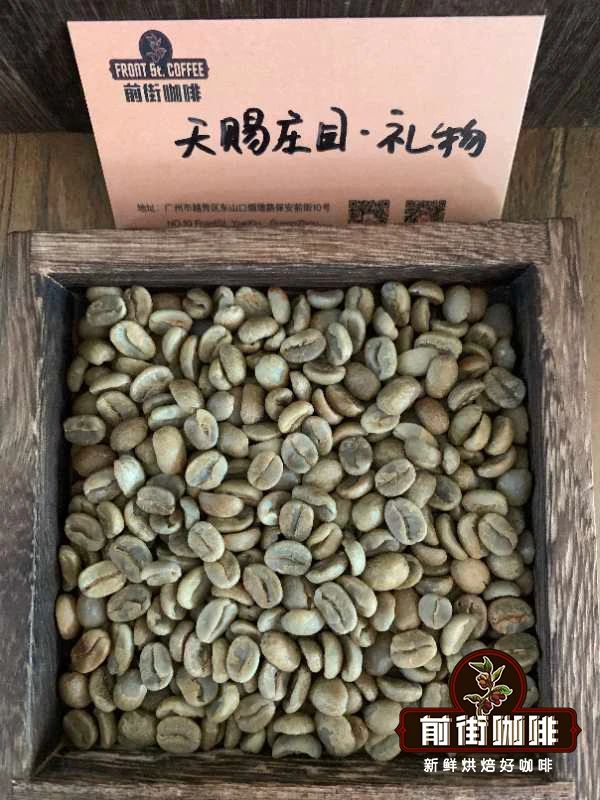
FrontStreet Coffee: Nicaragua Regalo Coffee Beans
Region: Nueva Segovia
Estate: Beneficio La Bendición
Altitude: 1450-1700 meters
Variety: Red Catuai
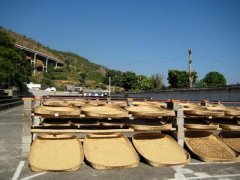
Processing: Natural
Flavor: Berries, Caramel, Grapefruit
FrontStreet Coffee Brewing Recommendations
For pour-over brewing, FrontStreet Coffee has always treated the freshness of the beans as critical, because fresh coffee is what lets you taste the full range of flavor. Beans shipped by FrontStreet Coffee are roasted within 5 days, since freshness has a major influence on the cup.
FrontStreet Coffee's roasting philosophy is "Freshly Roasted Good Coffee," which ensures that every customer who places an order receives the freshest beans possible. Coffee is usually rested for 4-7 days, so by the time your order arrives the beans are right at their peak. That said, from the standpoint of learning about coffee, it is fine to brew even before the rest period is complete, because doing so lets you follow the aromas as the beans evolve.
FrontStreet Coffee's Brewing Parameters for Nicaragua Regalo Coffee Beans
Dripper: V60 #01
Water Temperature: 90-91°C
Coffee-to-Water Ratio: 1:15
Grind Size: Medium-fine (80% pass-through rate with China #20 standard sieve)
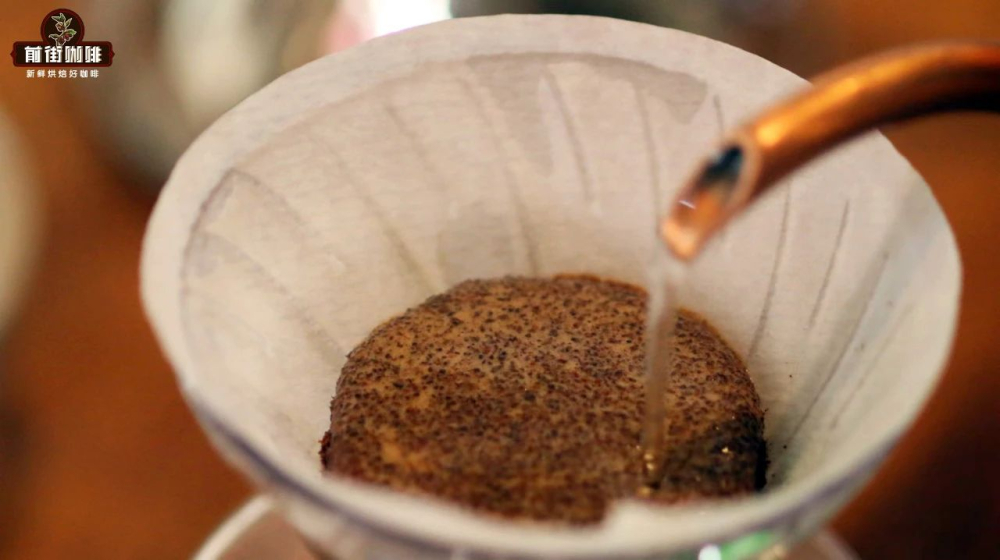
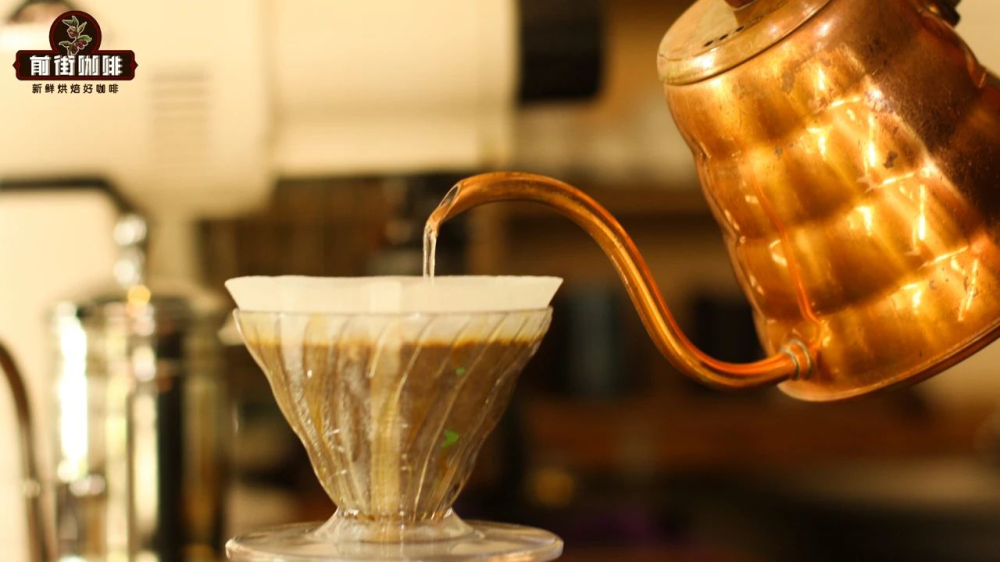
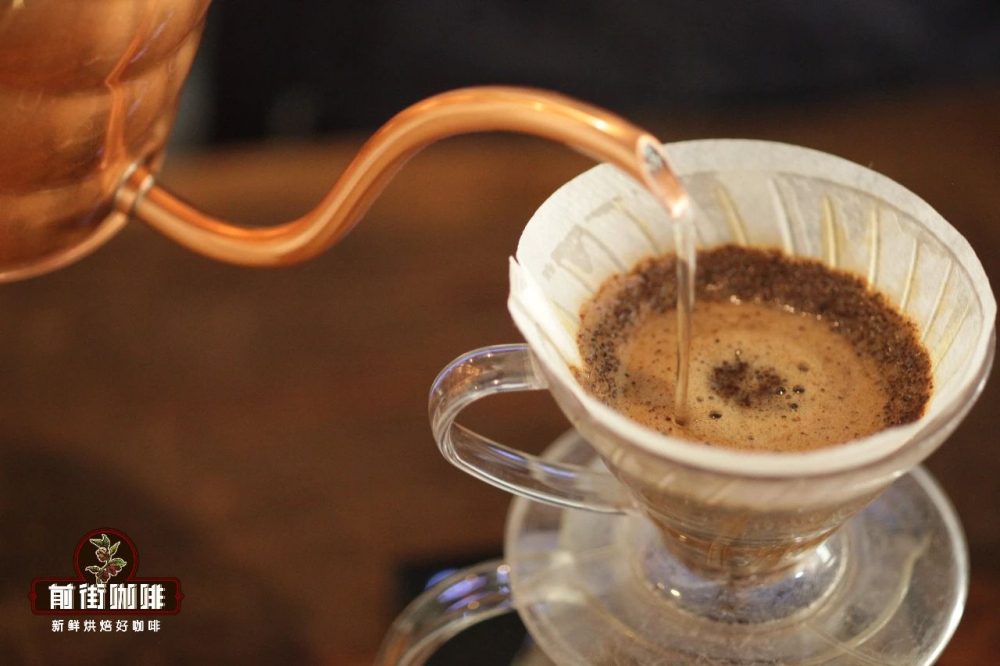
The brewing method uses a three-stage extraction. Bloom with twice the weight of the grounds in water, so 30g of water for a 30-second bloom. When the water level drops to 125g, pause the pour. Continue pouring to 225g when the water level is about to expose the coffee bed. The total extraction time is 2 minutes, counted from the bloom. Try to keep the technique consistent from one bean to the next.
Nicaragua Coffee Flavor Characteristics
Nicaragua coffee differs somewhat from the immediately lifting aromas typical of Central American coffees; its fragrance is more subdued. In these beans FrontStreet Coffee finds mostly complex, soft flavors, with berry notes, caramel sweetness, and a hint of grapefruit. The acidity is pure and pleasing.
Nicaragua's combination of volcanic soil, high altitude, and careful natural processing is what gives this coffee its gentle character, and it rewards a slower, more attentive pour-over routine.
FrontStreet Coffee Recommendation
If this Nicaragua Regalo won you over with its berry-and-caramel balance, a V60 is a natural companion for the next bag. The Hario company behind the V60 was founded in Tokyo in 1921 as a maker of heat-resistant glassware for laboratories, and in 2004 it redesigned the dripper's prototype into the familiar form we know today, naming it for its distinctive 60-degree cone angle. The cone and its single large hole force the water toward the center before it drips through, lengthening contact between water and grounds so aroma and flavor extract more fully, while flow rate is almost entirely in the brewer's hands.
That fast, controllable extraction is exactly why the dripper suits bright, floral coffees. Among FrontStreet Coffee's line-up, FrontStreet Huakui is a standout: an Ethiopian lot with an intensely tropical aroma of strawberry, passion fruit, jackfruit, and even lychee, marked by clear sweetness, very little bitterness, and a smooth, juicy body. FrontStreet Strawberry Candy, a blend of a Costa Rican honey process and a Panamanian Geisha, brings delicate florals together with sweet fruit and brews well as pour-over, in a moka pot, in a coffee machine, or as a cold brew. For a brighter, tea-like alternative, FrontStreet's Yirgacheffe option delivers soft, luminous citrus and berry notes with a green-tea sweetness.
Hario makes the V60 in resin, ceramic, glass, copper, and stainless steel. FrontStreet prefers the resin version because the material holds heat in and, in large-scale production, molds with the least variation from unit to unit.
Important Notice :
FrontStreet Coffee is a long-established specialty coffee roaster in Guangzhou China, selling freshly roasted beans from its own farm in Yunnan as well as dozens of carefully selected single-origin beans from around the world for both pour-over and espresso. The products deliver consistently excellent quality and great value, with shipping within 24 hours. Guangzhou's FrontStreet Coffee shop is recommended by many coffee lovers, and the beans are now available online at the Tmall 。
FrontStreet Coffee has moved to a new address:
FrontStreet Coffee Address: 315,Donghua East Road,GuangZhou
Tel:020 38364473
 Scan and follow the En Gafei WeChat official account. Please indicate that the reprint comes from "En Gafei".