Hawaii Kona Coffee Flavor Introduction - The Most Beautiful Coffee Beans in the World
Hawaiian Kona Coffee: America's Premium Coffee
Hawaiian Kona coffee is the only premium variety produced among the 50 states of the United States, with the American mainland naturally being its largest market.
Characteristics
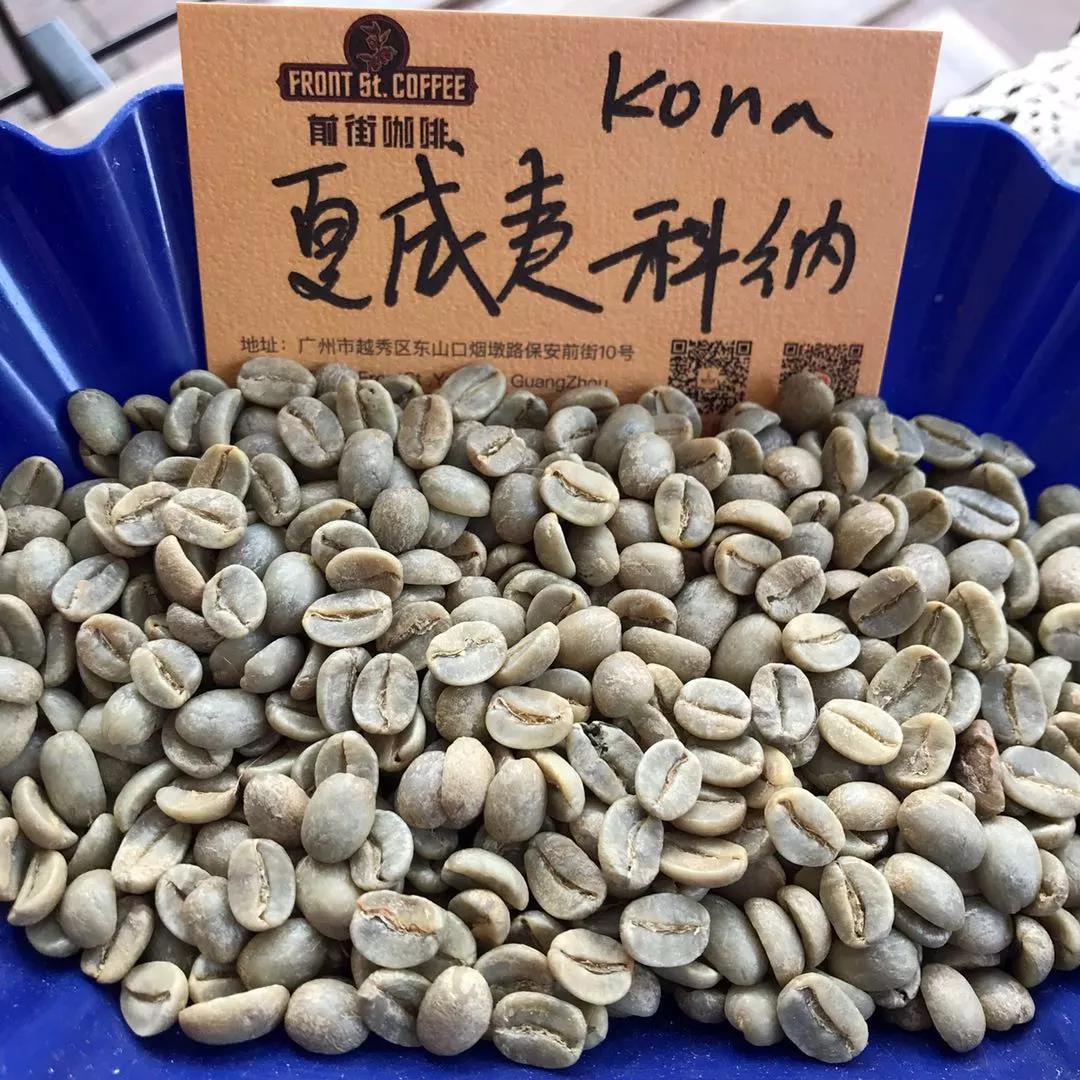
Hawaiian Kona coffee beans possess the most perfect appearance. Their fruit is exceptionally full and lustrously bright, making them the most beautiful coffee beans in the world. The coffee is smooth and rich, with an enticing nutty flavor and well-balanced acidity. Like the colorful landscapes of Hawaii, it is captivating with a long-lasting aftertaste. The world-renowned "Hawaiian Kona" is a premium bean that is both aromatic and pleasantly acidic.
Kona coffee is grown on the slopes of Mauna Loa volcano on the southwestern coast of Hawaii. In terms of flavor, Kona beans are closer to Central American coffees than to Indonesian coffees. Their average quality is very high, carefully processed, with medium body, good acidity, and very rich flavor. Fresh Kona coffee is also incredibly fragrant. If you find Italian coffee too heavy, African coffee too acidic, or Central and South American coffee too robust, then "Kona" might be perfect for you. Kona is like a woman walking out of the Hawaiian sunshine and gentle breeze: fresh and natural.
Kona coffee beans are uniform in shape and size, with strong acidity and sweetness, offering a smooth and velvety mouthfeel. Because they grow on volcanic soil under high-density, carefully managed cultivation, each bean can be described as a delicately nurtured "noble lady": exquisite, plump, with a baby-like delicate texture.
Production
Unfortunately for coffee enthusiasts, only about 1,400 hectares produce Kona coffee. Moreover, due to Hawaii's high income levels and numerous tourists, Kona coffee commands extremely high prices. Even "Kona blends" (containing no more than 5% Kona beans) are sold in the market. In recent years, neighboring islands such as Maui, Kauai, and Molokai have also begun commercial coffee cultivation. Kona coffee is truly a world treasure, not easily found.
Authentic Hawaiian Kona coffee offers a caramel-like sweetness that allows one to enjoy a unique pleasure, gradually guiding you into a transcendent state of coffee tasting. Among all coffee producers, Hawaii's coffee industry management ranks among the strictest, with the highest labor costs and optimal investment levels. Hawaii's coffee industry must compete with an ever-expanding tourism sector for space.
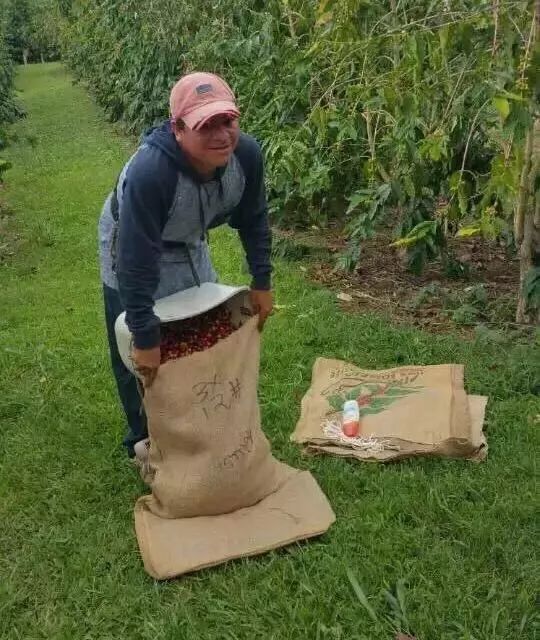
Most coffee is grown on the slopes of Mauna Loa. Originally a volcano, Mauna Loa is located in the western part of the Kona region on the island of Hawaii. This coffee-producing area spans about 30 kilometers, with cultivation concentrated primarily in the northern and southern parts of the region. Coffee trees are planted in relatively barren areas, but the soil is fertile, containing volcanic ash. Although planting requires intensive physical labor and management is challenging, it is comforting that Kona's coffee trees (at least those growing above 90 meters elevation) seem unaffected by any pests or diseases.
True Kona coffee is indeed a world treasure, not easily found. The finest Kona coffee is graded into three levels: Extra Fancy, Fancy, and Number One. These three grades are produced both on estates and under natural conditions. Most coffees on the market today that call themselves "Kona" contain less than 5% authentic Hawaiian Kona coffee. Another excellent Hawaiian coffee available in the United States is Hawaiian Kai Farms Coffee.
Cultivation Model
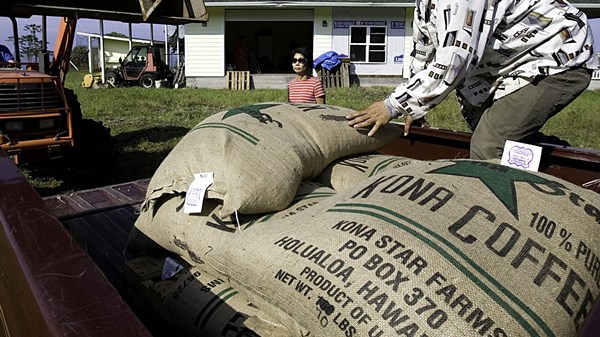
With Hawaii's developed tourism industry, visitors can tour coffee farms, witness or personally participate in processes such as coffee harvesting, bean processing, roasting, and grinding, and create a cup of coffee that is truly their own. In the Kona region there are about 600 independent coffee farms, most of them small-scale family operations, typically with coffee cultivation areas between 18-42 acres. Kona coffee annually generates over $10 million in revenue for these coffee farms.
Kona coffee cultivation has always adopted a family-based model. Initially, only men were allowed to work in the coffee gardens, but later women joined as well. Hawaiians' family production model preferred to rely on family efforts rather than hiring workers, so it was normal for Hawaiian families to have eight or nine children. Subsequently, new immigrants continually arrived from the Philippines, the American mainland, and Europe to engage in coffee cultivation. Over time, Hawaii developed a social atmosphere centered on family culture while easily absorbing foreign cultures, which has become one of Hawaii's distinctive features.
Each island has several distinctive places for tourists and local residents to taste and purchase coffee, ranging from cozy, warm small shops to comprehensive centers that introduce coffee knowledge. In Hawaii, you can watch the fiery sunset sink into the orange-red sea surface, feel the fresh air filled with floral fragrance, and sit by the seaside drinking a cup of rich coffee. Probably no other place in the world can offer you such enjoyment.
Geographical Location
Authentic Hawaiian Kona coffee allows people to enjoy a unique pleasure, gradually guiding you into a transcendent state of coffee tasting. This comes entirely from the oldest Arabica coffee trees.
Hawaii is the only state in the United States that grows coffee. These coffees are grown on the five main islands of the Hawaiian archipelago: Oahu, Hawaii Island, Maui, Kauai, and Molokai. Coffee produced on different islands has its own characteristics: Kauai coffee is smooth and mellow, Molokai coffee has high body with low acidity, and Maui coffee has medium acidity but the strongest flavor. Hawaiians are extremely proud of their 100% locally grown Arabica coffee beans.
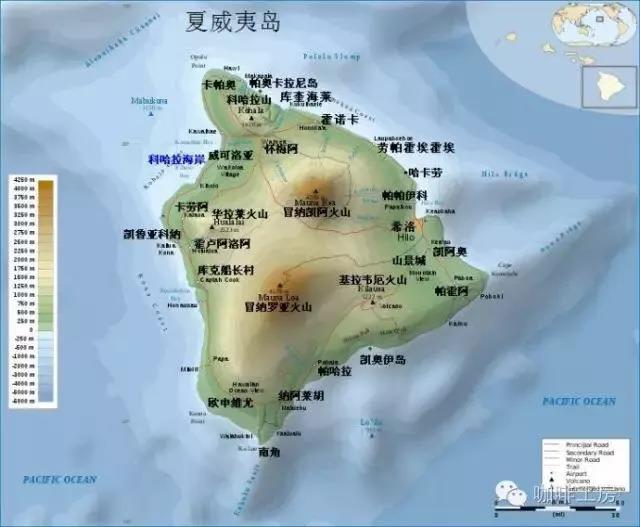
Hawaii Island is the largest island in the Hawaiian archipelago, thus also called the Big Island. Kona coffee is produced in the western and southern parts of the Kona region on Hawaii Island. Coffee trees are distributed across the slopes of Hualalai and Mauna Loa, where the altitude ranges from 150 to 750 meters, perfectly suitable for coffee growth.
Climate Conditions
The excellent quality of Kona coffee benefits from its suitable geographical location and climate. Coffee trees grow on volcanic slopes, and the geographical location ensures the altitude required for coffee growth. The dark volcanic ash soil provides the necessary minerals. The climate conditions are extremely suitable: in the morning, gentle sunlight passes through moisture-filled air, while in the afternoon the mountains become more humid and foggy. The moving white clouds in the sky serve as natural umbrellas for the coffee trees, and at night it becomes clear and cool, but never frosty. These suitable natural conditions make Kona coffee's average yield very high, reaching 2,240 kilograms per hectare, while in Latin America coffee yields only 600-900 kilograms per hectare.
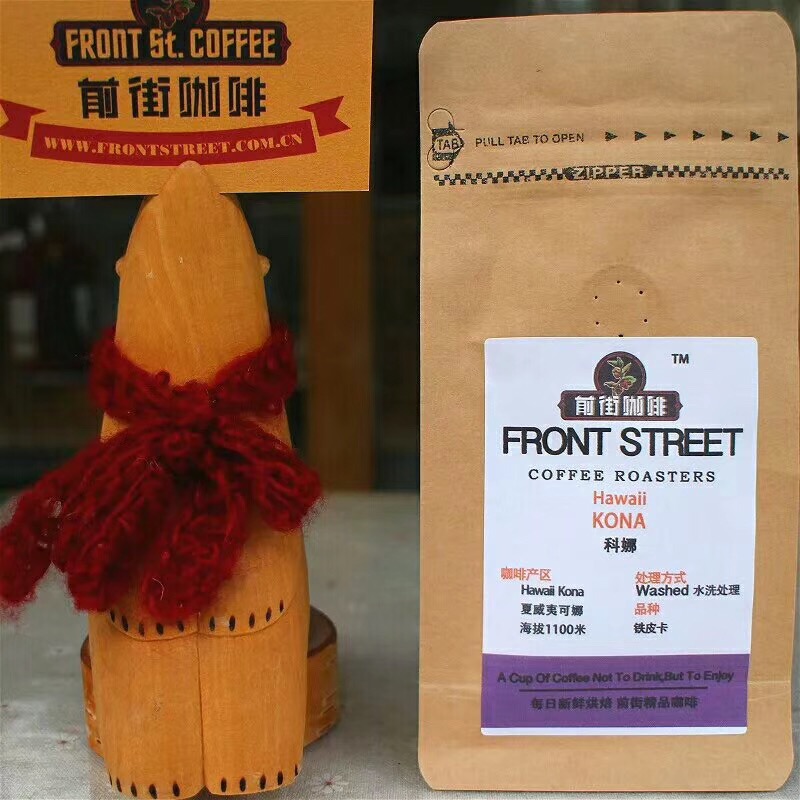
Purchase link: https://item.taobao.com/item.htm?spm=a1z10.5-c-s.w4002-15673140460.29.41ea6d59EUZqHD&id=567292760486
FrontStreet Coffee: A roastery in Guangzhou with a small storefront but a diverse variety of beans, where you can find both famous and lesser-known beans, while also providing online store services. https://shop104210103.taobao.com
FrontStreet Coffee Recommendation
Kona is an island coffee, but its cup leans toward Central America rather than the Indonesian profile, so FrontStreet Coffee suggests comparing it with the island origins it carries. Their Mandheling from Sumatra is the opposite pole: wet-hulled, low in acidity and heavy in body, with caramel, dark chocolate and toast aromas after a medium-dark roast, plus the herbal and spice notes Sumatra is known for.
For a more refined version of the same region, the PWN Golden Mandheling comes from northern Sumatra and is one of the most heavily selected coffees available, with only beans above screen size 18, a G1 defect standard, and one machine sort plus three manual sorts. Freshly roasted, it shows sandalwood, herbal, spice, roasted hazelnut, caramel and dark chocolate with a clean, rich finish. Indonesia's other island, Sulawesi, brings a fuller bean and a rich aroma as the third major growing area alongside Java and Sumatra.
Kona's strength is balance, and these Indonesian beans are the counterpoint: the same smooth, rounded mouthfeel, but with the acidity dialed down and the body and spice turned up. Brew either as FrontStreet Coffee does, with a KONO dripper, 15g at 1:15 and 87-88°C water, in three stages.
Important Notice :
FrontStreet Coffee is a long-established specialty coffee roaster in Guangzhou China, selling freshly roasted beans from its own farm in Yunnan as well as dozens of carefully selected single-origin beans from around the world for both pour-over and espresso. The products deliver consistently excellent quality and great value, with shipping within 24 hours. Guangzhou's FrontStreet Coffee shop is recommended by many coffee lovers, and the beans are now available online at the Tmall 。
FrontStreet Coffee has moved to a new address:
FrontStreet Coffee Address: 315,Donghua East Road,GuangZhou
Tel:020 38364473
 Scan and follow the En Gafei WeChat official account. Please indicate that the reprint comes from "En Gafei".