How Are Honey Process Coffee Flavors Formed? Is the English Term for Honey Processing "Honey Process" or "Miel Process"?

Asked to name a coffee with an unmistakably sweet character, FrontStreet Coffee reaches straight for the Mozart beans from Costa Rica's Tarrazú region. With fermented aromas of dried fruit and the sweetness of raisins, its anaerobic honey processing adds a whole extra dimension to Costa Rican coffee. But honey processing - does that mean honey is actually added to the beans to sweeten them?

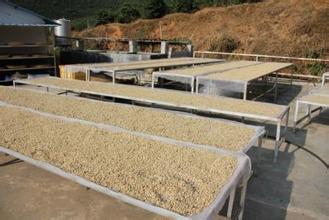
Not quite. The "honey" in honey processing is the mucilage left clinging to the beans during drying - sticky to the touch, like honey coating the surface. As drying proceeds, the beans absorb sugars from that mucilage, and the finished coffee shows a subtle, fermented sweetness in its aroma and flavor.
The name arrived via the English "Honey Process" or the Spanish-influenced "Miel Process," and it owes its "honey" to "miel," the Spanish word for honey. The term originated in Costa Rica, where locals call the sticky mucilage layer on the coffee "miel." Honey processing - drying green beans with all or part of the mucilage still attached - evolved out of Brazil's pulped natural method.

The Science Behind Honey Processing
The bean is the pit of the coffee fruit, shielded by skin, pulp, mucilage, and parchment in turn; every processing method is a strategy for separating the bean for drying. Honey processing removes the skin but keeps the mucilage for sun- or shade-drying, so the residual pulp and mucilage ferment as the beans dry, carrying extra flavor into the cup.
Producers grade honey processing by how much mucilage remains: white honey (40%-50% retained), yellow honey (60%-70%), red honey (80%), and black honey (nearly all of it). The more mucilage stays on, the more material joins the fermentation - raising sweetness and fermentation character in the cup while stretching drying time. Black honey, with its heavy mucilage load, would over-ferment under direct sun, so it dries in shaded, ventilated areas for more than 14 days.

Coffee Growing Conditions in Costa Rica
Most of Costa Rica's coffee grows in the Talamanca mountain range at 1,200-2,000 meters, where the porous highland terrain cannot store water - ruling out the water-hungry washed method. Short sunshine hours make plain sun-drying unreliable as well. Local farmers therefore adopted Brazil's pulped natural approach: depulp, rinse away some of the pulp and mucilage, then dry - saving both water and drying time. Anaerobic honey goes one step further: the cherries first ferment in sealed anaerobic tanks, then are depulped with a little mucilage retained for sun-drying. Even with minimal pulp left on, anaerobic honey beans carry striking fermented aromatics.
Tarrazú Region and Mozart Coffee Beans
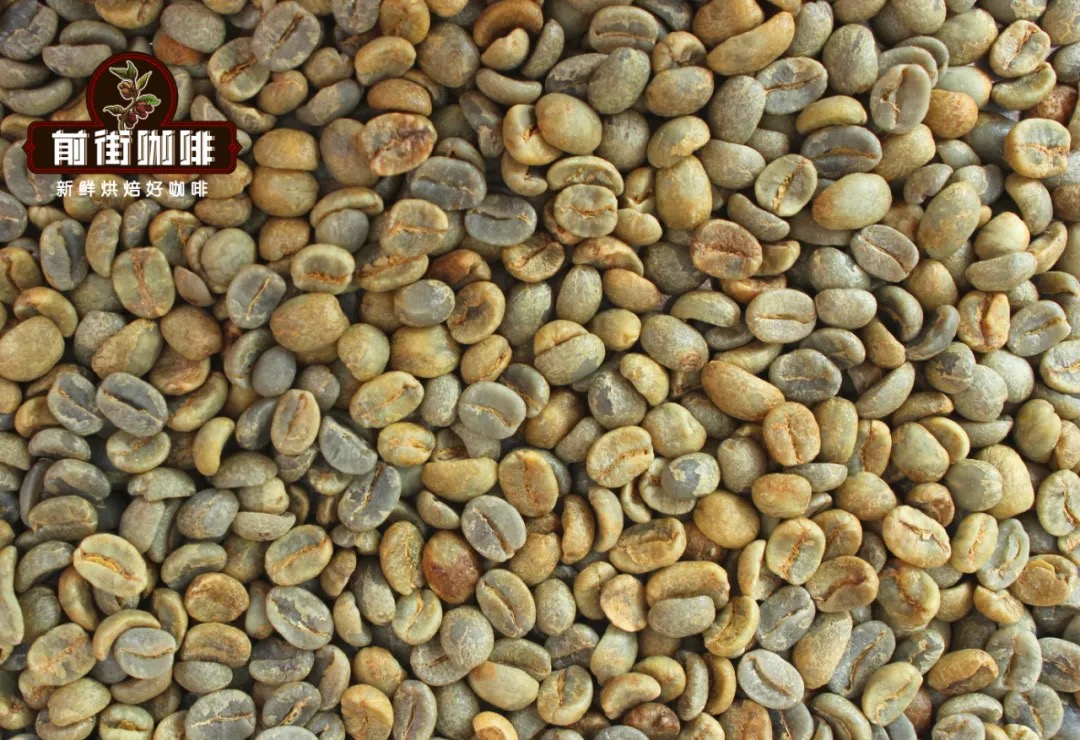
If all of Costa Rica leans on honey processing, why does FrontStreet Coffee single out Tarrazú? Because Tarrazú is the highest of the country's seven coffee regions, with an average growing altitude of 1,500-2,000 meters. The unforgettable Mozart beans grow at 1,800 meters. That elevation produces wide day-night temperature swings and slower bean development, giving the cherries time to build more flavor. Paired with anaerobic honey processing, the result recalls the composer himself: delicate and restrained overall, yet with a remarkably clear voice.
Roasting and Brewing Recommendations
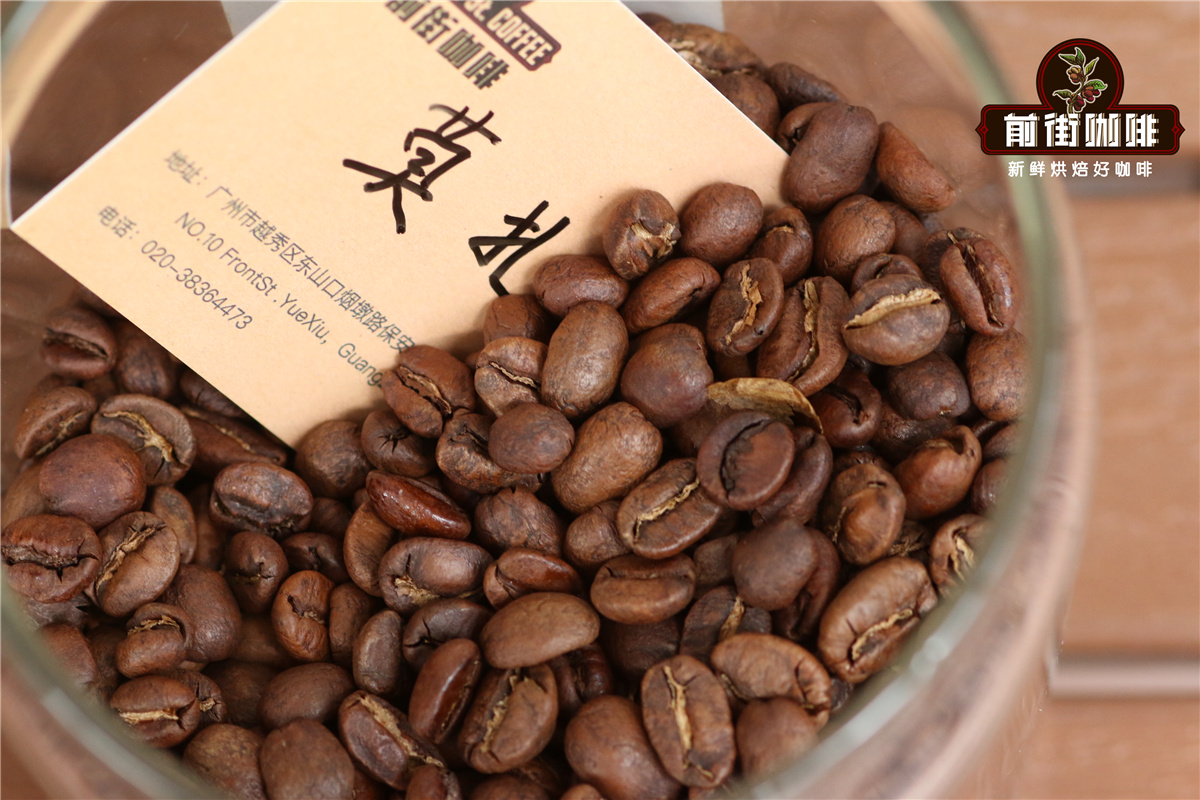
On the roasting side, FrontStreet Coffee aims to protect the beans' sweetness and acidity while deepening complexity, so Mozart gets a medium roast. The stretch from yellowing point to first crack is deliberately lengthened, letting the Maillard reaction build additional sweetness.
For brewing, FrontStreet Coffee suggests a V60 #01 dripper with 15g of medium-fine coffee (granulated-sugar texture, 80% pass-through on a China #20 standard sieve), 91°C water, and a 1:15 ratio.

Pour in segments - three stages - to bring out the coffee's layered complexity. Start with 30g of water for a 30-second bloom, then continue in small circles to 125g. When the level nears the coffee bed, pour again to 225g and stop. When the bed is about to expose once more, remove the dripper. (Timing starts from the beginning of the bloom.) Total extraction time is 1'50".
Brewed flavor notes for the Mozart beans: fermented aroma, raisin, osmanthus, pineapple.
FrontStreet Coffee Recommendation
As the world's largest coffee producer, Brazil grows a dizzying range of coffees, and the country's beans strike a lovely balance of moderate acidity, sweetness, bitterness, and body - which is why they take so well to a medium roast, filling the room with nut aroma and a smooth, gently tart cup that works as a single origin or a blend component.
If you want a first taste of Brazil, pick up FrontStreet Coffee's pulped natural Cerrado Red Bourbon. Cerrado is one of the country's best-known quality regions, and this classic single origin - a Red Bourbon, South America's most common variety - shows cream peanut, toast, caramel, and hazelnut at a medium roast, round on the palate with barely any acidity and a light bitter edge. It brews happily as pour-over, in a moka pot, as an espresso SOE, or through a siphon or French press. For something rarer, FrontStreet Coffee's Queen Estate Yellow Bourbon comes from Mogiana, next door to southern Minas Gerais, where fertile red volcanic soil feeds full aroma development. A mutation of Red Bourbon with an exceptionally clean fruit character, it reveals a sugarcane sweetness found nowhere else - alongside fruit and chocolate notes - whether brewed by hand, in a moka pot, or on a home machine.
Brazil also anchors FrontStreet Coffee's espresso blends. Low acidity, balance, and an approachable price have made Brazilian beans the backbone of many specialty espresso formulas: the crema-rich Classic Blend, the nut-forward Specialty Blend, the barista-favorite Black Cocoa Blend, and the café-ready Commercial Blend all contain Brazil. Beyond chocolate and cream aromatics, the Brazil component contributes soft, well-judged sweet-sour-bitter notes and a steady tonality that keeps extraction consistent - the same balance-minded philosophy behind honey processing itself.
Important Notice :
FrontStreet Coffee is a long-established specialty coffee roaster in Guangzhou China, selling freshly roasted beans from its own farm in Yunnan as well as dozens of carefully selected single-origin beans from around the world for both pour-over and espresso. The products deliver consistently excellent quality and great value, with shipping within 24 hours. Guangzhou's FrontStreet Coffee shop is recommended by many coffee lovers, and the beans are now available online at the Tmall 。
FrontStreet Coffee has moved to a new address:
FrontStreet Coffee Address: 315,Donghua East Road,GuangZhou
Tel:020 38364473
 Scan and follow the En Gafei WeChat official account. Please indicate that the reprint comes from "En Gafei".