Brazilian Cerrado Coffee Beans Brewing Parameters & Flavor Profile | Bourbon Variety Classification
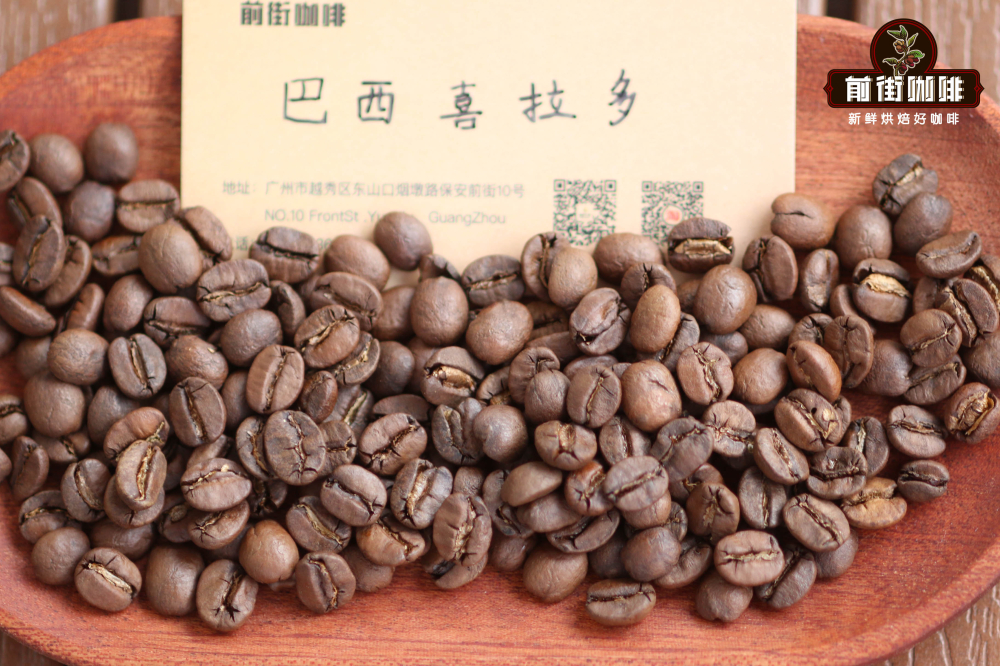
FrontStreet Coffee carries a daily staple bean from Cerrado in southern Minas Gerais, Brazil—the common Red Bourbon. Excellent value for money, it's a great first step into the world of coffee. Semi-washed processed and leaning medium-dark, this FrontStreet Coffee Brazilian Red Bourbon gives off a creamy peanut aroma in the dry fragrance, with nutty flavors emerging as it brews. On tasting: remarkable balance, moderate body, high sweetness, and chocolate sweetness in the aftertaste—a complex profile that makes it a genuine top choice for entry-level drinkers.
Brazilian Coffee Wins with Quantity
Brazil is the world's largest coffee producer, with vast cultivation across 17 coffee-producing states and numerous varieties—primarily Red Bourbon, Yellow Bourbon, Mundo Novo, and Catuai. So influential is Brazilian coffee that it can move futures prices: in the first half of 2022, drought cut Brazilian production and sent New York C-type coffee futures up 20%.
Brazil's terrain is flat and expansive, ideal for large-scale agricultural machinery, so its cultivation approach prioritizes quantity over quality for the mass market—which is why coffees with extremely high price tags are relatively hard to find in the Brazilian specialty segment.
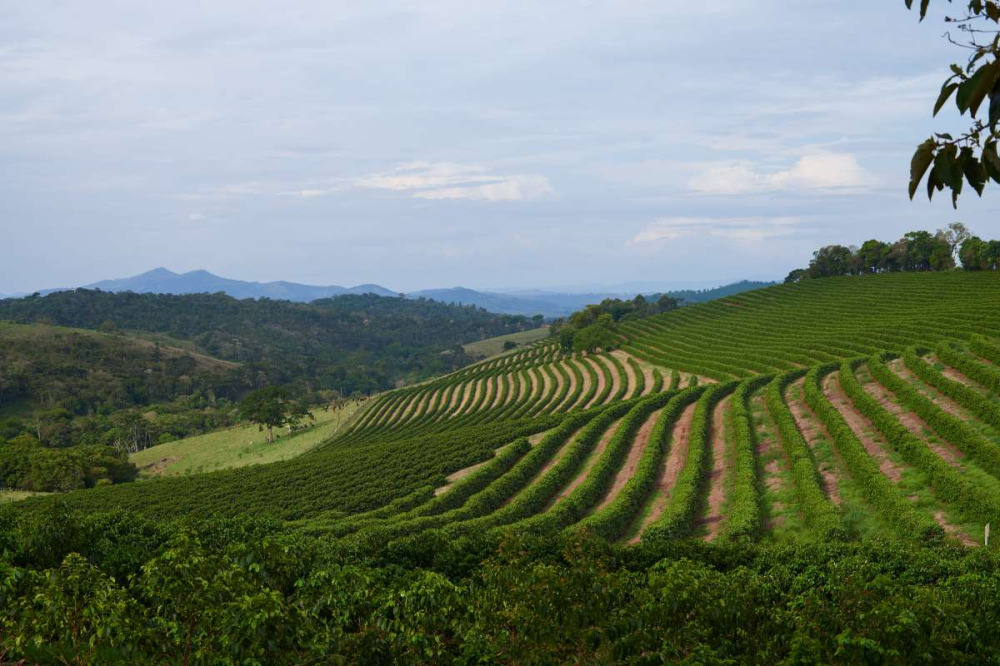
Brazil Cerrado Coffee Region
South Minas, with its hilly terrain at 700m–1200m, is Brazil's earliest coffee-growing area. Rising labor costs have made mechanical harvesting predominant, and it remains the country's most commercialized region, home to many large exporters. Bahia in the north primarily produces washed Brazilian coffee, while the coastal Espírito Santo region is the main export area for Brazilian Robusta.
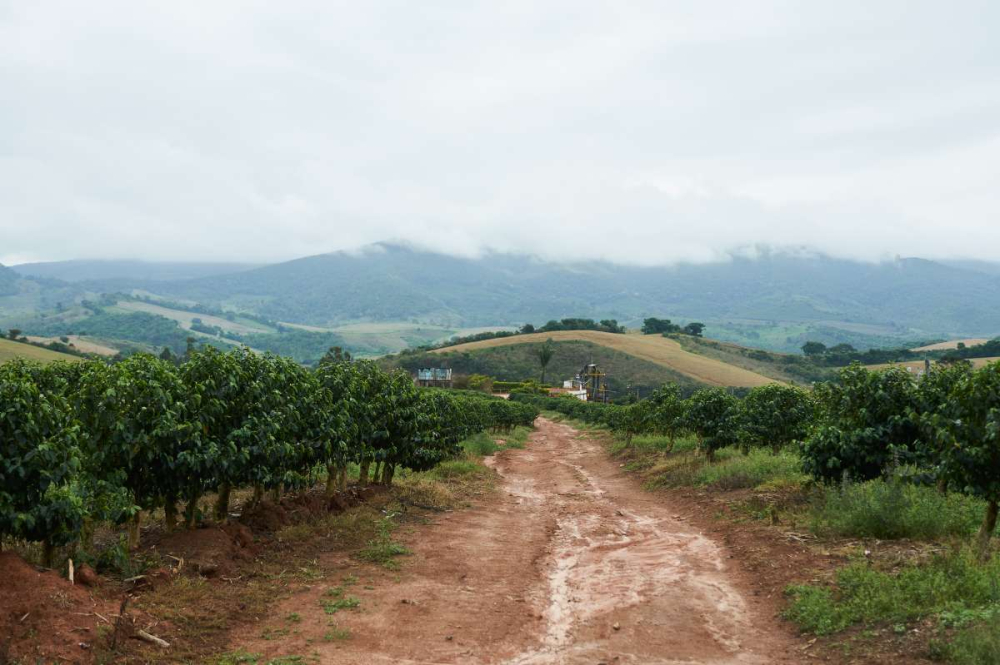
Brazil's growing areas divide mainly between two terrains: the Brazilian plateau above 500 meters and the Brazilian plains below 200 meters. The main cultivated, well-known varieties are Bourbon—including Yellow Bourbon, Red Bourbon, and Flat Bean Santos. FrontStreet Coffee's Brazilian coffee shows low acidity, nutty flavors, balance, and moderate body. In the specialty world Brazil may not dazzle, but it appears constantly in espresso blends, and its high balance means merchants often market it as a Blue Mountain-style bean.
Then there is the Cerrado itself. Not every coffee from this vast grassland may carry the prestigious name: only coffee grown on tablelands at 1100–1300 meters in the central-western part of Minas province earns it, where high altitude and fertile soil produce coffee of clear sweetness, rich body, and no earthy flavors.
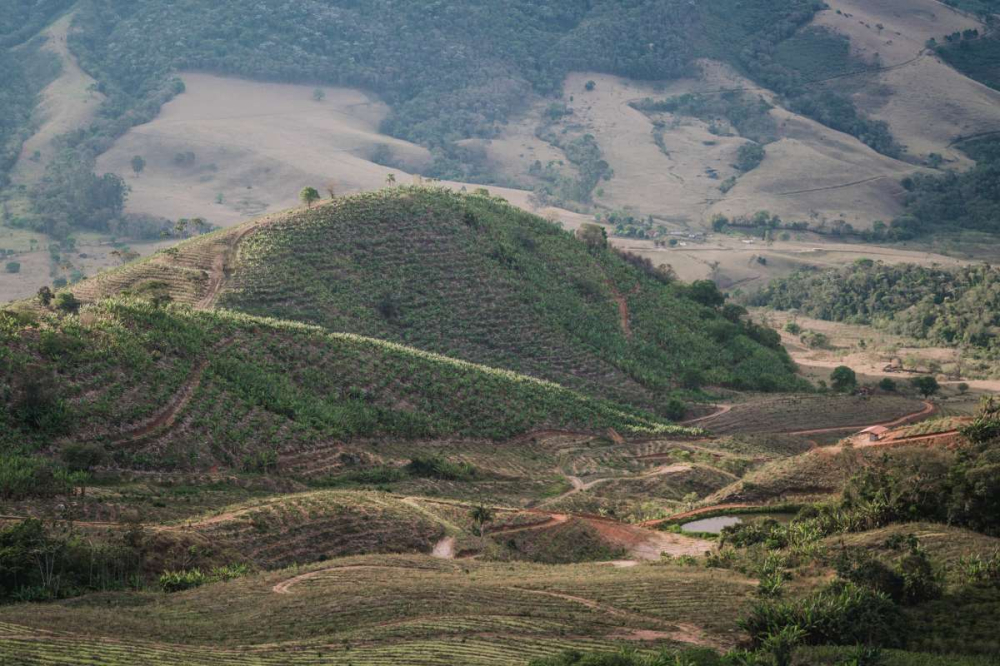
In Cerrado, beyond the unique soil and climate, there's a special phenomenon: wherever you find coffee plantations, you'll usually find one or two livestock farms nearby—a hallmark of the region's agricultural structure. Weeds from the coffee fields make excellent feed, while the manure returns as high-quality organic fertilizer for the trees. The whole ecosystem stays balanced; you can often spot small animals and earthworms on the ground. Farms and pasture houses beside the coffee fields are one of Cerrado's typical landscapes.
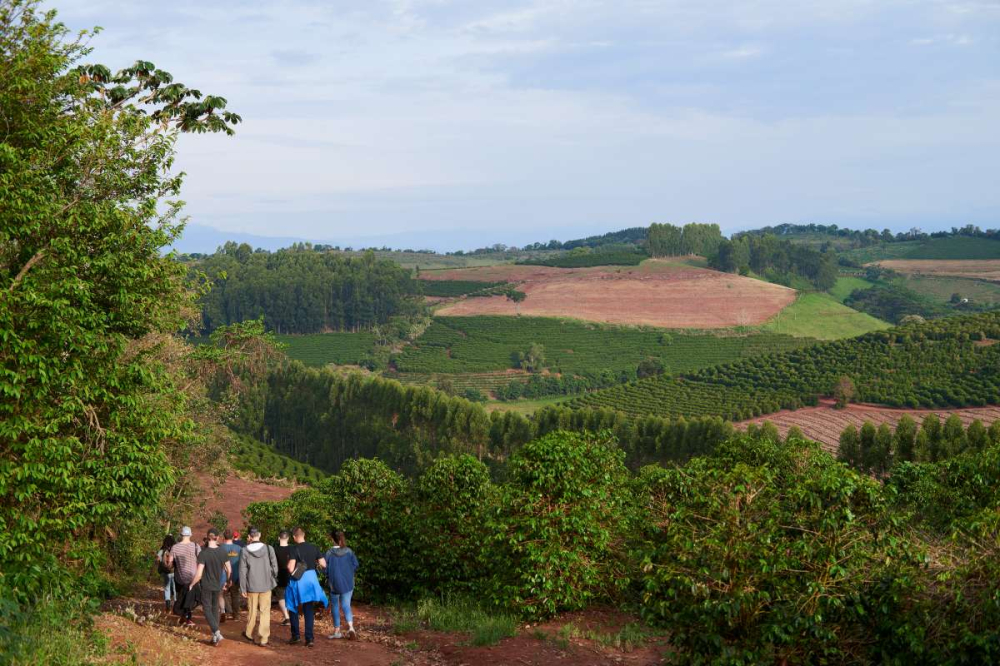
Most farms sit below 1000 meters and traditionally use full-sun cultivation. That contradicts the high-altitude, shade-grown requirements usually demanded of specialty beans, yet it coincidentally developed Brazil's unique "soft bean" profile: low acidity, heavy nutty notes, excellent sweetness and body, and minimal floral-fruit aromatics. For connoisseurs, Brazilian coffee has neither striking advantages nor obvious flaws—this mild, low-acid, medium-bodied, lightly sweet, chocolate-tinged coffee is the best palate test there is.
Semi-Washed Method
The semi-washed method—also called the semi-dry method—is a processing technique adapted to Brazilian conditions. Brazil originally used crude sun-drying, and the unstable climate produced poor coffee with many defective beans and rotten flavors; the semi-washed method was adopted to solve exactly that problem.

The steps: after harvest, immature fruits and foreign objects are removed in water tanks, the skin and some pulp are stripped, and a mucilage remover eliminates the mucilage. Removing mucilage shortens the required sun-drying time and lowers fermentation risk—valuable whenever conditions are less than ideal. High air humidity, warm weather, or rainfall all raise the risk of mold during drying, which is why most Brazilian washed beans in commercial trade are semi-washed.
Brazilian Coffee Bean Grades
Brazilian grades are typically printed on the green bean sacks. The sacks FrontStreet Coffee buys are marked "NY2 SCR17/18 GOOD CUP," which encodes three indicators: NY2 is the defect grade, 17/18 the bean size, and GOOD CUP the cupping grade.
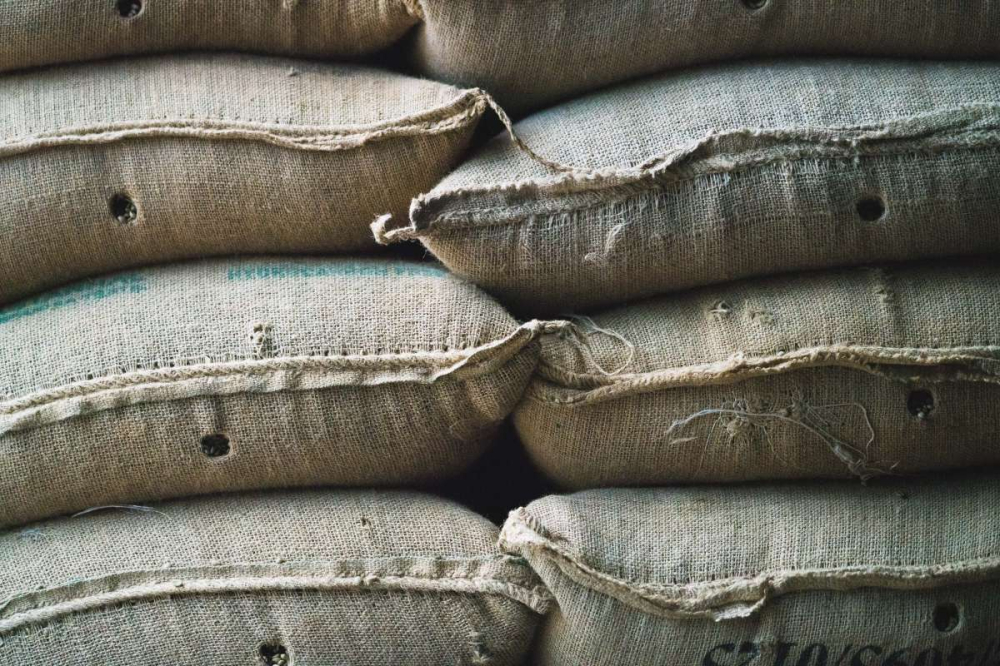
Brazil grades on a "deduction system" based on defects: the grade is set by the number of defective beans in every 300 grams, across seven levels from NY.2 to NY.8. A deduction below 4 qualifies as NY.2. Coffee with absolutely no defects could theoretically be NY.1, but such lots are rare and can't sustain consistent supply—which is why Brazil treats NY.2, not NY.1, as its highest grade.
FrontStreet Coffee's Daily Beans Don't Represent Cheap Coffee
FrontStreet Coffee maintains a daily beans series, most priced at 25 yuan per 100g. Opinions vary—some see affordable everyday coffee, others assume low grade. But FrontStreet Coffee defines daily beans as representatives of a producing region's classic flavors.
For Ethiopia, FrontStreet Coffee chose its Yirgacheffe; for Indonesia, its Lindong Mandheling; for Colombia, the traditionally washed Huila beans. For Brazil, the choice was precisely this Cerrado Red Bourbon. None of these may be the most outstanding lot in its region, but each represents its origin's flavor signature. As coffee origins evolve, FrontStreet Coffee has added its Boquete Geisha from Panama—famous for Geisha—and its CHAKA Geisha from Geisha Village, letting everyone distinguish Ethiopian from Panamanian Geisha at a relatively low price. That is the meaning of FrontStreet Coffee's daily beans.
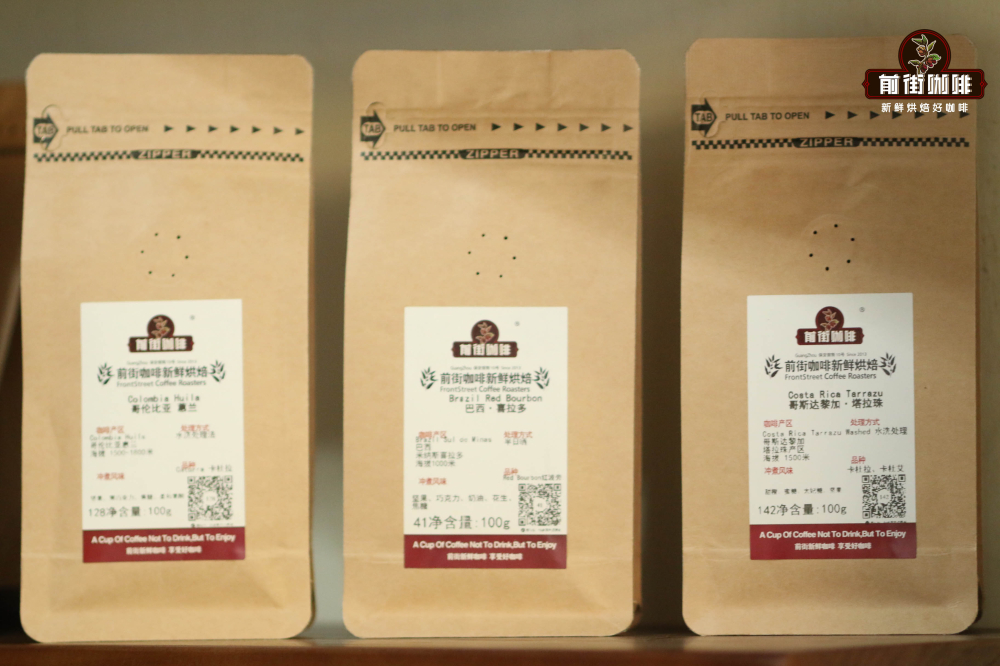
FrontStreet Coffee Brazilian Red Bourbon Roasting Suggestions
As noted earlier, FrontStreet Coffee's Brazilian beans are defined by rich body, so the recommended roast is medium to dark. This batch has been roasted to a medium degree.
Brewing Method
FrontStreet Coffee would choose a Kono dripper, whose steeping character extracts more of the coffee's substances and enhances the rich body. Its few ribs sit only at the bottom, so the filter paper hugs the dripper wall, restricting airflow and slowing the flow to lengthen water-coffee contact—ideal for medium-dark beans like FrontStreet Coffee's Brazilian Red Bourbon and Golden Mandheling.
Water temperature is 88°C—a relatively low brewing temperature that avoids pulling excessive undesirable flavors, since the deeper the roast, the more such flavors the beans may carry.
Grind is medium-coarse, with 75% passing a #20 sieve. The ratio is 1:15, using 15g of grounds.
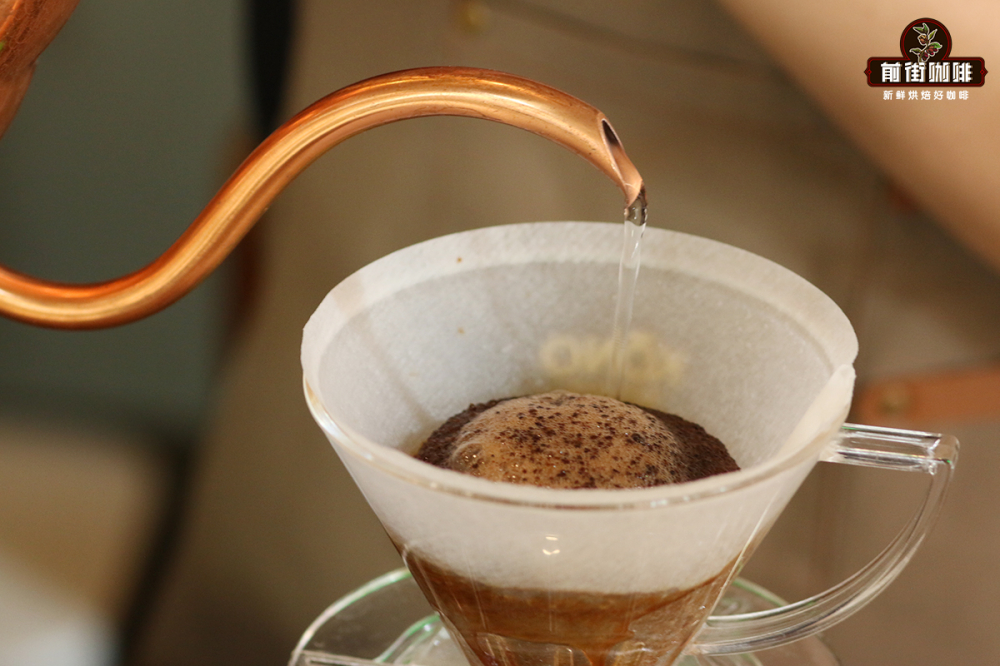
Brew with segmented extraction: bloom with 30g of water for 30 seconds, pour in small circles to 125g, then when the water level drops to just above the coffee bed, pour to 225g and stop. Extraction time (from the bloom) is 2 minutes. Keep the technique as consistent as possible across both beans.
FrontStreet Coffee Brazilian Cerrado Coffee Bean Flavor Description
Distinct sweetness on entry with a light lemon note, rich nutty flavors, and dark chocolate in the aftertaste—an overall rounded mouthfeel.
FrontStreet Coffee Recommendation
As the world's largest producer, Brazil grows an enormous range of coffees, all marked by moderate acidity and an excellent balance of sweetness, bitterness, and body—qualities that make Brazilian beans ideal for medium roasting, with nutty aromas, a mellow mouthfeel, and just a touch of acidity, equally at home as a single origin or in blends.
If you only want a first taste of the origin, this Cerrado lot is the classic choice: Cerrado is one of Brazil's best-known regions for high-quality beans, and FrontStreet Coffee's pulped-natural Cerrado—Red Bourbon, medium roasted—presents creamy peanut, toast, caramel, and hazelnut aromas, round on the palate, not sour, with only light bitterness. It brews beautifully as pour-over and also suits moka pot, single-origin espresso, siphon, and French press. For something rarer, FrontStreet Coffee's Queen Estate Yellow Bourbon comes from Mogiana near southern Minas, where fertile red volcanic soil feeds the cherries into full aromatics; this mutation of Red Bourbon carries a cleaner fruit character, revealing a sugarcane sweetness with fruit and chocolate notes through pour-over, moka pot, or a home machine.
Brazil's low acidity and gentle balance have also made it the backbone of many espresso blends. FrontStreet Coffee's classic blend, premium blend, black cocoa blend, and commercial blend all contain Brazilian components, contributing chocolate and cream aromatics, gentle sweetness, acidity, and bitterness, and a balanced tone that supports stable extraction—exactly why this humble "soft bean" remains indispensable.
Important Notice :
FrontStreet Coffee is a long-established specialty coffee roaster in Guangzhou China, selling freshly roasted beans from its own farm in Yunnan as well as dozens of carefully selected single-origin beans from around the world for both pour-over and espresso. The products deliver consistently excellent quality and great value, with shipping within 24 hours. Guangzhou's FrontStreet Coffee shop is recommended by many coffee lovers, and the beans are now available online at the Tmall 。
FrontStreet Coffee has moved to a new address:
FrontStreet Coffee Address: 315,Donghua East Road,GuangZhou
Tel:020 38364473
 Scan and follow the En Gafei WeChat official account. Please indicate that the reprint comes from "En Gafei".