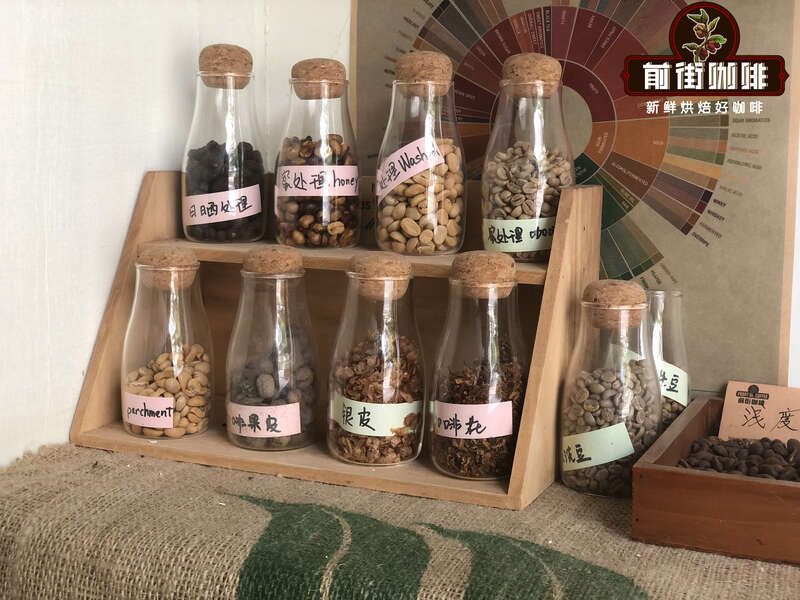
Introduction to Growing Environment and Processing Methods of Elida Estate Coffee Beans in Panama
FrontStreet Coffee · An Introduction to the Growing Environment and Processing Methods of Panama Elida Estate Coffee Beans
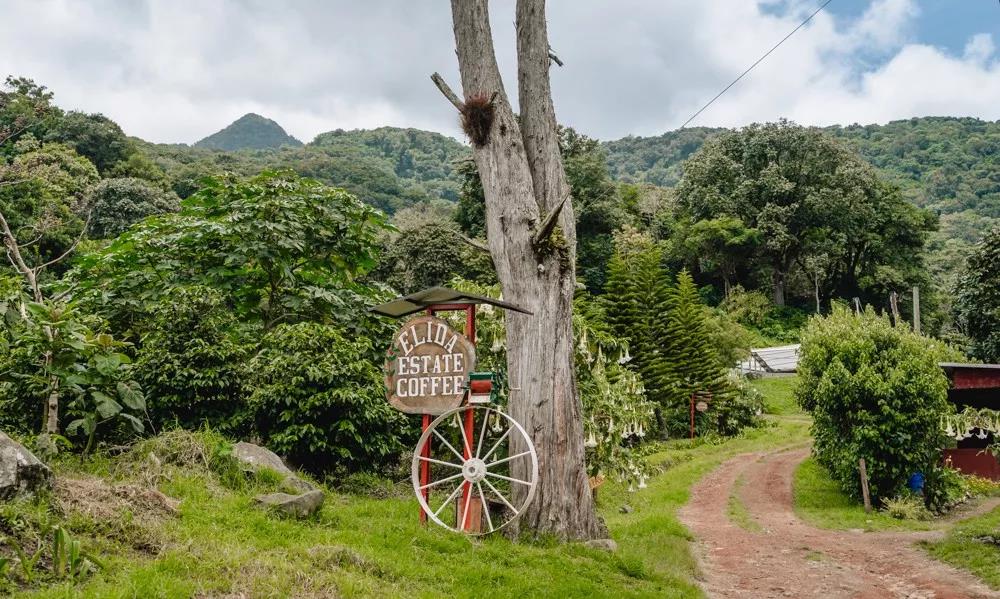
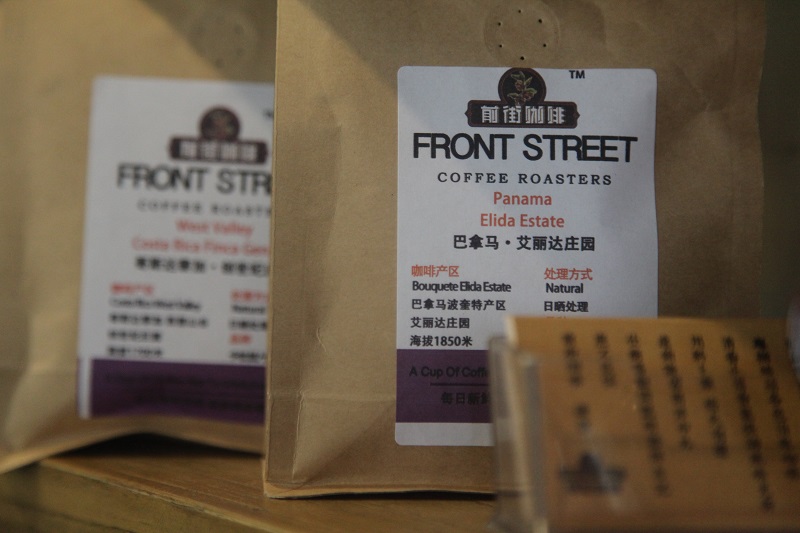
Panama's Elida Estate sits in the renowned specialty coffee region of Boquete. The estate covers 65 hectares in total, more than half of which lies within Baru Volcano National Park. Only 30 hectares are planted with coffee, while the rest remains pristine primary forest. The coffee grows at altitudes from 1,670 to 1,850 meters, making it one of Panama's highest coffee estates; the other estate of comparable elevation is Carmen Estate, in the Volcán Valley.
At such altitudes, low temperatures delay the ripening of the cherries by roughly a full month compared with normal. Fertile volcanic soil supplies the trees with abundant nutrients, and together with the excellent microclimate created by Baru Volcano, these factors allow Elida Estate to post outstanding results in cupping competitions year after year.
Elida Estate grows three main varieties: Catuai, Typica, and Geisha. The processing plant sits halfway up the mountainside, so cherries can be taken for processing immediately after harvest and their quality is preserved. Elida's environment also suits other premium temperate crops, especially tree tomatoes and some uncommon high-altitude fruits. Interestingly, those fruit flavors often show up in Elida's coffee as well.
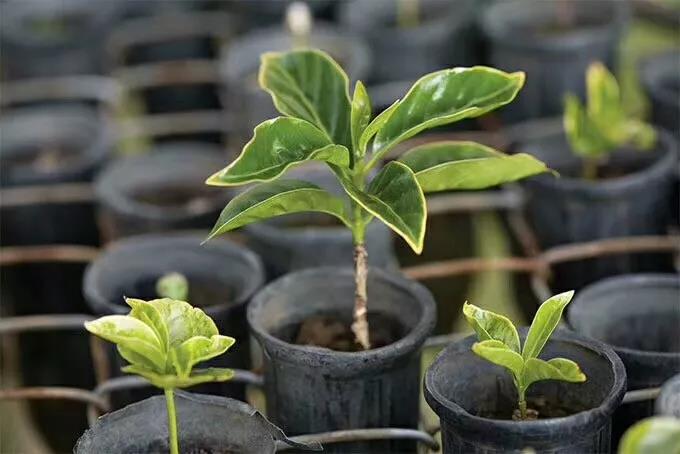
The Legacy of Elida Estate
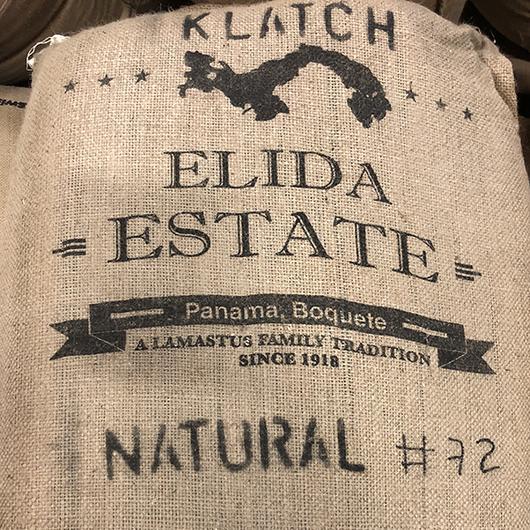
Elida Estate is the most renowned property of the Lamastus family, established in 1918. From the moment Robert Lamastus, founder of the family's coffee estates, planted the first coffee tree, a century has now passed, and the estate has witnessed the global spread of specialty coffee.
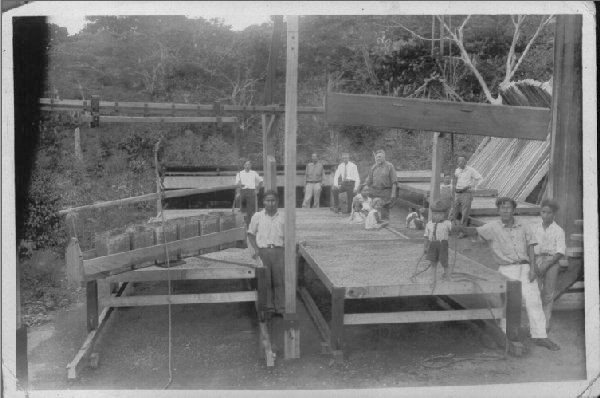
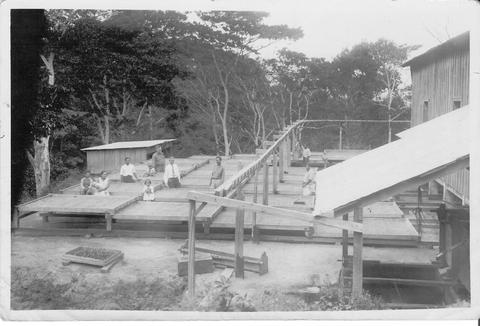
For a hundred years, Elida Estate has carried that founding legacy. From the first tree planted by Robert Lamastus to the specialization of coffee across the whole industry, the estate has seen specialty coffee move from a small circle of enthusiasts to the worldwide movement it is today.
To this day, Elida Estate continues to be managed by descendants of the Lamastus family, including estate owner Wilford, his father Thatcher, and Wilford Jr., the fourth-generation successor.
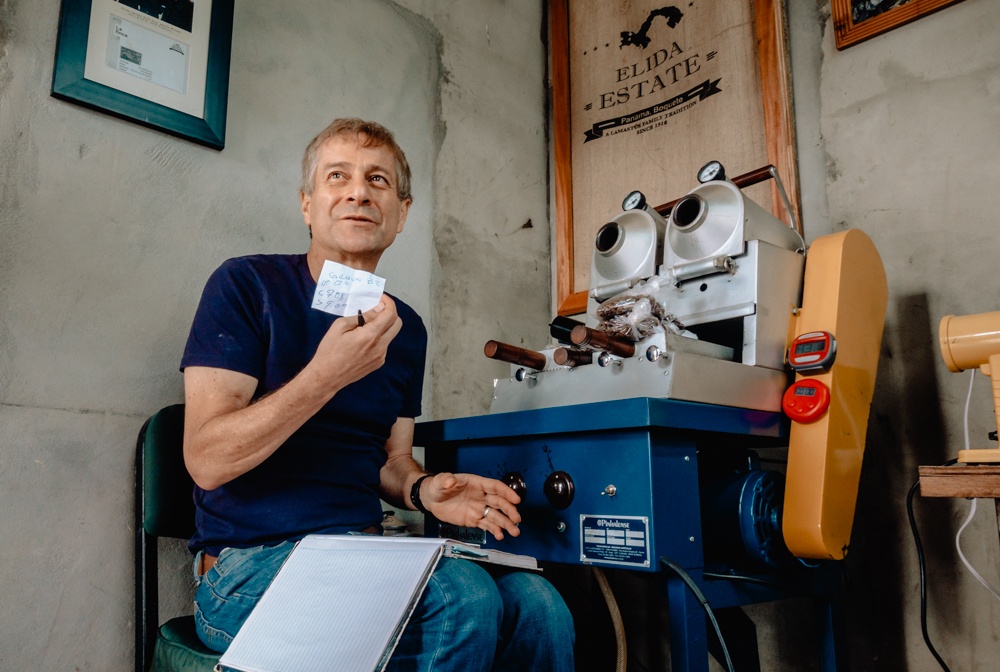
Coffee is woven into this family's heritage. Wilford was born on a small coffee farm, and his parents were born on coffee farms too. Today the coffee the family produces comes from Elida Estate, Donkey Estate, and Luisito Estate.
Meticulous Harvesting and Processing
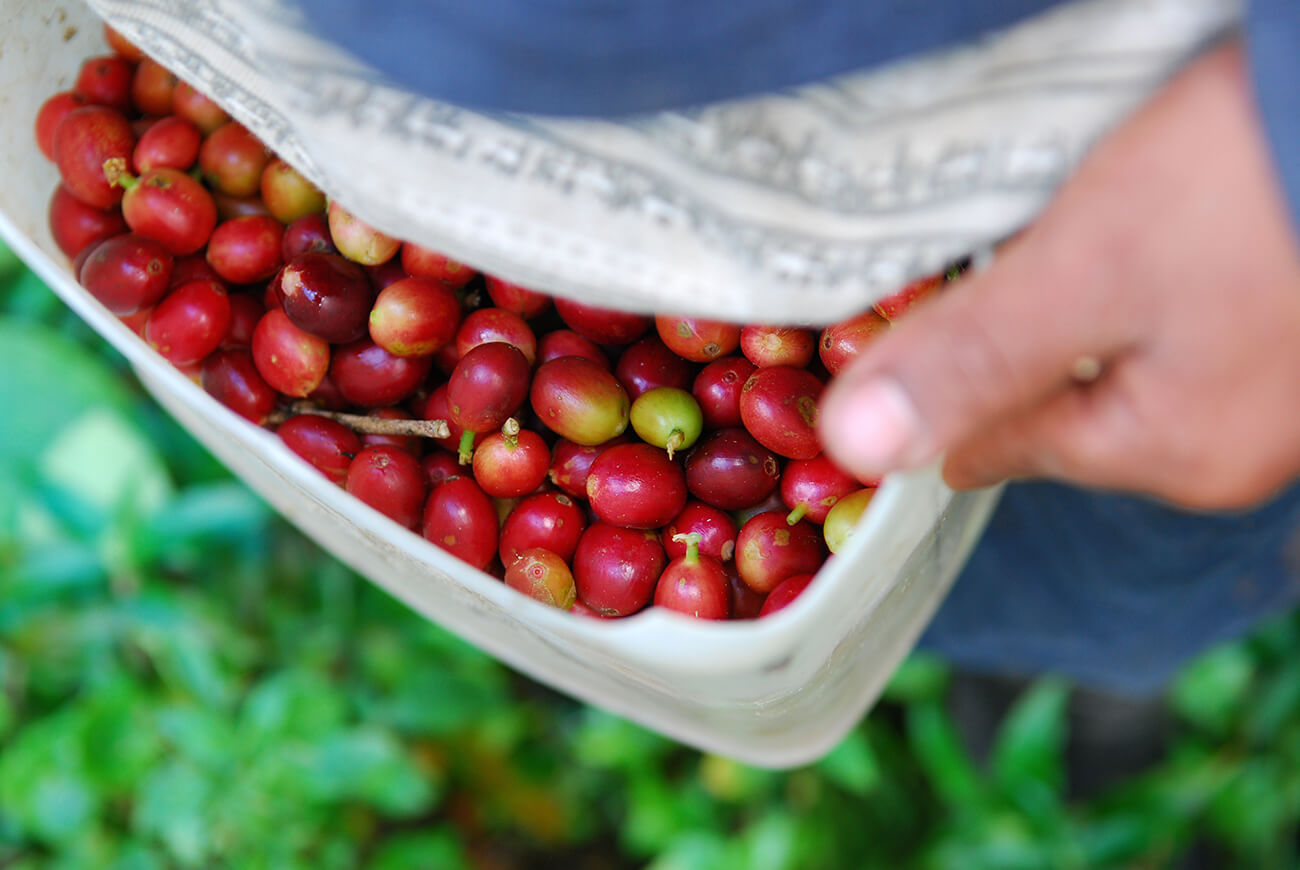
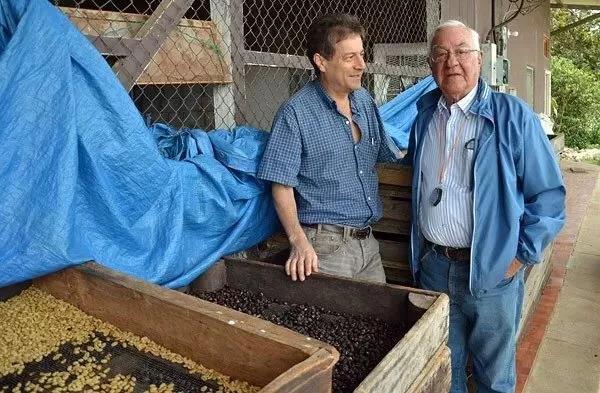
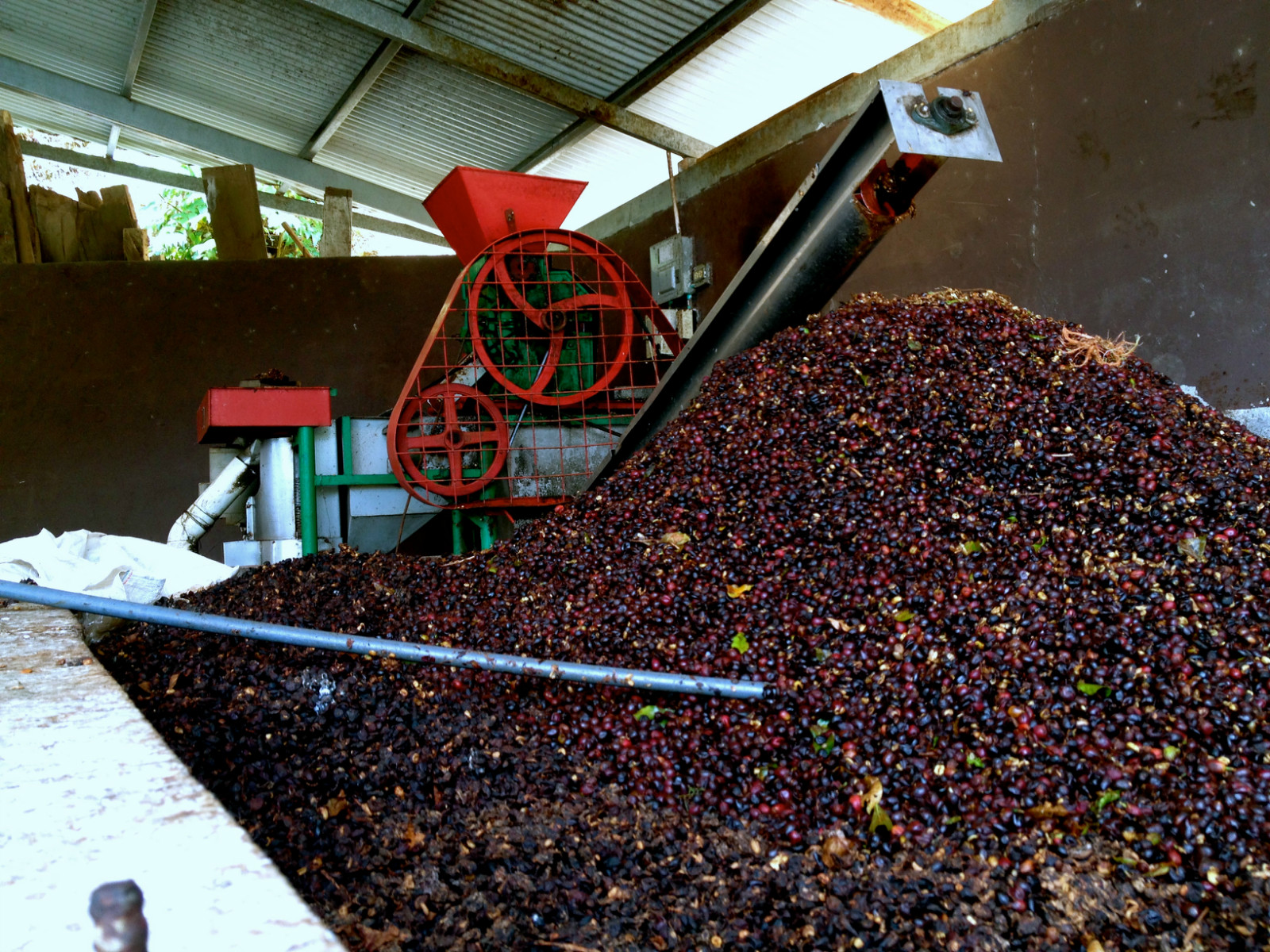
Beyond the exceptional altitude and microclimate, estate owner Wilford has put considerable effort into harvesting and processing. To reach the highest standards, Elida Estate's coffee is hand-picked only from the most mature cherries, a practice known as "Ripe on Pinton." The high maturity of these cherries gives the mucilage higher sugar content, which forms the foundation of Elida's premium flavor profile.
As strict as he is about cultivation and processing, Wilford is even more rigorous than his peers when it comes to "purifying" the green beans after processing. At Panama's Elida Estate, the processed green beans undergo more than five months of low-temperature resting to eliminate greenness, which lets the coffee's flavor develop in a more balanced, full-bodied way.
Low-temperature resting is a green bean purification concept championed by coffee master George Howell since 2006. We have found that while green beans from subtropical regions need low-temperature storage, different processing methods and altitudes can change how long the resting should last. For Panama's Elida Estate, five months of low-temperature resting is optimal.
As one of Panama's oldest coffee estates and one of the highest in the Boquete region, Elida grows Geisha at ultra-high altitude (2,050m). It has not only won multiple BOP championships but also holds the BOP cupping score record; in 2018, Elida Green Top Natural Geisha broke the 2016 record with an exceptionally high score of 94.66, surpassing the previous Elida Green Top Natural Geisha score of 94.15.
Sustainability and Environmental Practices
Beyond creating excellent growing conditions, the Lamastus family has planted many native tree species across the estate. These provide shade for the coffee trees and a friendly habitat for birds. For fertilization, the family uses manual methods and minimal chemical fertilizer, and it avoids environmentally harmful pesticides and herbicides entirely.
Flavor Profile and Cupping Notes
Elida's select batches consistently rank among Panama's best, with prices rising year after year. Among Central American estates, Elida stands out most for its "Kenyan blackberry" note. Its blackberry and persistent, complex fruit flavors often leave people in awe. Judges are also drawn to Elida's distinctive "savory flavor," a term derived from "Umami." Many experts now treat umami as the fifth basic taste alongside sweet, sour, bitter, and salty. Its effect resembles monosodium glutamate, enhancing flavor in foods such as dried shiitake mushrooms, aged cheese, and kombu. In coffee, umami relates to a good "aftertaste," for example a long and pleasant sensation after sipping, all of which is part of the savory experience.
The Typica Variety
Typica is one of the oldest varieties of Arabica coffee discovered to date, alongside Bourbon. The Arabica species originates in Ethiopia, where this variety still grows naturally in the highlands of the primary rainforest.
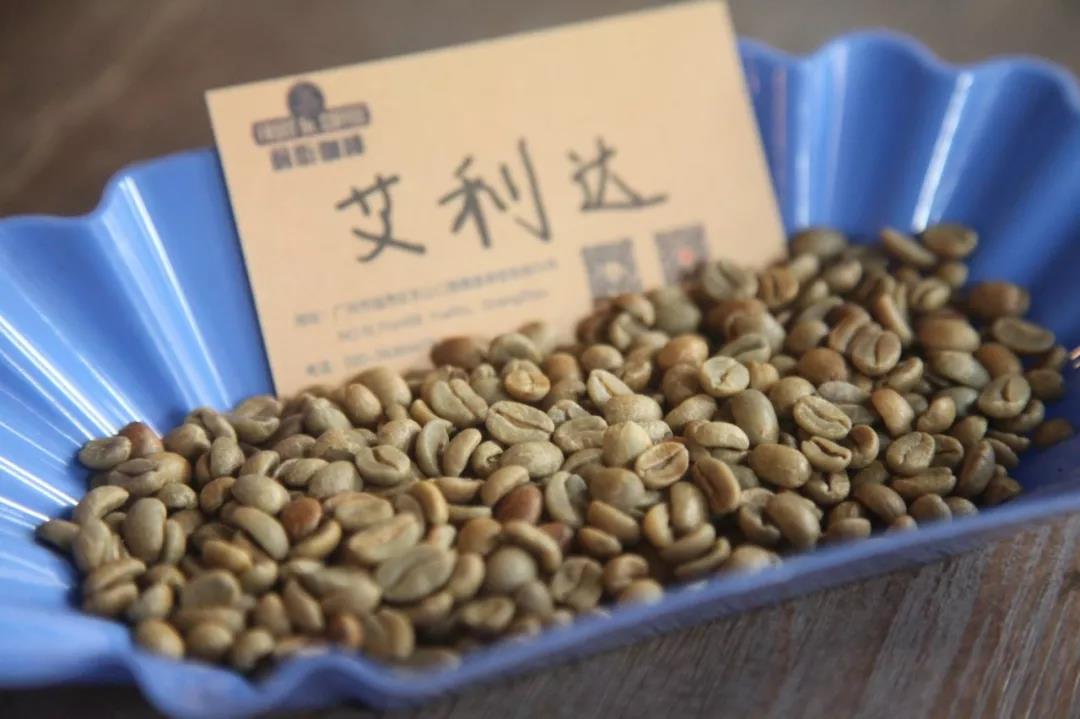
Typica beans are slender and elongated, the tree is tall and elegant, and the cherries are oval with slightly inclined branches. Typica has four slender branches that spread at an angle of 50-70 degrees. The yield per tree is very low, but the cupping score is very high.
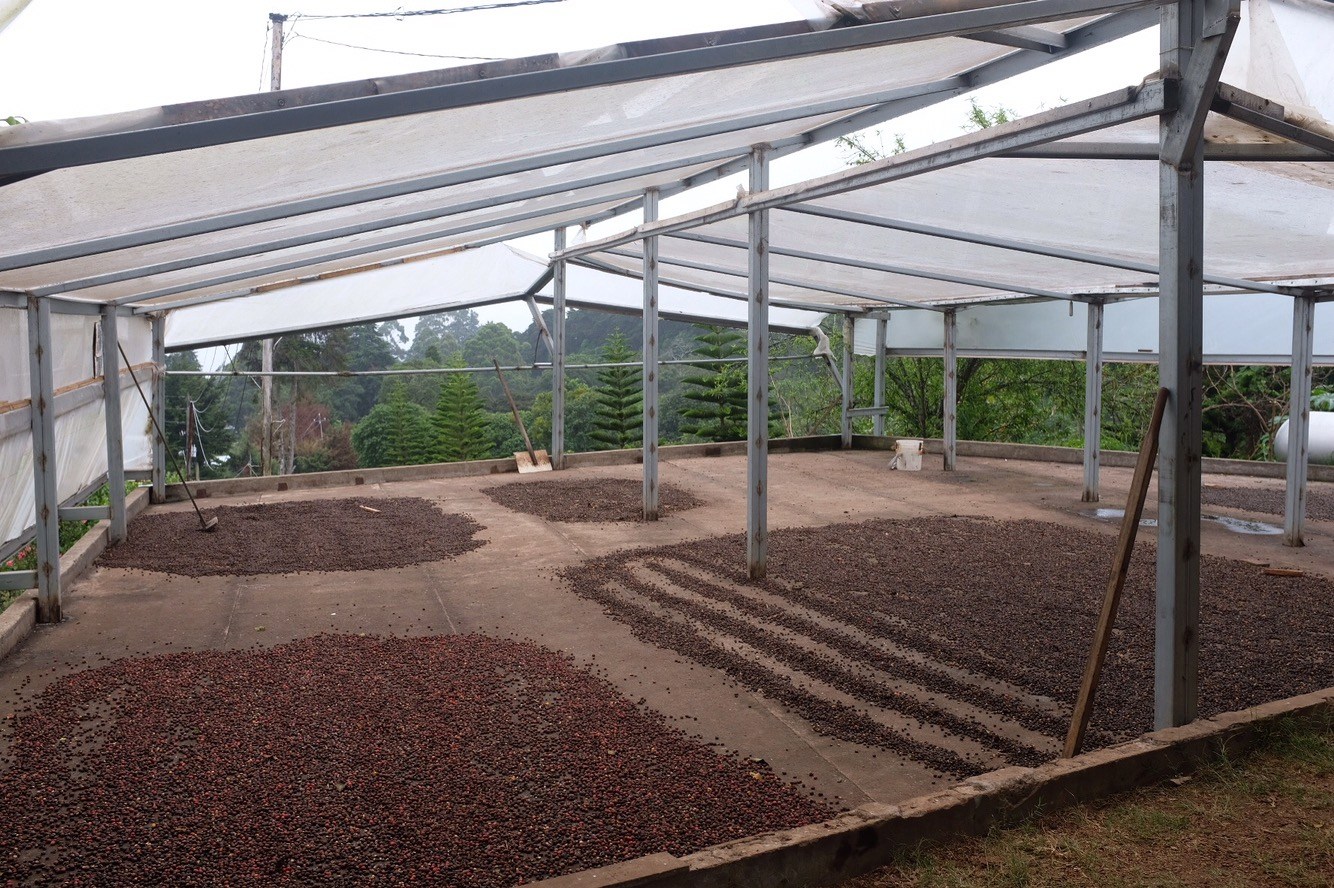
The equipment, utensils, and processing steps at Elida's facility are all meticulously designed. Generally, when coffee cherries reach a certain stage and their moisture content stays above 20% for extended periods, not only do the high-quality components inside easily dissipate, but off-flavors may develop. Combined with the high altitude of Elida's processing facility, specialized equipment is used to control the temperature and timing of drying, all of which must be handled with precision.
Natural Processing Method
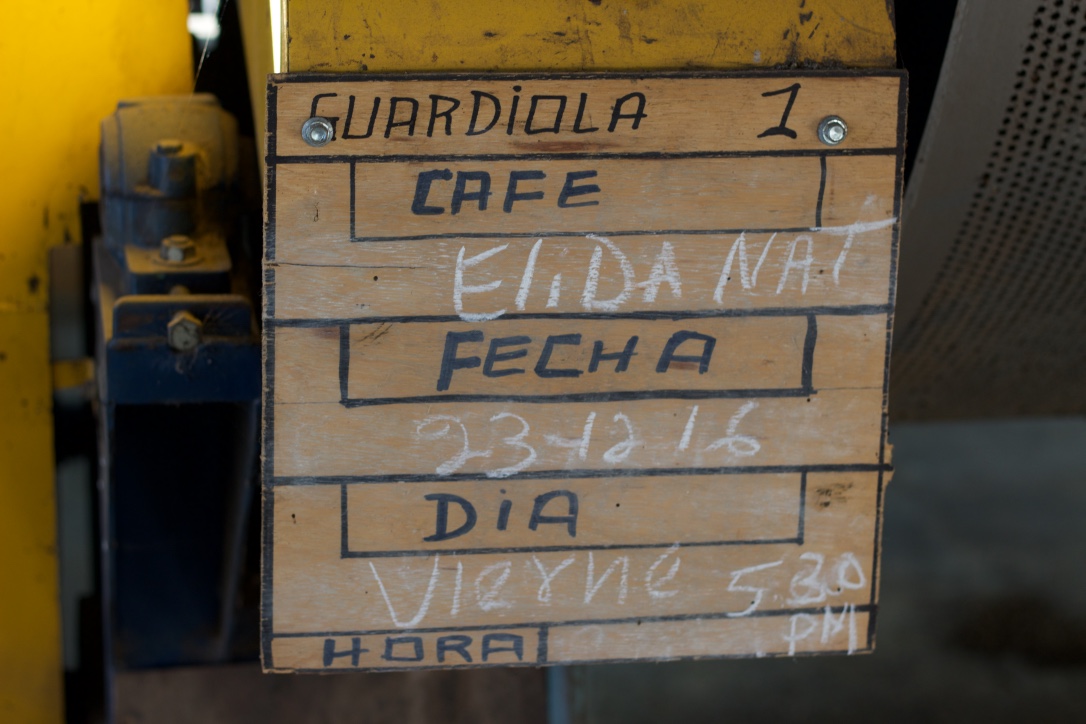
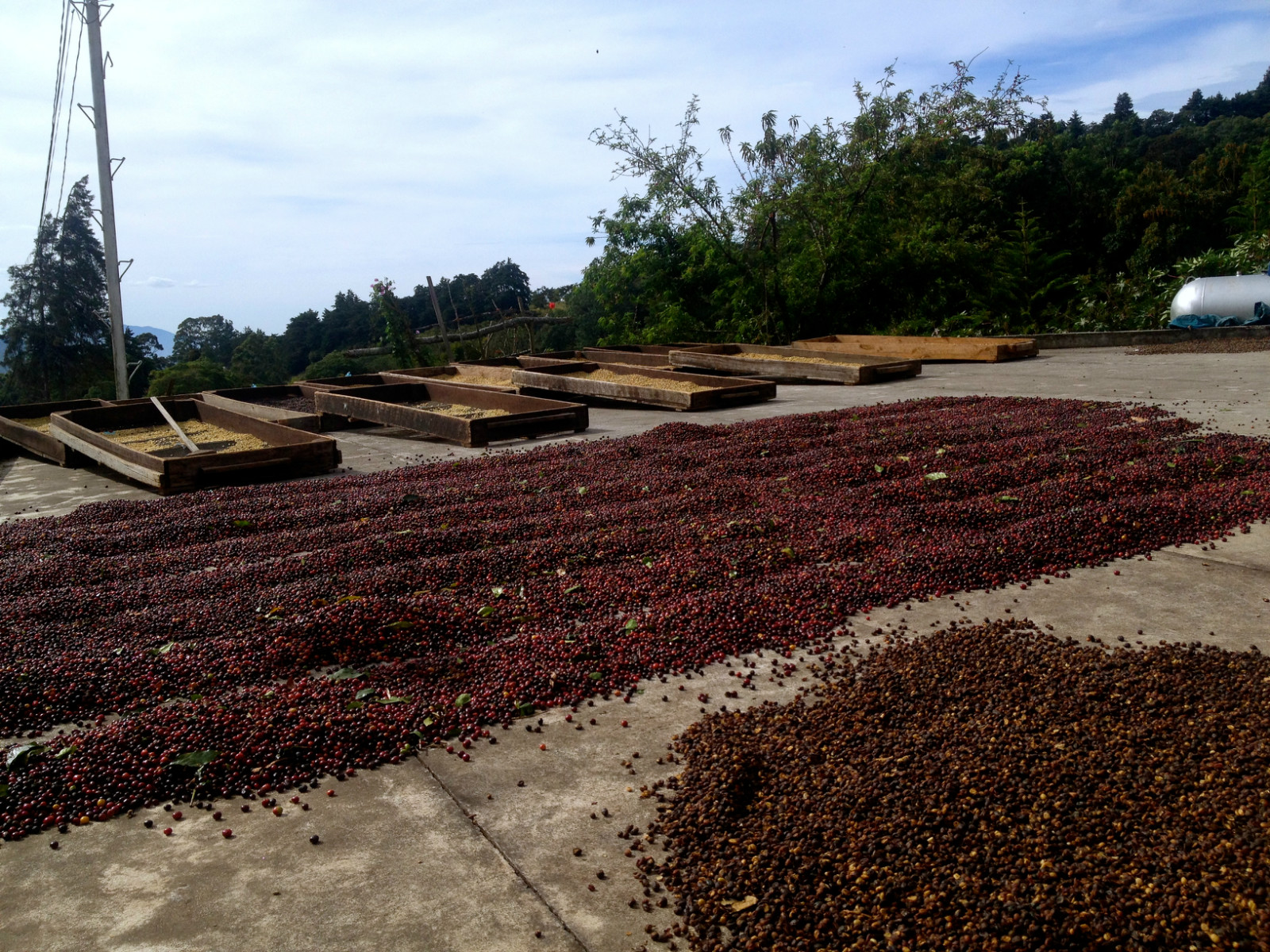
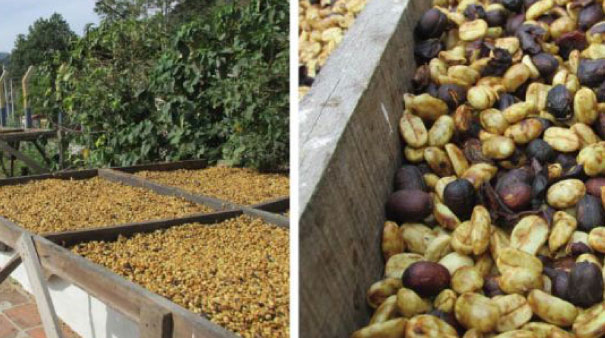
The green beans undergo a natural processing method rare in Central America: dark reddish-purple berries at peak ripeness are hand-harvested and then sun-dried directly for more than two weeks. The sugars from the pulp and the balanced fermentation products of natural drying are concentrated and penetrate the beans, giving this rare high-altitude FrontStreet Coffee Panama Natural Coffee an intense dry aroma blending strawberry, cream, and toasted notes, and a cup that transforms into rich berries and tropical fruit mixed with vanilla.
Brewing Recommendations
FrontStreet Coffee recommends brewing methods: Siphon, Pour-over
Grind size: 3.5 (Japanese Fuji R440)
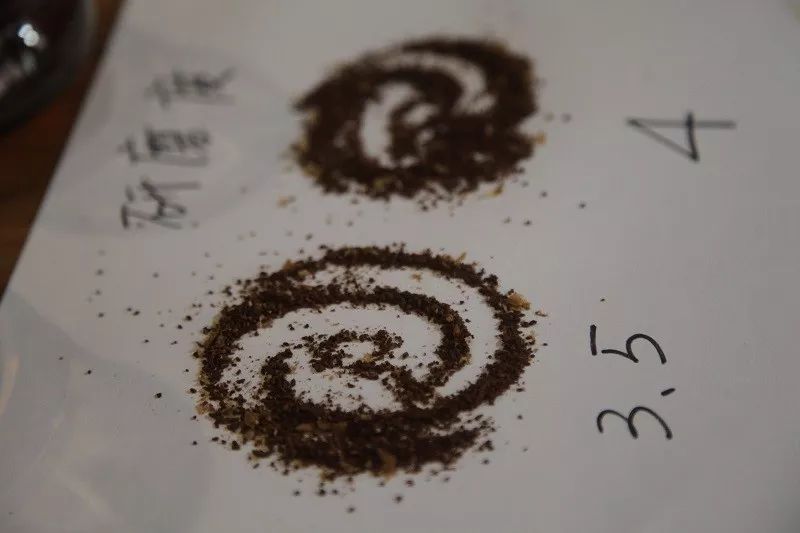
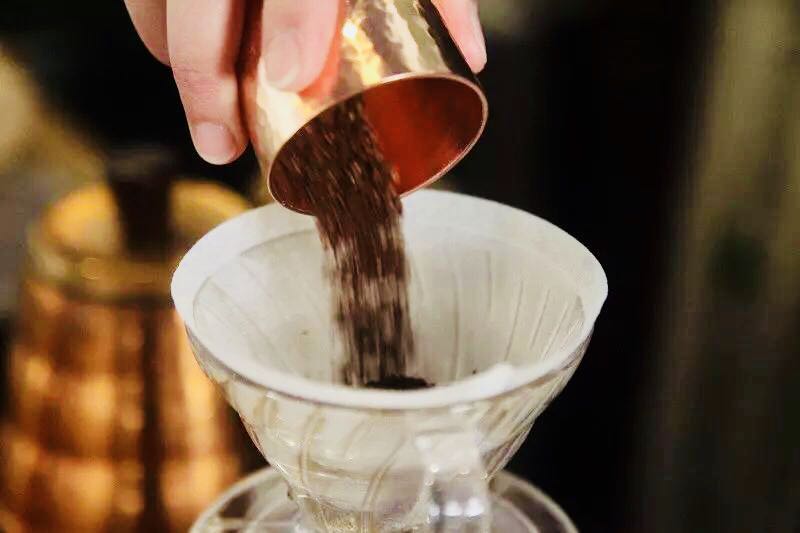
V60 dripper, 15g coffee, water temperature 90°C, grind 3.5, water-to-coffee ratio close to 1:15
30g water for bloom, bloom time 30s
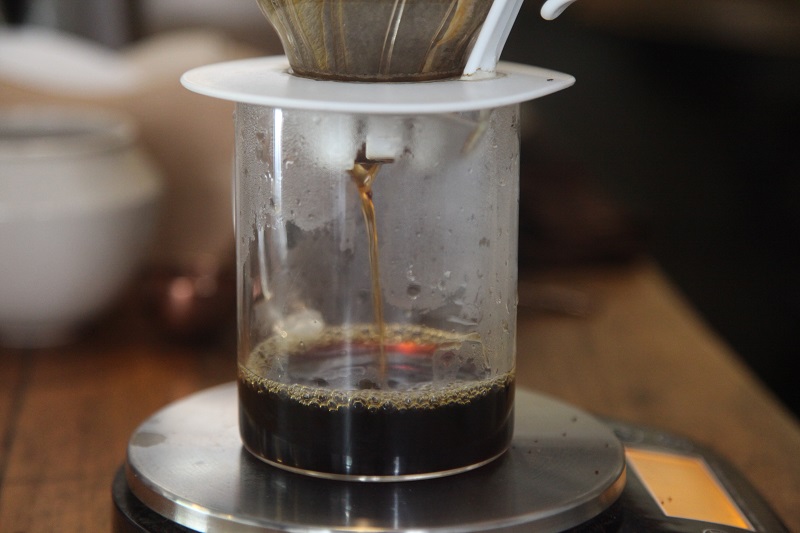
Segmentation: Pour water to 120ml, pause, then slowly pour to 225ml
That is: 30-120-225
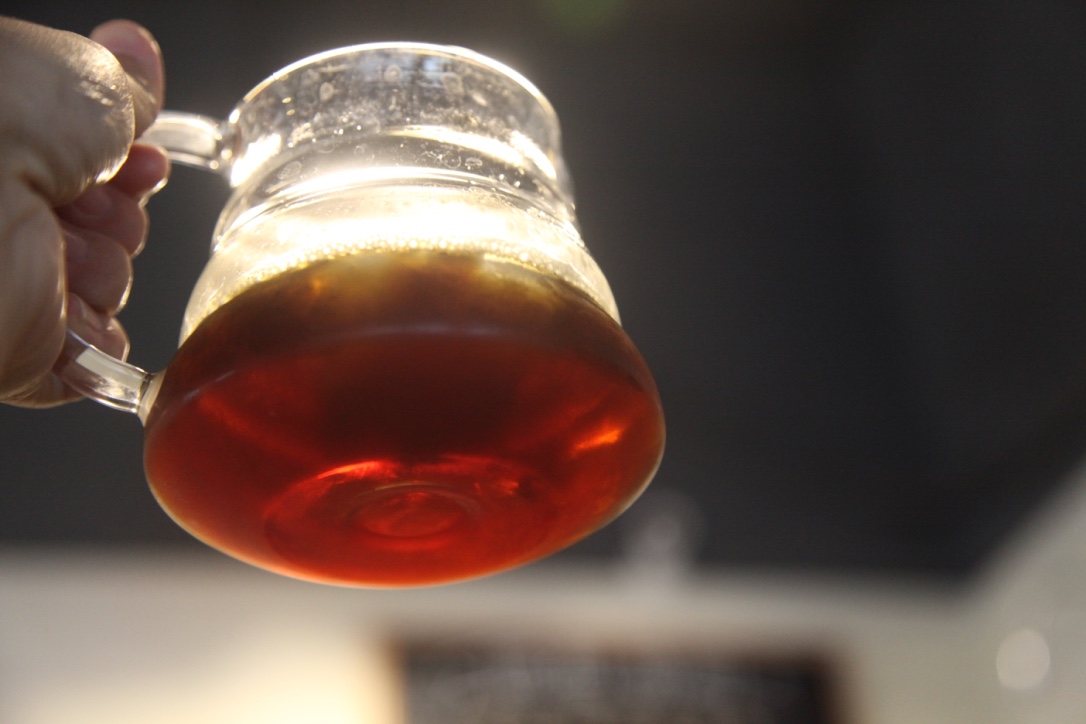
On tasting, you can clearly detect peach, raisin, and orange, followed by sucrose and melon sweetness, with a finish featuring grapefruit and green tea notes.
FrontStreet Coffee Recommendation
Elida's reputation rests on Panama Geisha at high altitude, and FrontStreet Panama Hacienda La Esmeralda Green Label Geisha offers the clearest way to taste that profile. Grown at 1600-1800 meters and processed washed, it shows jasmine, citrus, honeydew melon, berries, and orange peel, with the clean, bright structure Panama Geisha is known for.
For the estate's top tier, FrontStreet Panama Hacienda La Esmeralda Red Label Geisha is grown in the Boquete region at 1700 meters and processed naturally, opening with lemon, honey, berries, orange peel, mango, cream, and citrus. It shares the same bright floral and citrus aromatics that make high-altitude Panama Geisha so prized.
If you want a more affordable way into the Geisha character, FrontStreet Boquete Geisha is an entry-level Panama Geisha from the Boquete area that brings the classic citrus-honey depth, an oolong tea sensation, and a fine, layered fruit sweet-and-sour profile at a much lower price.
Important Notice :
FrontStreet Coffee is a long-established specialty coffee roaster in Guangzhou China, selling freshly roasted beans from its own farm in Yunnan as well as dozens of carefully selected single-origin beans from around the world for both pour-over and espresso. The products deliver consistently excellent quality and great value, with shipping within 24 hours. Guangzhou's FrontStreet Coffee shop is recommended by many coffee lovers, and the beans are now available online at the Tmall 。
FrontStreet Coffee has moved to a new address:
FrontStreet Coffee Address: 315,Donghua East Road,GuangZhou
Tel:020 38364473
 Scan and follow the En Gafei WeChat official account. Please indicate that the reprint comes from "En Gafei".