Ethiopian Sidamo Coffee Beans 90+ Chelbessa Brewing Parameters Flavor Profile Description
For professional coffee knowledge exchange and more bean information, follow Coffee Workshop (WeChat official account: cafe_style).
Introduction
Anyone who drinks pour-over regularly will be familiar with Ethiopian coffee, especially the coffee of the Sidamo region, which is beloved by many. Mention Sidamo beans and the most famous is undoubtedly Guji, but Dima is a favorite among coffee lovers too. In this article, FrontStreet Coffee discusses Dima, the flagship bean from the 90+ green bean company, known as "the cream of the crop among the elite."
Where Is the Sidamo Coffee Region?
Sidamo lies in southern Ethiopia, extending east to the Arsi and Bale administrative districts and west to the Gamogofa administrative district. Sidamo coffee is cultivated at altitudes between 1400m and 2000m. Agriculture is the main industry here, with major growing areas around the Great Rift Valley. Sidamo has developed rapidly in recent years and has become an important coffee export hub.
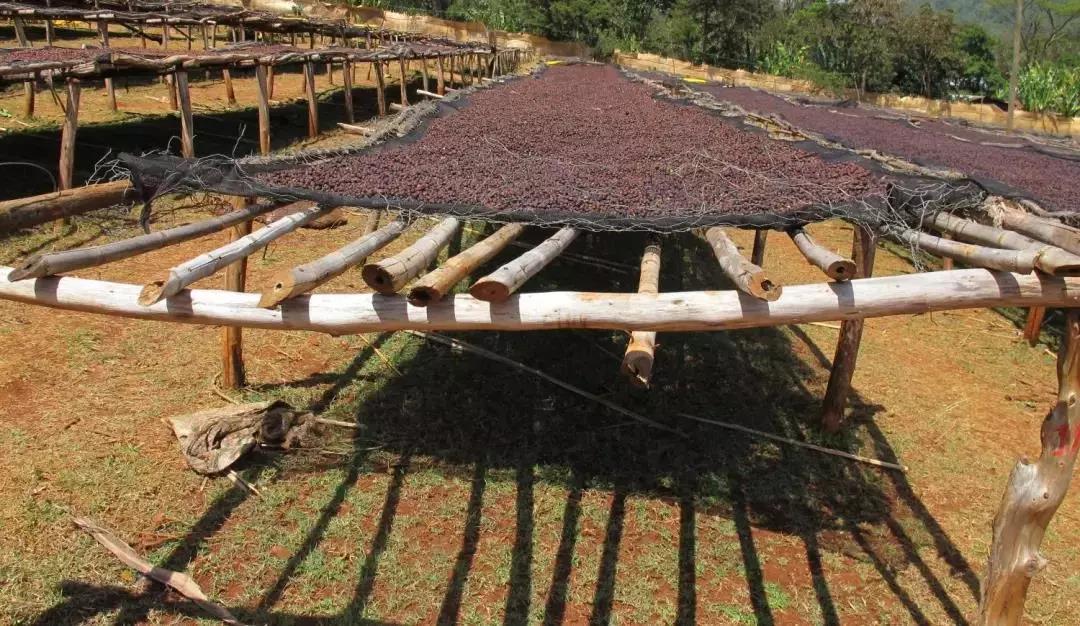
Sidamo's coffee flavors are remarkably diverse. Different soil types, microclimates, and countless native varieties produce distinct differences in the coffee from each town. Most Sidamo coffee is processed naturally. FrontStreet Coffee believes natural processing gives Sidamo beans rich fruit aromas and a smooth mouthfeel.
What Is the 90+ Green Bean Company?
All green beans from Ninety Plus come from original Ethiopian varieties, including the Gesha grown on Panamanian estates, which was transplanted from Ethiopian heirloom varieties. Processing is Ninety Plus's specialty: they separate these coffees by variety, microclimate, and harvest timing, tasting each individually, then design specific processing methods for each flavor profile to achieve particular taste characteristics — much like major fashion houses meticulously researching and investing enormous effort to create works approaching craftsmanship. Natural products go through numerous refinements before reaching their most beautiful form, and only then is the result presented to everyone.

What Is Dima Coffee?
Name origin: Drima Zede (Dima, the name of this Sidamo coffee from FrontStreet Coffee) means "Best Approach" in the local language. According to information from the original producer, this Yirgacheffe is a specialized product line developed through 90+ years of experience. Natural processing is ancient and it is difficult to achieve pure flavors, but Drima Zede, with 90+ technical support, uses only hand-selected fully ripe cherries, employs high-rack natural drying, and requires constant stirring during drying to ensure uniformity. FrontStreet Coffee cupped the Dima beans from the pre-2020 harvest season and found a full, smooth mouthfeel with prominent nectarine and berry flavors, balanced acidity and sweetness, and more tropical fruit flavors appearing as the coffee cools.
Have Dima Coffee Beans Changed Flavor? Because the Variety Changed
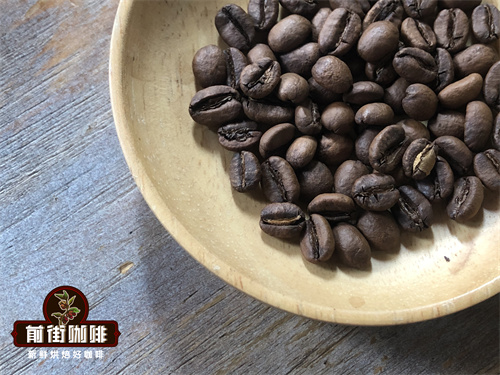
In 2013, 90+ created the Dima product in Ethiopia, enhancing the flavors of Ethiopian native varieties through deeper fermentation. In 2020, the 90+ team also applied this processing method to the Caturra variety from Panama, replacing the original Sidamo to recreate this Dima. So the variety of the 90+ Dima from the 2020 new harvest season is no longer a native variety but Caturra, commonly found in Panama. FrontStreet Coffee cupped the Dima beans from the 2020 harvest season and found reduced berry-like flavors, plum-like acidity, a smooth mouthfeel, and a finish of mango and nectarine.
How to Roast Dima Coffee Beans
Preheat the roaster to 200°C, set the air damper to 3, heat to 160, keep the air damper unchanged, return temperature at 1'32"; when the roaster temperature reaches 140, adjust the air damper to 4. At this point the bean surface turns yellow, the grassy aroma disappears completely, and the bean enters the dehydration stage. When the roaster temperature reaches 168°C, adjust the heat to 140 degrees and keep the air damper unchanged.
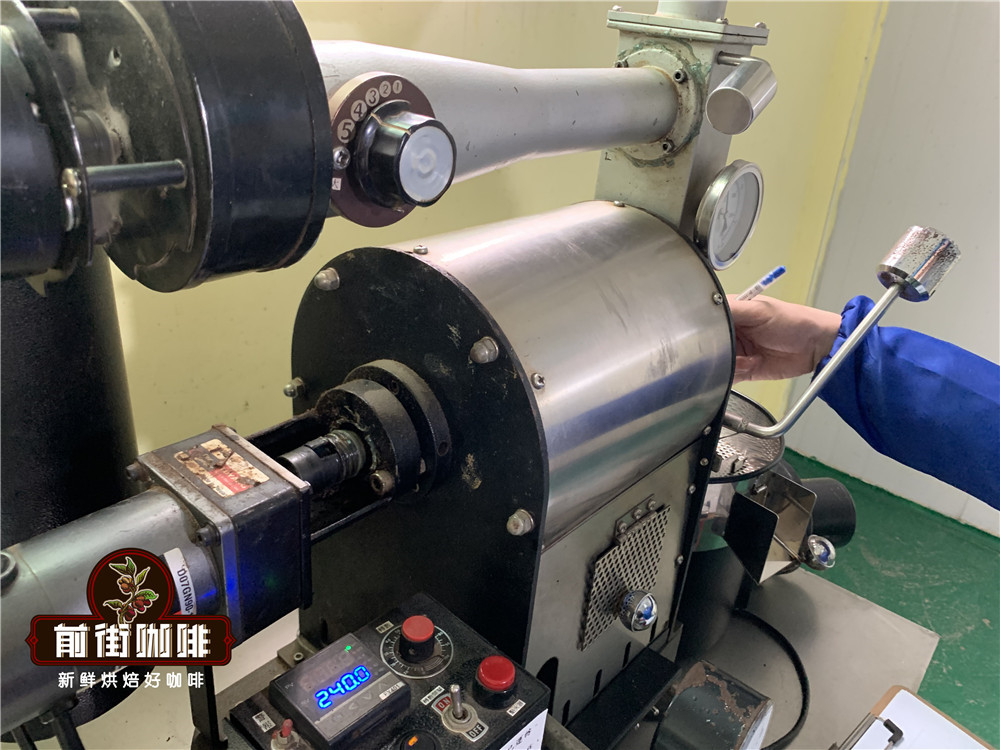
At 8'56", ugly wrinkles and black spots appear on the bean surface, and the toast aroma clearly changes to coffee aroma — the prelude to first crack. Listen carefully for the sound of first crack. At 9'14" first crack begins; reduce heat to 110, adjust the air damper to 5, develop for 1'45" after first crack, and drop at 196 degrees.
How to Brew Dima Coffee Beans
Filter: V60#01
Water Temperature: 90°C
Coffee Amount: 15g
Coffee-to-Water Ratio: 1:15
Grind Size: Medium-fine (75% pass-through on a China standard #20 sieve)

FrontStreet Coffee's Method: Three-stage extraction. Use 30g of water for a 30-second bloom, then pour in slow circles to 125g; when the water level drops and is about to expose the coffee bed, continue pouring to 225g and stop. When the water level drops again and is about to expose the bed, remove the filter. (Timing starts from the bloom.) Total extraction time is 1'59".
For more specialty beans, add FrontStreet Coffee on private WeChat (FrontStreet Coffee), WeChat ID: kaixinguoguo0925.
FrontStreet Coffee Recommendation
If the floral, fruit-forward profile of a good Ethiopian cup is what you enjoy, FrontStreet Coffee's Geisha selection pushes that same character in a more precise direction. The Grana Gesha is grown on a single-variety farm at the border of Ethiopia's Kochore and Grana Abaya regions and dried on raised beds for 14-20 days; medium-light roasted, it shows bright citrus acidity, elegant ginger flower, and full ripe-fruit sweetness with a fine, silky body and the varietal's signature refined finish.
If you want to explore the variety at its most celebrated, the Panama Boquete Geisha brings classic orange-blossom honey, an oolong tea body, and layered fruit acidity at a friendly price, while the Esmeralda Green Label and Red Label lots from La Esmeralda Estate offer the estate's benchmark jasmine and ginger flower aromatics. All are best brewed as pour-over so the florals can open fully.
Important Notice :
FrontStreet Coffee is a long-established specialty coffee roaster in Guangzhou China, selling freshly roasted beans from its own farm in Yunnan as well as dozens of carefully selected single-origin beans from around the world for both pour-over and espresso. The products deliver consistently excellent quality and great value, with shipping within 24 hours. Guangzhou's FrontStreet Coffee shop is recommended by many coffee lovers, and the beans are now available online at the Tmall 。
FrontStreet Coffee has moved to a new address:
FrontStreet Coffee Address: 315,Donghua East Road,GuangZhou
Tel:020 38364473
 Scan and follow the En Gafei WeChat official account. Please indicate that the reprint comes from "En Gafei".