How Tightly Should Coffee Grounds Be Tamped When Making Coffee-What Happens if Coffee Grounds Are Tamped Too Tightly
The Importance of Tamping in Espresso Making
When it comes to making a good espresso, FrontStreet Coffee believes the most fundamental yet crucial step is tamping. If the flow rate is too fast, the tamp was too light; if the flow rate is too slow, the tamp was too heavy — either way, it directly affects the quality and taste of the final shot. When making espresso you'll notice various tools: portafilters, distribution tools, tampers. Some people ask FrontStreet Coffee: "If I already have a tamper, why do I need a distribution tool? Is a distribution tool absolutely necessary?" And "How much pressure should I apply when tamping?" Today, FrontStreet Coffee takes an in-depth look at these questions.
When pulling shots, sometimes the same parameters produce cups with inconsistent extraction. After ruling out machine issues, the culprit is often inconsistent puck preparation. FrontStreet Coffee considers the tamper an essential tool for espresso. The purpose of tamping is to achieve more even extraction and consistent output while reducing error rates.
The Purpose of Tamping
1. Prevent channeling and make extraction more even.
Even after distribution, the gaps between coffee particles may still be uneven, and a loose coffee bed can easily be disrupted by 9-bar hot water during extraction, forming channels. Compacting the grounds makes the puck denser, minimizing gaps between particles and reducing the likelihood of channeling.
2. Ensure output stability and reduce error rates.
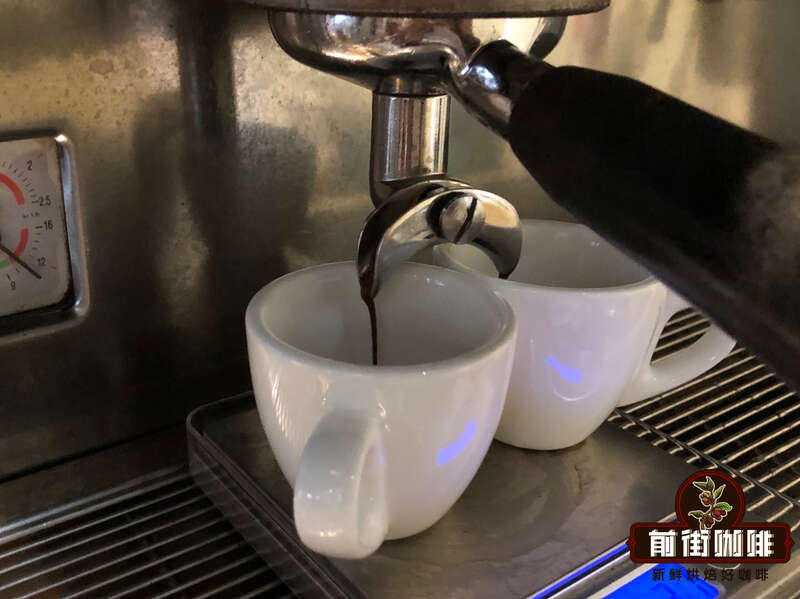
Espresso extraction is a technical craft. Every dose and distribution leaves slightly different gaps between particles. As the final step before extraction, tamping plays a crucial role in whether the shot runs stable.
Experiment: Tamping vs. No Tamping
Let's pull shots with and without tamping to see the difference. For this experiment we'll use FrontStreet Coffee's own Sunflower Warm Sun Blend, which combines FrontStreet's sherry barrel-processed Honduras beans with FrontStreet's natural Yirgacheffe Red Cherry Project beans in a 6:4 ratio. Sixty percent Honduras Sherry provides flavor and body, while forty percent natural Yirgacheffe contributes aroma and acidity. The bean information is as follows:
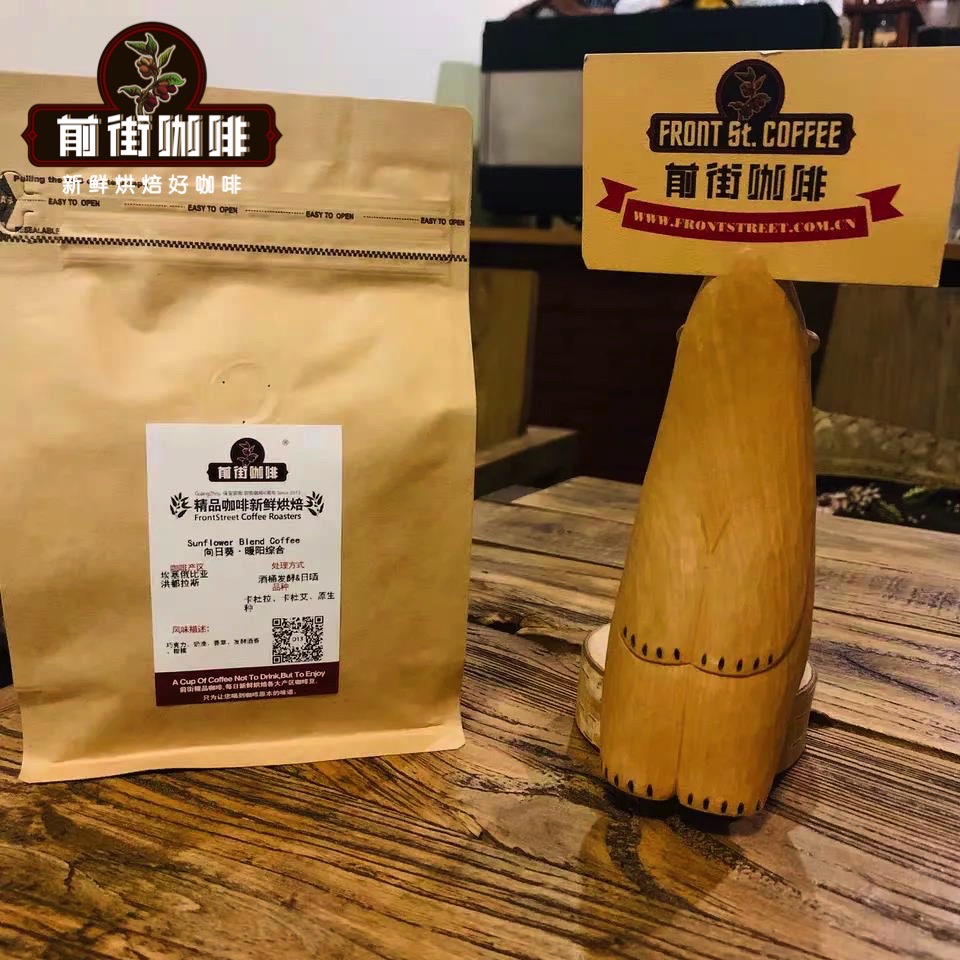
FrontStreet Coffee · Sunflower Warm Sun Blend
Blend composition: FrontStreet Honduras Sherry Barrel & FrontStreet Yirgacheffe Natural Red Cherry
Composition ratio: 6:4
Flavor description: Vanilla, cream, fermented wine aroma, chocolate
FrontStreet Coffee used 20g of coffee to extract 40g of espresso. The results:
Distribution Tool Only, No Tamping
Coffee liquid volume: 40g
Extraction time: 22s
Observation of extraction: Spraying during the pour, flow rate unstable throughout.
Sensory experience: Sharp acidity, watery texture
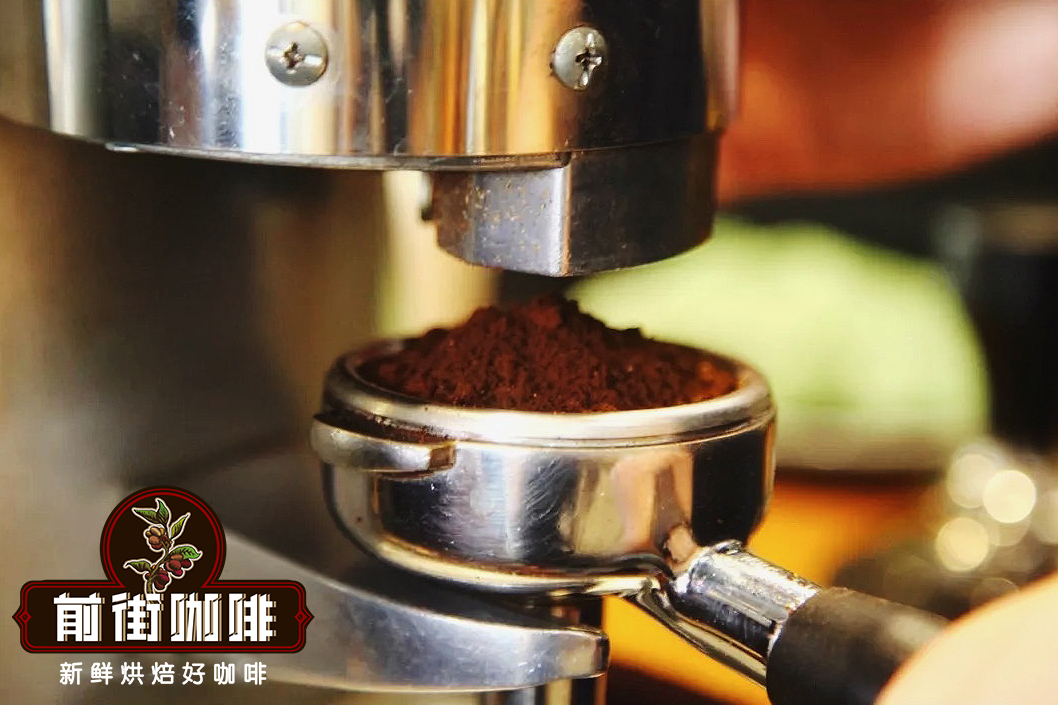
With Tamping
Coffee liquid volume: 40g
Extraction time: 27s
Observation of extraction: Uniform flow rate throughout, no spraying.
Sensory experience: Rich chocolate and fermented wine aroma
Distribution Tool
FrontStreet Coffee believes distribution is a key step in making a qualified espresso. The quality of distribution can make or break a shot, and it's an important scoring item in barista competitions.
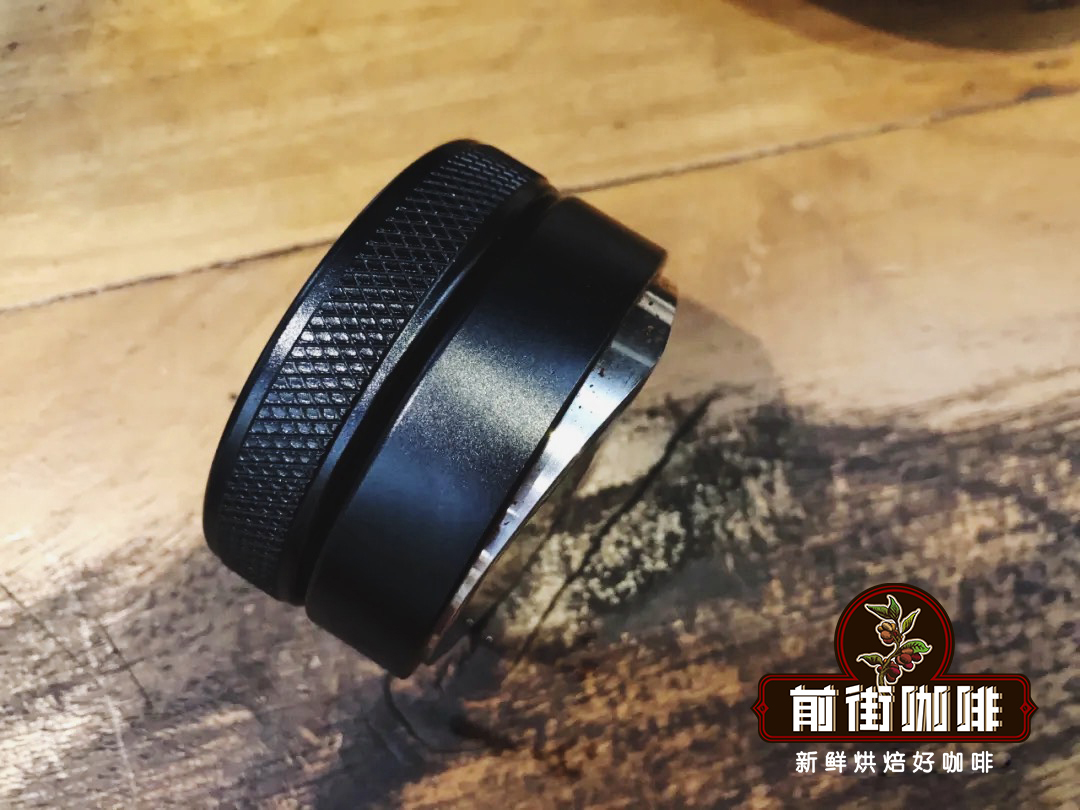
Distribution has two essential goals: breaking up clumps and leveling.
1. Breaking up clumps
Spread particles of different sizes from the grinder as evenly as possible, avoiding concentrations of coarse or fines and preventing clumping.
2. Leveling
Spread the coffee evenly across the portafilter basket — uniform throughout, no areas of excess or shortage, no mounds or empty spaces.
Common distribution methods include finger distribution and tool distribution. Finger distribution means gently sweeping your fingers back and forth across the basket to level the coffee. Note that this should be done horizontally along the basket's edge, not pressing down into the coffee layer.
Distribution tools can break up clumps and even out particles, but they have drawbacks: they waste coffee, more complex models take skill to operate, the downward pressure during distribution can create internal cracks, and they only smooth the surface without guaranteeing consistent density and depth below.
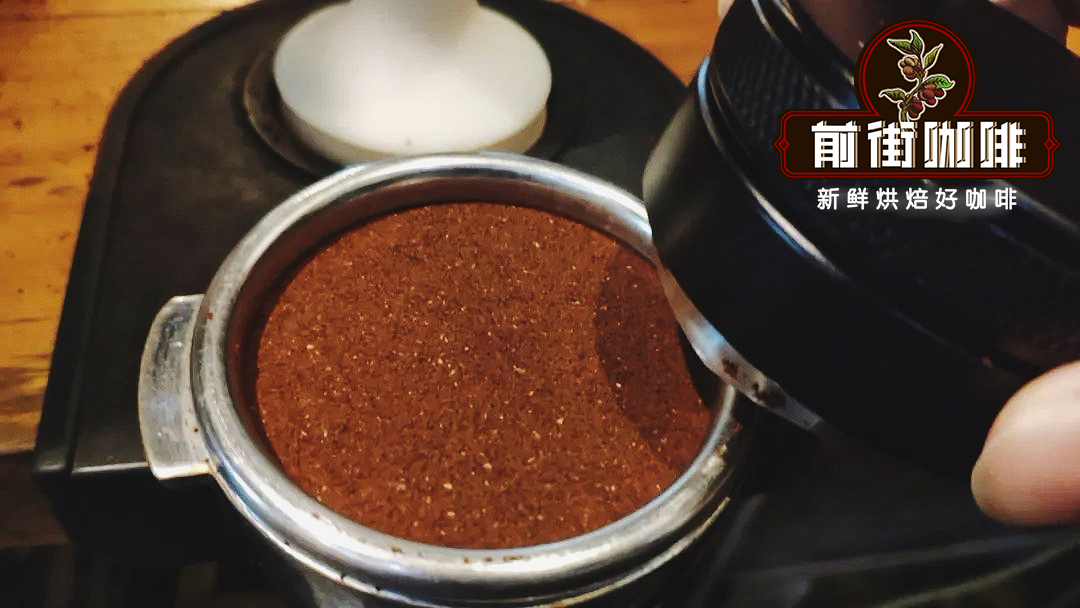
Tamper
Tamping is the process of compacting loose grounds with a tamper so the coffee puck can offer some resistance against 9-bar water pressure.
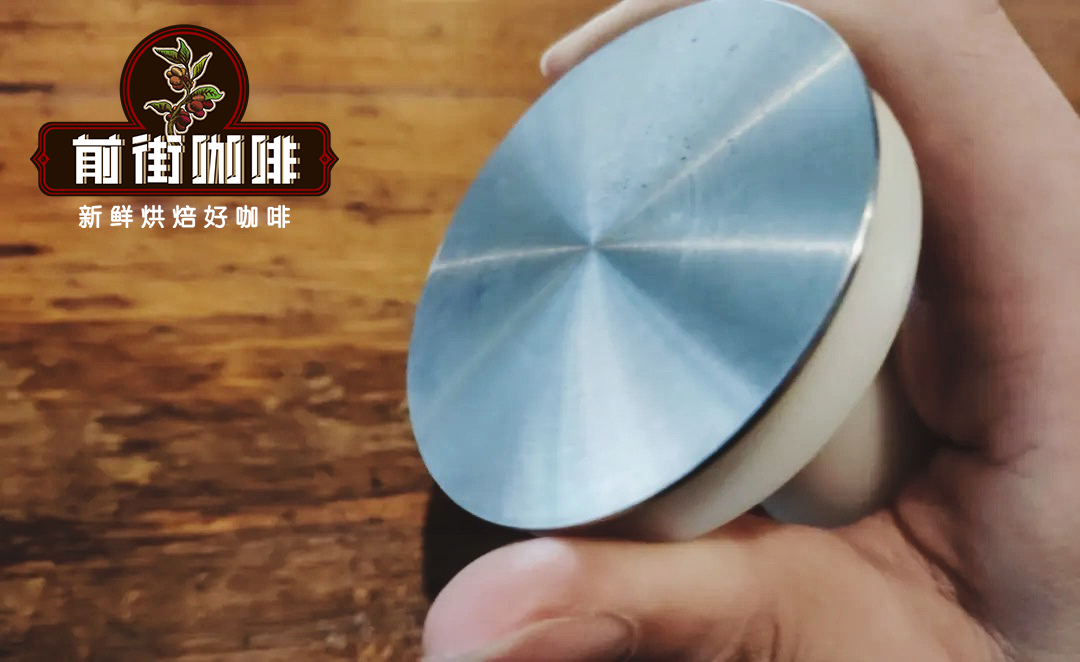
Differences Between Distribution Tool and Tamper
After the introductions above, the difference should be clear. FrontStreet Coffee will summarize briefly: a distribution tool only makes the coffee grounds even, while a tamper compacts the loose grounds so the puck can resist 9-bar water pressure.
Is a Distribution Tool Necessary?
FrontStreet Coffee believes that if your grinder produces decent-quality grounds without heavy clumping, simple leveling is enough — hand smoothing or a few taps will basically achieve even distribution. Combined with proper tamping technique, you can get consistent shots. If you're producing high volumes or have higher quality demands, choose a suitable tool to assist as described above.
How to Tamp Correctly
First, choose a tamper that matches your portafilter's diameter. A mismatched size either can't tamp properly or leaves gaps at the basket's edge, making the tamp ineffective.
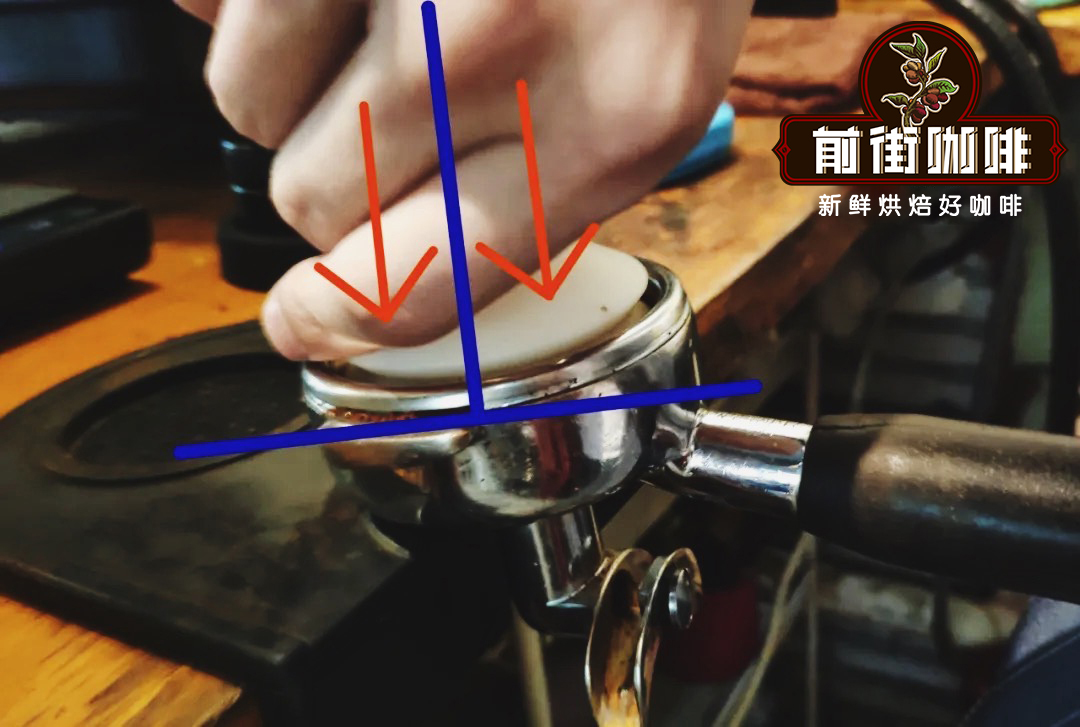
Tamping posture varies from person to person, but the general principle is that the tamper handle should be perpendicular to the basket, with force applied evenly. Press down to make the coffee layer smooth and level. If uneven force produces a slanted puck, the high-temperature, high-pressure water from the group head will seek the path of least resistance, causing uneven extraction.
How hard should you press? Around 2000, when La Marzocco was designing their Swift automatic filling device, they ran extraction experiments with forces from 2 pounds up to 30 pounds (about 15kg). They found that regardless of the force applied, almost none of it reached the bottom of the coffee puck. So tamping pressure doesn't significantly affect extraction as long as the coffee is properly compacted. While tamping, you can "feel" the puck compress. There's no need to press too hard: a puck compacted too tightly offers too much resistance, the water takes longer to pass through, and the shot turns thick and bitter.
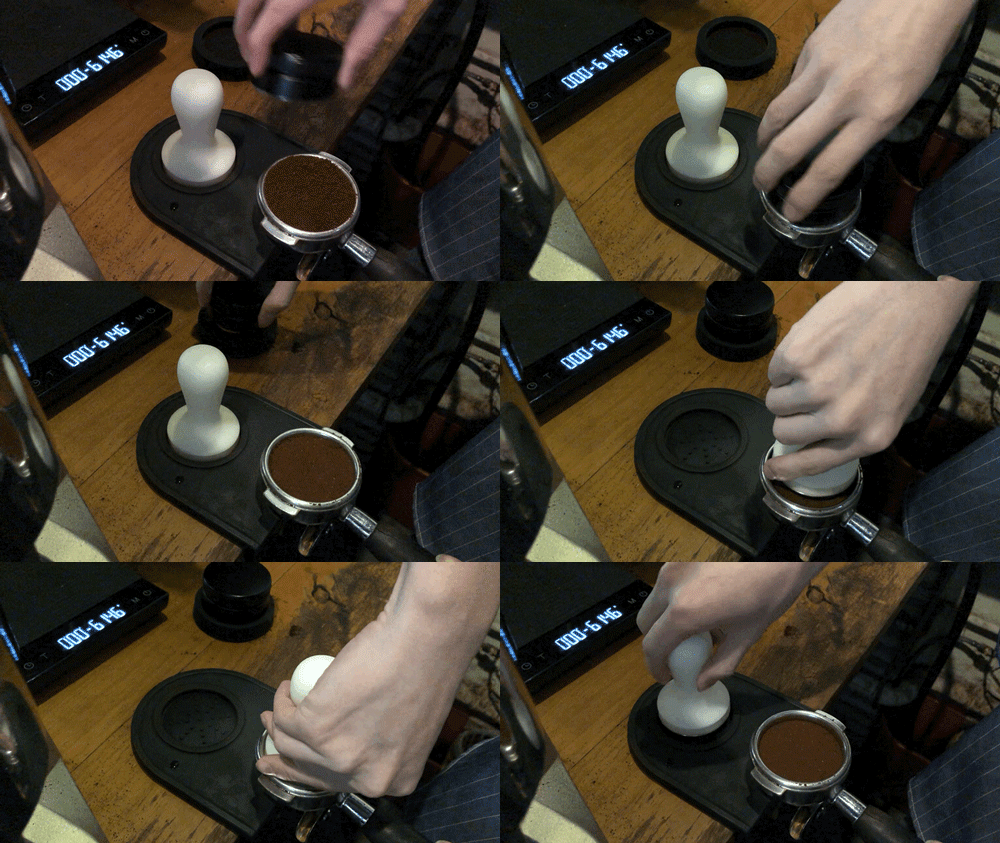
After tamping, small clumps of fine coffee may stick to the tamper or the basket's surface. Simply rotate the tamper gently before lifting it away.
FrontStreet Coffee Recommendation
A well-tamped shot deserves the right bean. FrontStreet Coffee's Classic Blend was designed precisely for espresso and moka pot brewing, and its standout strength is crema: even beginners on non-professional home machines can extract thick, silky golden crema — the foundation of every latte, cappuccino, and Dirty. Built on the traditional Mocha-Mandheling (Mamba) formula with a touch of Robusta, it brews with butter, nut, spice, and dark chocolate aromas and a wild, full-bodied character, and its forgiving nature makes consistent extraction — and latte art — noticeably easier.
Important Notice :
FrontStreet Coffee is a long-established specialty coffee roaster in Guangzhou China, selling freshly roasted beans from its own farm in Yunnan as well as dozens of carefully selected single-origin beans from around the world for both pour-over and espresso. The products deliver consistently excellent quality and great value, with shipping within 24 hours. Guangzhou's FrontStreet Coffee shop is recommended by many coffee lovers, and the beans are now available online at the Tmall 。
FrontStreet Coffee has moved to a new address:
FrontStreet Coffee Address: 315,Donghua East Road,GuangZhou
Tel:020 38364473
 Scan and follow the En Gafei WeChat official account. Please indicate that the reprint comes from "En Gafei".