The Differences Between Indonesian Mandheling G1 and Golden Mandheling Coffee Beans: Varieties, Processing Methods, and Flavor Profiles
Indonesian Mandheling coffee is one of the most famous coffee beans in the world. Mandheling comes in many grades and guises, and many enthusiasts struggle to tell Golden Mandheling apart from Mandheling G1. FrontStreet Coffee uses this article to explain what sets them apart.
Indonesian Mandheling Coffee Beans
Mandheling is neither the name of a coffee variety nor of a growing region. The name comes from the Mandailing people, a coffee-growing tribe. When Japanese soldiers returned home after Indonesia's colonial period, they could not forget the delicious local coffee. Through their trade connections they asked locals to help collect high-quality beans, and when asked what the beans were called, the locals mistakenly thought they were being asked about their own identity and answered "Mandailing." Through subsequent translation this became "Mandheling."
Today, Mandheling generally refers to Arabica coffee beans from North Sumatra, Indonesia. The most famous growing regions are the Aceh region centered on Lake Tawar and the Lintong region centered on Lake Toba — together known as the "Two Lakes, Double Mandhelings."
Mandheling G1 Coffee Beans
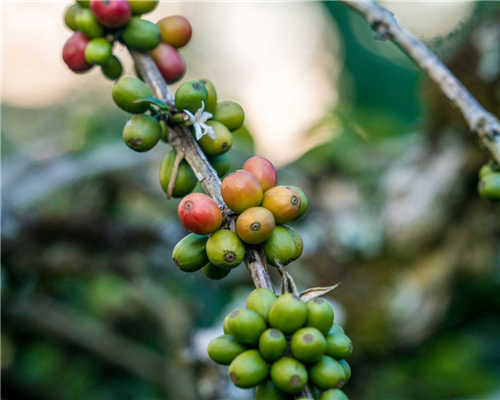
Mandheling G1 can be considered the highest quality tier of Mandheling coffee. G1 is the top grade in Indonesia's green coffee classification system, requiring fewer than 11 defects per 300g of green beans. Mandheling is also sorted by bean size, so typical Mandheling G1 beans are screen size 18. Essentially, any Mandheling from North Sumatra that meets the G1 classification can be called Mandheling G1.
Golden Mandheling Coffee Beans
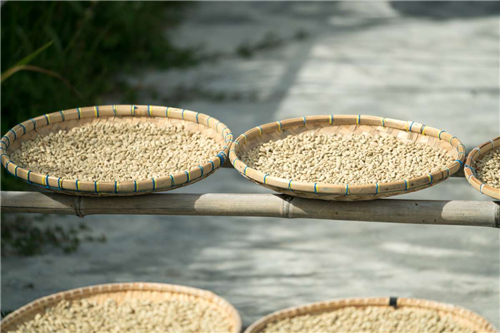
Golden Mandheling is not just a name — it is also a trademark of the Indonesian green coffee supplier PWN. PWN's Golden Mandheling is the true Golden Mandheling, and beans stamped with the PWN brand are a guarantee of quality. PWN's Golden Mandheling beans undergo three manual screenings plus one machine selection, producing remarkably beautiful beans. Because PWN has registered Golden Mandheling as a trademark, only Golden Mandheling produced by PWN is genuine "Golden Mandheling." Many beans on the market that are not PWN's but are labeled Golden Mandheling should more accurately be called Premium Mandheling.
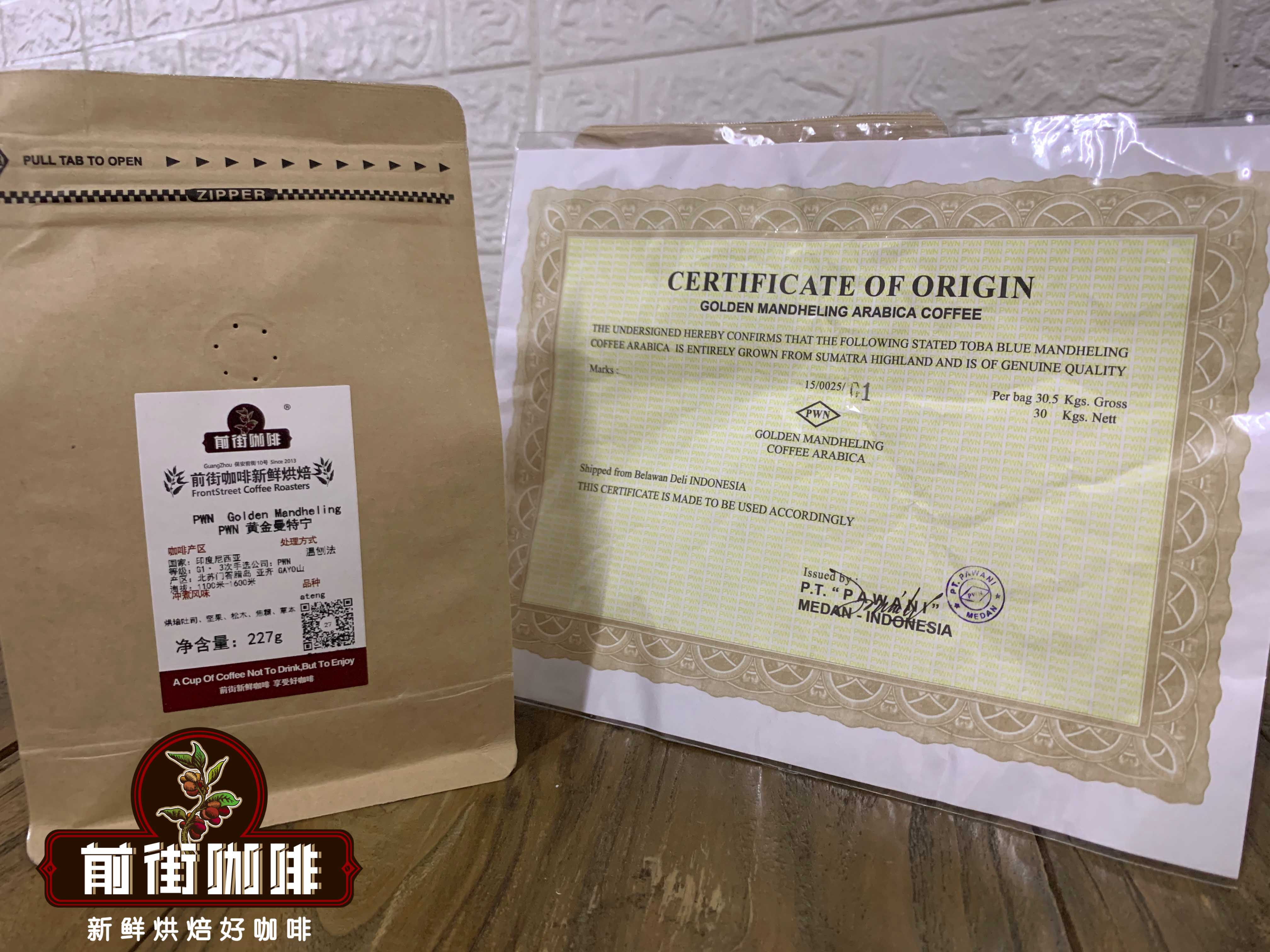
FrontStreet Coffee's Golden Mandheling is certified by PWN.
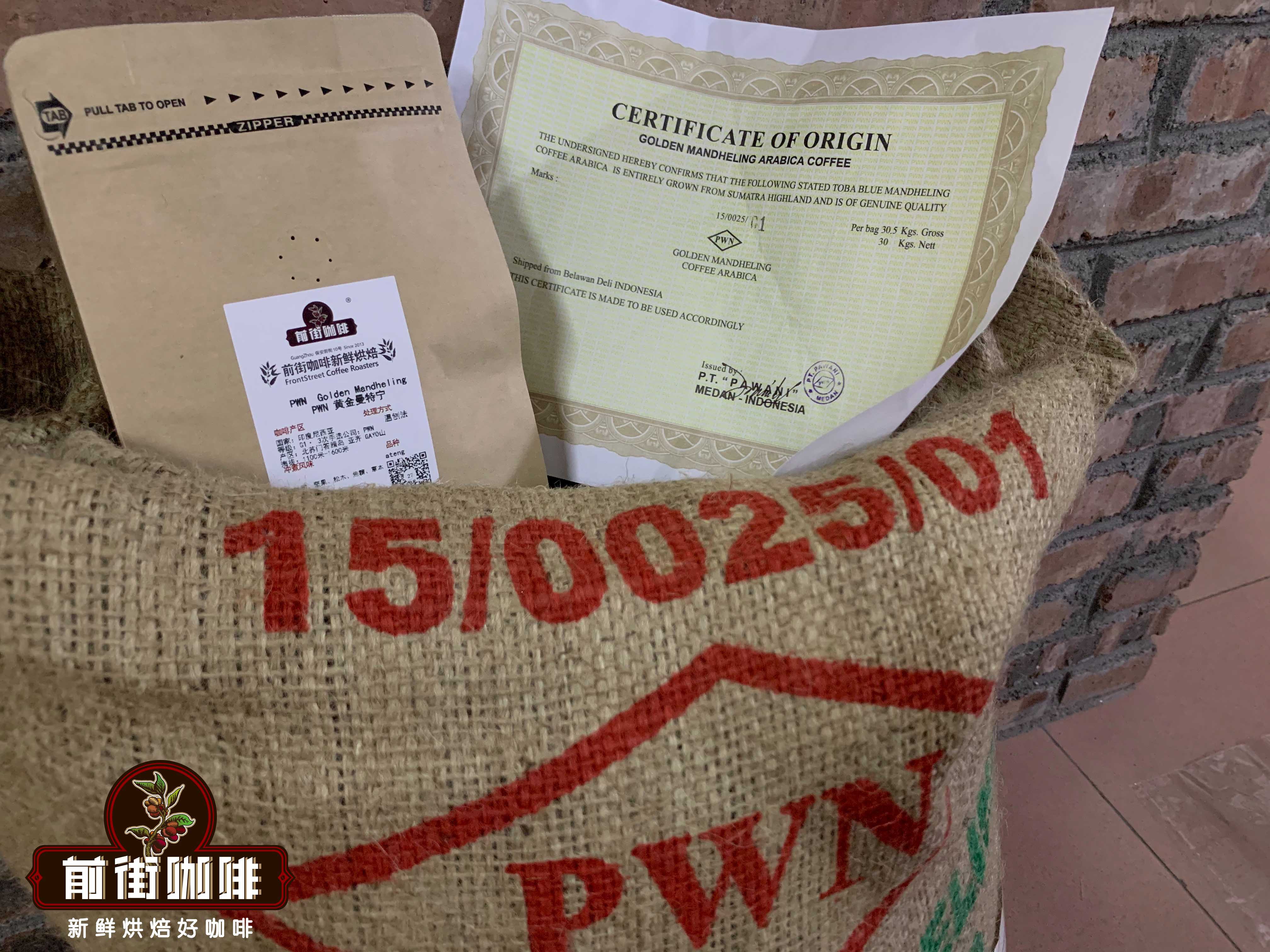
FrontStreet Coffee Indonesia PWN Golden Mandheling
Region: Gayo Mountain, Aceh, North Sumatra
Altitude: 1100–1600m
Variety: Ateng
Process: Wet-hulled
Grade: G1, triple hand-sorted
Gayo Mountain sits at the northernmost tip of Sumatra. Coffee cultivation there centers on the town of Takegon and the slopes near Lake Tawar, at an average altitude of 1100–1600 meters, and the coffee quality has always been excellent. Because of past political instability, coffee from this region was difficult to export. In recent years, as the situation has stabilized, coffee cultivation in Aceh has developed rapidly, and its quality now surpasses that of the Lintong region.
Compared with other Mandhelings, Golden Mandheling has a stronger sweet aftertaste and a sugarcane aroma. Although everyone knows only PWN's Mandheling can truly be called Golden Mandheling, PWN's annual production is limited. Therefore, a significant share of the large-bean "Golden Mandheling" on the market does not come from PWN. If you are unsure, ask the seller for the PWN certificate that accompanies the beans.
Coffee Varieties
The variety behind Golden Mandheling is "Ateng" — an unfamiliar name to most. Indonesian naming conventions for coffee varieties differ from international standards: what Indonesians call "Tim Tim" is what we call Timor, and "Ateng" is the local name for Catimor. The Ateng variety is exceptionally well suited to cultivation and flavor development in Aceh; Ateng grown there lacks the grassy taste typical of Catimor elsewhere.
Processing Method
Golden Mandheling is wet-hulled. Wet hulling is a processing method unique to Indonesia. The island's humid, rainy climate makes the natural (dry) process — which requires long periods of sun drying — difficult to carry out, and this distinctive method is precisely what creates the herbal, spicy, and rich flavor profile characteristic of Indonesian coffee.
The Wet Hulling Process
1. Depulping
As with washed processing, cherries must be processed as quickly as possible after picking. In Indonesia, cherries are typically depulped at smallholders' homes, removing the skin and some of the pulp.
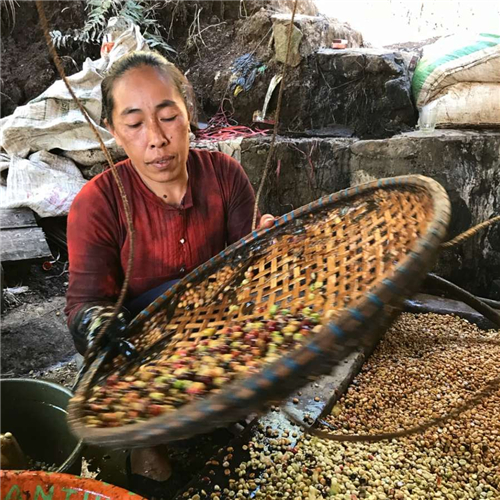
2. Washing
The depulped beans are soaked in water for 1 to 2 hours and rubbed together to remove some of the mucilage.
3. First Drying
After soaking, the beans are first dried at the farmers' homes, bringing their moisture content down to between 20% and 35%.
4. Collection
The beans are then taken to market for sale. At this stage the mucilage layer has not yet solidified and is still sticky. Traders purchase and collect these beans and send them to processing plants for the next steps.
5. Second Drying
At the processing plant, the collected beans are dried a second time, reducing the moisture content to about 18%.
6. Hulling / Wet Hulling
The beans are then run through hulling machines for wet hulling, which strips away the remaining mucilage and the parchment layer. Unlike other methods, wet hulling removes the parchment before the final drying, whereas washed processing keeps the parchment on through drying until just before export.
7. Final Drying and Storage
Finally, the beans return to the drying patios for a last pass, which brings their moisture content down to 11%. The dried beans are bagged and stored in warehouses awaiting export.
FrontStreet Coffee Roasting
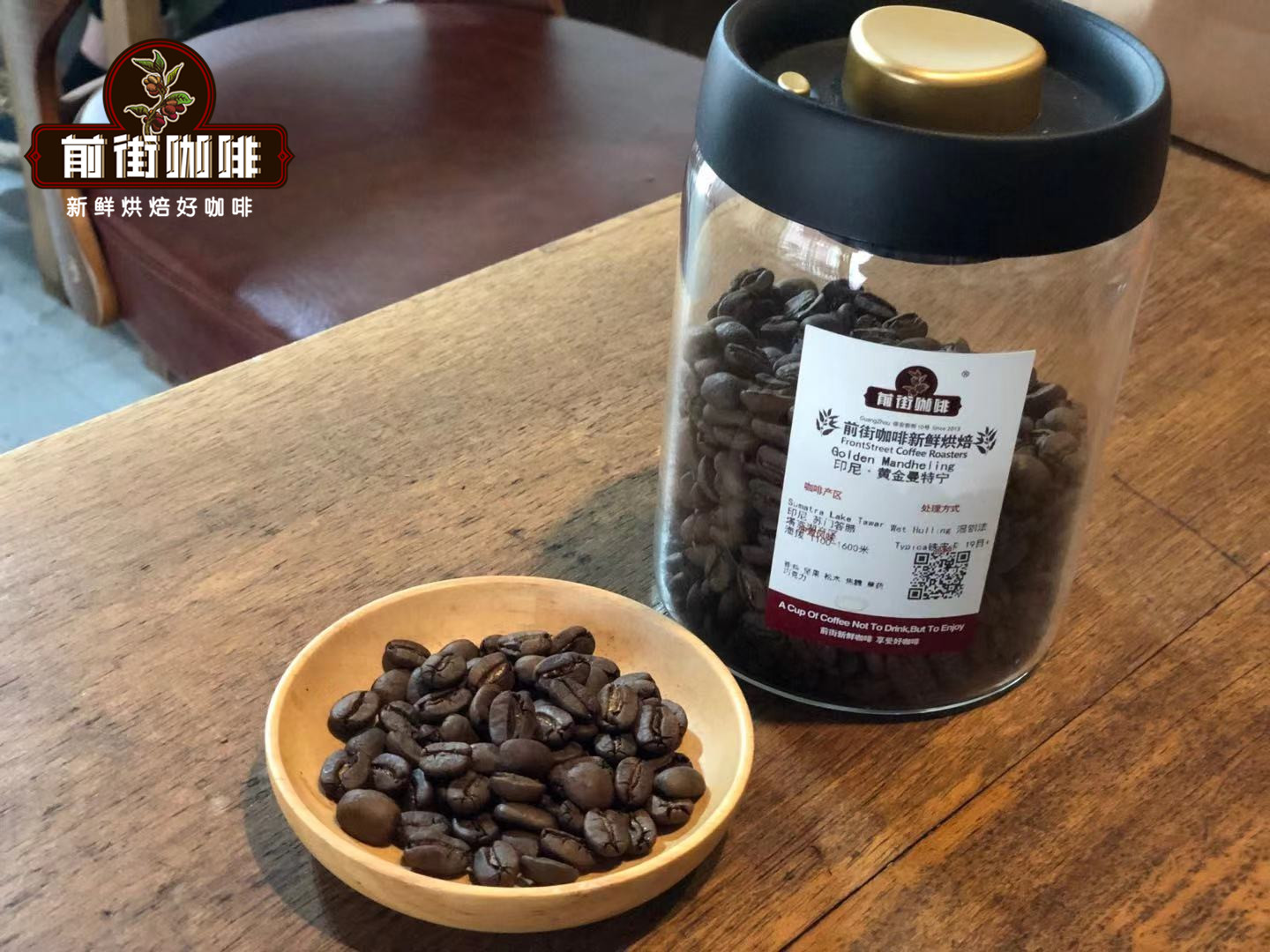
Golden Mandheling has excellent herbal aromas and stronger caramel sweetness. Its fruit acidity is calm and elegant, with rich sweetness and thick, wild spice notes. Generally, Lintong Mandheling is best roasted past the second crack to effectively reduce off-flavors. Golden Mandheling, however, already shows good clarity and sweetness before the second crack, allowing for a broader range of roasting interpretations.
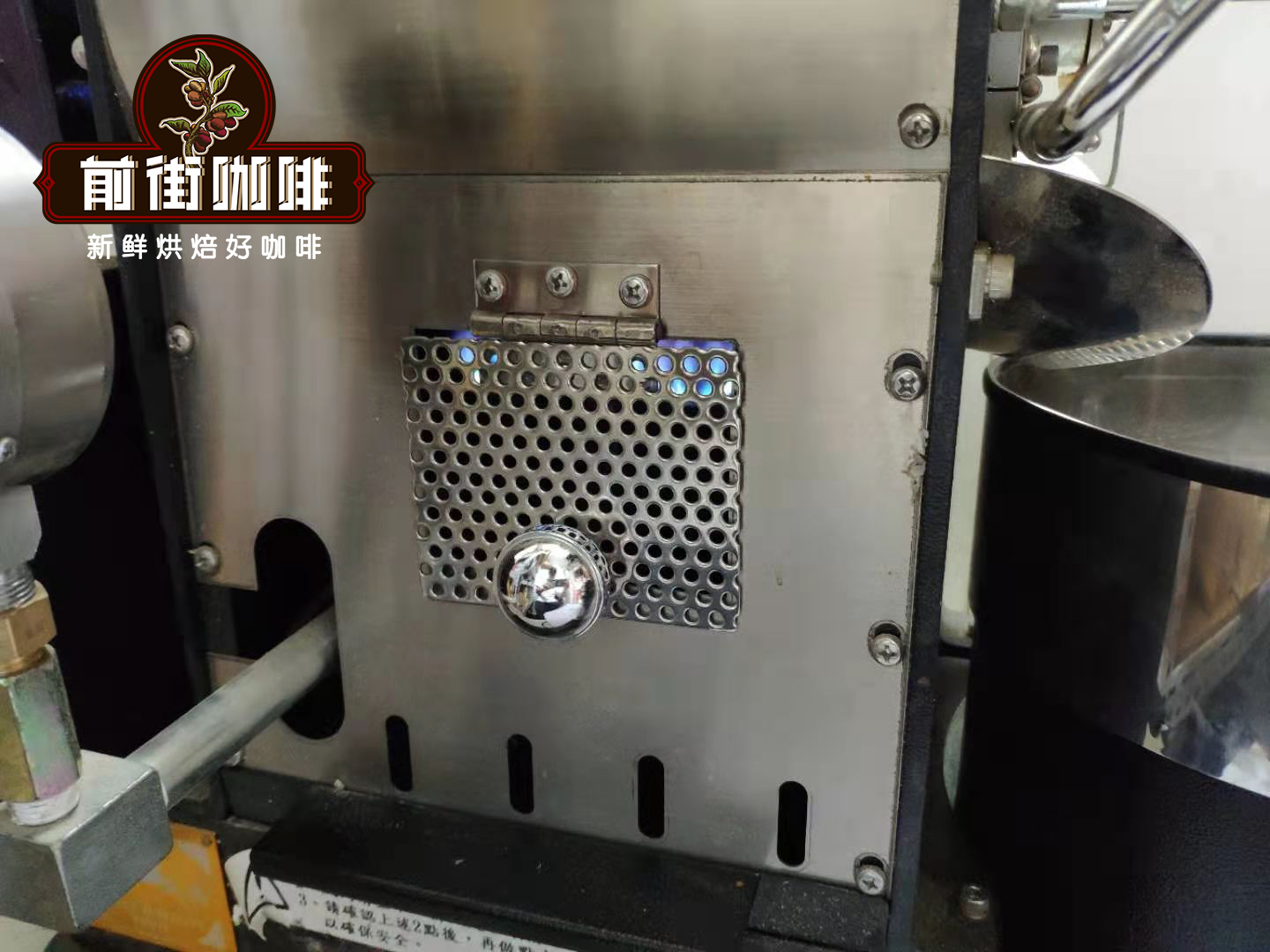
What grind size for brewing Mandheling?
Because Mandheling is dark roasted, the bean structure is loose and its compounds extract easily. To avoid pulling too many bitter compounds into the cup, a slightly coarser grind size is used. By FrontStreet Coffee's standards, the pass rate through a 0.85mm standard sieve is about 57%.
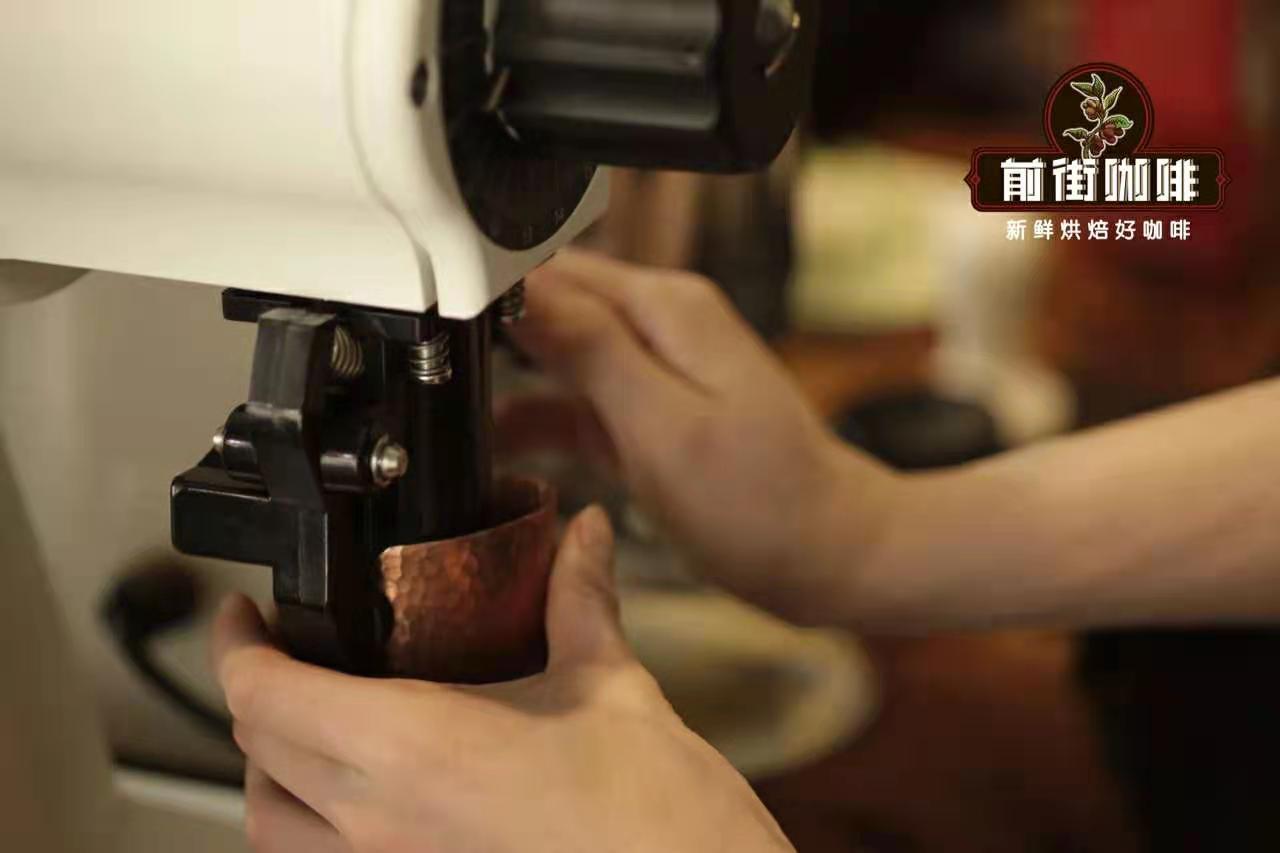
FrontStreet Coffee uses a 1:13 coffee-to-water ratio with 20 grams of coffee. The tighter ratio makes the cup taste richer. Water temperature is 87°C, brewed on a Kono dripper.
Brewing process: Pour the water slowly, keeping the surface of the coffee bed as even as possible, and avoid shaking the dripper (shaking reduces the gaps between grounds, which hinders blooming and degassing). For the first pour, make small circles in the center, adding 40g of water, and bloom for 30 seconds. The coffee bed will slowly expand into a "hamburger" shape.
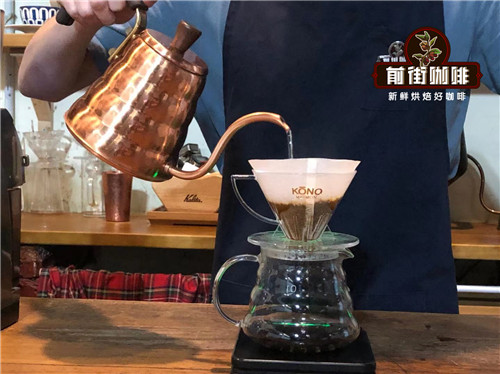
For the second pour, work in circles from the center outward, adding 120g of water. Keep the pour height as close to the coffee bed as possible and move slowly to avoid over-stirring. For the final pour, add 100g of water, then wait until all the coffee has drained into the server to finish extraction. Total brew time is 2 minutes.
Flavor: Spices, herbs, caramel, pine, nuts, chocolate.
FrontStreet Coffee Recommendation
If this deep dive into Mandheling has you craving a cup, FrontStreet Coffee's PWN Golden Mandheling is the benchmark choice. Sourced from the Gayo Mountain area around Lake Tawar in Aceh at 1100–1600 meters, it is built on beans of screen size 18 and above with fewer than 3 defects per 300g, then triple hand-sorted after one machine selection for exceptional cleanliness and sweetness.
As a medium-dark roasted wet-hulled coffee, it shows almost no acidity — instead expect a full, syrupy body with herbal and spice notes, sugarcane-like sweetness, and flavors of caramel, chocolate, and nuts. FrontStreet Coffee suggests brewing it as a pour-over with 87–88°C water, 15g of coffee at a 1:15 ratio, a grind around coarse-sugar size, and a three-stage pour to bring out its signature body and caramel sweetness. It also pulls a thick, caramel-forward espresso with plenty of crema.
Important Notice :
FrontStreet Coffee is a long-established specialty coffee roaster in Guangzhou China, selling freshly roasted beans from its own farm in Yunnan as well as dozens of carefully selected single-origin beans from around the world for both pour-over and espresso. The products deliver consistently excellent quality and great value, with shipping within 24 hours. Guangzhou's FrontStreet Coffee shop is recommended by many coffee lovers, and the beans are now available online at the Tmall 。
FrontStreet Coffee has moved to a new address:
FrontStreet Coffee Address: 315,Donghua East Road,GuangZhou
Tel:020 38364473
 Scan and follow the En Gafei WeChat official account. Please indicate that the reprint comes from "En Gafei".