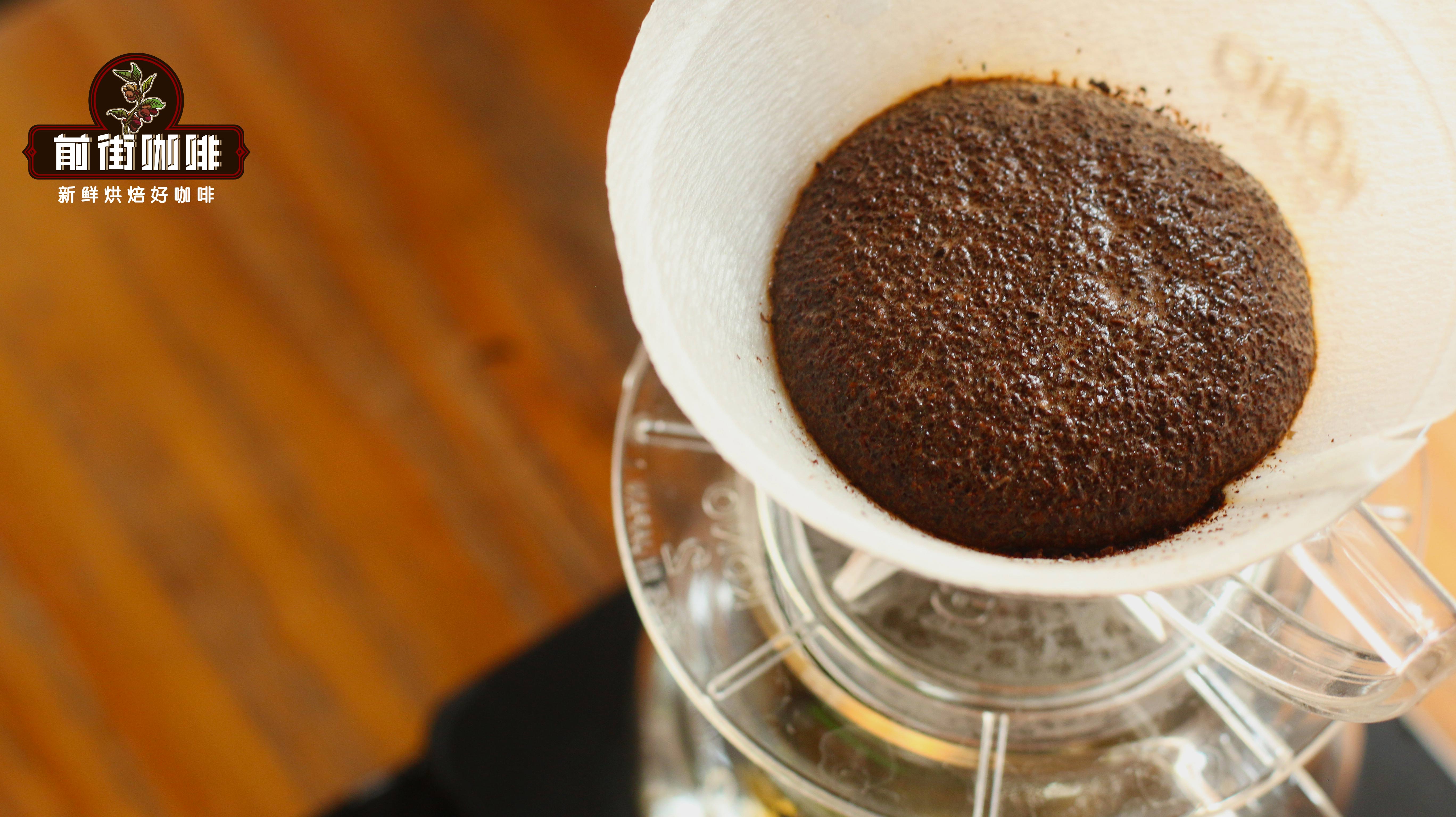
How to Store Coffee Powder and Storage Time After Grinding Coffee Beans
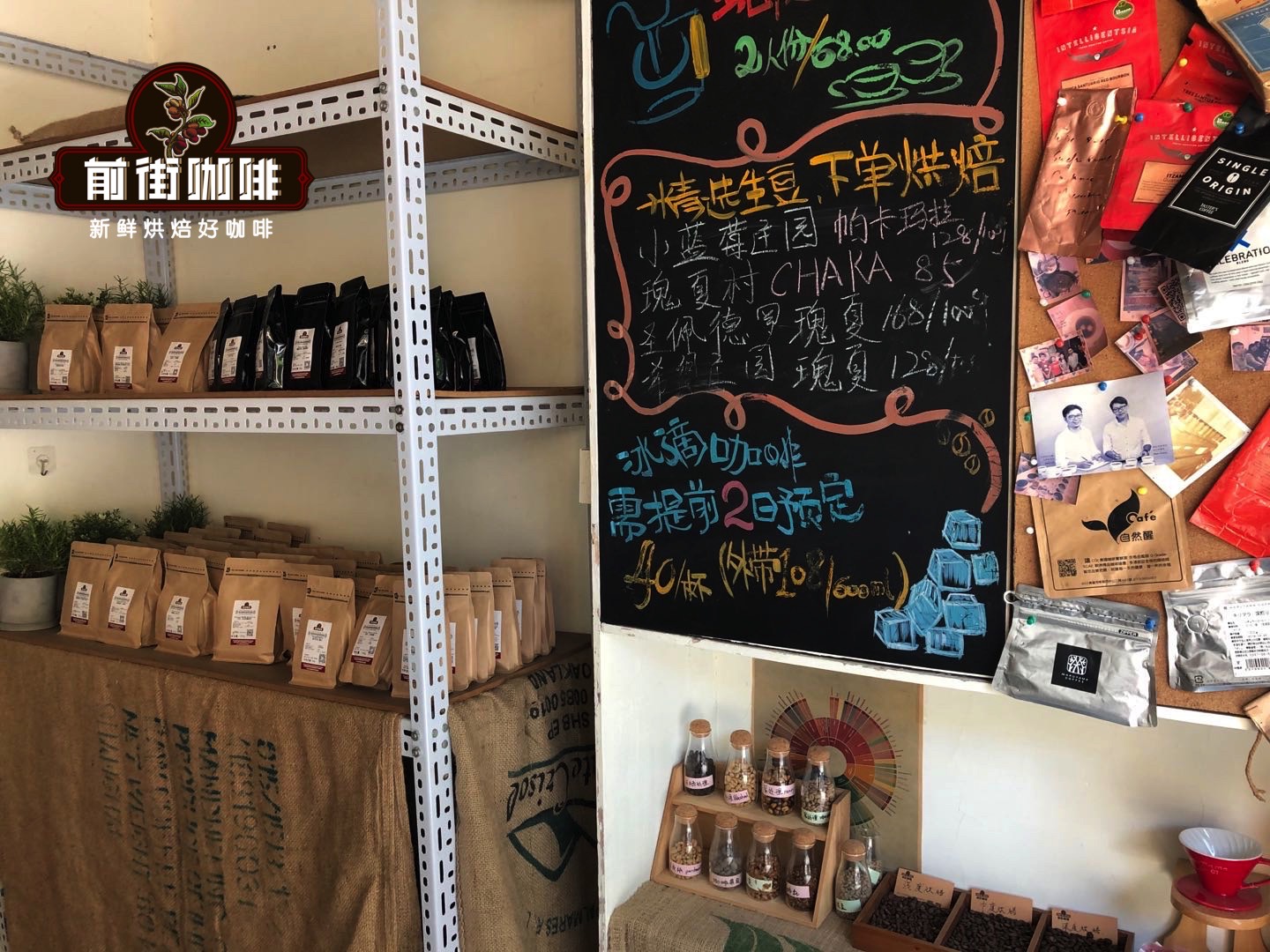
The Art of Coffee Storage
Coffee is a deep science. From cultivation to the final cup, every step deserves care—and even something as seemingly simple as storage involves more than most people realize.
Newcomers frequently ask FrontStreet Coffee's baristas: "How long do coffee beans last?", "What's the best way to store them?", and "Should I keep them in the refrigerator?"
We are both pleased and worried when we hear these questions—pleased that people care about flavor windows and the best possible taste; worried that some genuinely plan to refrigerate their beans.
Bean freshness directly determines the flavor and texture of the cup, and storage is a major factor in freshness. Coffee storage comes in two forms: storing raw green beans and storing roasted beans.
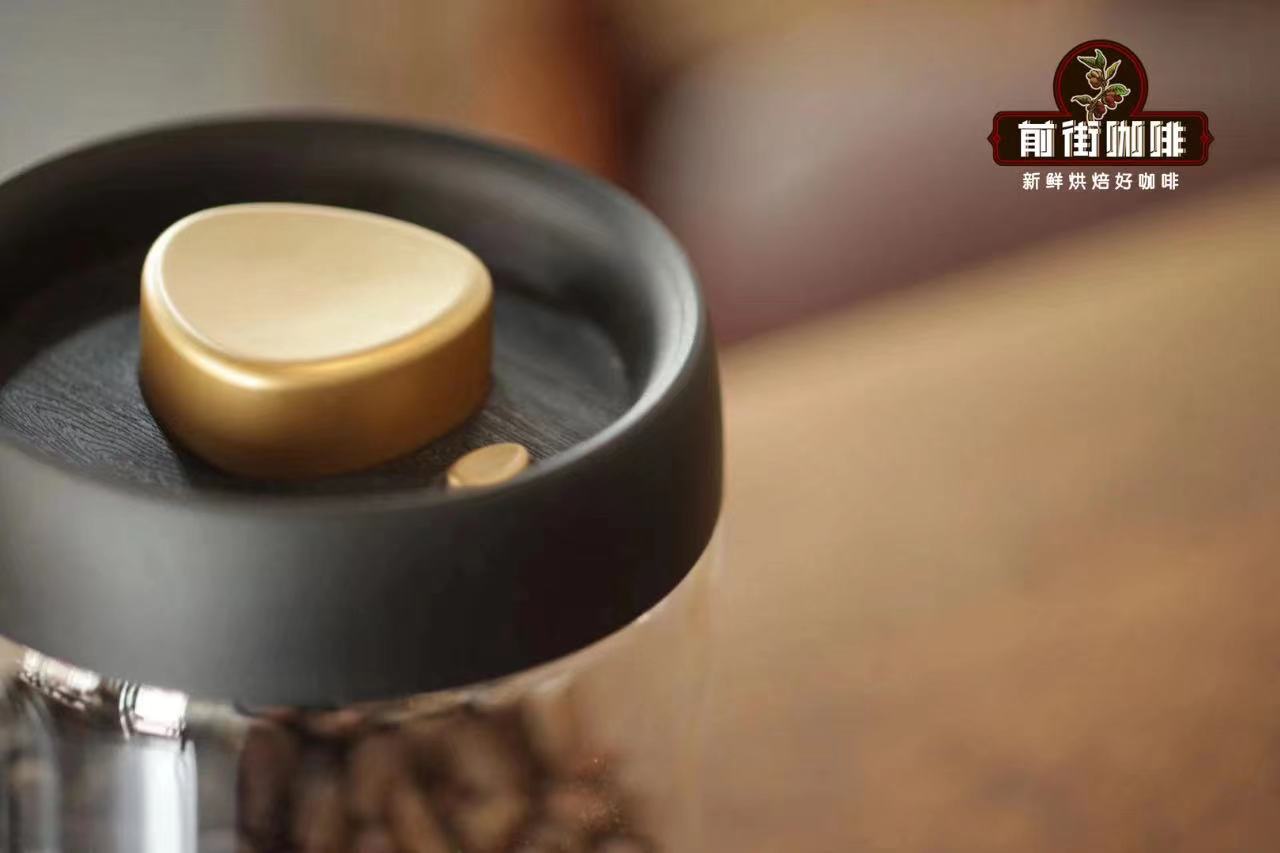
Three Major Factors Affecting Roasted Bean Freshness
Green beans mainly need protection from humidity and temperature to avoid mold or insect infestation. Roasted beans need protection from humidity, heat, and above all oxidation, which strips away their flavor.
Sunlight & High Temperature
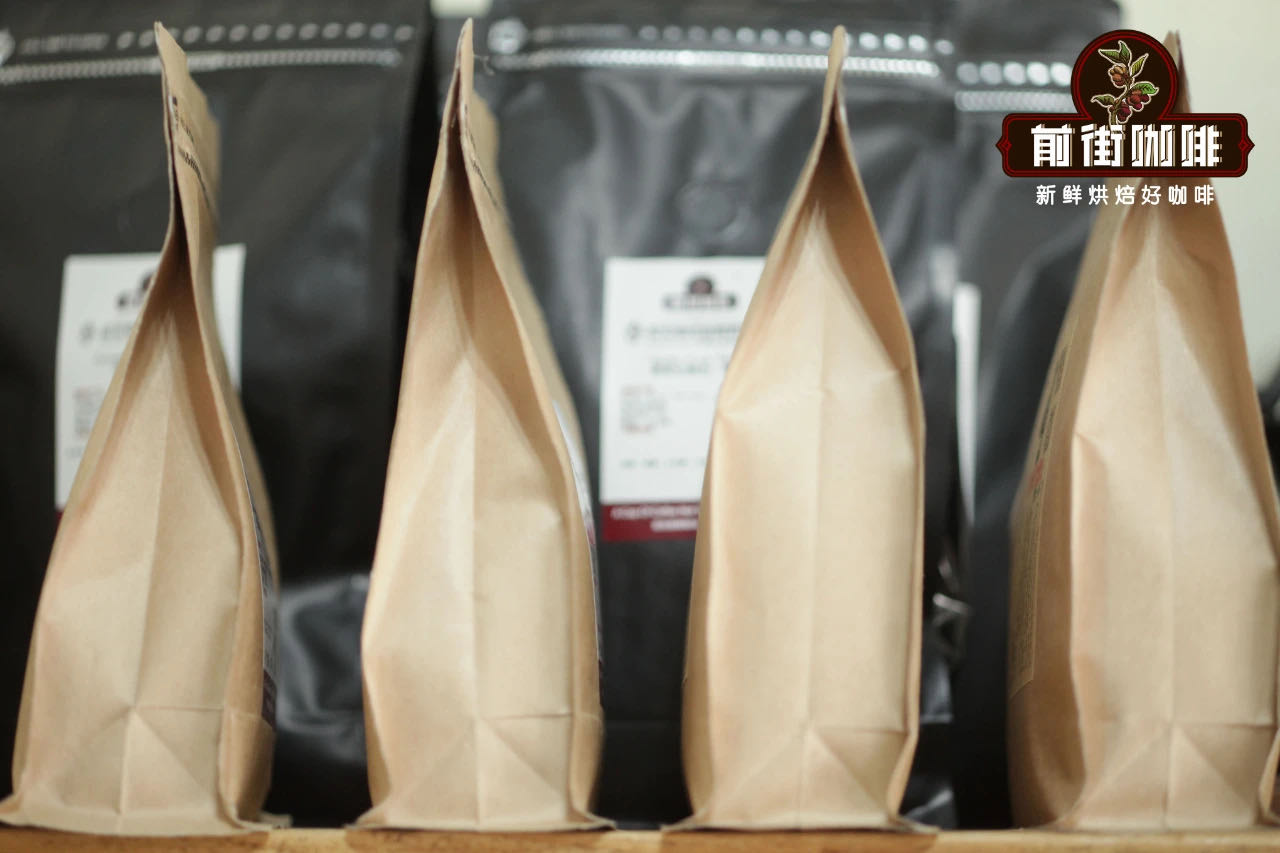
Heat from sunlight accelerates the evaporation of aromatic compounds, so some aroma simply escapes, leaving a dimmer cup. The inner layer of FrontStreet Coffee's bags is aluminum foil, but foil's main job is reflecting light—it does not truly insulate. Keep beans away from both light and heat sources.
Humidity
Dry beans exposed to humid air for long stretches will take on moisture, even in a sealed container, the moment it is opened. Damp beans deteriorate quickly, picking up moldy off-flavors that wreck the cup, so store coffee somewhere dry.
Oxygen
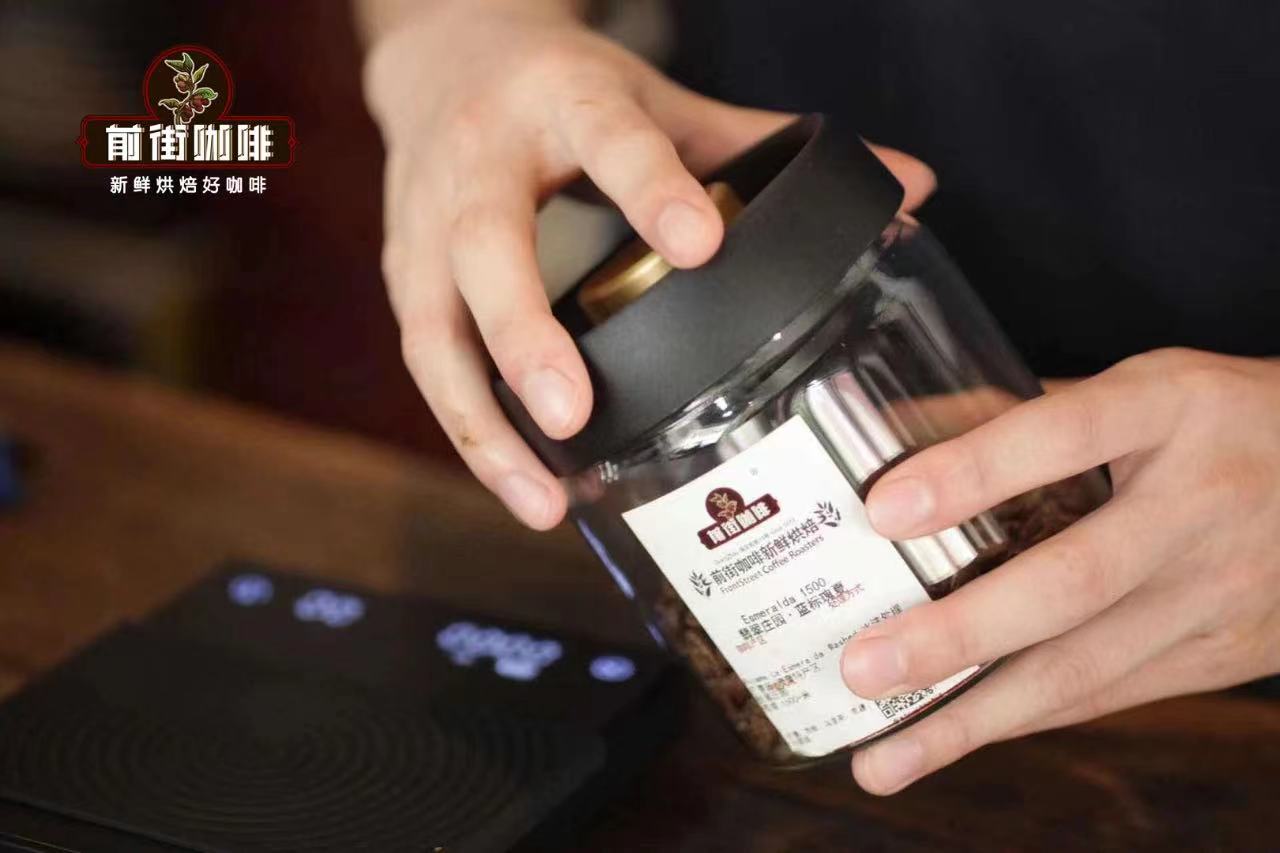
Oxygen is everywhere, and the goal is not to eliminate contact entirely but to minimize it. Once you open a bag and take beans out, reseal the rest as quickly as possible to slow oxidation.
How Long Do Coffee Beans Keep?
The "freshness" discussed here means the optimal flavor window—the period when beans express their best flavors, which runs from 4 to 30 days after roasting.
Does that mean coffee is undrinkable after 30 days? Not at all. The optimal flavor window and the shelf life are two different things.
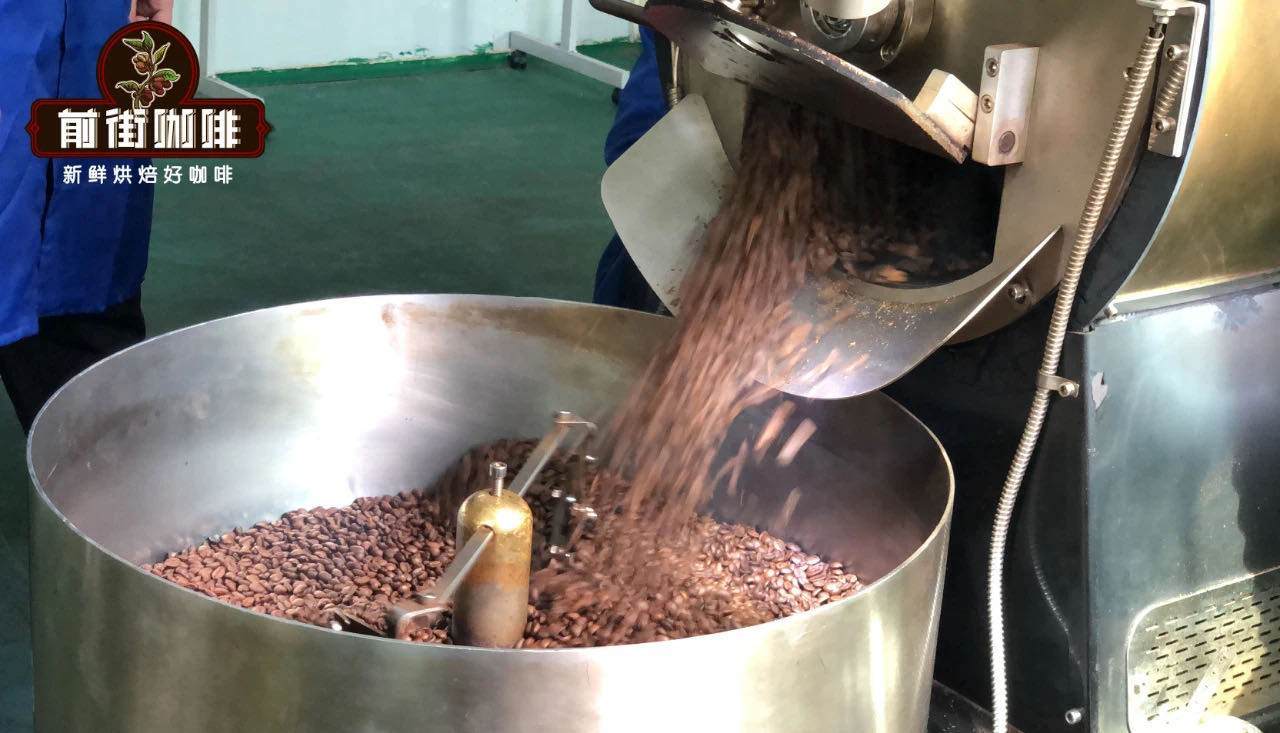
The flavor window is when coffee tastes best. FrontStreet Coffee ships all beans freshly roasted, and freshly roasted coffee is not yet at its peak—it needs 5–7 days of degassing before the flavors turn richer and fuller.
Past the flavor window, there is no safety issue; flavor and texture simply fade over time. Within the shelf life, even if aroma and flavor have dulled, the coffee remains perfectly safe to drink.
Can Coffee Beans Be Stored in the Refrigerator?
No. Coffee beans should not go in the refrigerator. When beans come out of the fridge, the large temperature difference with room temperature causes condensation on their surface.
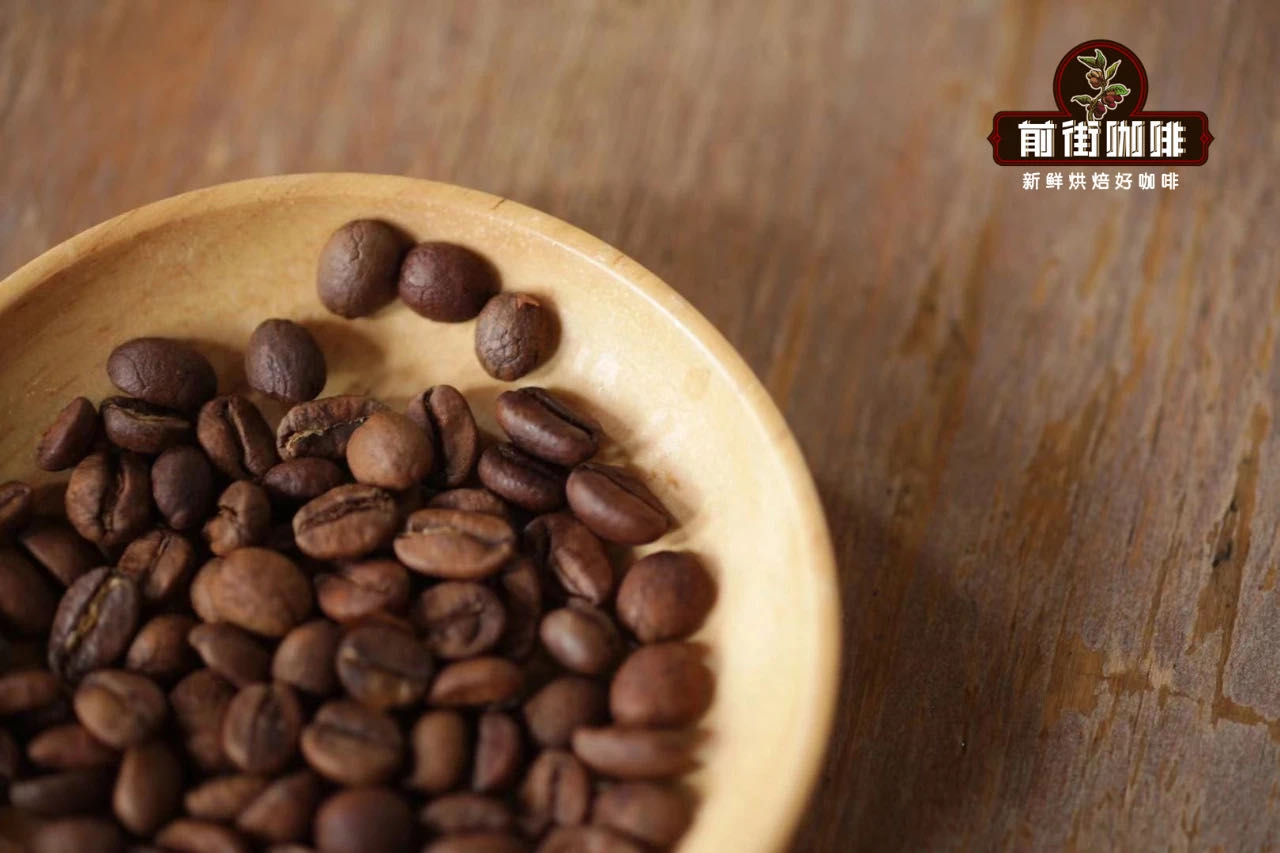
Those damp beans form uneven clumps when ground. Clumped powder ruins extraction uniformity and can jam the grinder burrs; if the burrs are not cleaned and dried promptly, every subsequent batch of coffee inherits the problem.
How Long Can Ground Coffee Be Stored?
Some customers without a grinder ask FrontStreet Coffee to grind their beans before shipping—but do they know how long ground coffee keeps?
Grinding exists to multiply the surface area of coffee particles that contact water. But oxygen is everywhere too, so from the moment beans become powder, the freshness of what is in your hand begins racing against time.
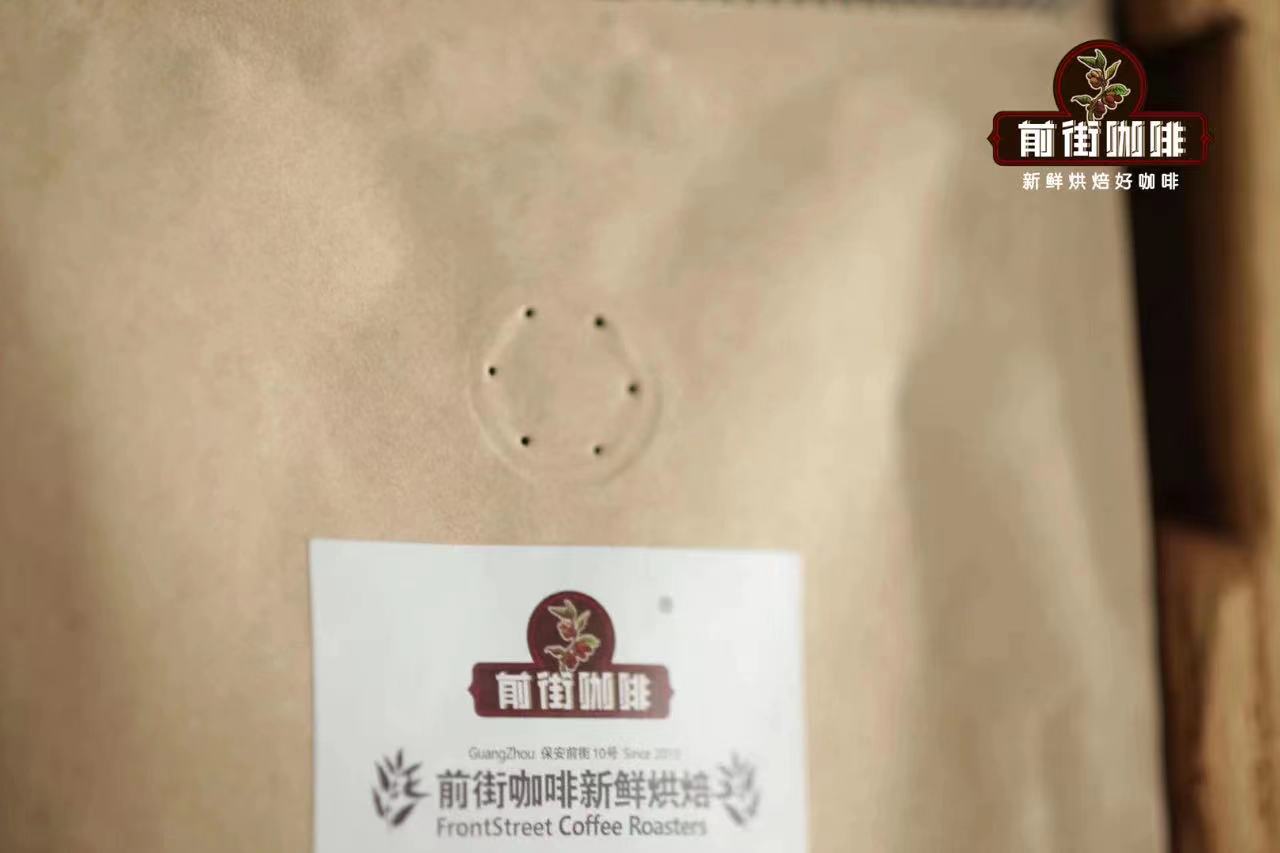
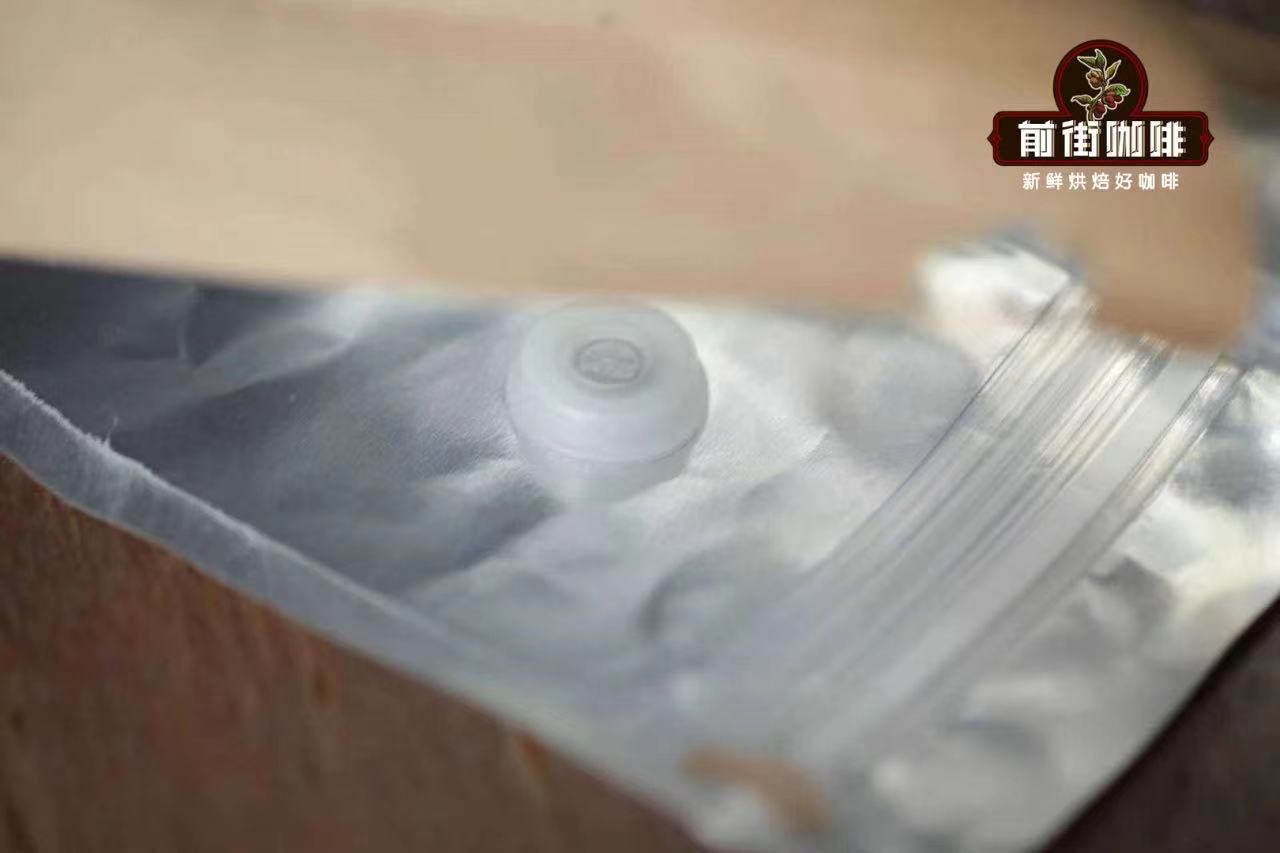
Customers who buy beans in-store and ask for a French-press grind get extra care: FrontStreet Coffee's baristas seal the bag's one-way degassing valve with label tape so the grounds' precious gases cannot escape too quickly and take flavor with them. Even so, they recommend finishing a package of ground coffee within one week of opening—any longer, and too much flavor is gone.
How to Brew Ground Coffee?
That depends on grind size. So that no brewing method suffers from a mismatched grind, FrontStreet Coffee sets the appropriate grind for each coffee, measured with the Chinese Standard No. 20 sieve. For example, for the pour-over most common at FrontStreet Coffee, light- and medium-roast beans are typically ground to an 80% pass-through rate on that sieve.
Brewing Recommendations
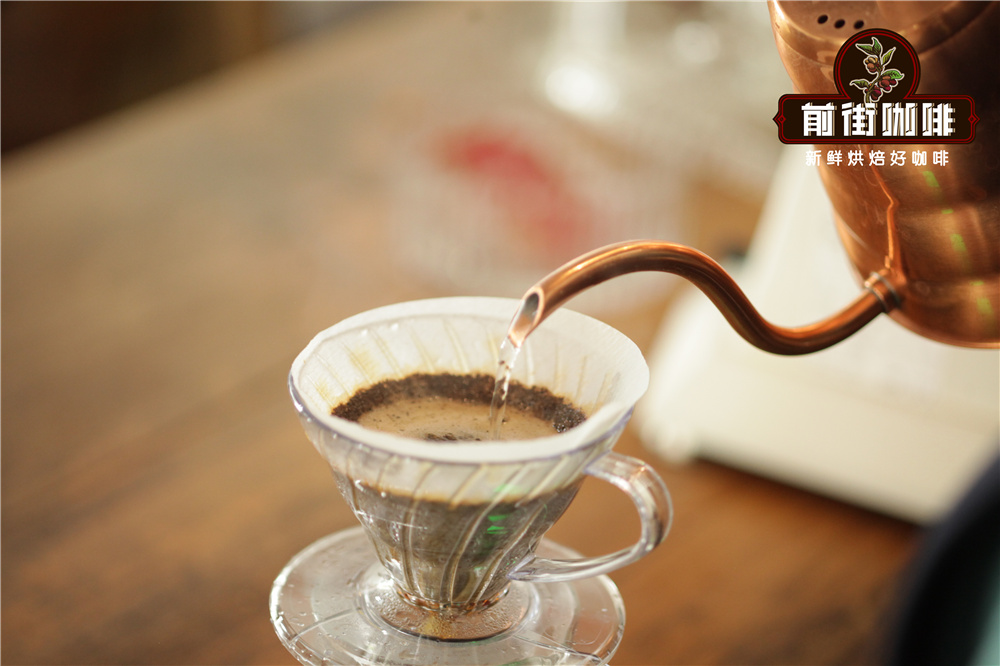
V60 dripper, 90°C water, 15 g of coffee, 1:15 coffee-to-water ratio, grind with 80% pass on the No. 20 sieve.
Brewing Technique
FrontStreet Coffee uses a staged extraction: bloom with 30 g of water for 30 seconds, pour in small circles to 125 g, then continue to 225 g as the bed first shows through. Remove the dripper when the bed is exposed again (timing from the start of the bloom). Total extraction time: 2'00".
One caution: some first-time filter coffee drinkers, used only to instant coffee, assume coffee powder dissolves in water—so they grind fine, steep it, and drink. That is wrong. Over 70% of a coffee bean's substance is insoluble woody fiber. For a clean black coffee without sediment, use filter paper or a proper filter screen.
FrontStreet Coffee Recommendation
Roasting controls the three elements that decide a coffee's final flavor: acidity, sweetness, and bitterness. Darker roasts taste more bitter and heavier; lighter roasts more acidic and lighter. For balance in between, start with medium-roast beans—and FrontStreet Coffee's medium-roast lineup has something for everyone. If you dislike both sourness and bitterness, try the Brazil Queen Estate (Fazenda Rainha) lot, a distinctive yellow Bourbon from the world's largest coffee-producing country: medium-roasted to creamed-peanut, chocolate, toast, and sugarcane aromas and sweetness, gentle and honeyed, excellent as pour-over, moka pot, or espresso. For a sweeter medium roast, reach for the Strawberry Candy Geisha blend, which marries a honey-processed Costa Rican coffee with washed Panamanian Geisha; the medium roast draws out both orange-blossom-honey notes and rounded sweetness, and it shines as cold brew, pour-over, or espresso. For a taste of Chinese specialty, the 2013 natural Typica offers classic Yunnan small-bean character—medium-roasted to soft notes of nut, brown sugar, black tea, and dried apricot, suitable for pour-over, cold brew, or drip machines at a very friendly price. And for the crowning example of balance, there is the Jamaica Blue Mountain No. 1: Typica grown in Jamaica's Blue Mountains, medium-roasted so its acidity, bitterness, sweetness, and body fuse into an elegant, compelling cup of chocolate, roasted nuts, cream, and caramel—a flavor combination no other coffee can match.
Important Notice :
FrontStreet Coffee is a long-established specialty coffee roaster in Guangzhou China, selling freshly roasted beans from its own farm in Yunnan as well as dozens of carefully selected single-origin beans from around the world for both pour-over and espresso. The products deliver consistently excellent quality and great value, with shipping within 24 hours. Guangzhou's FrontStreet Coffee shop is recommended by many coffee lovers, and the beans are now available online at the Tmall 。
FrontStreet Coffee has moved to a new address:
FrontStreet Coffee Address: 315,Donghua East Road,GuangZhou
Tel:020 38364473
 Scan and follow the En Gafei WeChat official account. Please indicate that the reprint comes from "En Gafei".