Flavor and Taste Differences Between Washed and Natural Coffee Bean Processing Methods
Experienced coffee drinkers know that beans on the market come from many different processing methods, and that those methods create flavor differences. The most common are washed and natural processing - the two oldest approaches. As the specialty coffee market has grown, farmers have become more meticulous, which is why we now have refined washed and refined natural processing. So what are the differences in flavor and taste between washed and natural processing? FrontStreet Coffee explains the relevant knowledge below.
What is Natural Processing?
As FrontStreet Coffee mentioned above, natural processing is the oldest method, also known as "natural drying." As the name suggests, it relies on drying in the sun, so it needs no high-end equipment - just a run of sunny days for the sun-drying operation, which runs 27-30 days. That makes it strictly dependent on climate and best suited to countries in arid regions.
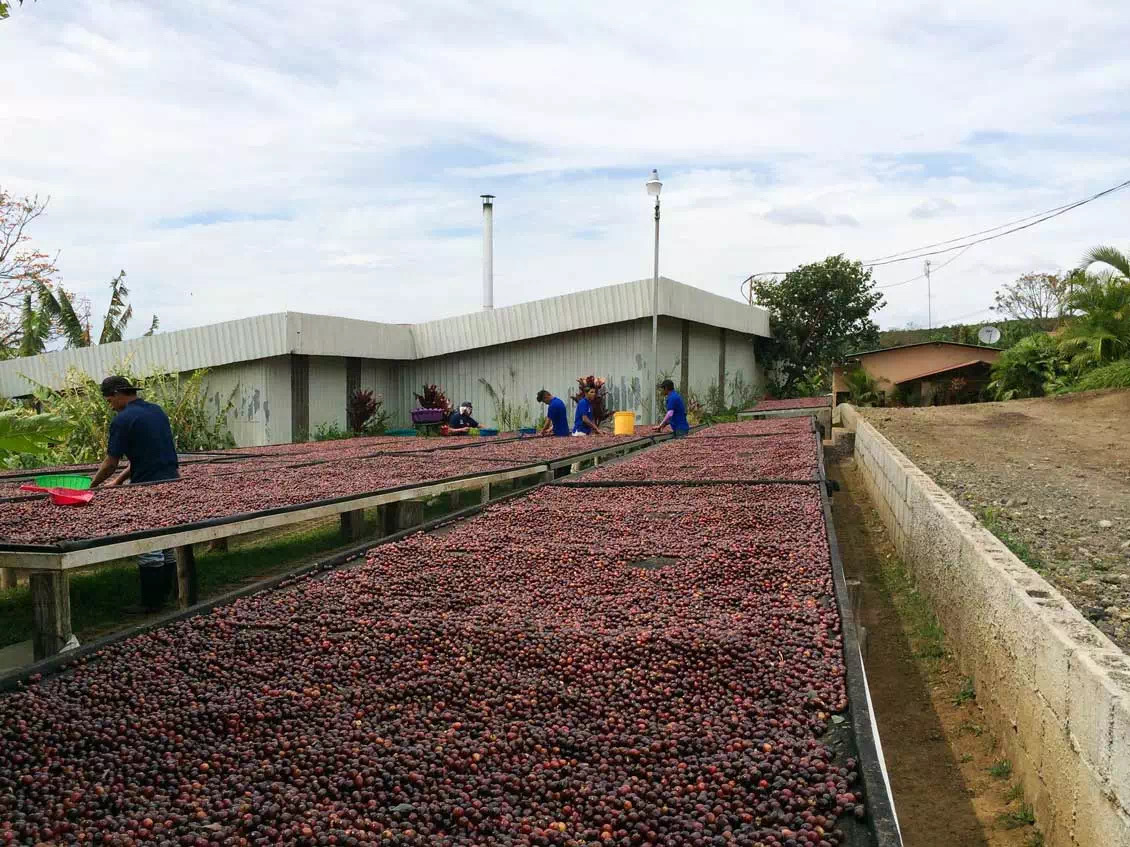
Ethiopia, for example, is a producing country that uses natural processing widely, because of its high altitude, dry climate and scarce water. It is worth noting, though, that although natural processing is relatively simple, that very simplicity means the beans rarely look attractive: they may show some cracks and appear less appealing.
Natural Processing Process
So what is the specific process of natural processing? FrontStreet Coffee explains:
1. First, mature coffee cherries must be harvested, then sorted by hand to remove defective, overripe or insect-damaged cherries, leaving only good fruit. This is also why the beans at FrontStreet Coffee stores generally look uniform and attractive.
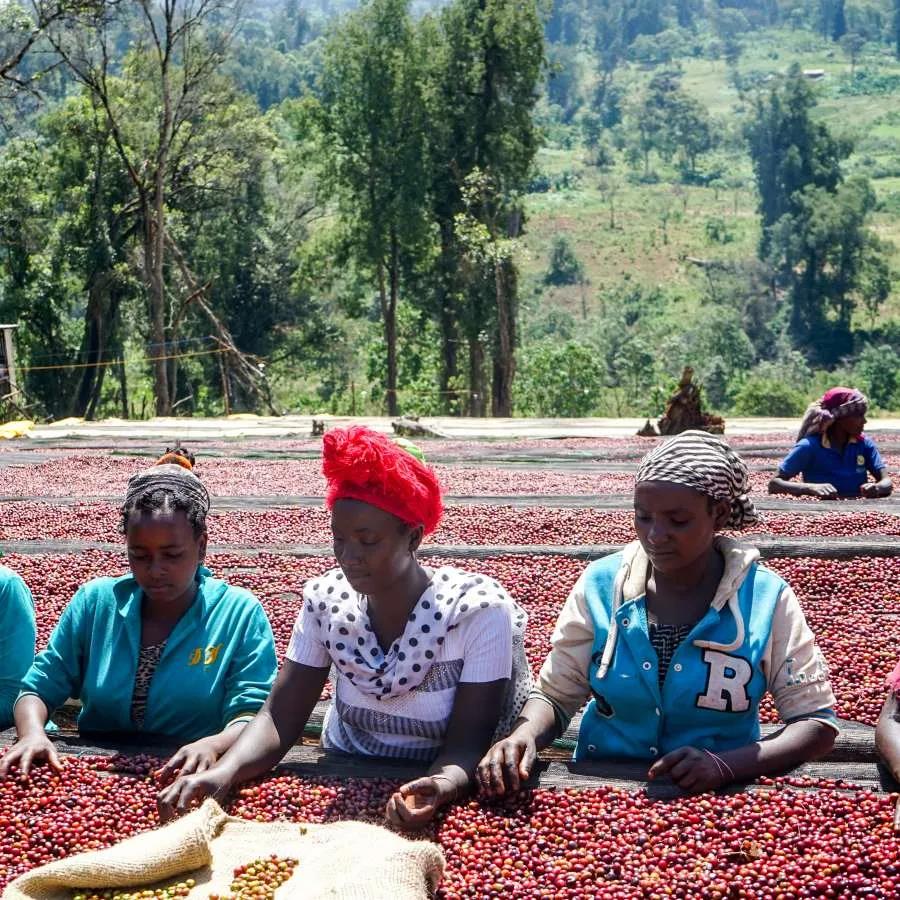
2. The good cherries selected by hand are sent to drying areas. Different producing regions use different drying surfaces - waterproof tarps, raised beds or concrete floors. Drying takes an average of 27-30 days, until the coffee's moisture content falls to 11%, completing the drying process.
3. This step is crucial too. After drying, the cherries are sent to specialized processing plants for hulling and even polishing, removing the pulp and other parts of the cherry to produce what we recognize as coffee beans.
4. The green beans are screened again after hulling to remove poor-quality beans. Over-dried beans are quite fragile and may break into fragments during hulling, while under-dried beans hold too much moisture, and that active water content can make them susceptible to bacteria and mold. They must therefore be screened again before being sent to warehouses and packed for export.
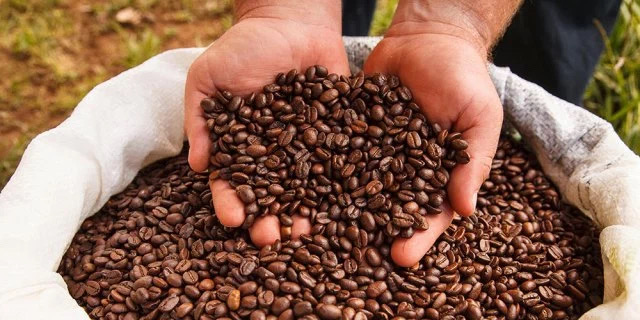
Advantages and Disadvantages of Natural Processing
Advantages: As FrontStreet Coffee mentioned above, natural processing is relatively simple and does not cost much. Naturally processed beans therefore have an irreplaceable fermented character. With the rapid growth of specialty coffee, farmers have begun to value naturally processed beans - for example, drying them on racks and turning them frequently to prevent contamination. That is why FrontStreet Coffee stores now carry so many high-quality naturally processed beans.
Disadvantages: Natural processing has very strict weather requirements, which makes the dryness of the cherries difficult to control. If the drying surface is not clean, beans easily pick up impurities, leading to more defects. During drying the cherries keep their fruit and pulp intact, making them prone to mold and spoilage.
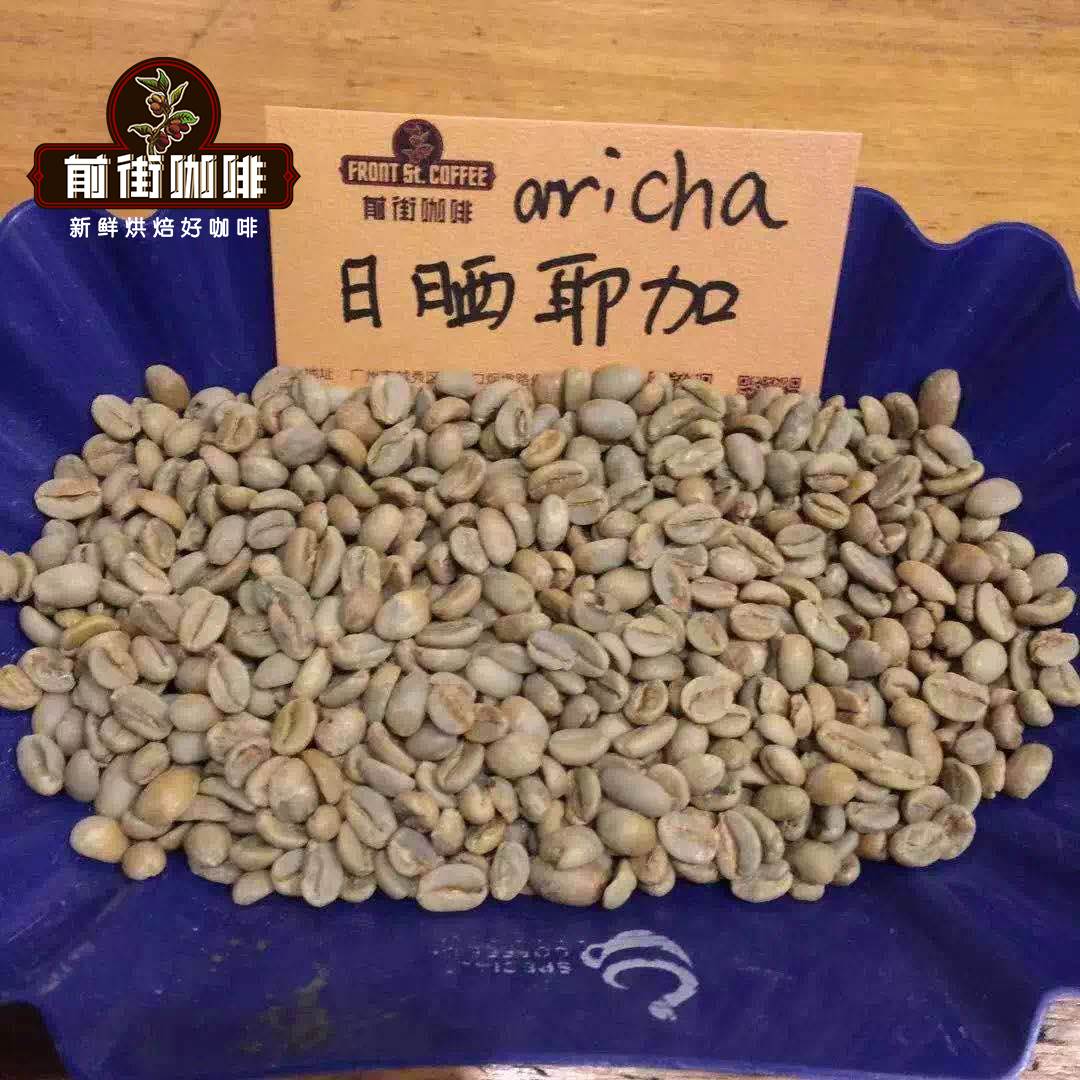
Fortunately, with better technology, farmers pursuing higher-quality naturally processed beans have begun using instruments and manpower to closely monitor fermentation and drying, removing anything found to be abnormal. This approach costs more but is more meticulous - hence the term refined natural processing.
Flavor Profile of Naturally Processed Coffee Beans
Because naturally processed beans are exposed to the sun for extended periods, their flavors are more intense, with richer layers, fermented aromas and higher sweetness.
What is Washed Processing?
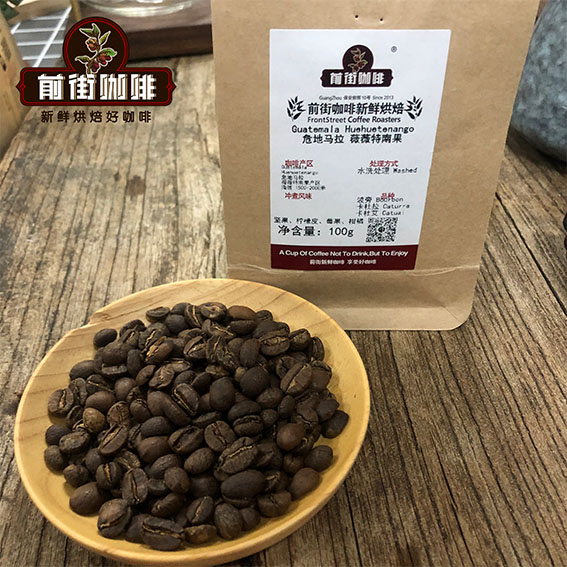
The second common method is washed processing. Most of FrontStreet Coffee's beans from different regions are also washed, especially the daily brew beans. This is because washed beans are cleaner and express flavor more transparently, reflecting the most original taste of the cherry. FrontStreet Coffee often says that the flavor of washed beans serves as a guide to understanding the flavor profile of a producing region.
Washed Processing Process
1. First, farmers pour all harvested cherries into water. Poor-quality and defective beans float to the surface, while those that sink are qualified cherries. This saves a great deal of time compared with selecting each one individually.
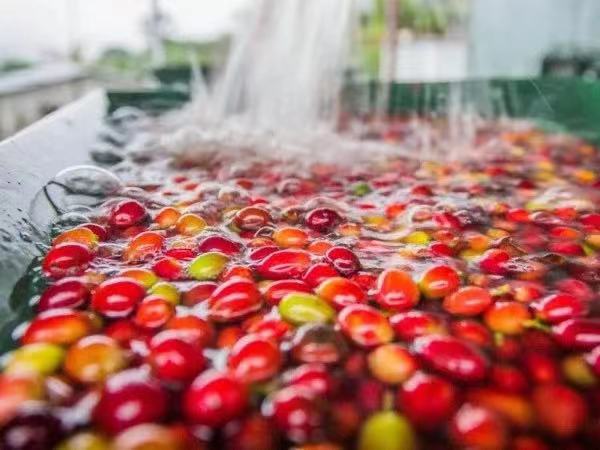
2. The selected cherries go into a depulper to remove the outer skin and pulp. After that, a layer of mucilage still clings to the surface, so large amounts of clean water are needed to wash away the sticky residue.
3. Next, fermentation is used to remove the mucilage completely. This process takes about 18 hours. After fermentation, fermentation bacteria adhere to the cherry surface, so another thorough wash with large amounts of clean water is needed. To obtain 1 kilogram of coffee beans, this step consumes 40 to 50 kilograms of clean water, which makes it unsuitable for arid countries.
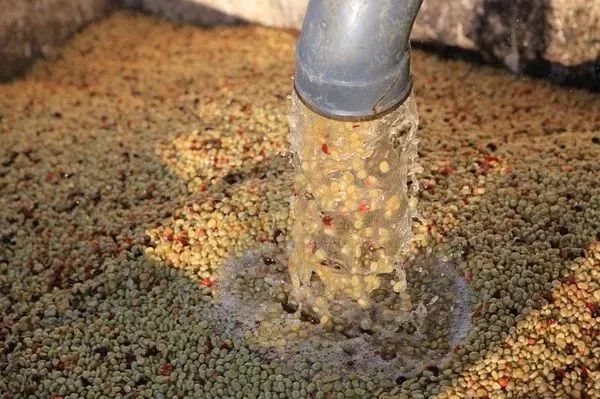
4. The cleaned beans can then be dried. Some regions take them directly outdoors, while more developed producing regions send them to processing plants for machine drying, reducing the moisture content to around 11%.
5. Finally, the dried beans are stored and packaged for sale and export.
Advantages and Disadvantages of Washed Processing
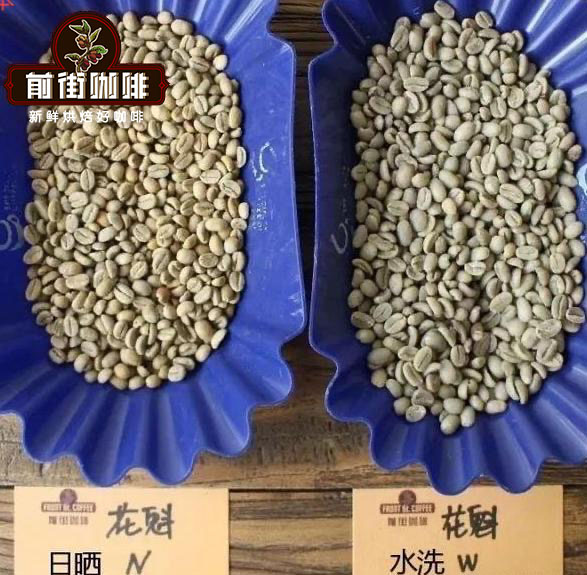
Advantages: Beans washed with large amounts of water have fewer impurities and a more complete appearance. Since the skin and pulp are removed by washing at the start, there is no need to worry about mold, and overall quality is relatively stable.
Disadvantages: Washed processing is relatively complex and cumbersome and requires large amounts of water, making it more expensive and less used in water-scarce regions.
Flavor Profile of Washed Processed Coffee Beans
As FrontStreet Coffee mentioned above, washed beans have cleaner and more transparent flavors, with acidic and fruity aromas, a bright taste, and lower sweetness and body.
Differences Between Washed and Natural Processed Coffee Beans
As noted, the processes differ significantly. In daily cupping and brewing, FrontStreet Coffee finds that washed beans have stable quality, a clean taste, and better acidic aromas and brightness, while naturally processed beans carry the sweet-sour taste of tropical fruit, retain the beans' natural thickness, have rich layers, and sometimes a slight wine aroma. Each has its own advantages, and neither is necessarily better than the other.
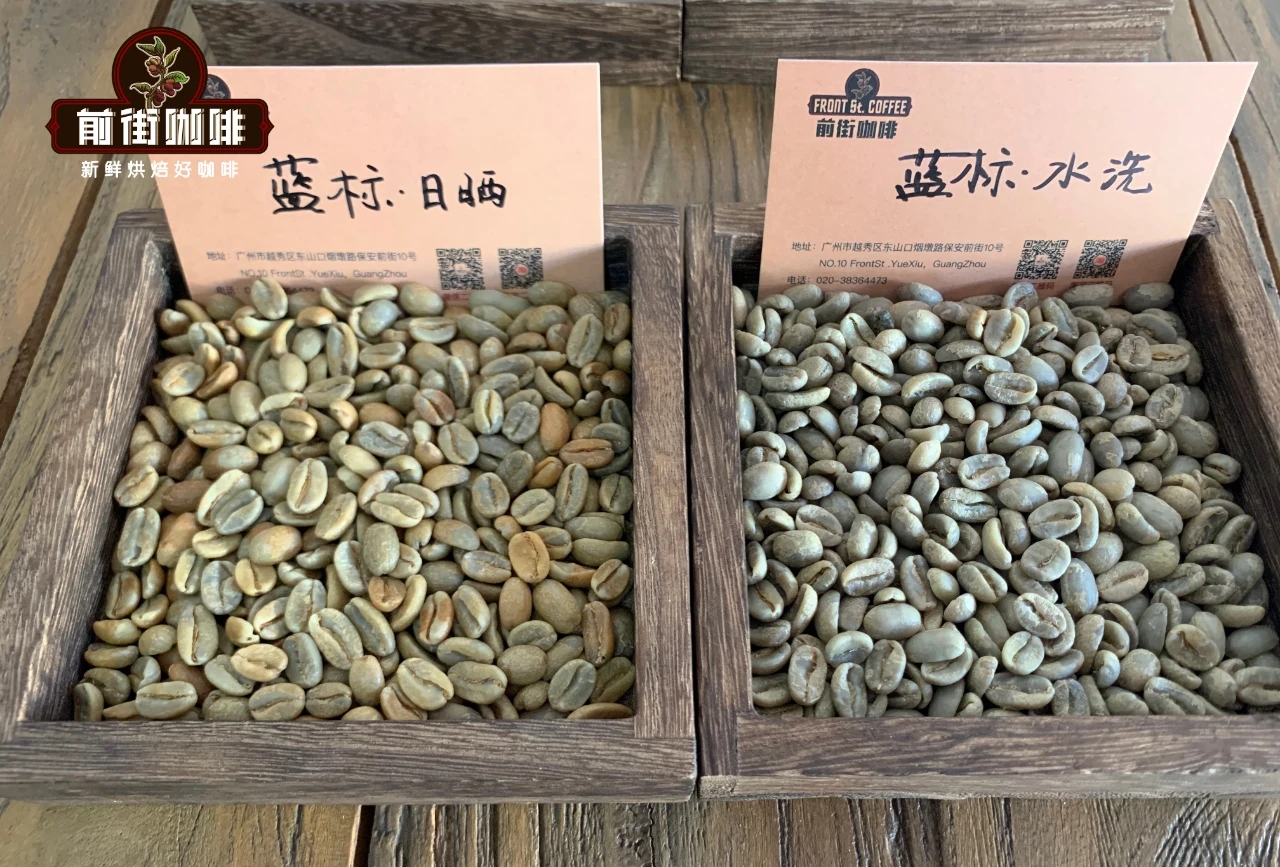
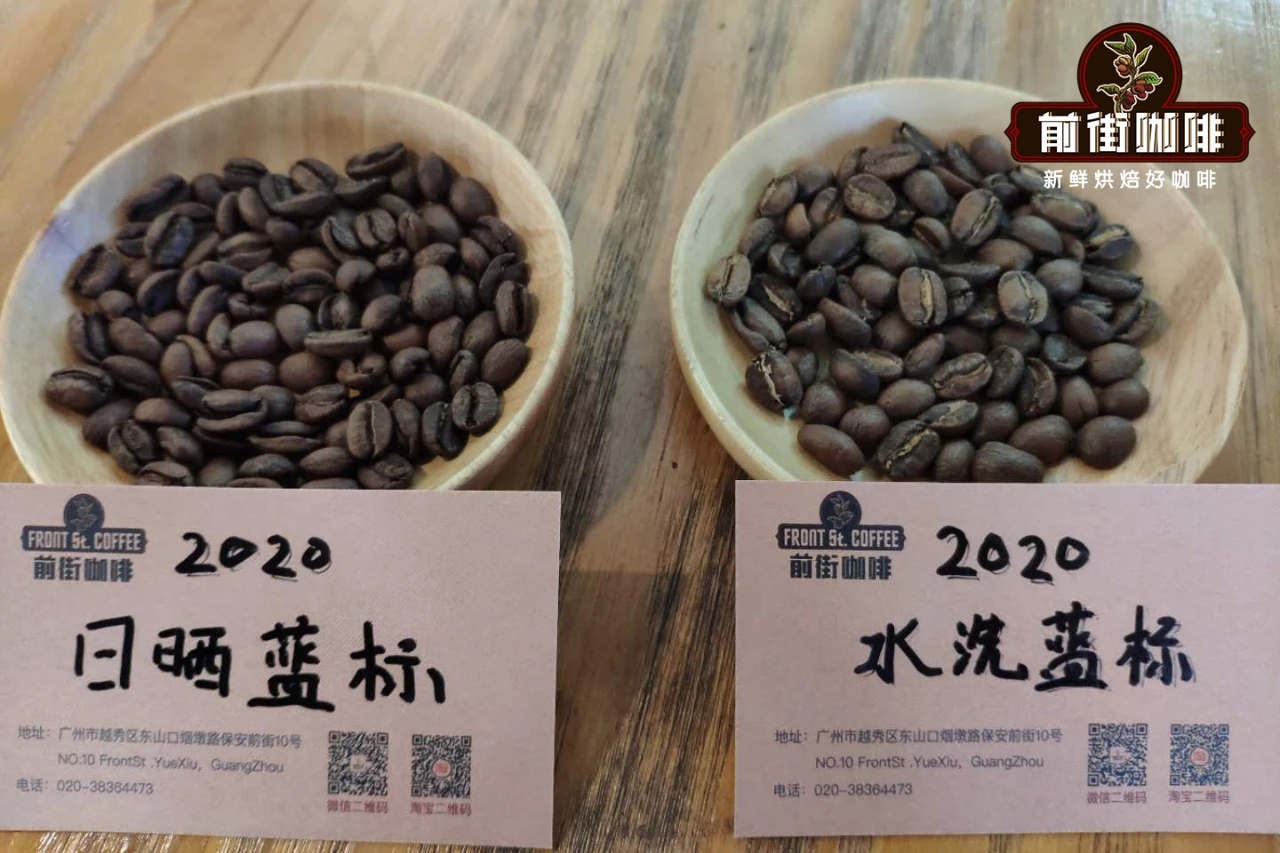
That covers what FrontStreet Coffee has compiled on the flavor differences between washed and natural processed beans. Next, FrontStreet Coffee gives two examples of Panama Hacienda La Esmeralda Blue Label Geisha - one natural and one washed - to offer a more intuitive sense of the difference.
FrontStreet Coffee - Panama Washed Blue Label Geisha Coffee Beans
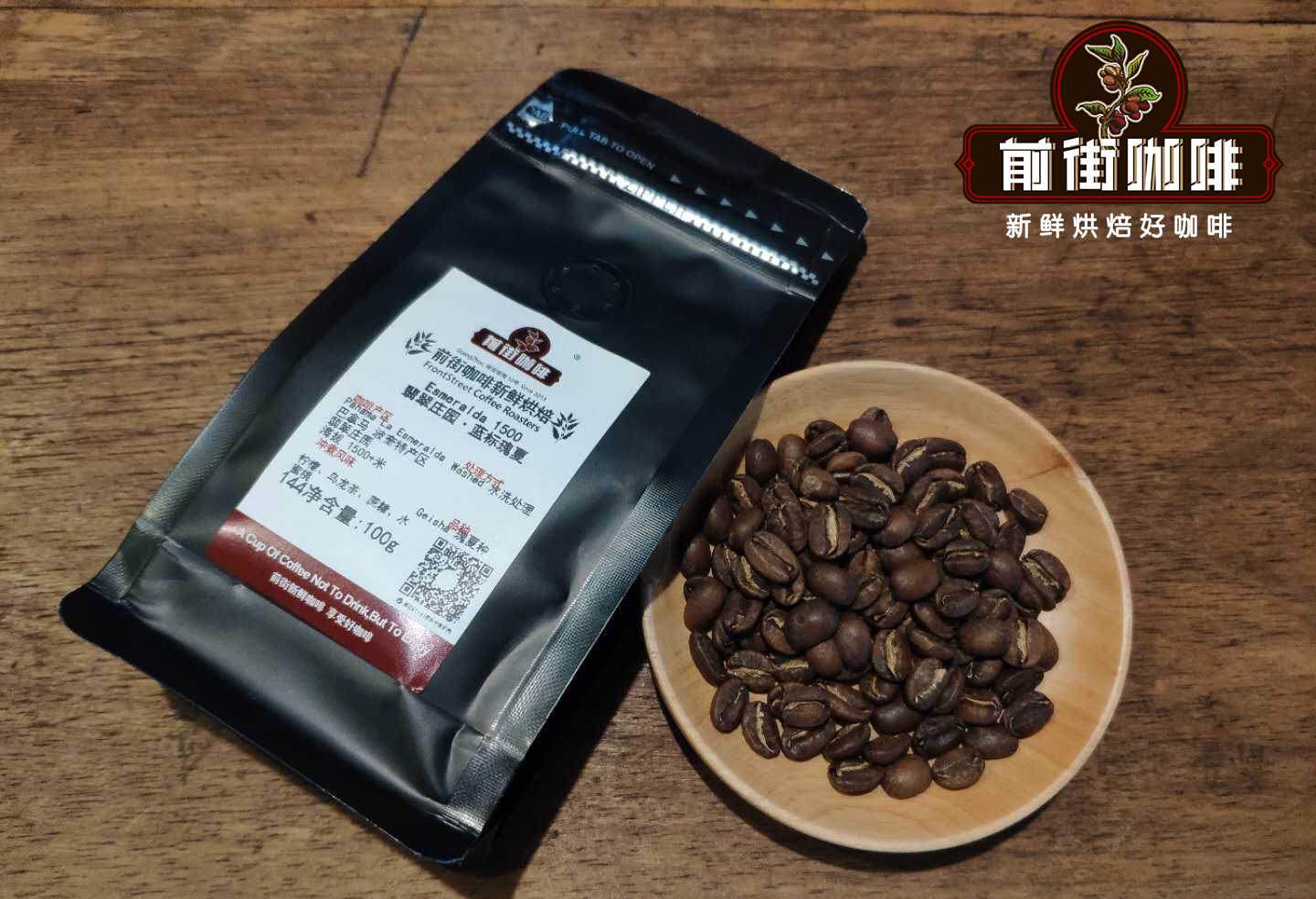
Country: Panama
Region: Boquete, Hacienda La Esmeralda
Altitude: 1500 meters
Variety: Geisha
Processing Method: Washed Processing
FrontStreet Coffee - Panama Natural Blue Label Geisha Coffee Beans
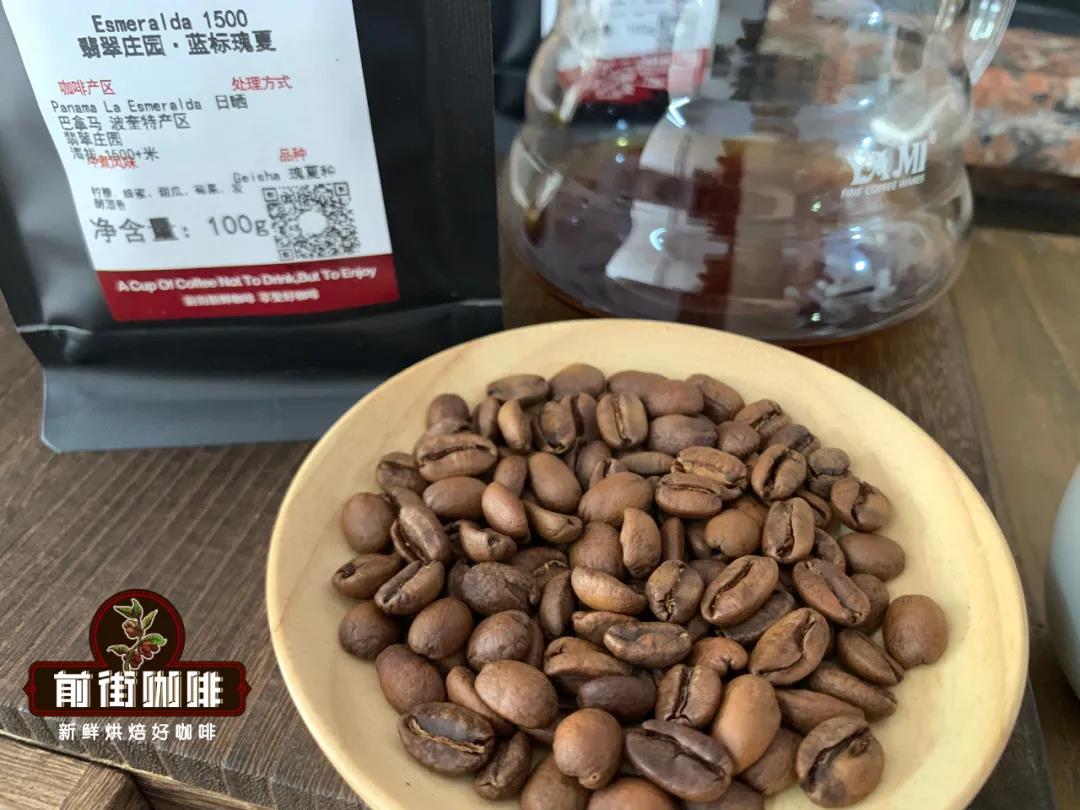
Country: Panama
Region: Boquete, Hacienda La Esmeralda
Altitude: 1500 meters
Variety: Geisha
Processing Method: Natural Processing
FrontStreet Coffee Roasting Share
Both are Geisha, so to highlight the variety's acidity and floral-fruit aroma, FrontStreet Coffee used a light roast for both.
Drum temperature 180°C when the beans go in, heat 130, damper opened to 3; return temperature at 1'32", when drum temperature reaches 104°C open the damper to 4, heat unchanged; when drum temperature reaches 151.6°C the bean surface turns yellow, the grassy smell disappears completely and the coffee enters the dehydration stage. At 7'56" ugly wrinkles and black spots appear on the bean surface, and the toast aroma clearly turns into coffee aroma - the prelude to first crack. Listen carefully for the sound of first crack. At 8'30" first crack begins, open the damper to 5. Develop for 1'28" after first crack, then drop the beans at 190°C.
Brewing Recommendations
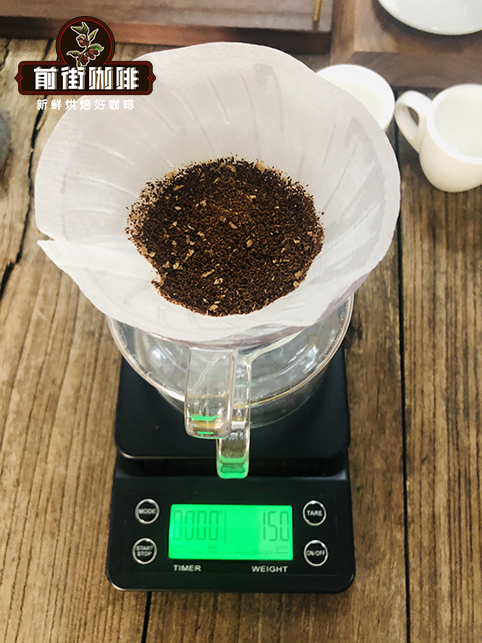
Dripper: V60 #01
Water Temperature: 90-91°C
Dose: 15g
Ratio: 1:15
Grind Size: medium-fine (Chinese standard 80% pass-through rate through #20 sieve)
Brewing Method: three-stage extraction.
Use 30g of water for a 30-second bloom, then continue pouring with a small water flow in a circular motion to 125g. When the water level drops and is about to expose the coffee bed, continue pouring to 225g and stop. Wait for the water level to drop and about to expose the bed, then remove the dripper (timing starts from the bloom). Extraction time is 2'00".
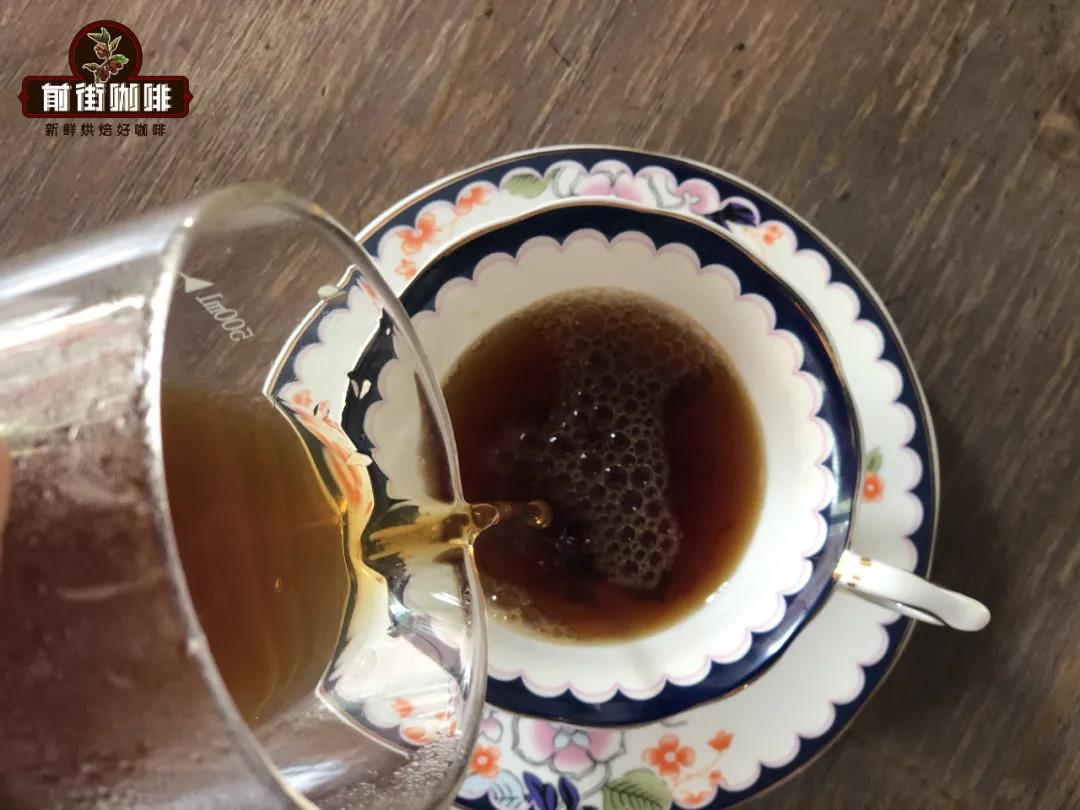
Natural Blue Label Geisha flavor: lemon, honey, passion fruit, fermented wine aroma.
Washed Blue Label Geisha flavor: jasmine floral aroma, citrus, bright acidity, honey.
FrontStreet Coffee Recommendation
Ethiopia is the clearest place to hear this difference, because it works with both methods at once. For the washed side, FrontStreet Coffee's washed Yirgacheffe is the classic starting point: expect clear jasmine and bright citrus acidity, with the region's signature floral-and-fruit interplay, a light and elegant cup and a tea-like body - clean and refreshing, like a bright lemon tea.
For the natural side, FrontStreet Coffee's natural Red Cherry is picked from fully ripe fruit and dried in the sun, which layers tropical fruit onto the typical Yirgacheffe character: citrus acidity, juicy berry, honeyed sweetness and a creamy smoothness. FrontStreet Coffee's Ethiopia Huakui, from the Hambella area of Guji in Sidamo, is another natural option - dried on raised beds for 21 days and turned regularly, then roasted medium-light to give a light fermented wine note plus florals, citrus and mango, with honey sweetness, cocoa and a little spice, a thick body and a long finish.
If you want the washed and natural difference inside a single bag, FrontStreet Coffee's Kaffa Forest is a good reference point: grown between 1,400 and 2,100 meters under shade in Ethiopia's Kaffa forest, roasted medium-light, it opens with white florals and bright lemon acidity, then sweet orange and bergamot, finishing with a faint melon and nut note and a green-tea-like body.
One practical note from the comparison above: natural coffees need a little more care in the grinder, since their higher sweetness and fermented character can turn muddy if the grind is too fine. Start one setting coarser than you would for a washed coffee and adjust from there.
Important Notice :
FrontStreet Coffee is a long-established specialty coffee roaster in Guangzhou China, selling freshly roasted beans from its own farm in Yunnan as well as dozens of carefully selected single-origin beans from around the world for both pour-over and espresso. The products deliver consistently excellent quality and great value, with shipping within 24 hours. Guangzhou's FrontStreet Coffee shop is recommended by many coffee lovers, and the beans are now available online at the Tmall 。
FrontStreet Coffee has moved to a new address:
FrontStreet Coffee Address: 315,Donghua East Road,GuangZhou
Tel:020 38364473
 Scan and follow the En Gafei WeChat official account. Please indicate that the reprint comes from "En Gafei".