How to Adjust Espresso Grinder Settings: Illustrated Guide to Coffee Grinder Adjustment and Espresso Parameters
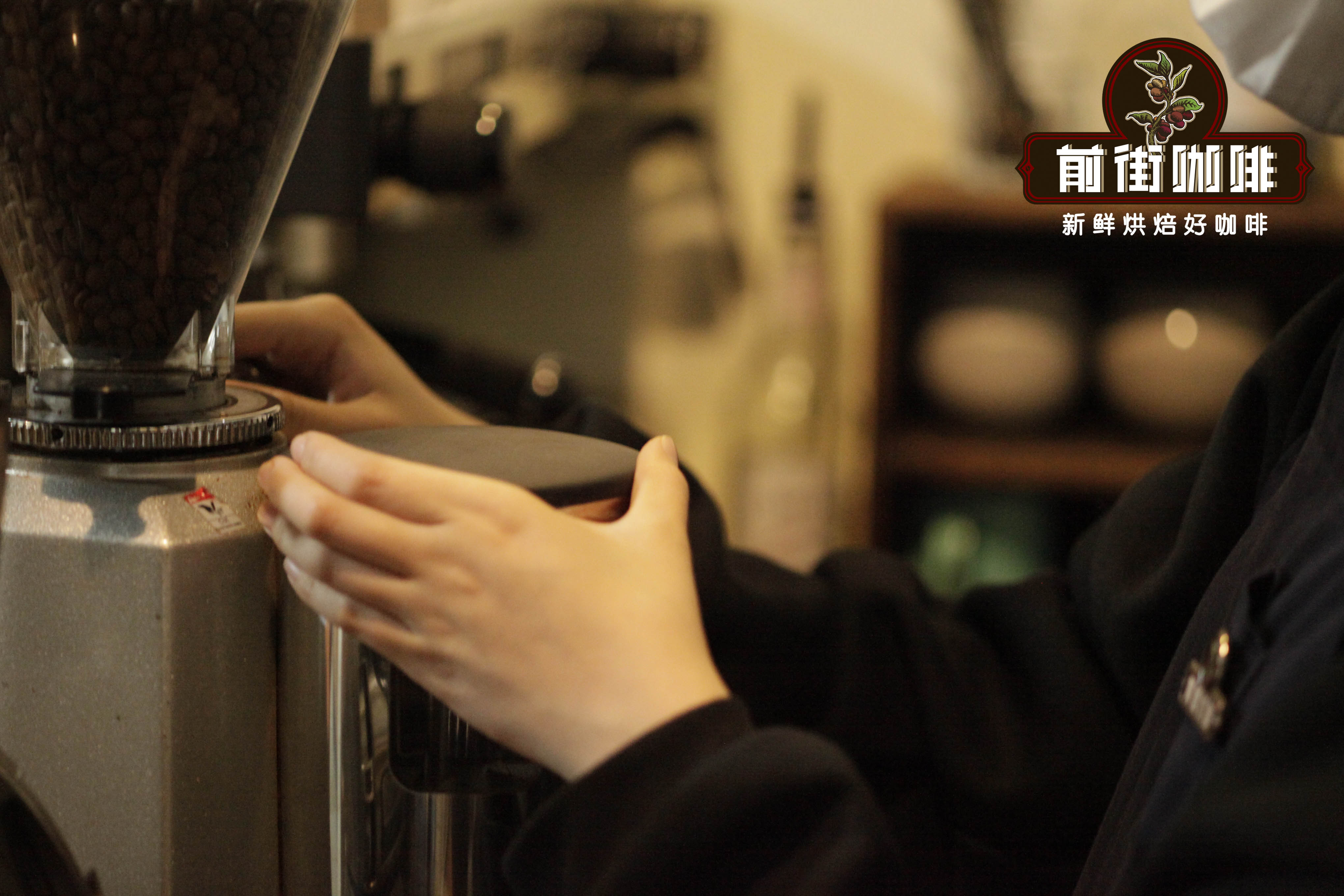
A well-pulled espresso depends on the grinder as much as on the machine and the beans, so this guide walks through how and why the setting is adjusted.
Why Do Coffee Shops Need to Adjust Their Grinders Daily?
Coffee shops need to adjust their grind setting daily, and some adjust every few hours. Aren't extraction parameters fixed? With the same machine, the same beans, and the same parameters, could a different coffee still come out? In fact, although those three elements may look unchanged to the naked eye, they are quietly shifting every day. Think of the frog in slowly heated water: if a shop leaves its parameters fixed, the change may not show for a day or two, but eventually a series of small shifts adds up, and one morning the coffee suddenly tastes wrong. So how does FrontStreet Coffee adjust its grinder?
The Significance of Adjusting the Grinder
To customers, a coffee machine or a grinder is a fixed asset, but to coffee professionals it is a consumable. The brewing pipes and steam boiler of a machine, and the burrs of a grinder, all wear gradually as they work, and every one of those is a variable. Baristas therefore maintain them carefully every day and give them a thorough overhaul at intervals.
Coffee beans themselves change even more. Freshly roasted coffee holds very active carbon dioxide, and what we call the flavor window is really the bean's degassing period. At first the beans release an excess of carbon dioxide, then gradually settle into a slow, steady release over time. When a coffee no longer gives off gas, you can say it has lost its freshness. In other words, the flavor of coffee beans is constantly changing, and after a whole night the change in their state is especially noticeable.
Understanding Grind Size and Extraction
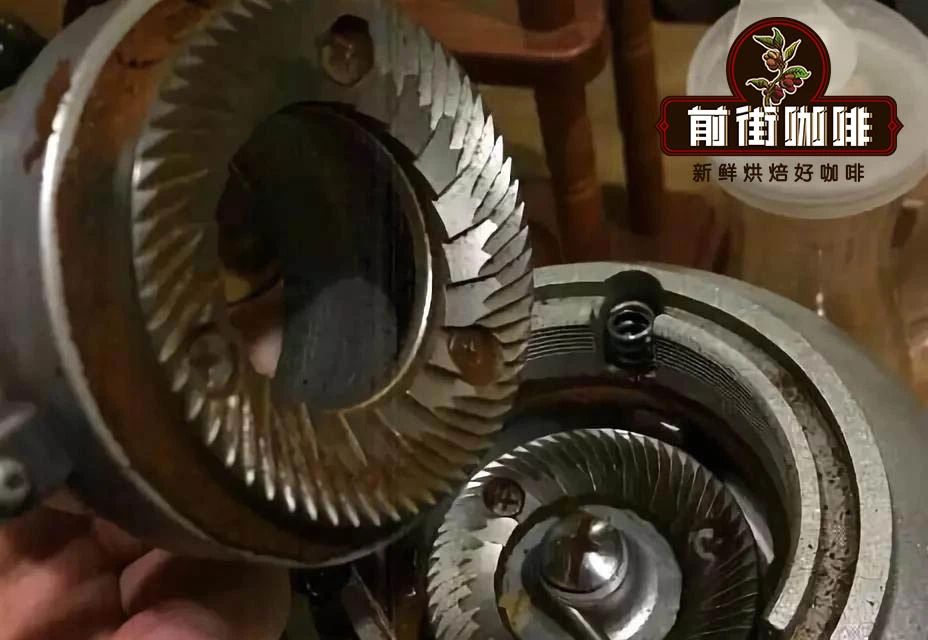
When beans enter the grinder, the burrs inside crush them into powder. The smaller the gap between the burrs, the finer the grounds. Finer particles pack together more tightly, making it harder for water to pass through and significantly extending the extraction time. Conversely, as the gap widens the particles become coarser, water passes more easily, and extraction speeds up. A simple image is rocks versus fine sand: water flows through rocks far faster than through sand because there is more space between the rocks for water to move. Correct grinding is therefore crucial, since particle size directly shapes extraction quality.
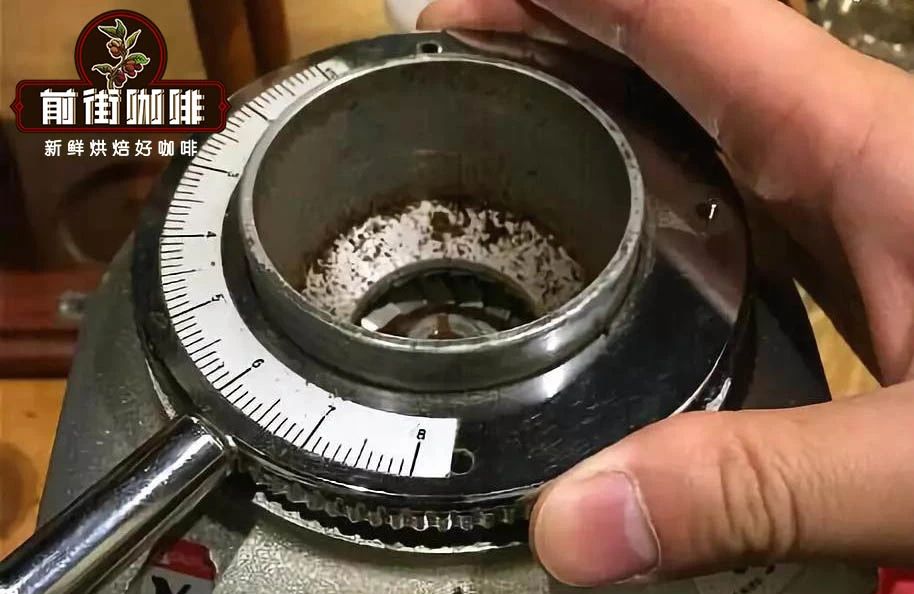
How to Judge Powder Quality
Look at the coffee powder. A high-quality powder should look powdery yet granular. If it feels quite soft, like flour, the grind is too fine; if it feels tough and coarse, the grind is too coarse.
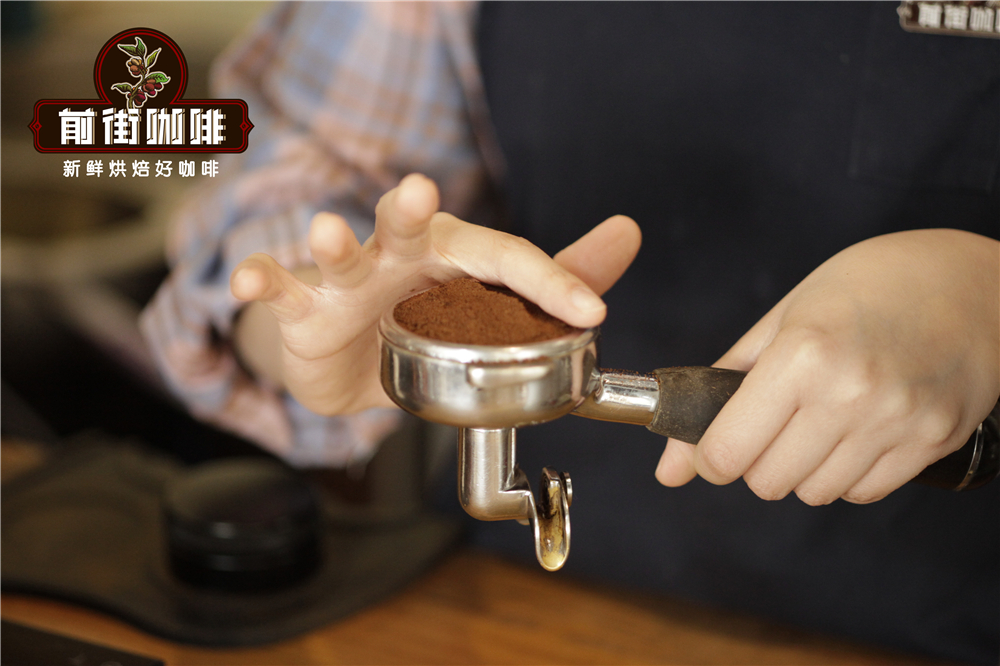
FrontStreet Coffee's Grinder Adjustment Tutorial
Different grinders use different scales, so check your grinder's model and read the manual carefully to establish the direction and size of each adjustment. Generally, if you keep up the habit of checking the setting regularly, only very small moves are needed. Turning the dial within 3 millimeters is enough to change the fineness of the powder. Small as 3 millimeters sounds, the grinding time for the same beans will shift by 3-5 seconds.
Specific Operation Steps
First decide the direction you need to adjust, finer or coarser. Make sure there are enough beans in the hopper and that the valve between the hopper and the burrs is open, so beans fall smoothly into the grinding chamber.
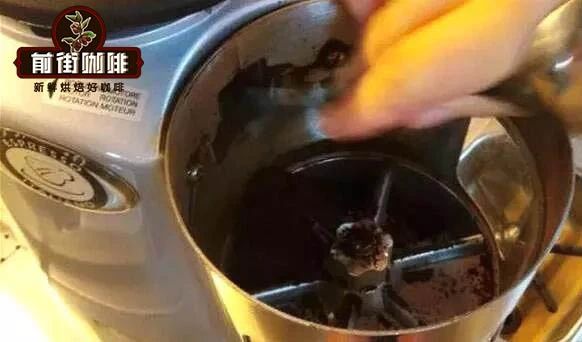
Run the grinder for 10 seconds and discard the powder; this is coffee ground at the unadjusted setting.
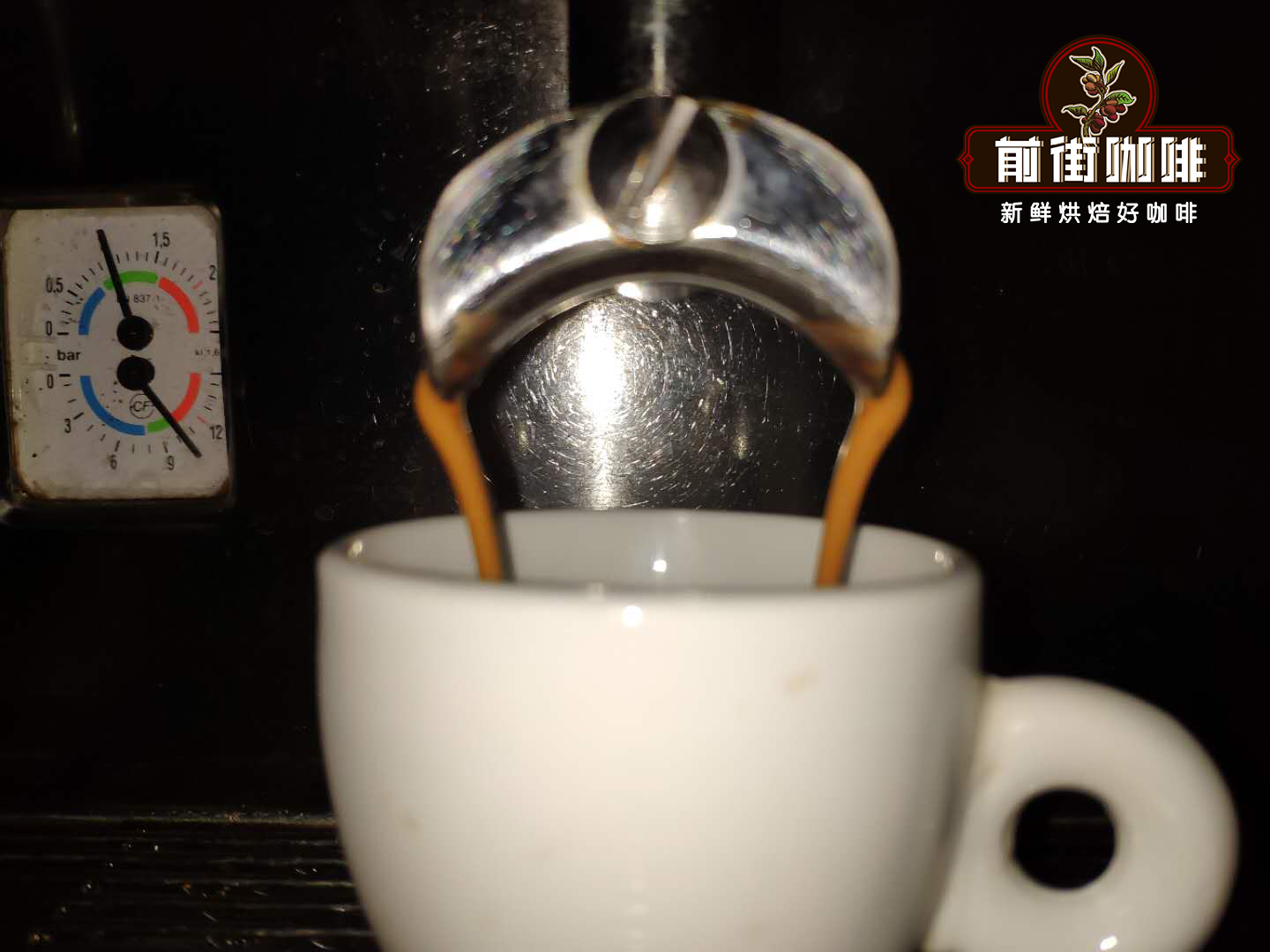
Use that powder to make a cup, taking care to dose, distribute, and tamp accurately. FrontStreet Coffee's espresso standard, for example, is a coffee-to-liquid ratio of 1:2 with an extraction time between 25-30 seconds, so during testing you adjust the grind to reach the parameters you intend to use.
FrontStreet Coffee uses time checks to monitor the stability of espresso parameters from shot to shot. If the extraction time is 28 seconds after the morning adjustment but has changed to 22 seconds by noon, the grinder needs to be set finer to bring it back toward 28 seconds. Time is only a reference, of course; the most important confirmation comes from tasting.
Adjusting Electronic Grinders
Adjusting an electronic grinder mainly means working with two variables: dose amount and grind degree. The two are interconnected, and changing one affects the other.
Typical electronic grinders adjust grinding and dosing time according to a pre-set dose. Note that these grinders adjust dose by time, not by weight. If you are not satisfied with the quality of your coffee, the first thing to establish is whether the problem lies with the dose amount or with the grind degree.
Generally, with correct dosing, distribution, and tamping, the distance between the coffee puck and the outlet should be 5-6 millimeters. If the puck height falls outside that range, try adjusting the grinder's dose amount, that is, the grinding and dosing time. Each dose adjustment should be between 0.2-0.3 seconds, and after every adjustment you need to re-evaluate the coffee quality.
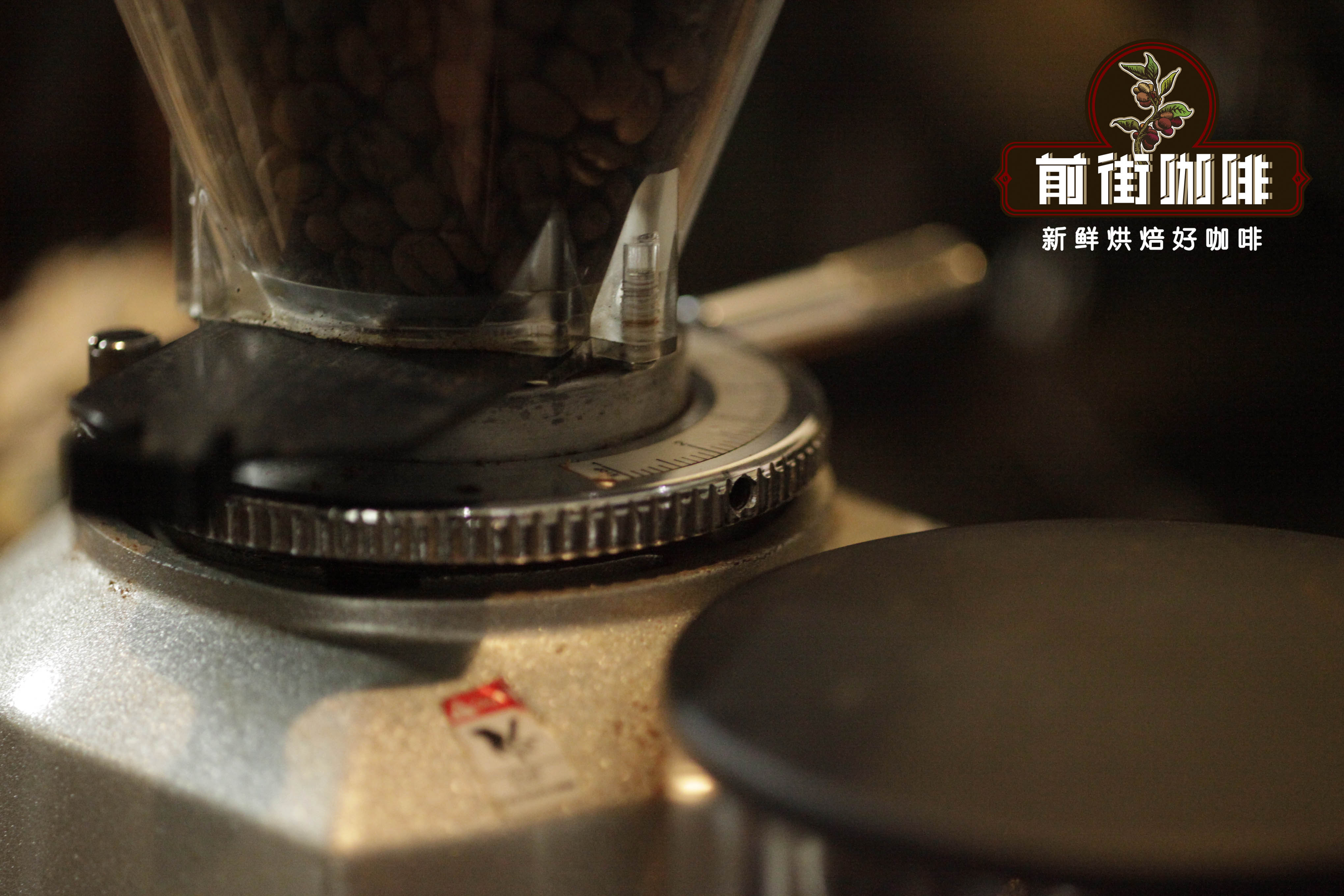
The hardest part of adjusting an electronic grinder is that when you change the grind setting, the distance between the burrs changes too, and that change directly affects the dose amount, meaning the grinding and dosing time. To make the grind finer, the burrs sit closer together, so fewer beans pass through in the same time. Reverse the adjustment and more beans pass through.
When adjusting an electronic grinder, then, first understand the relationship between dose amount and grind degree. Because the two change together, you need to keep adjusting and testing to reach the best result.
Conclusion
Every small change in the grinder can have a huge effect on the overall quality of the coffee. As a barista, you should re-measure and adjust the grinder daily to keep the coffee at its best.
To master the water-to-coffee ratio, you can hold the coffee amount constant during practice, 18 grams for example, and try different total coffee weights, comparing the differences in taste, clarity, and body across the ratios. The final ratio is a personal decision.
Only through continuous practice and exploration can you create espresso that truly suits you.
The same discipline applies to the beans themselves: keep the grinder honest, taste every adjustment, and the cup will follow.
FrontStreet Coffee Recommendation
Once your grinder is dialed in, the bean you feed it matters just as much. For espresso, FrontStreet's blends are the natural starting point. The FrontStreet Classic Blend is designed for espresso and moka pot, and its standout is outstanding crema: even a beginner on a modest home machine can pull a dense, fine layer, and it uses the traditional Mamba blend recipe for a mellow, rounded body that suits veterans and newcomers alike in home or commercial use. The FrontStreet Black Cocoa Blend is 100% Arabica with ample crema and a rich body at a friendly price, a good choice when cost matters. The FrontStreet House Blend has long been a cafe mainstay, priced below the Specialty Blend but still tuned for a good cup, while the FrontStreet Specialty Blend has served FrontStreet's own bar for nearly ten years, built from Brazil Cerrado and Colombia Huila beans for the classic espresso flavor people know best. For traditional Americanos and lattes, the Classic Blend or House Blend adds a touch of robusta to an old-school Italian recipe, yielding butter, nut, spice, dark chocolate, and toast aromas with a wild yet solid body, a golden crema, and easy latte art. If you favor nut-forward espresso, the Specialty Blend and Black Cocoa Blend both contain a high proportion of Brazil beans for a comfortable bittersweet, creamy peanut character; the Specialty Blend brings the nut, chocolate, and caramel notes of Colombia with moderate acidity, while FrontStreet Coffee's Black Cocoa Blend folds in the ripe-plum acidity of Yunnan small-bean coffee with a creamy chocolate aroma, a balanced and versatile base for lattes, Americanos, and signature drinks. For the single-origin route, the FrontStreet sun-dried Huakui SOE, grown in Guji Hambela, Ethiopia at 2,300 m and sun-dried, is medium-roasted and carries creamy strawberry, cocoa, berry, light floral, and black tea notes; the FrontStreet Costa Rica Blackberry SOE is a honey-process single origin with blackberry aroma and clean sweetness, medium-roasted so its Americano is sweet and crisp while a latte shows cranberry cookie, raisin, and nut; and the FrontStreet Brazil Queen's Estate SOE, a yellow Bourbon with low acidity and a gentle, approachable profile, is medium-dark roasted for butter cookie, macadamia, and toast with a creamy aroma.
Important Notice :
FrontStreet Coffee is a long-established specialty coffee roaster in Guangzhou China, selling freshly roasted beans from its own farm in Yunnan as well as dozens of carefully selected single-origin beans from around the world for both pour-over and espresso. The products deliver consistently excellent quality and great value, with shipping within 24 hours. Guangzhou's FrontStreet Coffee shop is recommended by many coffee lovers, and the beans are now available online at the Tmall 。
FrontStreet Coffee has moved to a new address:
FrontStreet Coffee Address: 315,Donghua East Road,GuangZhou
Tel:020 38364473
 Scan and follow the En Gafei WeChat official account. Please indicate that the reprint comes from "En Gafei".