The World's Finest Red Label Geisha Coffee Beans: Origin Regions, Estates, and Brewing Recommendations
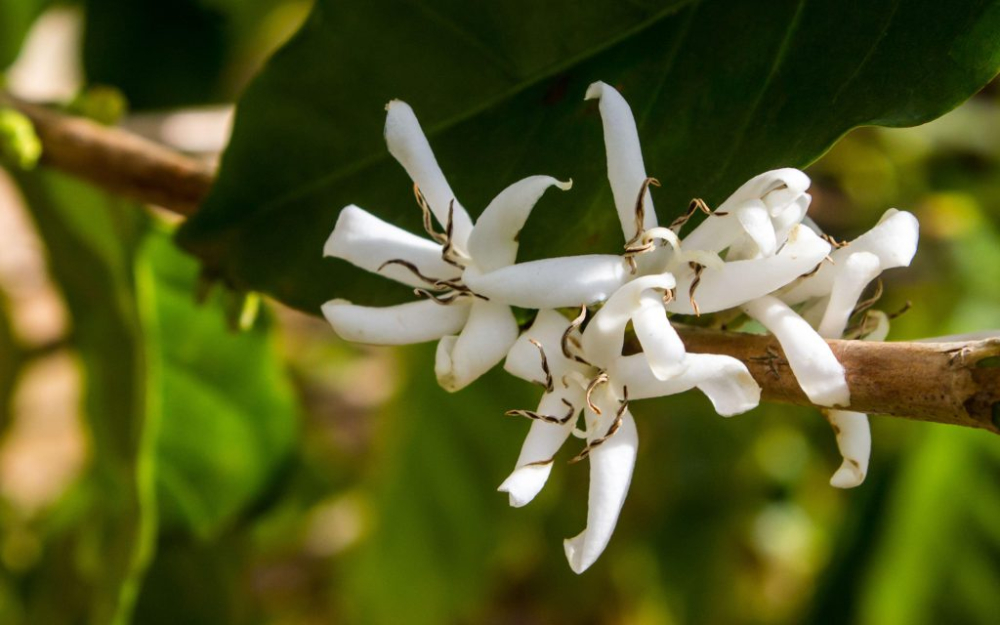
Geisha coffee beans are widely regarded as the finest-flavored of all coffee varieties, though their character shifts with the growing region. Given Geisha's reputation, many coffee-producing countries now cultivate the variety, in both experimental and commercial batches. In this article, FrontStreet Coffee explores the quality of Geisha from different origins.

Origins and Discovery of Geisha Coffee
Geisha was first discovered in the Geisha forest of Ethiopia in 1931. It was subsequently sent to the Coffee Research Institute in Kenya. In 1936 it was introduced to Uganda and Tanzania, followed by Costa Rica in 1953, and finally to Panama in 1970.
At first Geisha attracted little attention, until Panama's La Esmeralda farm separated it from other varieties in 2003. When it entered the 2004 competition and became the BOP (Best of Panama) champion, Geisha coffee stepped into the spotlight.
The delicate, elegant flavor of the Geisha variety stems from its specific growing environment. Geisha is exceptionally selective about its conditions, requiring higher altitudes, cloud cover or extensive shade trees, and fertile soil.
Panama's Finest: La Esmeralda
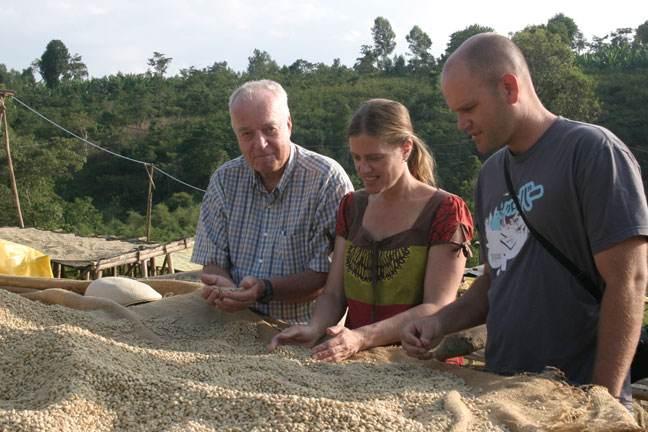
Among all growing regions, Boquete in Panama stands out as the most representative. Geisha from this region is beloved by coffee enthusiasts worldwide, and the renowned La Esmeralda estate is located here. La Esmeralda currently has three sub-estates: El Velo, Cañas Verdes, and Jaramillo. The premium batches are produced in the Jaramillo and Cañas Verdes estates, with many auction lots originating from Cañas Verdes. FrontStreet Coffee's Panama La Esmeralda Red Label comes from the Mario lot in Cañas Verdes.

La Esmeralda's Geisha is classified into three categories: Red Label, Green Label, and Blue Label. Among these, the Red Label represents the highest quality and is also the most expensive.
Esmeralda Special (Red Label)
Esmeralda Special, commonly known as "Red Label," consists of Geisha grown at altitudes between 1,600-1,800 meters with cupping scores above 90 points. It is primarily produced in the Jaramillo and Cañas Verdes regions. Red Label batches may be processed using either washed or natural methods. There is also the Esmeralda Auction, which became a separate brand from the Red Label in 2022, allowing buyers to acquire lots through competitive bidding.
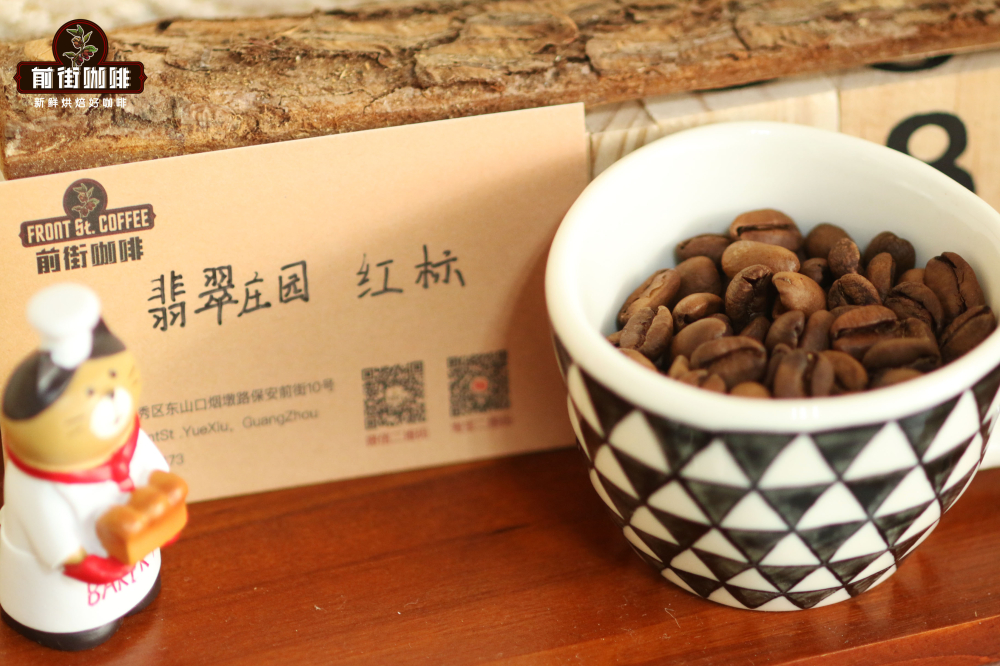
FrontStreet Coffee · Panama La Esmeralda Red Label Geisha Coffee Beans
Region: Panama, Boquete
Estate: La Esmeralda, Mario lot
Altitude: 1,700m
Processing: Natural
Flavor: Lemon, honey, berries, orange peel, mango, cream, citrus
Private Collection (Green Label)
Private Collection, commonly known as Green Label, consists of batches that stay out of auctions but still maintain excellent quality. Green Label Geisha is grown at altitudes of 1,600-1,800 meters, primarily as a blend from different lots in Jaramillo, Cañas Verdes, and other regions.
Because of the blending approach, the flavor profile of Esmeralda Green Label Geisha sometimes closely resembles that of the Red Label. Although not as high-grade as the Red Label, the Green Label still possesses the classic Geisha characteristics: floral notes, fruit aromas, citrus acidity, and a rich, juicy mouthfeel. Green Label batches are also available in both washed and natural processing methods.

Geisha 1500 (Blue Label)
Geisha 1500, commonly known as Blue Label, is grown at altitudes of 1,400-1,500 meters. Esmeralda Blue Label is a blend of Geisha beans from three different lots: Jaramillo, Cañas Verdes, and El Velo. In previous years, Blue Label Geisha was only available in washed processing, but this year natural processing has been added to the Blue Label batches. Notably, La Esmeralda discontinued the Blue Label series in 2021, selling the Geisha from these regions externally as Panama Volcanic Rock Geisha coffee beans, which maintains the same flavor profile as the original Blue Label. FrontStreet Coffee notes that FrontStreet Coffee Panama Volcanic Rock Geisha is only available in washed processing, with light floral notes and fruit acidity, though the body is not as full as the other two labels.
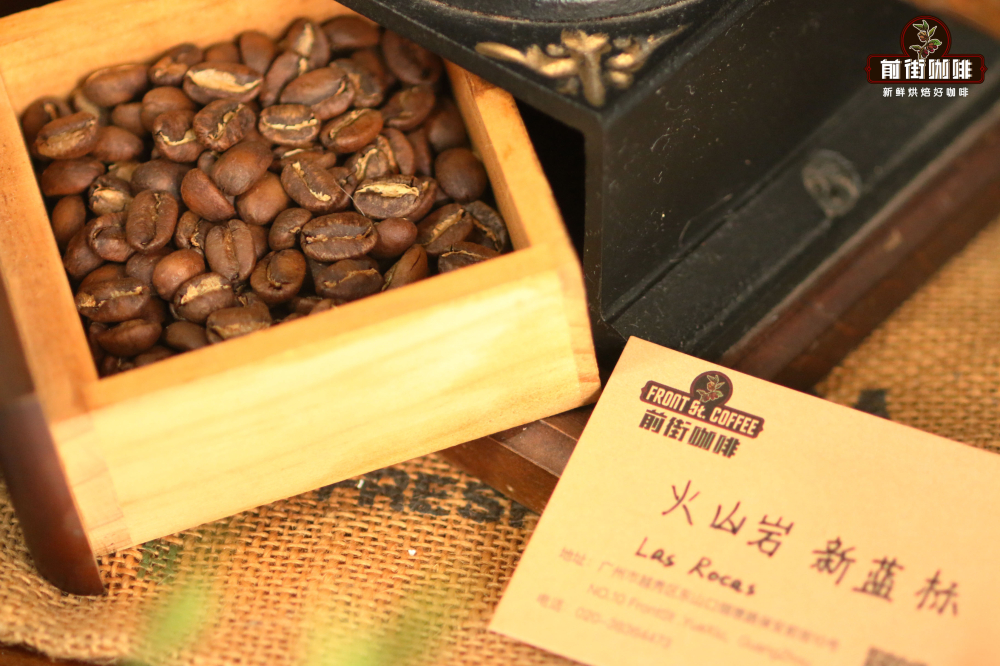
FrontStreet Coffee · Panama Volcanic Rock Geisha Coffee Beans
Region: Panama, Boquete
Estate: La Esmeralda
Altitude: 1,500 meters
Variety: Geisha
Processing: Washed
Flavor: Citrus acidity, jasmine, honey
Brewing Recommendations from FrontStreet Coffee
Geisha coffee offers rich, diverse flavors with prominent floral and fruity aromas. FrontStreet Coffee recommends selecting freshly roasted coffee beans to experience the complete flavor profile. Coffee beans enter their optimal flavor window 4-7 days after roasting, after which the aromas begin to dissipate more rapidly. FrontStreet Coffee ships all coffee beans within 5 days of roasting, so you can brew and enjoy them immediately upon receipt.

To highlight the flavor layers of this Geisha, FrontStreet Coffee uses a Hario V60 dripper with adjusted parameters. We still use 15g of coffee with a 1:16 ratio, water temperature at 93°C, and a grind size similar to fine sugar (78% retention rate on a #20 standard sieve).
- First pour: inject 30g of water and bloom for 30 seconds.
- Second pour: inject 110g of water with a steady flow to raise the coffee bed, allowing thorough extraction.
- Final pour: inject 115g of water around the outer edge once the water level drops slightly. Wait for the coffee to finish filtering, then remove the dripper. Total brewing time: 2 minutes and 5 seconds.
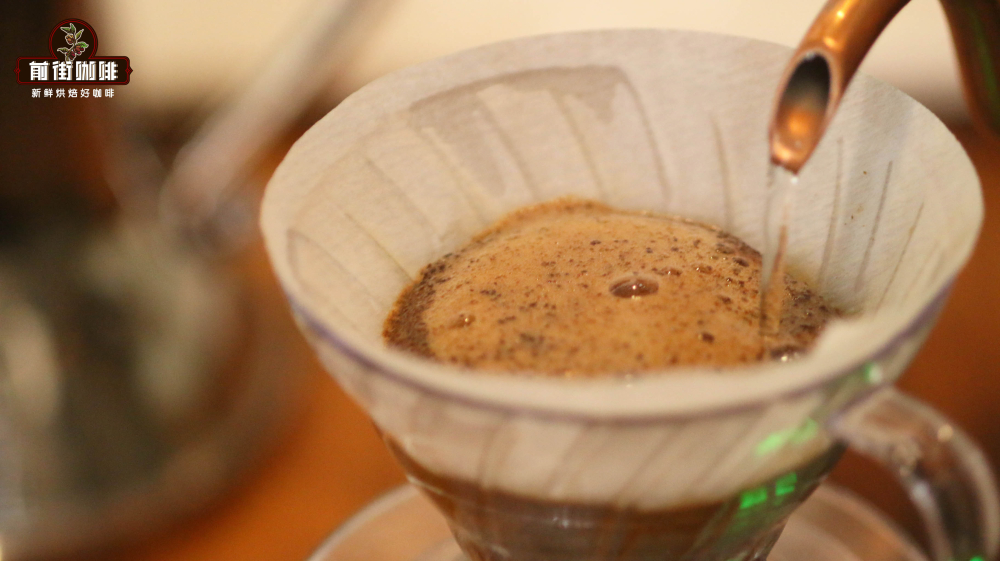
This method excellently expresses the jasmine floral and berry aromas of FrontStreet Coffee's Panama La Esmeralda Blue Label Geisha, highlighting the berry and honey flavors with a relatively full body.
Colombia's La Esperanza Geisha
In addition to the high-quality Geisha from Panama's La Esmeralda, the Geisha beans from Colombia's La Esperanza estate are also highly anticipated. La Esperanza estate is located in the Huila region of Colombia. Unlike traditional family-owned coffee farms, La Esperanza is a collective of several coffee farmers who market their products together under the La Esperanza name.

La Esperanza spans forests at altitudes of 1,400-1,650 meters, where fully mature coffee cherries are harvested by hand. The coffee farmers maintain excellent growing conditions and persistently control the quality of green coffee beans. The estate was champion of the 2007 Colombia Coffee Competition and also secured 9th, 12th, and 14th places in 2008 (by different coffee growers). In November 2008 it received a high score of 93 points from American coffee master Kenneth Davids (author of Coffee Review and "Home Coffee Roasting"), establishing it as one of Colombia's top estates.
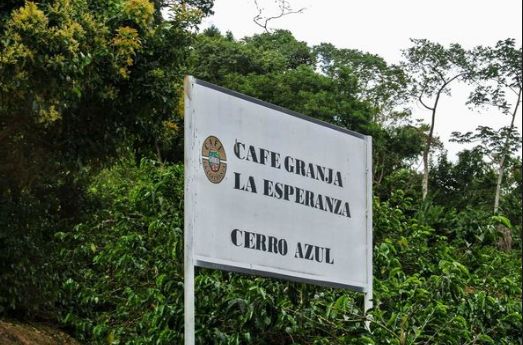
La Esperanza owns four estates (Esperanza, Las Margaritas, Cerro Azul, and Potosi). It has won the Best of Panama championship (2008) and second place (2009), and in 2012 three of its products secured 2nd, 3rd, and 7th places in the top ten of the SCAA Coffee Of The Year. In the Good Food Awards (GFA), La Esperanza became the only award-winning estate from regions outside Ethiopia, Kenya, and Panama.
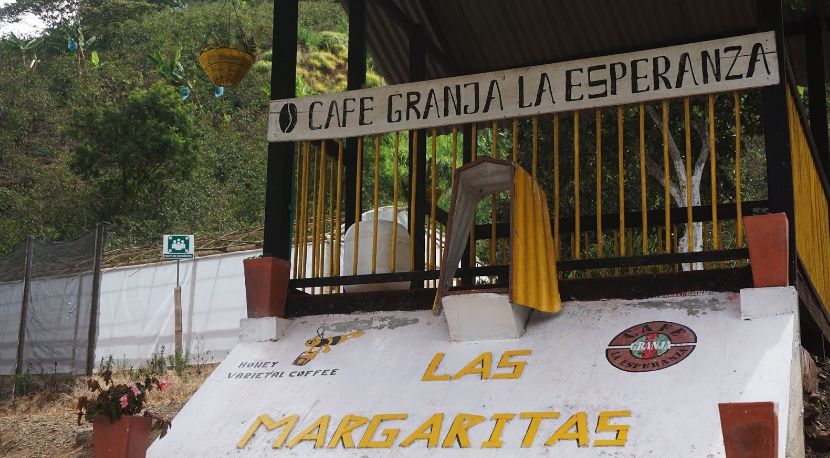
La Esperanza's Geisha variety was introduced from Panama's La Esmeralda, which is why it is considered the closest equivalent to La Esmeralda's Geisha. FrontStreet Coffee's Colombia La Esperanza Geisha is processed using the washed method.

Washed processing involves placing selected coffee cherries in a depulper to remove the skin and pulp; placing the beans with remaining mucilage in water for approximately 24 hours of fermentation; after fermentation, washing the parchment coffee in flowing water channels to remove pulp and mucilage; drying the beans either in the sun or with mechanical dryers until the moisture content reaches approximately 12%; and finally removing the parchment from the green beans.
FrontStreet Coffee · Colombia La Esperanza Geisha Coffee Beans
Region: Colombia, Huila
Estate: La Esperanza
Altitude: 1,800 meters
Variety: Geisha
Processing: Washed
Flavor: Jasmine, sweet orange, lemon, honey, cream, oolong tea
Roasting Analysis from FrontStreet Coffee
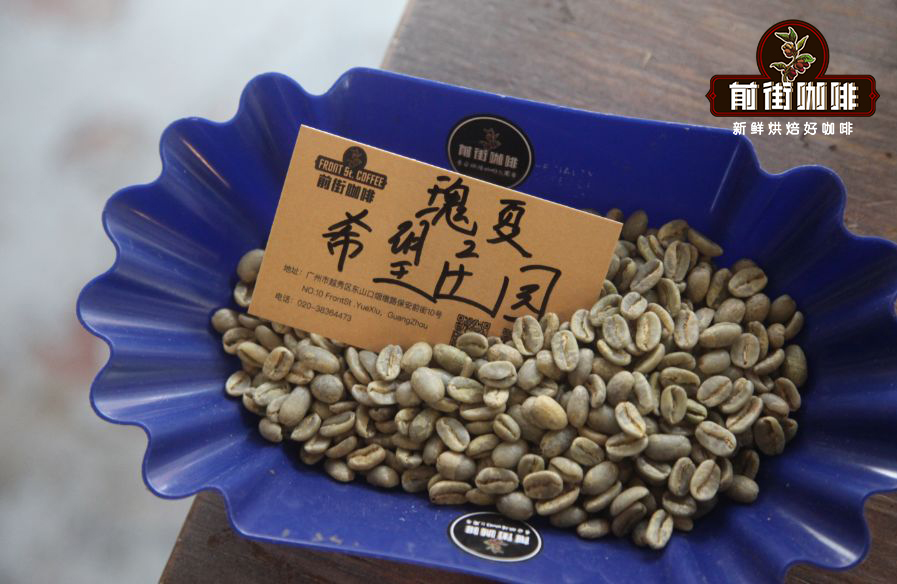
The green beans display a beautiful blue-green color and have distinct aromas of fermented fruit and orange.
Roasting machine: Yangjia 800N (300g batch size)
Preheat to 160°C, then add beans with the airflow setting at 3. After 30 seconds, reduce heat to 140 with airflow unchanged. The temperature return point occurs at 1'42". When the temperature reaches 140°C, adjust heat to 120 and increase airflow to 4. At this point the bean surface turns yellow, and grassy aromas disappear completely, entering the dehydration phase. When the temperature reaches 166°C, reduce heat to 110 with airflow unchanged.
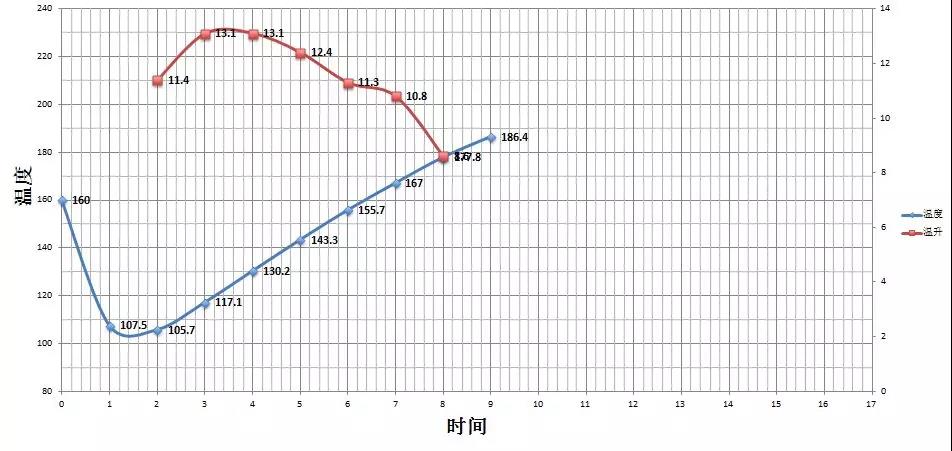
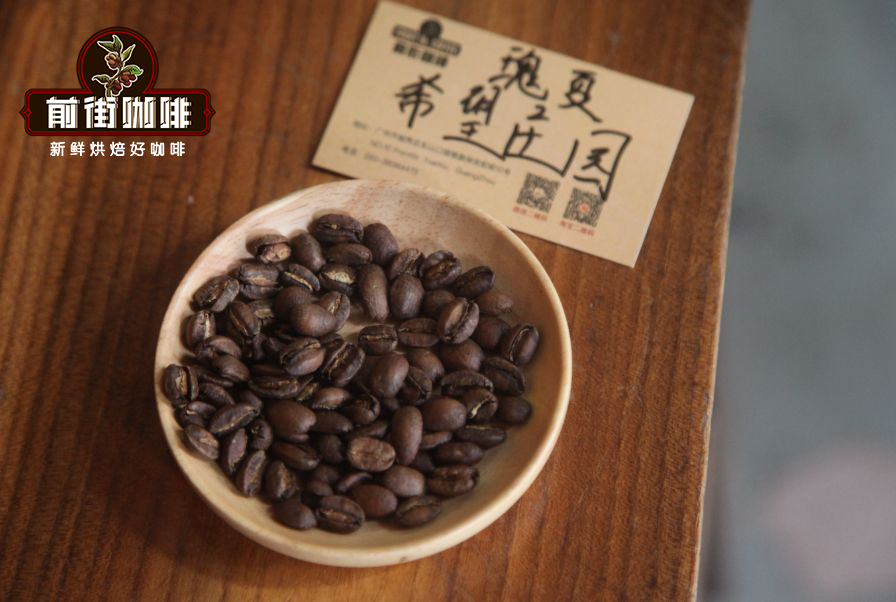
At 7'50", ugly wrinkles and black spots appear on the bean surface, with the toast aroma clearly transitioning to coffee aroma—this can be defined as the prelude to first crack. Listen carefully for the first crack sound, which begins at 8'15". Reduce heat to 50 and increase airflow to 5 (heat reduction must be done carefully to maintain crack sounds). Develop for 1'28" after first crack, then drop at 190°C.
Brewing Recommendations from FrontStreet Coffee
Dripper: Hario V60
Water temperature: 90-92°C
Coffee-to-water ratio: 1:15
Grind size: 78% retention rate on China standard #20 sieve
Brewing method: 30g water bloom for 30 seconds, then pour to 125g. When the water level drops and is about to expose the coffee bed, continue pouring to 225g. Remove the dripper when the water level drops and is about to expose the coffee bed again (timing starts from the beginning of bloom). Total extraction time is approximately 2 minutes.
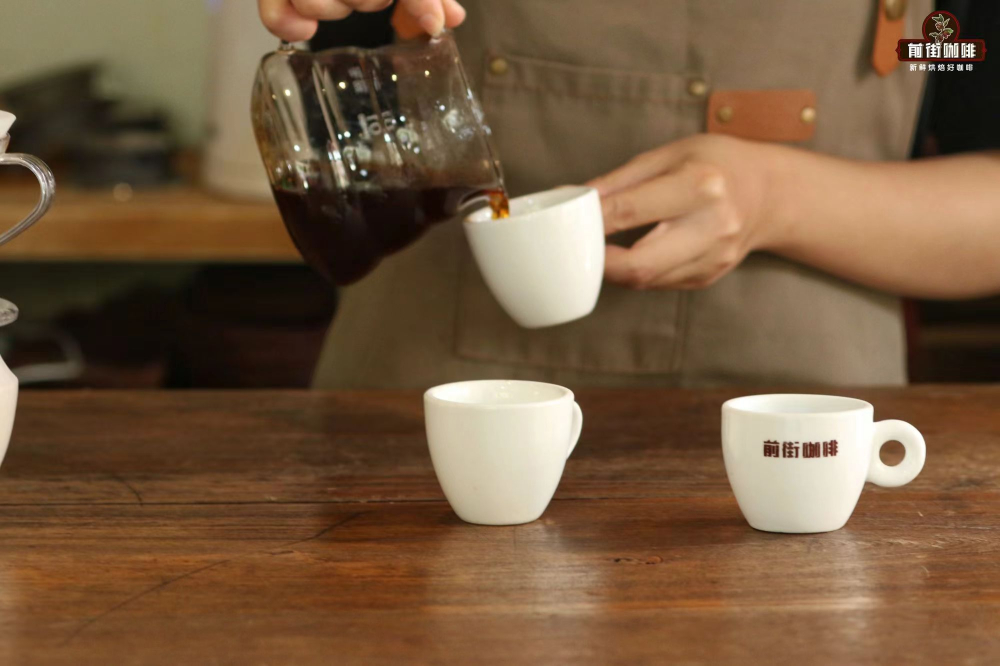
Brewed with higher water temperatures, this FrontStreet Coffee Colombia La Esperanza Geisha exhibits pronounced sweetness and tea-like qualities, with citrus, plum, and bergamot acidity. The mid-palate reveals cinnamon and caramel flavors, with a distinct oolong tea finish. Brewed with lower water temperatures, it shows clear flavor layers—initial delicate floral notes followed by citrus, orange, lemon, and subtle berry acidity. Cream and honey sweetness emerge in the mid-palate, with a faint oolong tea aroma and sugarcane aftertaste in the finish.
FrontStreet Coffee Recommendation
To taste this style of Geisha for yourself, FrontStreet Coffee's Panama La Esmeralda Red Label comes from the Mario lot in Cañas Verdes, grown at 1,700 meters and natural processed, carrying the lemon, honey, berries, orange peel, mango, and cream described in this article. If you want the same Esmeralda character at a friendlier price, the FrontStreet Coffee Private Collection Green Label blends micro-lots from Jaramillo and Cañas Verdes at 1,600-1,800 meters and keeps the classic jasmine, citrus acidity, and juicy body. For a direct comparison with the Colombian Geisha discussed above, the FrontStreet Coffee Colombia La Esperanza Geisha is washed processed and grown at 1,800 meters in Huila, showing jasmine, sweet orange, lemon, honey, cream, and an oolong tea finish. Like all the lots here, they are roasted light and perform best with a 93°C V60 and a fine-sugar grind.
Important Notice :
FrontStreet Coffee is a long-established specialty coffee roaster in Guangzhou China, selling freshly roasted beans from its own farm in Yunnan as well as dozens of carefully selected single-origin beans from around the world for both pour-over and espresso. The products deliver consistently excellent quality and great value, with shipping within 24 hours. Guangzhou's FrontStreet Coffee shop is recommended by many coffee lovers, and the beans are now available online at the Tmall 。
FrontStreet Coffee has moved to a new address:
FrontStreet Coffee Address: 315,Donghua East Road,GuangZhou
Tel:020 38364473
 Scan and follow the En Gafei WeChat official account. Please indicate that the reprint comes from "En Gafei".