Uganda Coffee Beans: Flavor Description, Taste Profile, Processing Methods, Varieties, Growing Regions, and Estate Introduction
Professional coffee knowledge exchange. For more coffee bean information, please follow Coffee Workshop (WeChat public account: cafe_style).
Uganda Coffee Overview
Coffee cultivation is one of Uganda's pillar export industries. Uganda is the birthplace of African Robusta, just as Ethiopia is the native land of Arabica — Robusta was first discovered in Uganda. The country now has over 100 years of coffee cultivation history, and its production ranks second in Africa, behind only Ethiopia. Uganda is also one of the few major African countries committed to organic coffee production.
In Uganda, Arabica beans account for only about 10% of national coffee production. The best Ugandan coffee comes mainly from the Elgon and Bugisu mountain areas along the Kenyan border in the northeast, and from the Rwenzori mountains in the west.
Uganda Coffee Characteristics
The Mbale area on the eastern side of Mount Elgon, along with production areas near the Democratic Republic of Congo border in the west, export under the name "Wugar." Officially listed grades include Organic, Bugisu AA, Bugisu A, Bugisu B, Bugisu PB, Wugar, Drugar, and other unspecified grades.
To find high-quality Ugandan coffee, first learn to recognize the Bugisu AA, A, and PB grades. Because the country is landlocked, transport problems are common, so it is often possible to find green beans with low moisture content and a dull, less vibrant appearance. Fortunately, Ugandan coffee is not a type that emphasizes bright, soaring aromatics: as long as the green beans are not severely bleached or yellowed, they will generally still show excellent regional character.
It has deep, fruity, mature aromas and a red-wine-like taste with a rich body, similar to some low-altitude Kenyan profiles, but it also carries a mild earthiness. Its flavor therefore differs significantly from other East African origins, resembling instead the Sulawesi Toraja and state-owned Java plantation coffees of Indonesia.
FrontStreet Coffee believes a roast level between City+ and Full City+ is optimal.
Uganda Coffee Trade
Uganda is a tropical African country with fertile soil and altitude and climate conditions ideal for quality coffee. As early as a decade ago, the leaders of China and Uganda intended to deepen trade cooperation and traditional friendship through coffee. With their support and that of the Beijing Municipal Government, Beijing North Star Industrial Group and the Uganda Coffee Development Authority formally signed a cooperation agreement on January 21 of this year.
The coffee launched by Chenao Company uses the crest of the Crown Crane — a rare bird famous in Uganda — as its trademark, representing the natural purity of the product.
Uganda Coffee Cultivation
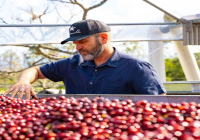
All coffee cultivation in Uganda is family-based smallholder farming: the livelihoods of 25% of the population are closely tied to coffee, and there are approximately 500,000 farms growing it — mainly Robusta, which accounts for 90% of production, with Arabica making up the remaining 10%. Both Arabica and Robusta are harvested from October to February of the following year.
The main sales areas and quality grades of Ugandan coffee include Bugisu AA (only 4% of national production), Bugisu A, and Wugar A (all wet-processed), plus small amounts of sun-dried Drugar. In Bugisu AA, "AA" indicates the grade — the highest in the country. Bugisu grows on the slopes of Mount Elgon in eastern Uganda: it has a richer body and lower acidity, with a unique green papaya flavor entirely different from other East African coffees and closer to Indonesia's Java coffee.
FrontStreet Coffee Roasting Suggestions
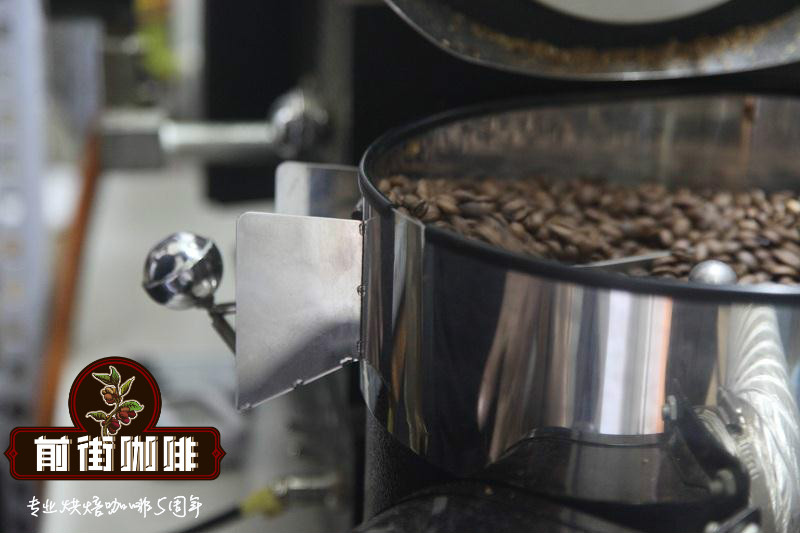
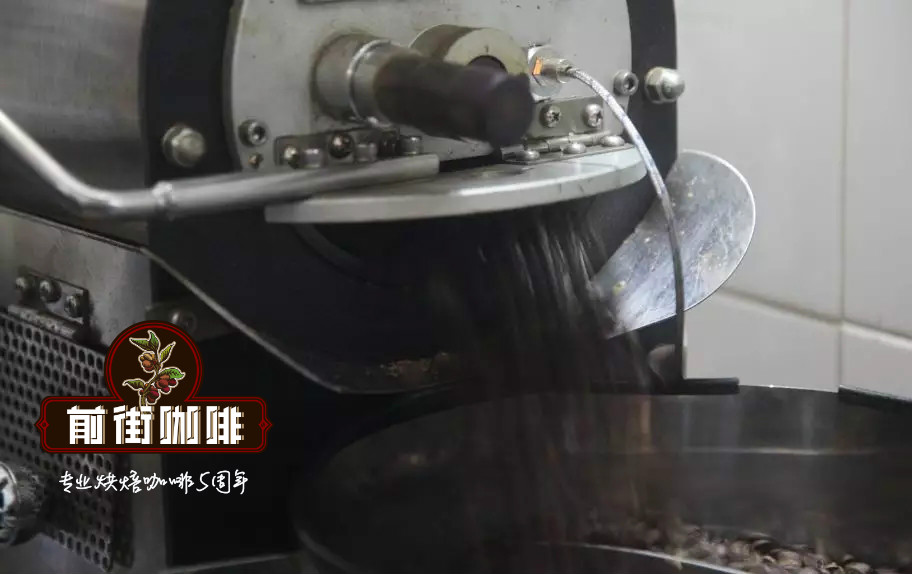
Ugandan beans are relatively small and dense, absorbing more heat during roasting, with the Maillard reaction arriving more quickly. In the first roasting batch, I used a higher dropping temperature of 210 degrees, applying steady heat before the beans dehydrated and turned yellow to ensure sufficient heat lasted to the end of the roast.
With an entry temperature of 200 degrees, the heat is comparatively lower and is gradually increased as needed during the roast. Under this approach, the dehydration stage runs longer than in the first batch, with a temperature increase of 6-8 degrees every thirty seconds.
FrontStreet Coffee suggests that, at the roasting stage, a smaller initial heat of 170 degrees and a slower roasting rhythm will best express this coffee's multi-layered flavors.
Recommended Brewing Methods
FrontStreet Coffee recommends: Siphon, Pour-over
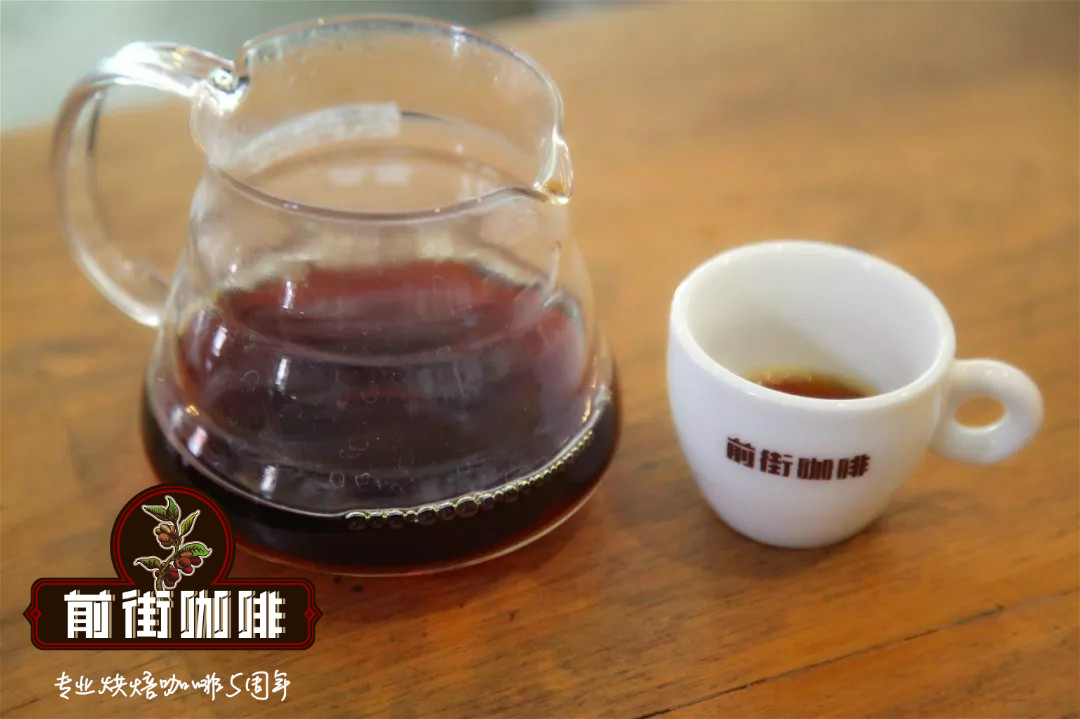
Brewing Parameters
Grind size: 3.5 (Japan Fuji R440)
Water temperature: 89°C
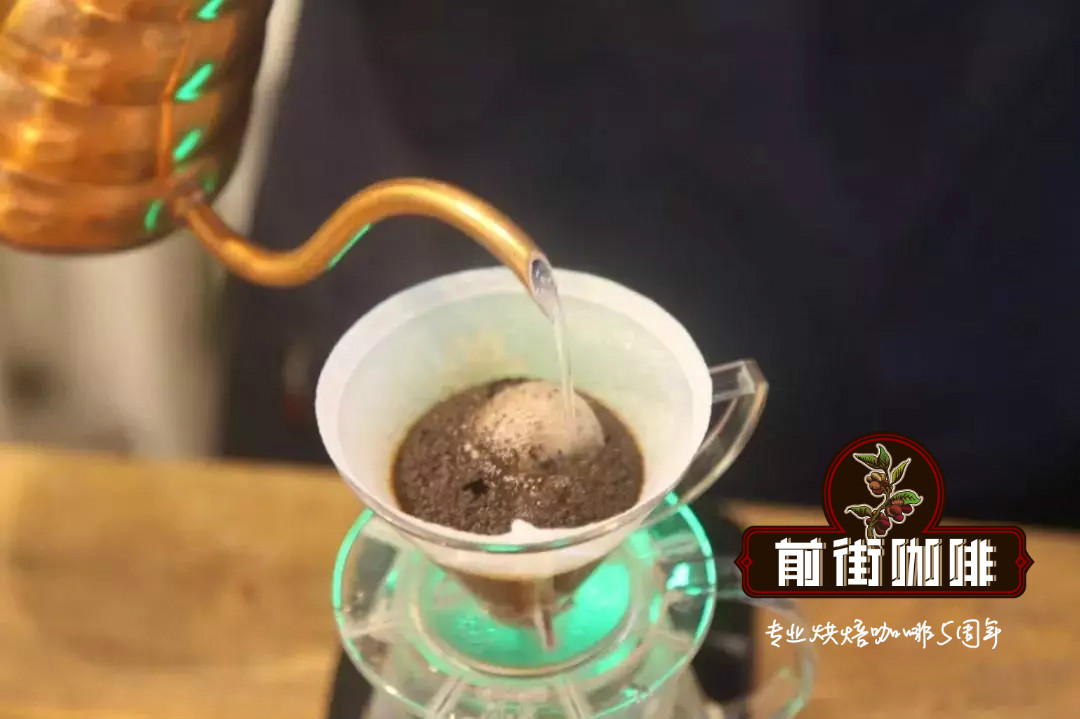
V60 dripper, 15g of coffee, water temperature 89-90 degrees, grind 3.5, water-to-coffee ratio close to 1:15
30g of water for bloom, bloom time 30s
Segments: pour to 100ml, pause, then pour slowly to 225ml
i.e., 30-100-95
Other Drip Brewing Suggestions
French Press: recommended grind size 3.5-4 / water temperature 90°C
AeroPress: recommended grind size 2.5, water temperature 88°C
Pour-over: grind size 3.5, water temperature 89°C
FrontStreet Coffee Recommendation: From Robusta's Homeland to Arabica's Birthplace
If Uganda — the birthplace of Robusta — has you curious about coffee's origins, follow the trail to Ethiopia, the native land of Arabica. The FrontStreet Washed Yirgacheffe is the ideal starting point: clear jasmine florals and bright citrus acidity over a light, elegant, tea-like body that drinks like a clean lemon tea. For wilder character, the FrontStreet Kaffa Forest coffee comes from trees growing wild at 1,400-2,100 meters in shade — the most representative wild-coffee origin — medium-light roasted with white florals, bright lemon acidity, sweet orange and bergamot, and a green-tea-like finish. Both brew beautifully on a V60 with 15g of coffee at 89-90°C and a 1:15 ratio.
Important Notice :
FrontStreet Coffee is a long-established specialty coffee roaster in Guangzhou China, selling freshly roasted beans from its own farm in Yunnan as well as dozens of carefully selected single-origin beans from around the world for both pour-over and espresso. The products deliver consistently excellent quality and great value, with shipping within 24 hours. Guangzhou's FrontStreet Coffee shop is recommended by many coffee lovers, and the beans are now available online at the Tmall 。
FrontStreet Coffee has moved to a new address:
FrontStreet Coffee Address: 315,Donghua East Road,GuangZhou
Tel:020 38364473
 Scan and follow the En Gafei WeChat official account. Please indicate that the reprint comes from "En Gafei".