Flavor Profile and Characteristics of Colombian Emerald Coffee Beans: Grinding Settings
Lovers of Colombian coffee prize its silky, smooth texture. Among all coffees it sets the standard for balance, with a soft, rounded mouthfeel that makes it perfect for drinking at any time of day. In both appearance and quality, Colombian premium coffee is superb—discreetly charming and perfectly balanced, leaving an impression that lingers. Today Colombia is the world's third-largest coffee producer and exporter, the largest exporter of Arabica beans, and the largest exporter of washed coffee.
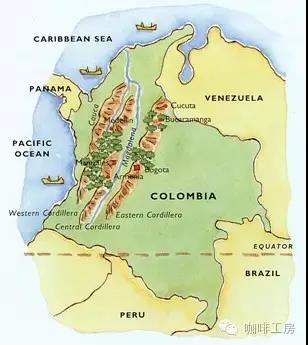
Unique Geography Creates Colombian Coffee
Colombia, with its beautiful mountains, picturesque scenery, pleasant climate, spring-like seasons, and refreshingly pure air, offers an ideal setting for growing coffee. The country's mild climate and humid air create diverse weather conditions that allow harvesting year-round, with different varieties maturing at different times. The unique Arabica beans grown here produce coffee of rich flavor and an endless aftertaste—genuine coffee excellence. Today, many people simply equate "Colombian coffee" with "high quality" and "good taste."
History of Colombian Coffee
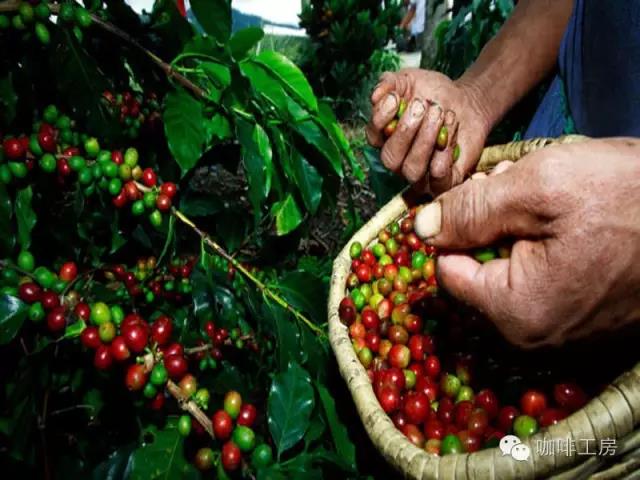
The history of Colombian coffee reaches back to 1808, when a priest first brought coffee into Colombia from the French Antilles by way of Venezuela. Colombia's gentle climate gave coffee a true "natural pasture," and the trees took root in the country from that moment on. Colombia became the world's second-largest coffee producer after Brazil, as well as the largest exporter of Arabica beans and washed coffee.
Colombian coffee is a standout among Arabica varieties—a traditional coffee whose strong, memorable taste rewards darker roasting. Its aroma is rich and substantial, its acidity bright, its balance high, sometimes showing nutty notes, with an aftertaste that never quite ends. In both appearance and quality it is superior, perfectly poised and full of quiet passion.
Colombian coffee has a balanced flavor and smooth texture, like a gentleman among coffees—proper and well-mannered. Its growing regions are extensive, with Medellin, Armenia, and Manizales the most famous, known collectively as "MAM."
Premium Coffee Growing Regions
Colombia's premium growing regions lie mainly in the south, at altitudes above 1,500 meters: San Augustin in Huila, Popayan in Cauca, Nariño Province, and Tolima Province. Coffee from these areas shows refined acidity and berry notes, with caramel aroma and full sweetness.
Hacienda Esperanza
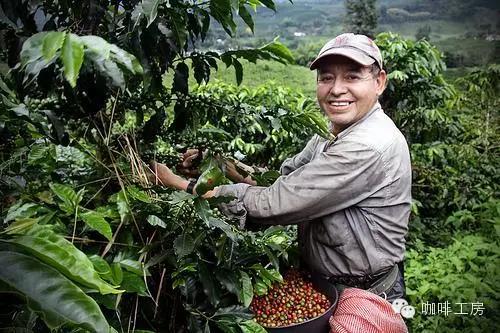
Hacienda Esperanza owns four farms—Esperanza, Las Margaritas, Cerro Azul, and Potosi. Its farms won the Best of Panama championship in 2008 and runner-up in 2009. In 2012, three of its coffees took an astonishing 2nd, 3rd, and 7th places in the SCAA Coffee of the Year top ten. In the GFA (Good Food Awards), Hacienda Esperanza also became the only award-winning farm from outside Ethiopia, Kenya, and Panama.
Hacienda Esperanza stands apart from other farms with a PhD botanist on staff, three professional cuppers, and 100 full-time employees, currently managing six affiliated farms. The farms belong to the Herrera brothers. Their grandfather once ran a coffee farm in Colombia's Trujillo region; when it declined, the brothers left Colombia—but they never abandoned the dream of returning home to run a coffee plantation.
Esperanza's experimentation with varieties seems endless, with new ones under constant trial. Beyond the organic Caturra that originally covered most of the estate, the farm grows Geisha, organic Geisha, Mocha, Bourbon (including red, yellow, and Tekisic), Pacamara, San Bernardo, and Pache—bringing to coffee the same seriousness wineries reserve for grape varieties. After Geisha, the estate's Pacamara, Bourbon, and even Pointed Bourbon continue to surprise and delight the specialty coffee world.
Hacienda La Esmeralda
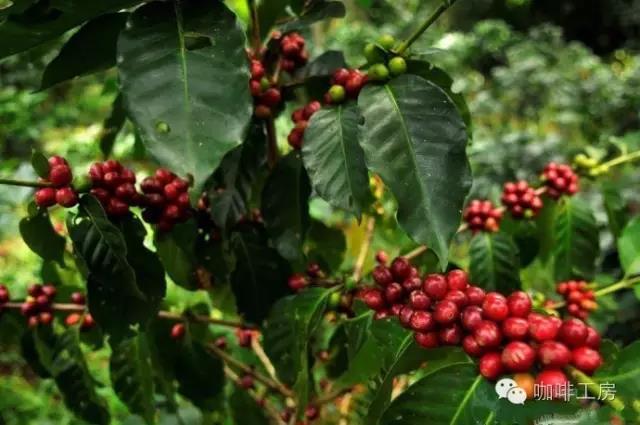
Hacienda La Esmeralda sits in Boyacá Department at an average altitude of 1,230m, with an average temperature of 22°C and rainfall of 1,870ml. Of its 2.62-hectare planting area, 90% is Castillo, harvested in the second half of the year, grown under shade, and processed by traditional natural depulping. The farm holds 4C, Rainforest Alliance, and UTZ certifications. These honest fundamentals already signal a clean, flavorful, high-quality coffee—but more importantly, La Esmeralda has been named a local "Best Ecological Cycle" model farm. That honor reflects not only its good living conditions, quality variety renewal, and solid processing and drying infrastructure, but the seamless integration of the whole plantation with its ecosystem. The farm is densely planted with traditional shade trees—coral bean, acacia, silk tree, and Indian laurel—under whose protection the plump cherries turn an exceptionally vivid red, enough to lift the pickers' spirits.
Hacienda El Roble
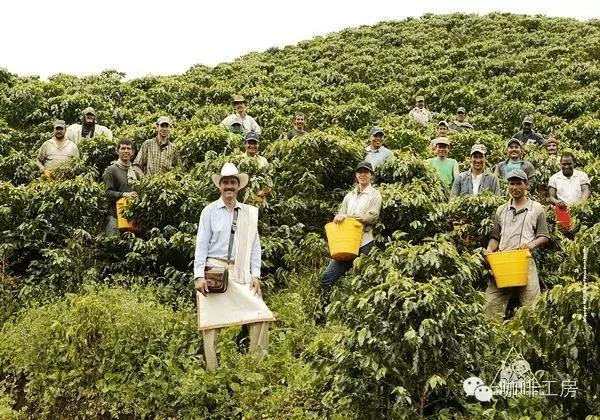
Hacienda El Roble lies in Valle del Cauca Department at an average altitude of 1,880m, with an average temperature of 22°C and rainfall of 1,920ml. Across its 7.43-hectare planting area, 50% of the crop is harvested in the first half of the year and 50% in the second, ensuring a steady supply of fresh coffee all year. The full-sun planting model makes every cherry plump and sturdy, while the wide day-night temperature swings at high altitude make the fruit honey-sweet and juicy. The result is coffee of rich flavor with high-sweetness tropical fruit character. El Roble is a historic farm: Gálvez took it over from his father's generation and began changing varieties in the 1970s, breaking away from his father's Caturra monoculture. Castillo is now the most widely planted variety on the farm, improving disease resistance and yield while greatly raising quality. Generations of stewardship have preserved both deep management experience and a genuine devotion to coffee.
Hacienda Naranjal
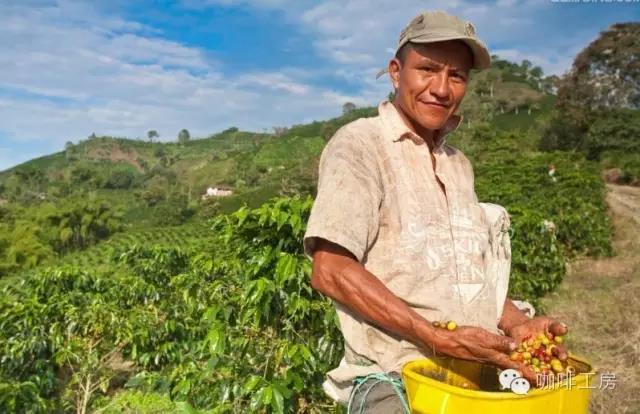
The name Hacienda Naranjal is a delight to hear. It sits in Boyacá Department at an average altitude of 1,440m, with an average temperature of 18°C and rainfall of 1,330ml. Its 2.76 hectares are planted with 98% Castillo and 2% Caturra, 100% shade-grown, with the harvest running from October to January each year. The growing conditions look ordinary, yet the farm's coffee is surprisingly bright—like its namesake sweet orange, which conquers every taste bud with full aroma and lively fruit acidity. Naranjal holds 4C certification and is also certified by the Colombian Federation of Women Farmers. Its owner, Garzón, is a female municipal council president who runs the farm superbly and actively participates in old-variety renewal, making her a leader among coffee farmers. There is a firm strength inside her gentle calm that once again echoes the farm's name: the sweet orange, whose juicy sweetness always needs that dazzling fruit acidity.
Hacienda La Dulcera
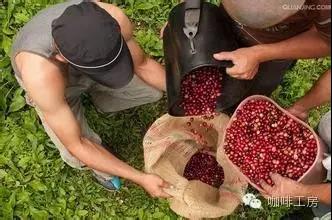
Hacienda La Dulcera is located in Caldas Department at an average altitude of 1,611m, with an average temperature of 20°C and rainfall of 2,800ml. It is called La Dulcera—roughly "the sugar-maker's place"—because of the 13.1 hectares it covers, only 1.15 hectares (8%) are planted with coffee, while the rest is filled with sugarcane. Coffee is the rare crop here that demands careful nurturing, surrounded by lush cane; the mature cherries resemble passionate Latin American girls. The coffee is 100% Castillo, 60% sun-grown and 40% shade-grown, with rich, layered flavor. Abundant rainfall keeps the beans plump and full of nutrition and flavor. The freshness of sugarcane and the smoothness of brown sugar have long been tied to this coffee. La Dulcera holds Rainforest Alliance and Fair Trade certifications. The owner, Rivera, bought the land from a family farm 16 years ago and has focused on planting ever since; his family manages the sugarcane and brown sugar production. Unmarried, Rivera spends his days hurrying through the farm as if dancing salsa with his "brown sugar girl."
Colombian Coffee Overview
Located in northwestern South America, Colombia is a beautiful country with a long history. Indigenous peoples have lived and multiplied on this land since ancient times. It became a Spanish colony in 1531 and gained independence in 1819, taking its current name in 1886 in honor of Columbus, the discoverer of the American continent. Blessed with beautiful mountains, picturesque scenery, a pleasant climate, and fresh air, Colombia is rich in natural resources—coffee, flowers, gold, and emeralds are famed as the country's "four treasures." Today the nation is the world's second-largest coffee producer after Brazil, the largest exporter of Arabica beans, and the largest exporter of washed coffee. Colombian coffee is often described as silky and smooth; among all coffees it has the finest balance and a soft mouthfeel perfect for any occasion. It has earned praise no other coffee can match: the title of "green gold."
Hacienda Santa Rita
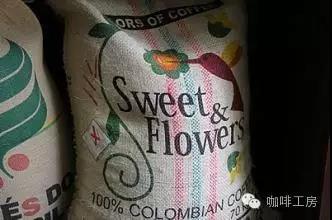
Hacienda Santa Rita sits in Antioquia Department, in a micro-region adjacent to the Andes Mountains. Its quality coffee is produced collaboratively by 9 nearby farms, which still process their coffee traditionally: cherries are hand-picked, washed the old way, and the processed beans are spread on racks to dry in the sun. The Andean environment endows the area with fertile volcanic soil and unique water resources.
Hacienda Mirador
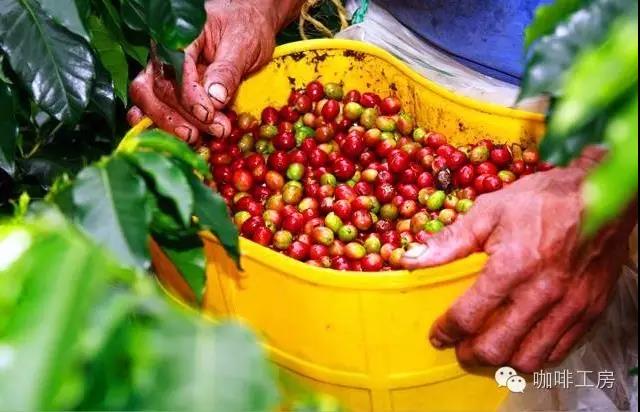
Mirador Farm lies in the Pitalito region at the southern tip of Huila, an area renowned for quality coffee. Its owner, Elkin Guzman, is unquestionably a pioneer of coffee cultivation—a bright young grower who uses the latest technology to refine his planting, harvesting, and processing. After harvest, the cherries are first sorted in water tanks, then hand-sorted again before drying. For the first 8 days they dry on raised racks with constant stirring; on the 9th day the coffee moves into a mechanical dryer for 35 days, protecting the flavor from excessive heat.
Millennium Farm Association
Monserrate lies in the southwestern part of Valle del Cauca Department. Most of its farmers work small plantations, treating coffee as a bulk commodity to be traded for cash. A few years ago, the New Millennium Farmers Association (Grupo Asociativo Productores del Nuevo Milenio) was founded locally, dedicated to improving coffee quality and selling green beans at better prices. In 2005, USAID also launched the Colombia Specialty Coffee Program, bringing American specialty green-bean traders into cooperation with the association. They sent people to Monserrate to join the coffee production effort, guided farmers toward better planting techniques and higher-quality coffee, and advised on positioning and marketing for the specialty market.
The association has 42 members and can produce roughly three containers (about 825 bags) of green coffee a year. To keep improving quality, it continues recruiting new members in Monserrate to expand production. With help from USAID and the American traders, it has also built a cupping laboratory locally, teaching farmers to judge coffee quality through cupping and feed that knowledge back into production.
Hacienda El Diamante
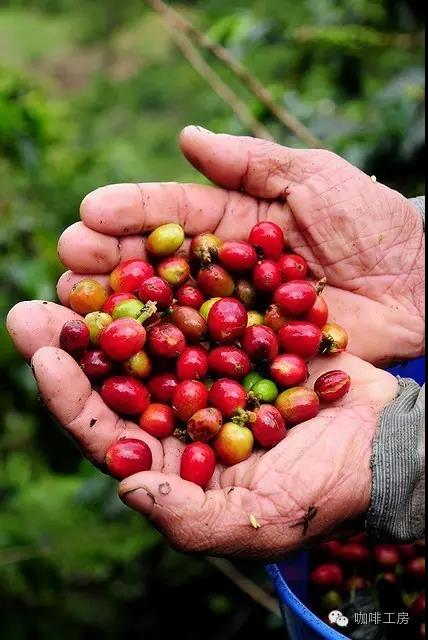
Hacienda El Diamante, in Colombia's Huila region in the country's southwest, belongs to one of the nation's main coffee-growing areas. Because famous growing sites are scattered across Huila, the names of its small districts have themselves become brand names. Growing conditions here are excellent, but the farms' infrastructure and surroundings remain underdeveloped—green bean drying equipment and washing facilities are still incomplete, which is a genuine pity. Huila coffee is strong in flavor and heavy in texture; especially its nutty, chocolate, and caramel aromas, set against a proper acidity, make it a benchmark of quality specialty coffee.
FrontStreet Coffee Pour-over Reference
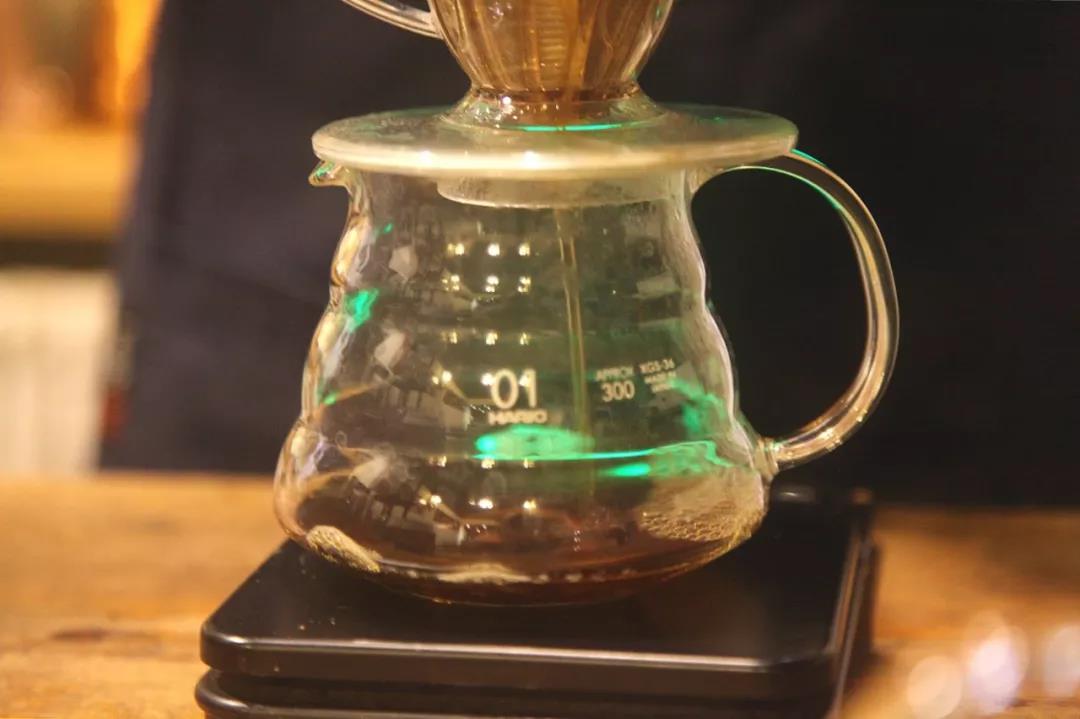
Using a KEY dripper: 16g of coffee with 32g of water for a 30-second bloom, extraction at 89–90°C, ratio 1:15, medium-fine grind at Fuji setting 3.5. Pour a second time to 110ml and stop; when the water level drops, pour again slowly, keeping an even pace and avoiding an excessively high water level. Pour to 233ml and stop, with a total extraction time of 2'15"—the cup is rich with natural sweetness. Adjust to your own taste as you like.
FrontStreet Coffee Recommendation
Much like Colombia, Brazil earns its reputation through balance: as the world's largest coffee producer it grows an enormous range of coffees, all marked by moderate acidity and an excellent interplay of sweetness, bitterness, and body. That structure makes Brazilian beans ideal for medium roasting—nutty aromas, a mellow mouthfeel, a hint of acidity—and equally at home as a single origin or in a blend.
If you want a first taste of Brazil, FrontStreet Coffee's pulped-natural Cerrado Red Bourbon is a classic choice. Cerrado is one of Brazil's best-known regions for high-quality beans, and this lot, at a medium roast, shows dense aromas of creamy peanut, toast, caramel, and hazelnut—round on the palate, not sour, with only light bitterness. It brews beautifully as pour-over but also suits moka pot, single-origin espresso, siphon, and French press. For something rarer, the Queen Estate Yellow Bourbon from Mogiana—where fertile red volcanic soil feeds the cherries—offers the cleaner fruit character of this red-Bourbon mutation, revealing a sugarcane sweetness alongside fruit and chocolate notes that no other origin quite matches.
Brazil's low acidity and gentle balance have also made it the backbone of many espresso blends. FrontStreet Coffee's classic blend, premium blend, black cocoa blend, and commercial blend all contain Brazilian components: they contribute chocolate and cream aromatics, gentle sweetness, acidity, and bitterness, and a balanced tone that supports stable extraction—qualities that mirror exactly why Colombian "green gold" has won its own devoted following.
Important Notice :
FrontStreet Coffee is a long-established specialty coffee roaster in Guangzhou China, selling freshly roasted beans from its own farm in Yunnan as well as dozens of carefully selected single-origin beans from around the world for both pour-over and espresso. The products deliver consistently excellent quality and great value, with shipping within 24 hours. Guangzhou's FrontStreet Coffee shop is recommended by many coffee lovers, and the beans are now available online at the Tmall 。
FrontStreet Coffee has moved to a new address:
FrontStreet Coffee Address: 315,Donghua East Road,GuangZhou
Tel:020 38364473
 Scan and follow the En Gafei WeChat official account. Please indicate that the reprint comes from "En Gafei".