Taste and Flavor of Honduran Coffee Beans - Washed Method Coffee Bean Profile
Flavor Profile of Honduras Coffee Beans - Washed Method Taste
Honduras is divided into six major coffee-producing regions, spread across the western and southern areas: Santa Barbara, El Paraiso, Copan, La Paz, Comayagua, and Olancho. The average cultivation altitude is above 1,100 meters. The coffee varieties are Arabica, with 69% classified as HG "High Grown" coffee, 12% as SHG "Strictly High Grown" coffee, and 19% as CS. The main varieties include Typica, Bourbon, Caturra, Villa Sarchi, and Lempira.
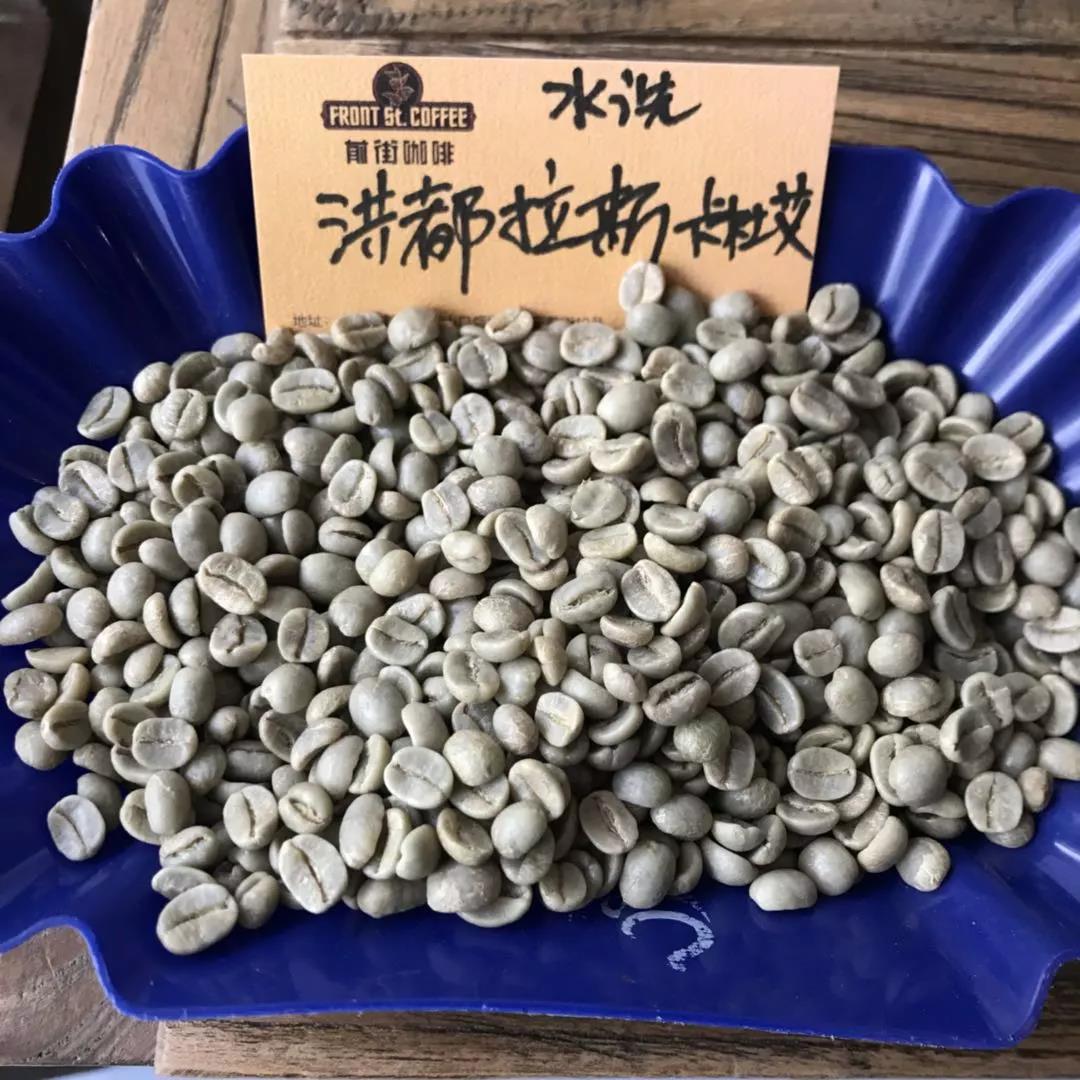
Honduran coffee has a moderate to light acidity that is noticeable without being overpowering. It sometimes carries pleasant floral or fruit aromas, though beans from different regions and altitudes generally show different characteristics. You would hardly connect the cup with the country's turmoil. It has bitterness and a distinct aftertaste, and the overall flavor is balanced, with neither acidity nor bitterness dominating and the two in excellent harmony.
FrontStreet Coffee's Roasting Recommendations
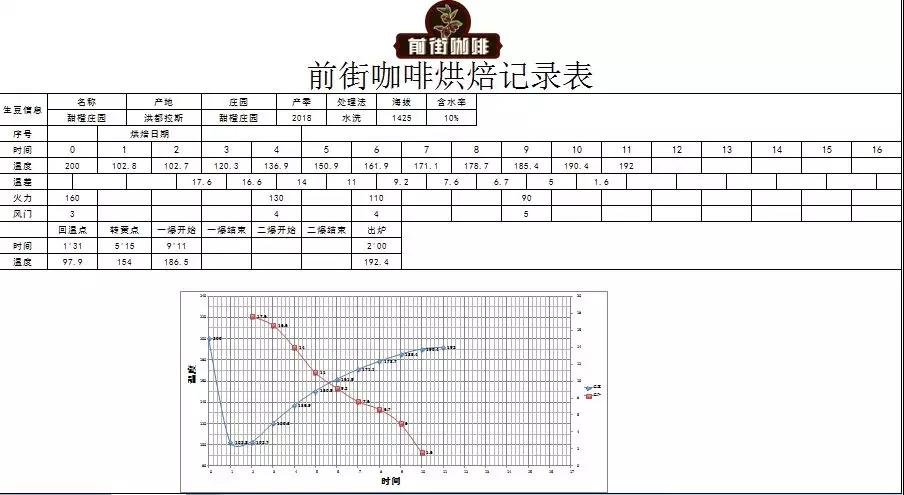
This coffee is classified as SHB grade, with medium bean density. The yellowing point comes around 5 minutes and 15 seconds, after which the heat is reduced and the air damper opened to enter the Maillard reaction. At first crack, open the air damper wide and maintain heat, with the temperature around 192.4°C. Drop the beans 2 minutes after first crack.
Equipment: Yangjia 600g Semi-Direct Heat Roaster
Preheat the roaster to 200°C before charging the beans, and set the air damper to 3. Start heating after 30 seconds and adjust the heat to 160. Return to temperature at 1'31" and hold the heat. Yellowing occurs at 5'15", the grassy aroma disappears, and the dehydration phase begins. Reduce the heat to 130 and open the air damper to 4. At 170°C, reduce the heat again to 110.
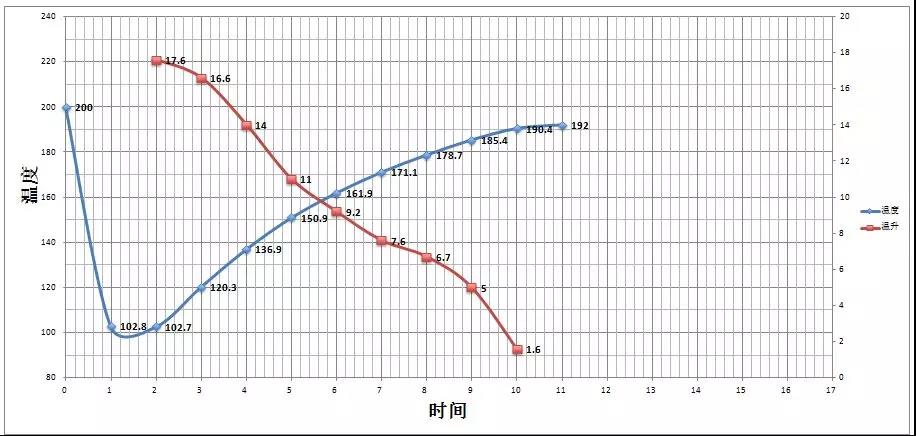
At 8'40", dehydration is complete, wrinkles and dark spots appear on the bean surface, and the toast aroma shifts to coffee aroma, signaling the approach of first crack. At this point, keep the heat unchanged, open the air damper to 5, and listen carefully for the first crack. At 9'11" first crack begins; open the air damper fully to 5. Development time after first crack is 2 minutes, dropping at 192.4°C.
The extremely balanced character of Honduras coffee makes it versatile. It works both in specialty blends and as a single origin, and using it in an espresso blend gives surprising results. Though born in turbulent times, coffee can still develop its own brilliance. It is not hard to see why so many people are devoted to this dark liquid; to some degree it is no longer a simple preference or habit but a mood or a source of comfort. We hope the country will soon show the vitality and brilliance of its coffee.
FrontStreet Coffee Recommendation
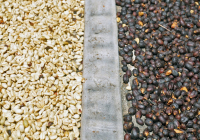
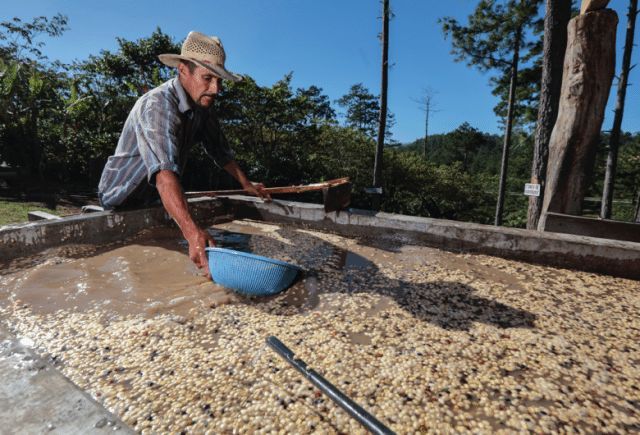
Washing is a traditional way of processing coffee fruit with water, and the usual steps are flotation, removal of the pulp, soaking and fermentation to break down the mucilage, washing or further soaking, drying, and finally hulling to produce the green beans. Because the beans sit in water for a long time, chemical changes are set off inside them and much of their simple sugar - fructose and glucose - is consumed, which lowers the sugar content while increasing various organic acids. Washed coffee therefore tends to keep more of the bean's own aroma while showing bright fruit acidity, cleanliness, and freshness.
FrontStreet Gediyo Cooperative is a good example. Many people know Yirgacheffe, but fewer know that local farmers, who produce in small quantities, deliver their cherries to a cooperative for centralized processing and selling. FrontStreet Gediyo is an accomplished processing team from Gediyo village, recognized for coffee of particular refinement and clarity; because it uses washed processing, it shows jasmine fragrance and bright citrus acidity to the fullest, and after a medium-light roast the coffee releases green tea and honey notes, suiting pour-over, cold brew, and espresso alike.
When it comes to washed coffee, FrontStreet Kenya Small Tomato is one of the best-known representatives, since Kenya excels at the double-wash method: the washing step is repeated, with flotation, soaking, rinsing the mucilage from the bean surface, a further soak, sun-drying, and hulling before storage. All that repeated rinsing and soaking brings the juice-like quality to its peak, so the cup carries the rich aromas of cherry tomato, dark plum, snow pear, black plum, and yellow sugar, sweet-tart and juicy, a favorite of many coffee enthusiasts.
And for the classic washed profile, FrontStreet Jamaica Blue Mountain No. 1 is a benchmark. Jamaica, one of the world's best-known coffee origins, suffers from limited sunlight because its island climate gives it shorter daylight than other regions, and washing developed partly to reduce the chance of the beans spoiling: unlike natural processing, it removes the skin, pulp, and mucilage before drying, which reduces the moisture around the bean, shortens drying time, and yields beans with a translucent luster and a low defect rate. The result keeps Blue Mountain's rich aroma, brewing into the pure notes of hazelnut, cream, chocolate, and caramel, with a balanced body in which no single taste stands out or falls short.
Important Notice :
FrontStreet Coffee is a long-established specialty coffee roaster in Guangzhou China, selling freshly roasted beans from its own farm in Yunnan as well as dozens of carefully selected single-origin beans from around the world for both pour-over and espresso. The products deliver consistently excellent quality and great value, with shipping within 24 hours. Guangzhou's FrontStreet Coffee shop is recommended by many coffee lovers, and the beans are now available online at the Tmall 。
FrontStreet Coffee has moved to a new address:
FrontStreet Coffee Address: 315,Donghua East Road,GuangZhou
Tel:020 38364473
 Scan and follow the En Gafei WeChat official account. Please indicate that the reprint comes from "En Gafei".