What's the Difference Between Sidamo and Yirgacheffe? How Do Their Coffee Bean Flavors Differ?
What's the Difference Between FrontStreet Coffee's Sidamo and Yirgacheffe? How Do Their Flavor Profiles Compare?
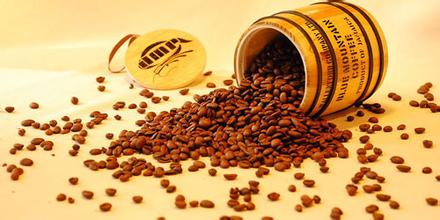
FrontStreet Coffee's natural processed Sidamo offers floral notes with subtle earthy undertones, while the washed version presents nutty fruit aromas with delicate cocoa hints. Both share a smooth, velvety mouthfeel with pleasant acidity and aroma. Light to medium roasts excel as single-origin coffees, while medium to dark roasts work beautifully for blends and make an excellent foundation for espresso.
FrontStreet Coffee's washed Sidamo beans are light green, small and oval-shaped, full and consistently high quality. They carry a rich, mellow aroma that lingers with a wild beauty. Elegant yet playful, the entry is gentle and pleasant, setting up a striking contrast with the bright lemon acidity that follows. The mouthfeel is uniquely rich and mellow, the aftertaste carries a distinctive, pleasant sweetness, and the slowly rising finish holds exquisite sweet notes.
FrontStreet Coffee's Yirgacheffe: Versatile Roasting Profiles
FrontStreet Coffee's Yirgacheffe performs exceptionally well at both ends of the roast spectrum. If you prefer distinctive citrus and fruit aromas with a light, gentle mouthfeel, choose the light-roasted Yirgacheffe, dropped at the end of the first crack. If you value richness, body, viscosity, and aftertaste, go for the Vienna-roasted Yirgacheffe with light surface oil, dropped in the middle-to-late stages of the second crack.
Because FrontStreet Coffee's Yirgacheffe is washed-processed with relatively high moisture content, allow ample dehydration time, and avoid dragging out the roast—delicate aromatics are easily lost under prolonged heat. Small-batch roasting over low heat for 15-20 minutes is ideal for a medium-dark Yirgacheffe: roast over low heat for 17 minutes (230°C), then cut the heat and coast for 30 seconds before cooling immediately and removing the silver skin. The finished beans should show slight surface oil and a dark brown color.
The beans are very light, offering minimal resistance in a hand grinder—though they don't feed into the grinder easily. The dry grounds show rich caramel notes with subtle African earthiness. The wet aroma after brewing reveals excellent caramel character, and the deeper roast has completely erased the region's signature citrus. Yet on sipping, the coffee is rich, aromatic, and delightfully complex: the gentle acidity, bitterness, and astringency all fall into balance, creating a heavy body with better viscosity than a light roast and a long, lingering finish.
Yirgacheffe's Heritage and Character
Geographically, Yirgacheffe is actually a small town within southern Ethiopia's Sidamo province, sitting at roughly 1700-2100 meters with coffee planted at 1800 meters and above—one of the highest coffee-growing regions on Earth. The area has been wetland since ancient times ("Yirga" meaning "settle down," "Cheffe" meaning "wetland"), and in 2010 its fame grew so great that the Ethiopian Commodity Exchange formally separated it from the Sidamo classification. Yirgacheffe's signature is its highly recognizable white floral fragrance and lemon-citrus acidity, and the region is famous for its washed lots: clean, elegant, tea-like cups often compared to a refreshing lemon tea. Sun-dried Sidamo lots, by contrast, push wild berry and cream flavors—hence the local saying "washed Yirgacheffe, sun-dried Sidamo."
FrontStreet Coffee Recommendation
To taste the difference yourself, start with the two classics from FrontStreet Coffee. The FrontStreet washed Yirgacheffe is the gateway Ethiopian: jasmine florals, bright citrus and lemon acidity, and a tea-like, elegantly clean cup—reliable and affordable, usually the first specialty bean a newcomer falls for. The FrontStreet sun-dried Sidamo Flower Queen (Huakui) takes the wilder route: from the Hambella district of Guji, sun-dried for 21 days on raised beds with constant turning and repeated hand-sorting, it shows light fermented wine aromas, florals, citrus, and mango, with a denser, more complex body, honeyed sweetness, cocoa undertones, a touch of spice, and a long finish. Washed for elegance, sun-dried for exuberance—brew both side by side and the distinction between the two names becomes unmistakable.
Important Notice :
FrontStreet Coffee is a long-established specialty coffee roaster in Guangzhou China, selling freshly roasted beans from its own farm in Yunnan as well as dozens of carefully selected single-origin beans from around the world for both pour-over and espresso. The products deliver consistently excellent quality and great value, with shipping within 24 hours. Guangzhou's FrontStreet Coffee shop is recommended by many coffee lovers, and the beans are now available online at the Tmall 。
FrontStreet Coffee has moved to a new address:
FrontStreet Coffee Address: 315,Donghua East Road,GuangZhou
Tel:020 38364473
 Scan and follow the En Gafei WeChat official account. Please indicate that the reprint comes from "En Gafei".