Costa Rican Tarrazú Coffee Beans: Flavor Profile, Taste Characteristics, Growing Region, and Variety Introduction
An Introduction to Costa Rican Coffee

American coffee beans are known for their balanced flavors, and Costa Rican coffee is particularly stable and well rounded. It lacks the sharpness of Guatemalan coffee, the fresh brightness of Ethiopian coffee and the pine and herbal notes of Indonesian coffee. Instead, it offers a remarkably smooth and gentle taste with harmonious acidity, sweetness and chocolate bitterness, making it extremely balanced and a representative of classic premium coffee. For anyone who dislikes strong acidity or bitterness, Costa Rican coffee is an excellent choice.
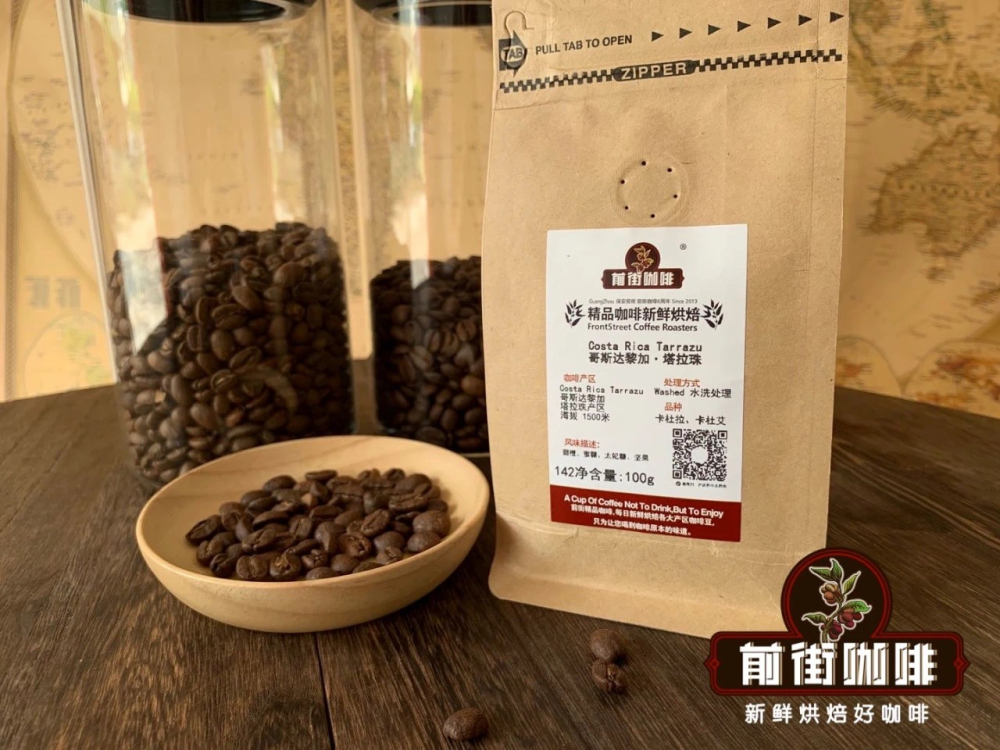
FrontStreet Coffee offers several single-origin Costa Rican coffees, and Costa Rican Tarrazú is one of FrontStreet Coffee's house coffees, expressing the characteristic flavor of Costa Rica's growing regions.

Costa Rican Coffee Growing Environment
Coffee was introduced to Costa Rica from Cuba in 1729. Today its coffee industry is one of the best organized in the world, with yields reaching up to 1,700 kilograms per hectare. With a population of only 3.5 million people, Costa Rica has more than 400 million coffee trees, and coffee exports account for 25% of the country's total export value. Most coffee-growing regions sit above 1,500 meters, because high altitude increases coffee bean acidity, slows tree growth and enhances flavor concentration. As with Panamanian Geisha, the harsher the environment and the higher the altitude, the better the coffee flavor tends to be.
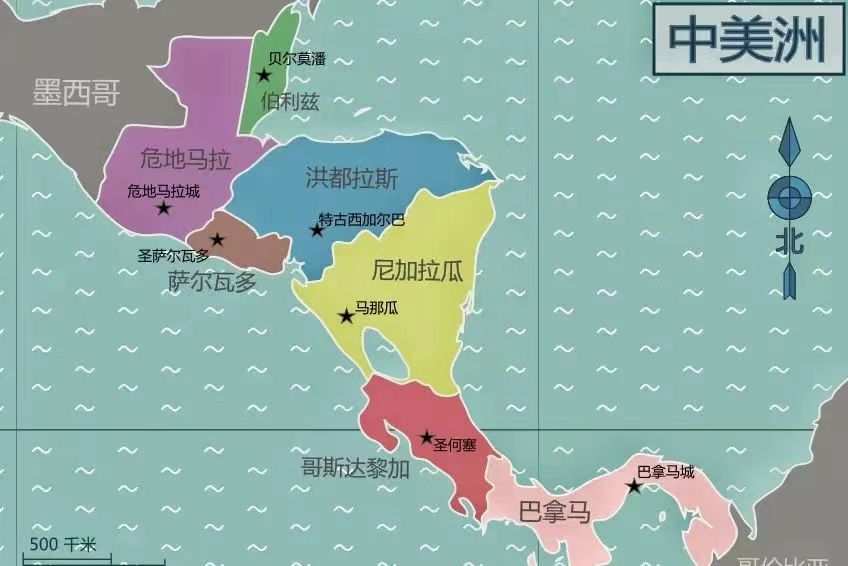
Costa Rican Coffee Growing Regions
Each growing region has different altitude, climate and soil characteristics, resulting in distinct coffee flavors. That is why FrontStreet Coffee sources several single-origin coffees from Costa Rica. Among them, the highest-altitude Tarrazú region is also the most famous, and FrontStreet Coffee's house Costa Rican Tarrazú comes from there.
Costa Rica has eight main coffee-growing regions: Brunca, Turrialba, Tres Ríos, Orosi, Tarrazú, Valle Central (Central Valley), Valle Occidental (Western Valley) and Guanacaste.
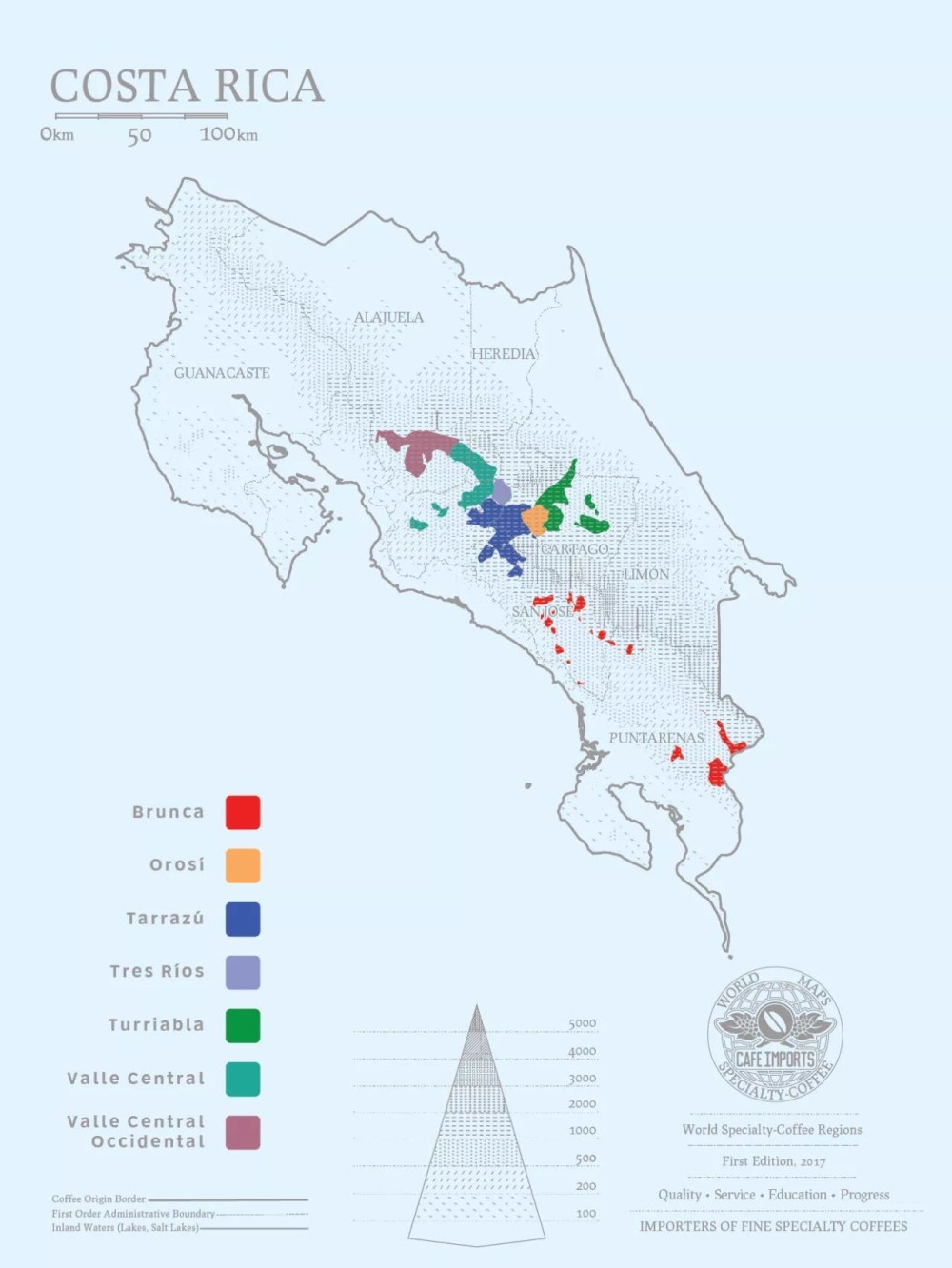
Tarrazú is extremely renowned in the specialty coffee world and is one of the world's major coffee-producing areas. In the 2014 Cup of Excellence competition, 17 out of 23 winning coffees came from the Tarrazú region. Located in the fertile volcanic region of Central America, Tarrazú has a humid climate, fertile volcanic soil, abundant annual rainfall, high altitude and dense natural forest shade, providing ideal growing conditions. No pesticides or artificial fertilizers are used during cultivation. Nearly 95% of the coffee produced in Tarrazú's highlands is classified as Strictly Hard Bean (SHB), typically grown above 1,500 meters.
Costa Rican Coffee Varieties
The exceptional flavor of Costa Rican coffee is closely related to its varieties. Arabica varieties often appear as specialty single-origin coffees and taste better than Robusta. The main coffee varieties in Costa Rica include Bourbon, Caturra, Catuai and Villalobos, among others.
Bourbon
Bourbon is a variety that evolved from early Typica after being introduced to Yemen, with the bean shape changing from slender and pointed to round. It was not until 1715, when the French transported round beans from Yemen's Mocha to Bourbon Island (renamed Réunion Island after the French Revolution), that it took the name Bourbon. The round Bourbon beans then spread to Brazil and Central and South America in 1727, and in 1732 Britain also transported Yemen Mocha to St. Helena Island (later where Napoleon was exiled). Bourbon has also been a consistent champion in American specialty coffee cuppings.

Caturra
Caturra is a natural mutation of the Arabica Bourbon variety, discovered in Brazil in 1937. Its plant is not as tall as Bourbon and is more compact. While inheriting Bourbon's lineage, it has relatively weak disease resistance but higher yields than Bourbon. Although discovered in Brazil, Caturra is not well suited to growing there, so it was not widely cultivated in Brazil. Instead it became popular in Central and South American countries such as Colombia, Costa Rica and Nicaragua.

Catuai
Catuai is a hybrid of Mundo Novo and Caturra, essentially a second-generation hybrid. It inherits Caturra's advantage of short plant height while also addressing Caturra's weakness of fragile fruit that falls off easily. The fruit is firm and does not drop easily in strong winds. The biggest drawback is that its overall flavor is slightly less complex than Caturra. Catuai also comes in red and yellow fruit varieties, with the red fruit generally offering better flavor than the yellow.
Costa Rican Coffee Processing Methods
When it comes to Costa Rican coffee, most people probably first think of honey processing and the sweet fruity flavors it brings. To experience the most original aroma of high-quality Costa Rican coffee, however, FrontStreet Coffee believes there is no better place to start than washed processing.
According to records, Costa Rica first introduced washed processing in 1830, and by 1905 the region already had nearly 200 washing stations. Washed processing makes coffee quality more controllable while also improving it. It removes the cherry's skin and pulp, ferments the mucilage layer in water tanks, and then sun-dries the beans. Natural processing, by contrast, preserves the entire fruit for sun-drying before removing the skin, pulp and mucilage. Compared with natural processing, washed coffee has lower defect rates, which allowed Costa Rican coffee to maintain exceptional standards at the time.

Washed Processing Steps
1. Harvesting. After picking ripe coffee cherries, initial screening removes impurities, defective beans and floaters. This stage is identical to natural processing.
2. Pulping. Fresh cherries go through a pulping machine to remove the skin and pulp. Unripe cherries, whose pulp does not separate easily, are screened out at this stage. After pulping, what remains is the mucilage, parchment and seeds.

3. Fermentation to remove mucilage. The pulped seeds, still covered with mucilage, are transferred to fermentation tanks. Although it is called washed processing, the mucilage is not literally washed away but removed through biological decomposition during fermentation. Fermentation takes about 16-36 hours, during which the beans must be stirred frequently to speed mucilage separation. Washed fermentation produces acidic substances such as citric acid, malic acid and acetic acid. These acids penetrate the green beans, making washed coffee more acidic than natural processing. Once fermentation is complete, the actual washing begins.
4. Drying. After washing, the beans are sun-dried or machine-dried to reduce moisture content to 12%. Since the pulp has been removed, drying does not face the same mold concerns as natural processing. The dried parchment beans are not as hard as natural-processed beans that still contain pulp and skin, so they can be hulled to obtain green beans.

FrontStreet Coffee believes that compared with the clean and subtle character of washed processing, honey-processed coffee offers higher sweetness, greater sugar content and a relatively fuller body.
FrontStreet Coffee Brewing Recommendations
For brewing, FrontStreet Coffee recommends using freshly roasted coffee beans to fully experience the rich flavors of coffee. All coffee beans shipped by FrontStreet Coffee are roasted within 5 days, because FrontStreet Coffee understands that freshness greatly affects flavor. FrontStreet Coffee's roasting philosophy is "Freshly Roasted Quality Coffee," ensuring every customer receives the freshest coffee when an order arrives. The coffee resting period is about 4-7 days, so when customers receive their coffee it is at peak flavor.

Some customers prefer to have FrontStreet Coffee grind the beans for them, which is perfectly fine. FrontStreet Coffee does need to remind you, though: pre-ground coffee does not need a resting period, because during transport the pressure from carbon dioxide buildup in the packaging also helps mellow the flavor, so you can brew a cup immediately upon receiving it. Ground coffee does need to be brewed promptly, as it oxidizes quickly when exposed to air, meaning the flavor dissipates faster and the cup is not as good. FrontStreet Coffee therefore recommends buying whole beans and grinding fresh before brewing.
FrontStreet Coffee's Costa Rican Tarrazú Brewing Parameters:
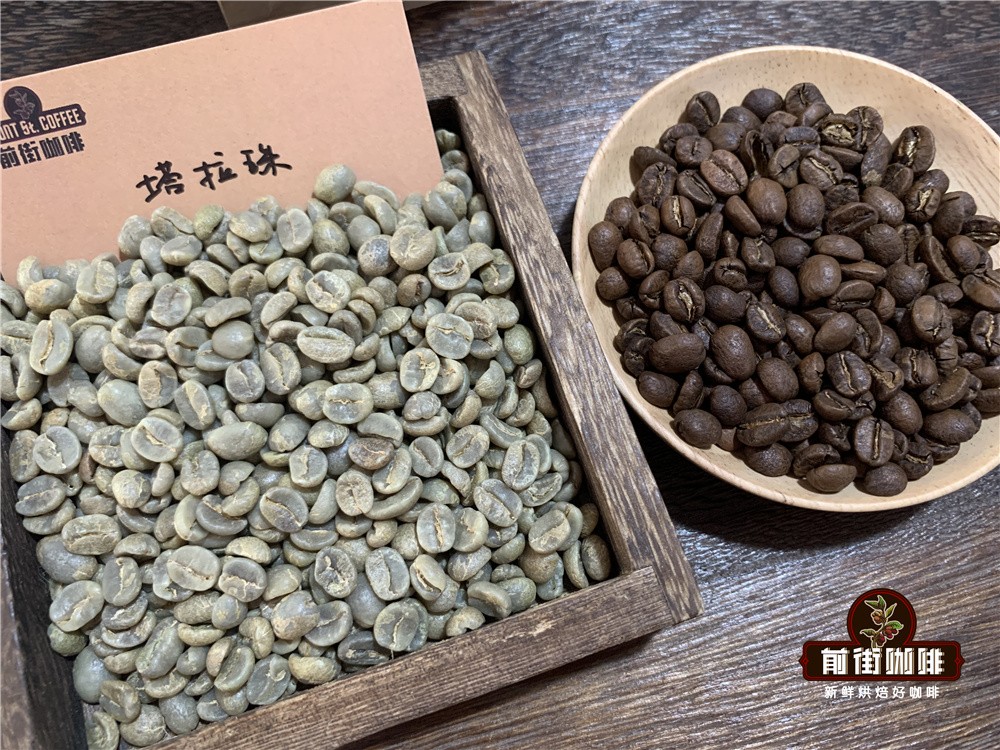
Tarrazú green beans have a blue-green color characteristic of Strictly Hard Bean (SHB). The beans are round but not large, with a fairly uniform size. Using fully washed processing and the Costa Rican Caturra variety, FrontStreet Coffee employs a light-medium roast to highlight its refreshing and clean taste.

Dripper: V60, Water Temperature: 90°C, Dose: 15g, Ratio: 1:15, Grind: Medium-fine (75% pass-through rate on a Chinese standard #20 sieve)
Costa Rican Tarrazú Coffee Flavor: Sweet orange, nuts, toffee
FrontStreet Coffee's Costa Rican Mirasou, Mozart and Bahia Brewing Parameters:
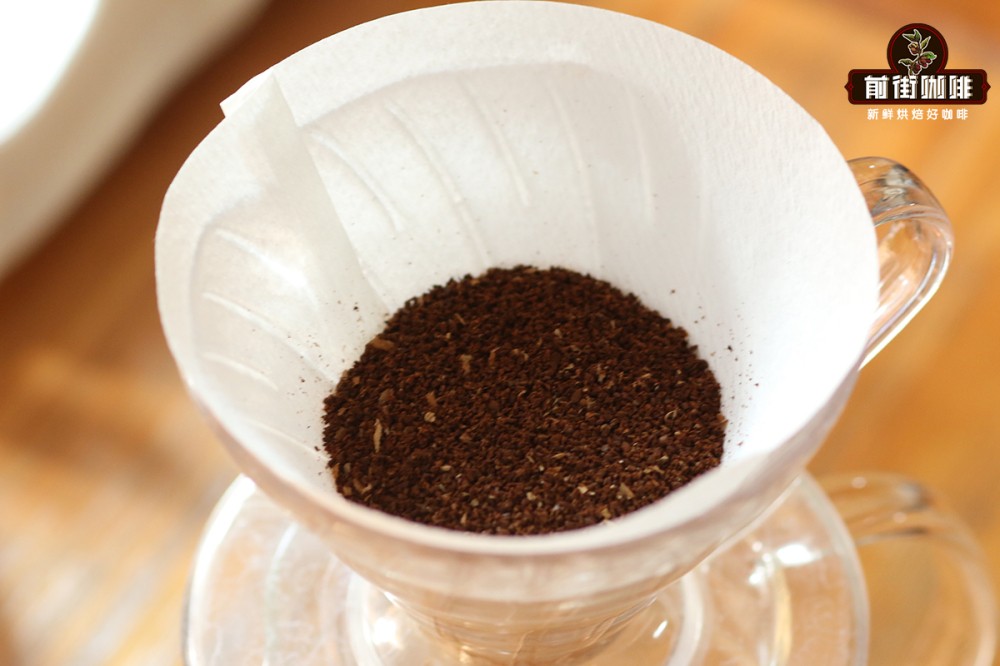
Dripper: Hario V60, Water Temperature: 90°C, Dose: 15g, Ratio: 1:15, Grind: Medium-fine (80% pass-through rate on a Chinese standard #20 sieve)
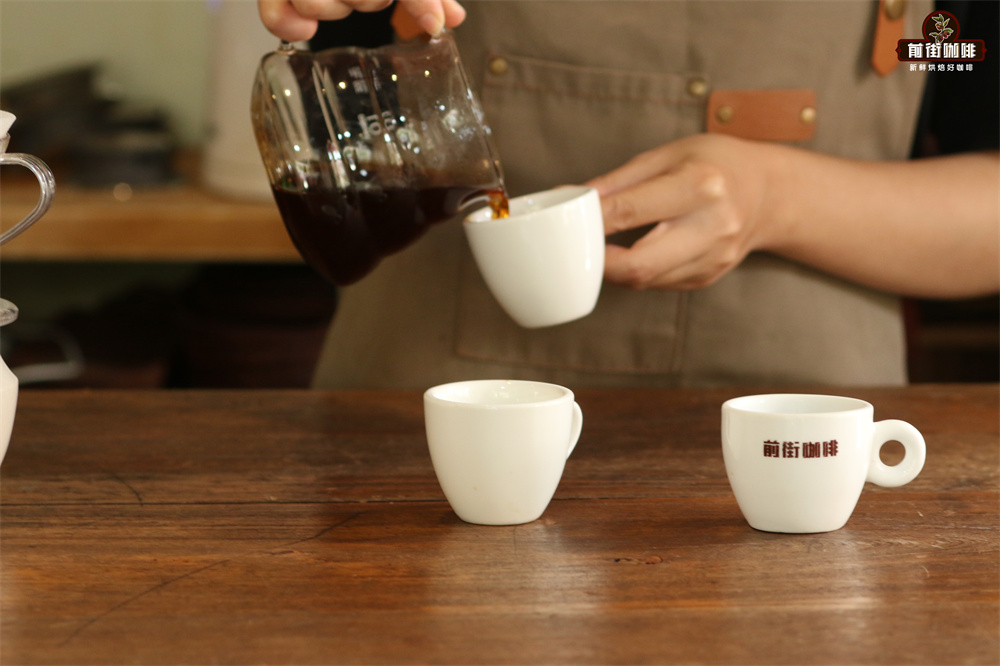
FrontStreet Coffee Mirasou Geisha Coffee Flavor: Strawberry, peach, cinnamon, jasmine
FrontStreet Coffee Bahia Coffee Flavor: Fermented wine notes, berries, fruit tea tones
FrontStreet Coffee Mozart Coffee Flavor: Raisin acidity, berries, floral notes, fermented wine aroma
FrontStreet Coffee Recommendation
Costa Rica's washed coffees are prized for that clean, balanced cup, but the country is just as famous for honey processing, and that is the thread that leads straight into some of FrontStreet Coffee's most interesting blends. The FrontStreet Strawberry Candy is a good example: it pairs a honey-processed Costa Rican coffee with a Panama Geisha, so one part brings delicate rose and orange while the other adds grape, dried blueberry and a strawberry-marshmallow sweetness. The result is layered and sweet, works for pour-over, moka pot and espresso, and cold-brews into something almost fruit-wine-like when left to settle.
If you would rather stay within the Panamanian Geisha family, FrontStreet Coffee's Boquete Geisha is the entry-level choice, showing the orange-blossom honey sweetness and oolong-tea mouthfeel of a classic high-quality Panama Geisha with delicate fruit acidity and clear layers at an accessible price. Above it, the Hacienda La Esmeralda Red Label "Esmeralda Special" comes from single plots grown at 1,600-1,800 meters and cups above 90 points, while the Green Label "Private Collection" blends several plots into a more affordable expression of the same high-altitude character.
Whichever you choose, an even extraction flatters these balanced coffees. FrontStreet Coffee suggests 15g of coffee at a 1:15 ratio with 90-91°C water and a medium-fine grind of about 80% pass-through on a #20 sieve. Bloom with 30g of water for 30 seconds, pour gently in circles to 125g, then finish at 225g, and let the bed drain fully for a clean, sweet cup.
Important Notice :
FrontStreet Coffee is a long-established specialty coffee roaster in Guangzhou China, selling freshly roasted beans from its own farm in Yunnan as well as dozens of carefully selected single-origin beans from around the world for both pour-over and espresso. The products deliver consistently excellent quality and great value, with shipping within 24 hours. Guangzhou's FrontStreet Coffee shop is recommended by many coffee lovers, and the beans are now available online at the Tmall 。
FrontStreet Coffee has moved to a new address:
FrontStreet Coffee Address: 315,Donghua East Road,GuangZhou
Tel:020 38364473
 Scan and follow the En Gafei WeChat official account. Please indicate that the reprint comes from "En Gafei".