Sun-Dried Yirgacheffe Coffee Bean Flavor Profile and Taste Characteristics - Yirgacheffe Coffee Varieties, Origin, and Grade Introduction
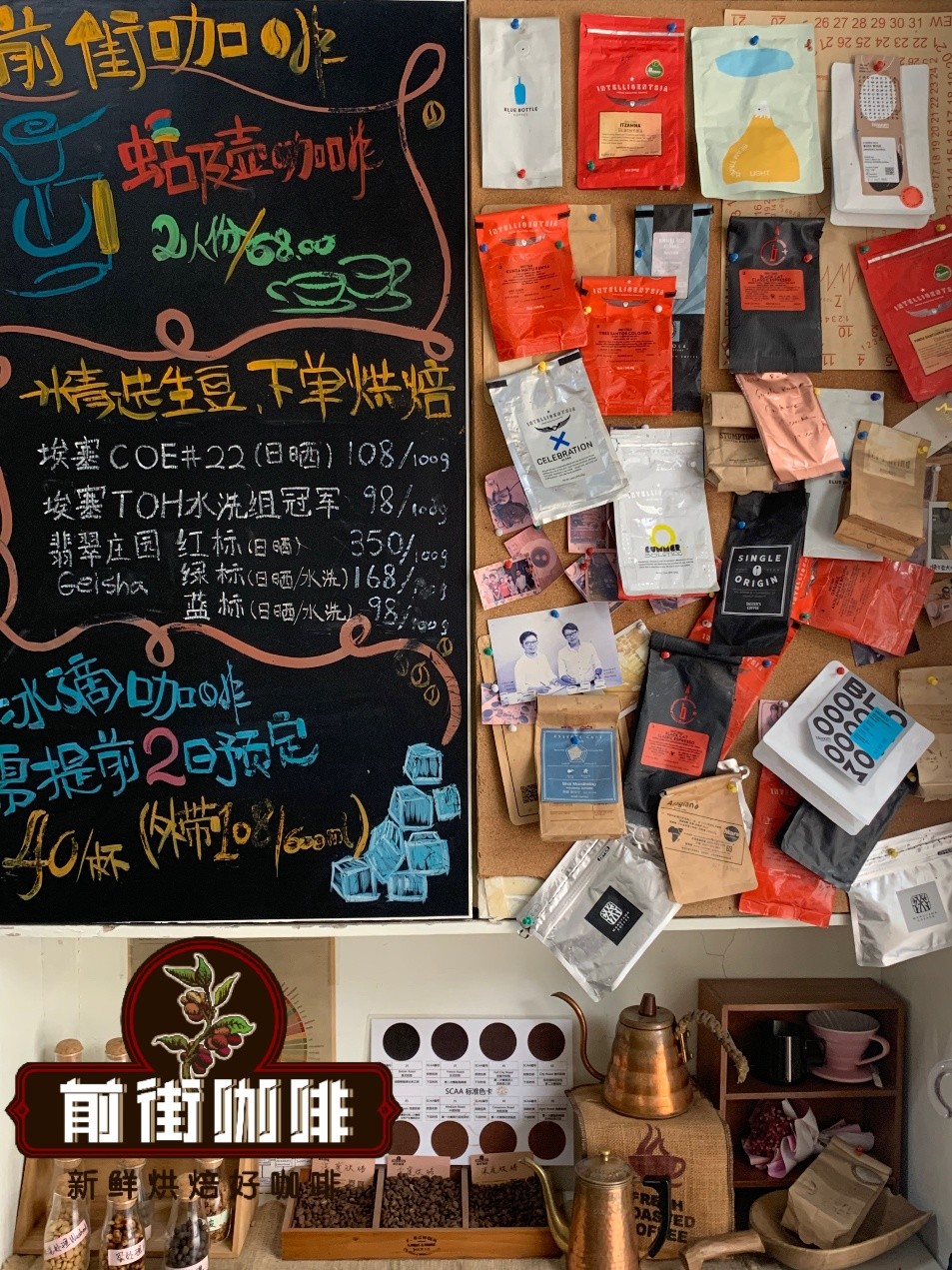
On FrontStreet Coffee's bean menu, Ethiopian coffees always take up the most space.
1. There is the Gedeb cooperative, which split from the Woka cooperative on the strength of its delicate flavor profile;
2. There are Ethiopia's rare estate-grown coffees — FrontStreet Coffee's Gold Label, Red Label, and Chaka Geisha lots from Gesha Village Estate;
3. And there is FrontStreet Coffee's Sidamo Natural Guji, with its classic berry-driven profile.

FrontStreet Coffee tracks every producing region — and every difference within a region, between varieties from the same zone, or between processing methods applied to the same lot. Natural and washed coffees from the same trees taste worlds apart, and neighboring micro-regions diverge just as sharply. We log all of it, one database entry at a time, so that coffee lovers can get detailed, reliable information about the world in their cup.
Yirgacheffe Coffee Region
Yirgacheffe sits in Ethiopia and was originally a sub-region of Sidamo. Its coffee is so bright and delicate, so instantly recognizable within the Sidamo profile, that farmers began treating "Yirgacheffe flavor" as a badge of honor — and the region earned its independence from Sidamo to become the famous name it is today.
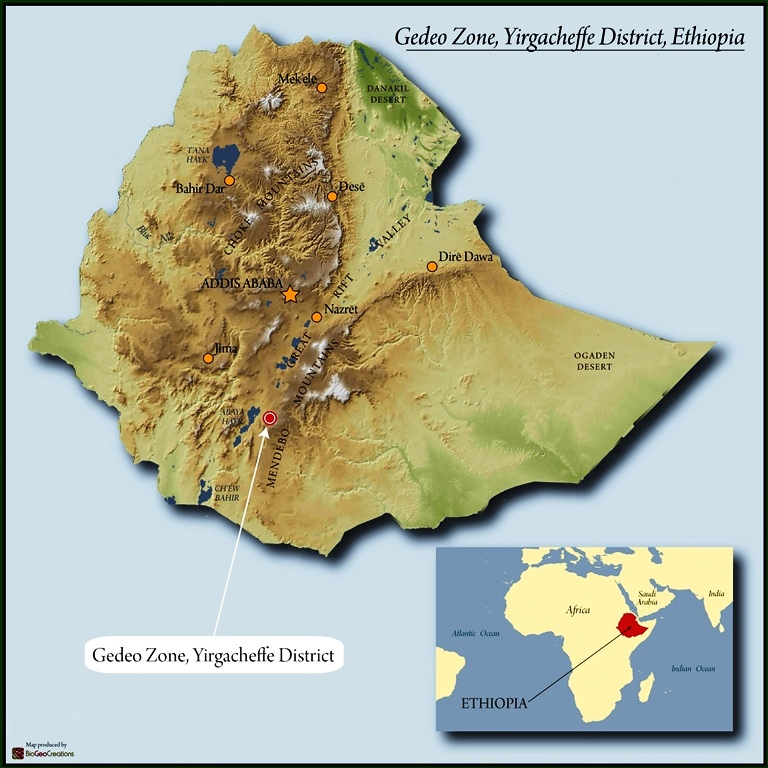
In the beginning Yirgacheffe processed everything the traditional way, sun-dried natural. Later, after the Ethiopian government imported washed processing from Central and South America, quality jumped almost overnight: the region's uplifting acidity and white-floral aroma won a devoted following fast. Yirgacheffe is genuine high-altitude country — around 2,000 meters — and the region counts more than 40 cooperatives, mostly family-run. Within it lie celebrated micro-regions such as Kochere, Fog Valley (Wolka), and Gedeb, each home to excellent cooperatives whose Yirgacheffe lots carry their own signature profiles.
Banko Gotiti Cooperative
Banko Gotiti Cooperative sits in the Woka zone at the southeastern edge of Yirgacheffe, once part of the Woka cooperative under the Yirgacheffe Union (YCFCU). As demand for traceable green coffee grew, "single origin" micro-regions like this one were hunted down one by one by coffee buyers worldwide.
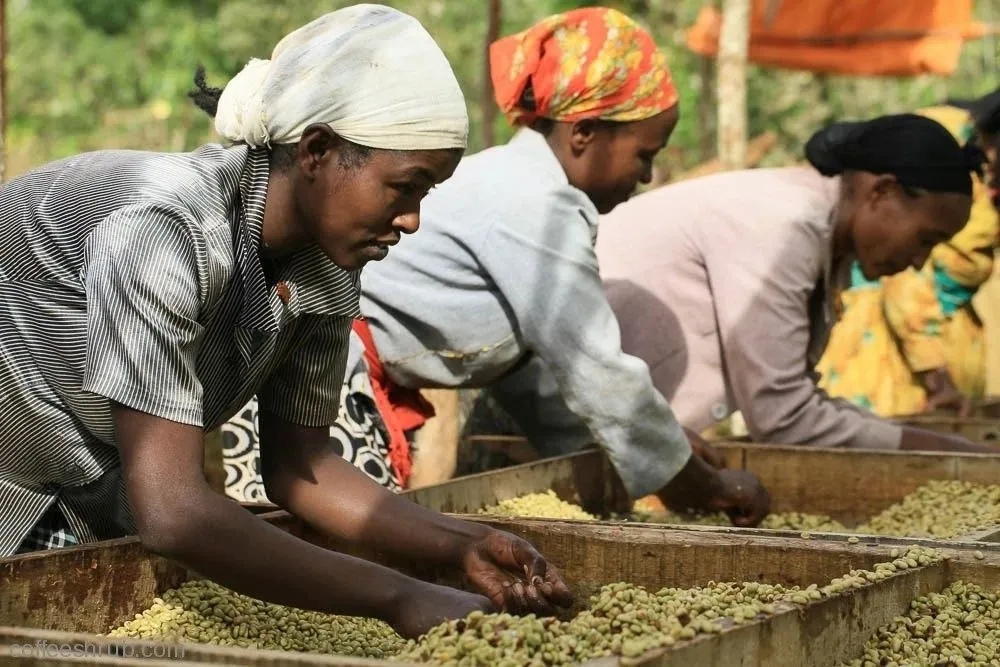
In 2012, with roughly 300 member farmers, the village formally established the Banko Gotiti Cooperative — one of the earliest villages to go independent. Many of its smallholders had been Woka members, so their craft was never in question. Banko Gotiti is often called the last unspoiled corner of Yirgacheffe, and true to that reputation it still processes coffee the traditional way, both washed and sun-dried natural.
Coffee Bean Processing Method
FrontStreet Coffee's Banko Gotiti lot is washed. Cherries are run through a pulper to strip skin and pulp, then fermented in tanks for 18-36 hours — depending on local temperature and humidity — until the mucilage breaks down. The parchment beans are then scrubbed through washing channels for 30-60 minutes.

The channel design, combined with flowing water, flushes out low-density, defective beans. The clean parchment then dries on African raised beds for about 14 days. Once dry, it rests in the processing station's warehouse; before export it travels to a dry mill for hulling and a long screening gauntlet — foreign-matter removal, silver-skin polishing, gravity sorting, color sorting — before finally being bagged for shipment.
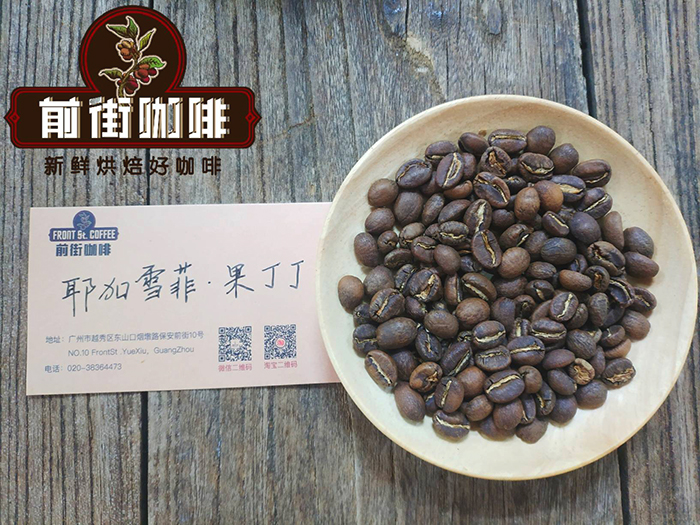
FrontStreet Coffee · Ethiopia Yirgacheffe Washed Banko Gotiti Coffee Beans
Region: Yirgacheffe, Gedeo Zone
Altitude: 1,900-2,300m
Variety: Heirloom
Processing: Washed
Grade: G1
Flavor: Berries, cream, honey, citrus, juicy mouthfeel
Anyone who knows Ethiopian coffee knows the Red Cherry Project — and FrontStreet Coffee is happy to explain what it actually is.
About the Red Cherry Project
At its core, the Red Cherry Project requires that coffee be processed only from fully red cherries, to lift quality. Today that sounds obvious — of course you pick ripe fruit. But in 2007 it was a landmark idea.

In 2007, Trabocca — the Netherlands' largest green-coffee importer — launched Operation Cherry Red to raise the quality of Ethiopian smallholder coffee. Before the project, local stations and traders habitually squeezed cherry purchase prices down to protect margins, and since farmers were paid by quantity, they had no reason to care about ripeness. Trader squeeze plus volume-first farming locked Ethiopian quality into a vicious cycle. Trabocca saw the deadlock and built a win-win way out of it.
The rules: harvesting must be entirely by hand, and only fully red cherries count — the bare minimum. The deeper purpose is incentive. Trabocca invites Ethiopian farms to produce small lots of roughly 1,500-3,000 kg (25-50 bags) before the harvest season, picked exclusively by women who select 100% ripe red cherries. That one discipline transforms the brewed cup, which is why Ethiopia's careful, sharp-eyed pickers are the quiet engine of the whole project.
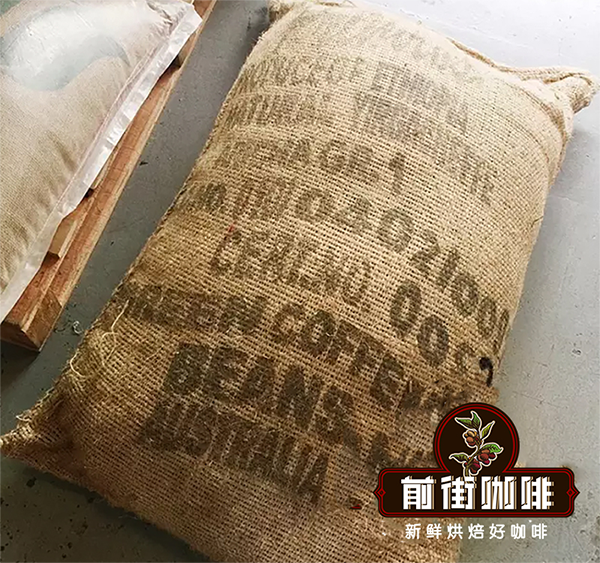
The project also pushes farms to take bean selection seriously, and the coffees earn correspondingly higher prices. Operation Cherry Red spans washed, natural, semi-washed, semi-natural, and experimental coffees from Yirgacheffe, Sidamo, Bench Maji, Lekempti, Kembata, Illubabor, Harar, and Limu — plus Golocha, near Harar, added in 2011. Each region expresses its own side of Ethiopian coffee.
First, the cupping bar. In labs in Addis Ababa and Amsterdam, Trabocca re-cups every delivery in two rounds — once in Ethiopia, once in the Netherlands — before accepting it. Coffees that pass are auctioned to buyers worldwide, and lots sold through this platform routinely fetch more than 4 times the international spot price for commodity coffee, occasionally up to 20 times.
Second, small-lot discipline. To keep enough attention on these top Ethiopian lots, Trabocca caps participation at batches of 1,500-3,000 kg.
Finally, Trabocca invests heavily in the project itself. It has donated drying beds, shade netting, and generators on the ground, extends loans, supplies new equipment, and shares processing knowledge to raise production standards. Real-time monitoring and secure transport ensure the "Red Cherry" beans get proper care at every stage.
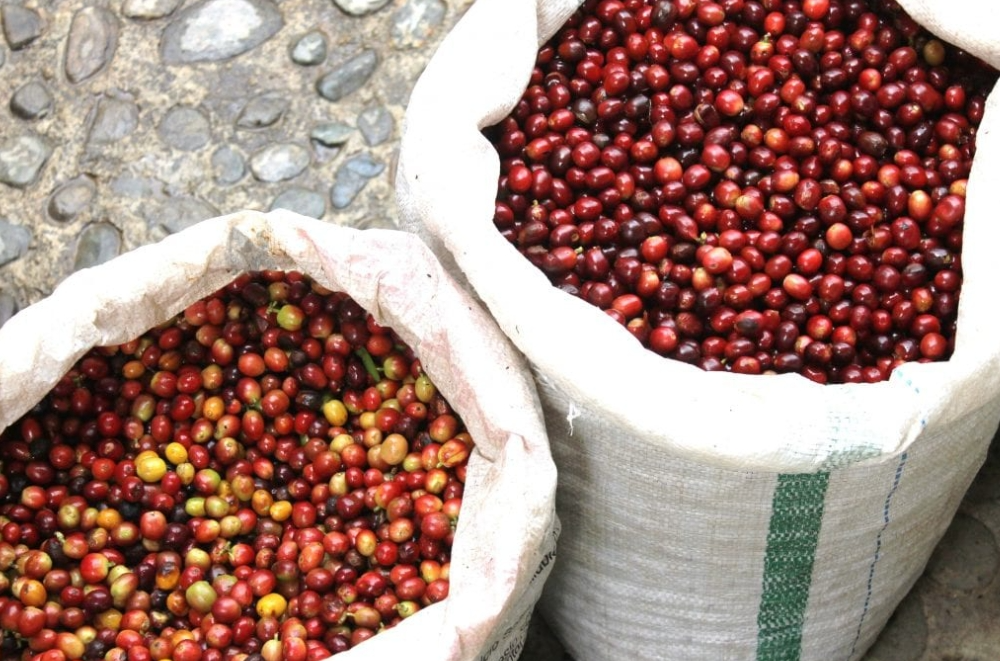
The mechanism, in short: pay more for better-picked, better-processed coffee, so farmers earn more for doing every step carefully — and the market rewards the resulting quality, funding the premium. Red Cherry's advantages may look less dramatic today, but the project's contribution to coffee's professionalization is hard to overstate.
How does Yirgacheffe Red Cherry coffee bean flavor perform?
FrontStreet Coffee's Yirgacheffe Red Cherry lot is natural-processed from fully red cherries grown around the Ardentran farm, where each smallholder tends about 0.6 hectares on average across hundreds of families. Cultivation sits near 2,000 meters, with wide day-night temperature swings and fertile soil — an excellent growing environment. Hand-picking only fully ripe cherries raises the quality floor as high as it can go.

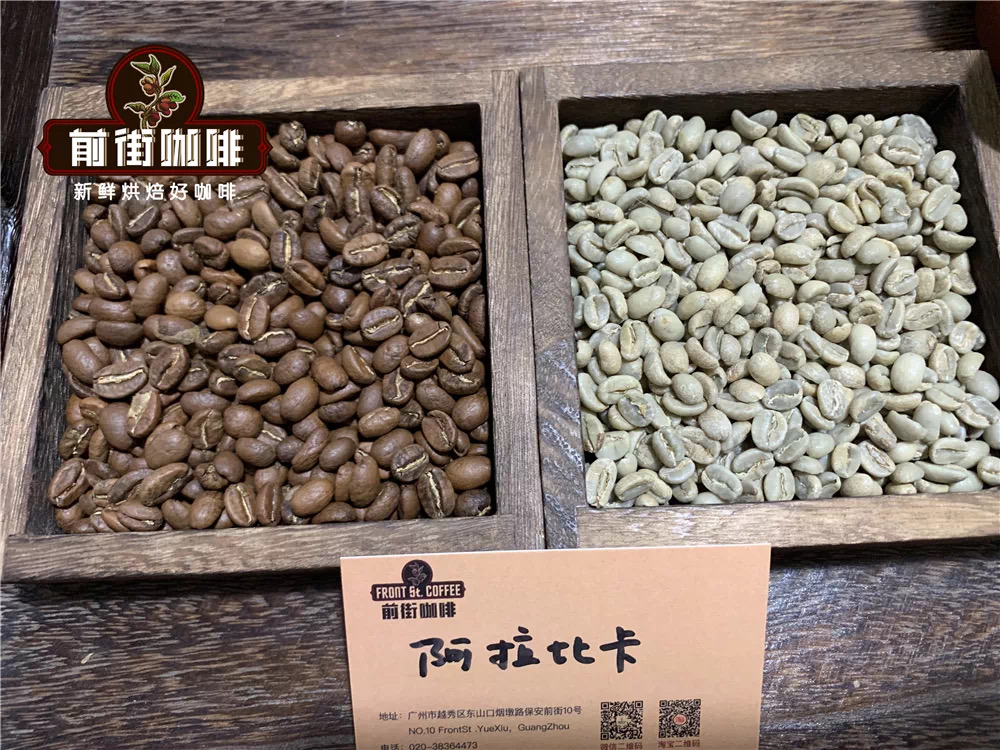
The green beans are pale yellow, dense, uniform, and low in defects — G1 grade. Brewed as a single-origin pour-over, FrontStreet Coffee roasts Red Cherry medium-light; after roasting the beans are even in color with a pronounced berry aroma. Below, two lots from our menu — the Yirgacheffe Red Cherry Project and the Yirgacheffe Konga — both naturals from different stations in the same Yirgacheffe region, side by side.
FrontStreet Coffee Yirgacheffe Red Cherry vs. Yirgacheffe Konga Brewing Parameters
Dripper: V60#01
Water Temperature: 90-91°C
Dose: 15g
Ratio: 1:15
Grind Size: Medium-fine (80% pass-through on a #20 standard sieve)
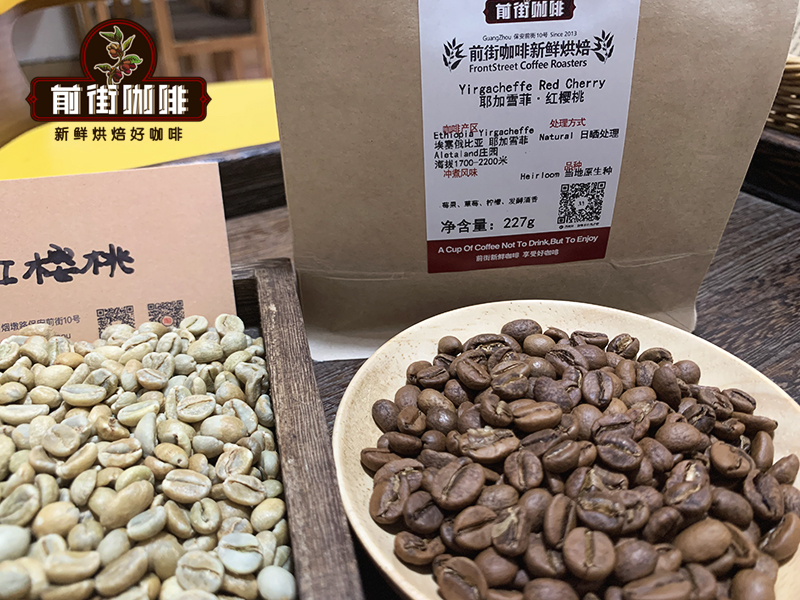
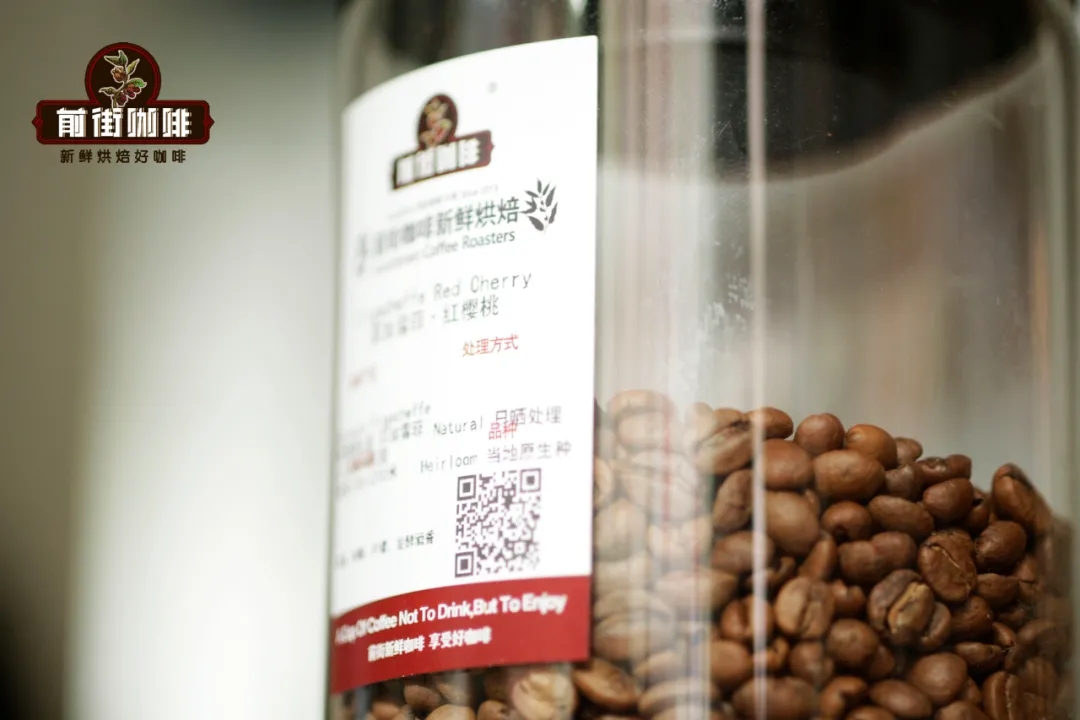
FrontStreet Coffee · Ethiopia Yirgacheffe Red Cherry Coffee Beans
Country: Ethiopia
Region: Yirgacheffe
Processing Station: Ardentran
Altitude: 2,300m
Variety: Local Heirloom
Processing: Natural
Grade: G1
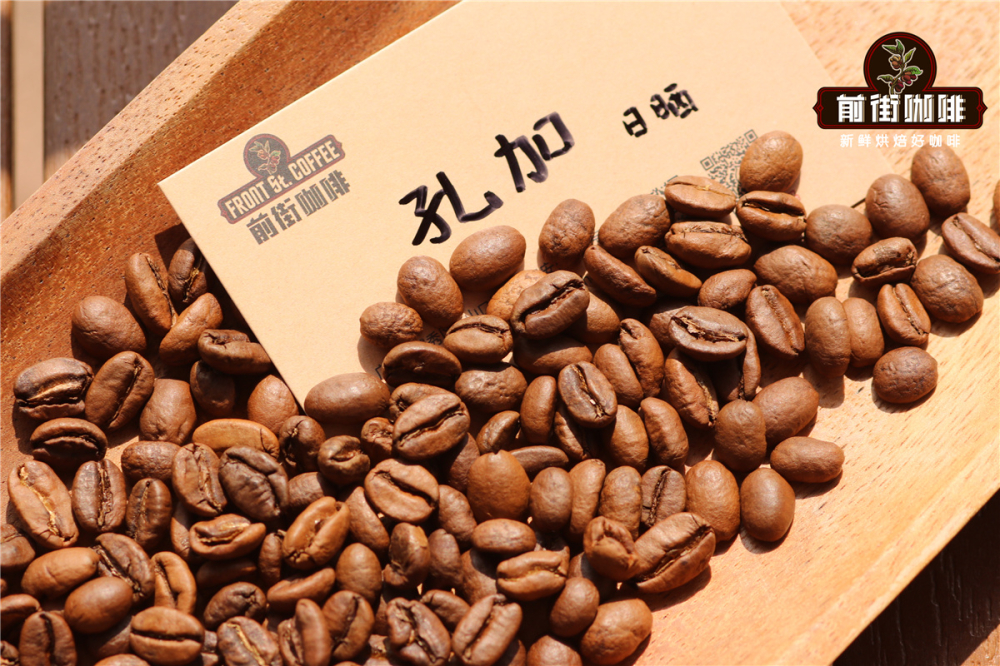
FrontStreet Coffee · Ethiopia Yirgacheffe Konga Coffee Beans
Region: Yirgacheffe
Washing Station: Wet Konga Processing Station
Altitude: 1,850-2,050 meters
Soil: Vertisol
Variety: Heirloom
Processing: Natural
Harvest Year: 2020
Grade: G1
FrontStreet Coffee Brewing Method Sharing
Three-stage extraction: pour 30g of water to bloom for 30 seconds, then continue in small circles to 125g. Once the water level drops and the bed is nearly exposed, pour up to 225g and stop. When the bed is nearly exposed again, lift off the dripper (timing from the bloom). Total extraction time: 2'00".
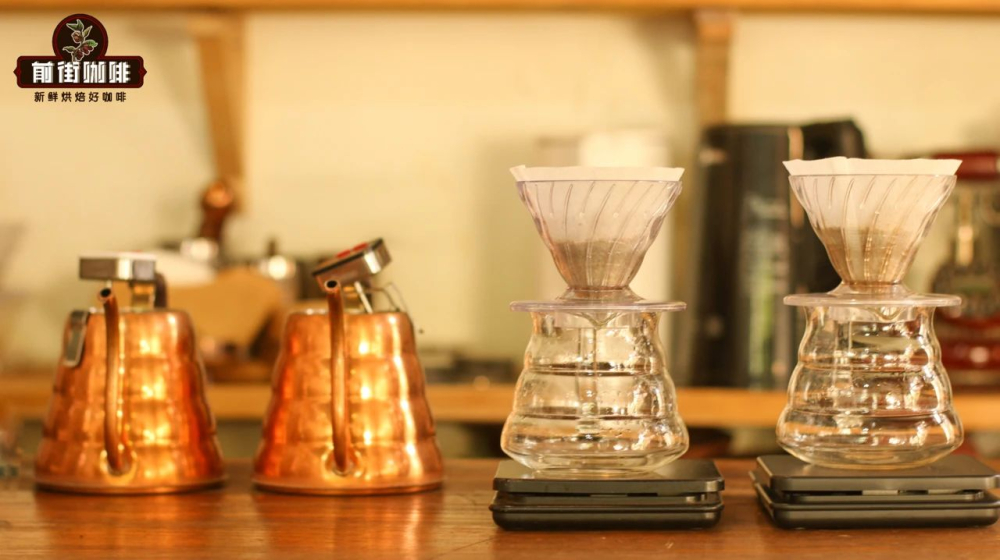
FrontStreet Coffee Yirgacheffe Red Cherry: lemon, citrus, berries, sweet orange, high overall sweetness, caramel and cream in the finish, and a black-tea tail.
FrontStreet Coffee Yirgacheffe Konga: hot — berries, cream, honey, citrus, juice-like mouthfeel, bright acidity; as it cools — berries, cream, smooth texture, citrus.
FrontStreet Coffee Yirgacheffe Red Cherry Roasting Record
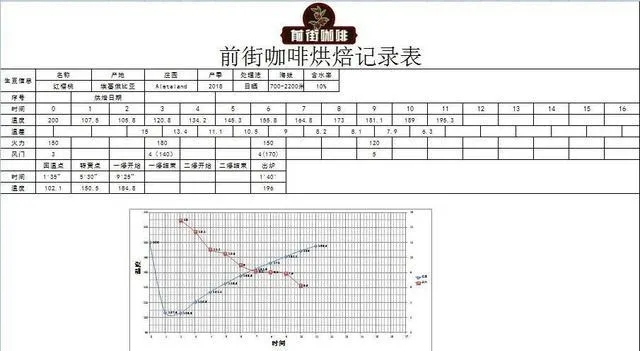
FrontStreet Coffee Yirgacheffe Red Cherry Coffee Beans Roasting Record
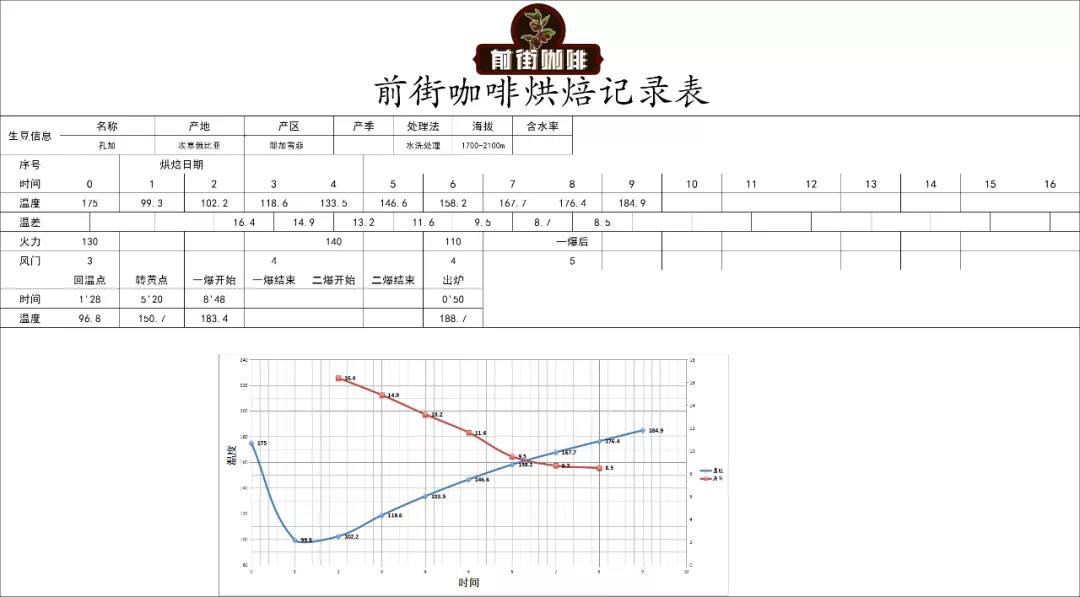
FrontStreet Coffee Recommendation
Want to get to know Ethiopia without spending much? Start with FrontStreet Coffee's washed Yirgacheffe daily bean — jasmine blossom, bright citrus and lemon acidity, and a clean tea-like finish, at a price that has made it many people's very first specialty coffee. For a step up in character, FrontStreet Coffee's washed Worka (Guodingding) Cooperative lot comes from the southeastern corner of Yirgacheffe: a former member of the Woka cooperative under the Yirgacheffe Union, it was "rediscovered" by coffee hunters as single origins came into fashion, and it trades traditional bitterness for fresh, luminous citrus-lemon acidity wrapped in jasmine fragrance.
For brewing any of these washed Yirgacheffes, FrontStreet Coffee suggests a V60 with 15g of coffee at a 1:15 ratio, water at 90-91°C, and a fine-sugar grind (80% pass-through on a #20 sieve). Bloom with 30g of water for 30 seconds, pour to about 125g within the first minute, then finish with 100g more (to roughly 225g on the scale) by about 1'35" — drawdown completes around 2'00" to 2'10".
Important Notice :
FrontStreet Coffee is a long-established specialty coffee roaster in Guangzhou China, selling freshly roasted beans from its own farm in Yunnan as well as dozens of carefully selected single-origin beans from around the world for both pour-over and espresso. The products deliver consistently excellent quality and great value, with shipping within 24 hours. Guangzhou's FrontStreet Coffee shop is recommended by many coffee lovers, and the beans are now available online at the Tmall 。
FrontStreet Coffee has moved to a new address:
FrontStreet Coffee Address: 315,Donghua East Road,GuangZhou
Tel:020 38364473
 Scan and follow the En Gafei WeChat official account. Please indicate that the reprint comes from "En Gafei".