Characteristics, Flavor Description, Processing Methods, Variety, and Taste Profile of El Salvador Pacamara Coffee Beans
Professional Coffee Knowledge Exchange
El Salvador: The Land of Volcanoes
El Salvador, known as the "Land of Volcanoes," is the smallest country in Central America. Its reputation in specialty coffee growing has outlasted its own lifetime, so to speak. As you might imagine, the quality of the beans grown here is naturally no slouch!
El Salvador Coffee Quality and Classification
El Salvador coffee, alongside Mexico and Guatemala, ranks among the Arabica-producing countries and competes for the top one or two positions in Central America. Coffee from the highland areas consists of uniformly large, medium-sized beans with a rich, mild flavor.
Like Guatemala and Costa Rica, El Salvador grades its coffee by altitude - the higher the altitude, the better the coffee. It is divided into three grades by elevation: SHB (Strictly High Grown) = highland, HEC (High Grown Central) = mid-highland, and CS (Central Standard) = lowland. The best brand is Pipil, which is what the Aztec-Mayan people called coffee. It has been recognized by the Organic Certified Institute of America. El Salvador's coffee is a Central American specialty, characterized by a light body, aroma, purity, and slight acidity.
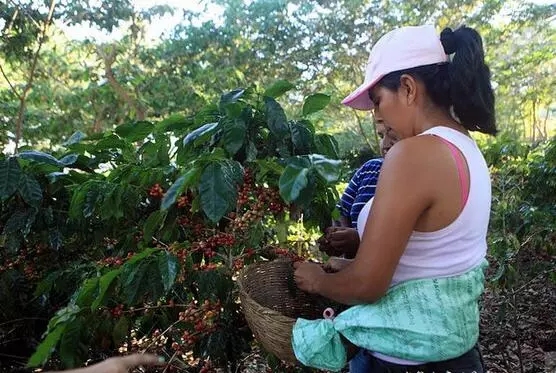
Premium Coffee Varieties
Like Guatemala and Costa Rica, El Salvador grades its coffee by altitude - the higher the altitude, the better the coffee. The best brand is Pipil, which is what the Aztec-Mayan people called coffee. It has been recognized by the Organic Certified Institute of America.
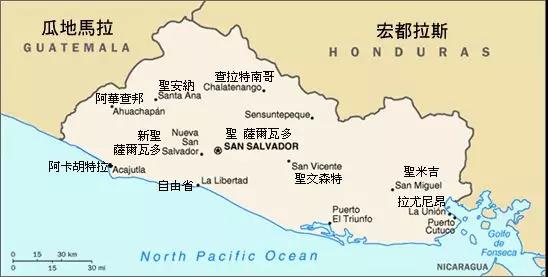
Another rare coffee is Pacamara, a hybrid of Pacas coffee and Maragogype coffee. The best production area for this coffee lies in western El Salvador, adjacent to Santa Ana, near the border with Guatemala.
The Pacamara variety is an artificially bred cross of Pacas and Maragogipe. It was first cultivated by Salvadoran researchers in 1958. Pacamara is an excellent variety rarely achieved through artificial selection, surpassing its parent plants. It perfectly inherits the advantages of both - the excellent flavor of Pacas and the large bean size of Maragogype. The beans are at least 70-80% the size of elephant beans, with 100% reaching 17 screen and 90% reaching 18 screen. The average bean length is 1.03 cm (normal beans are about 0.8-0.85 cm), the average width is 0.71 cm (normal beans are about 0.6-0.65 cm), and the thickness reaches 0.37 cm, with a full, round shape.
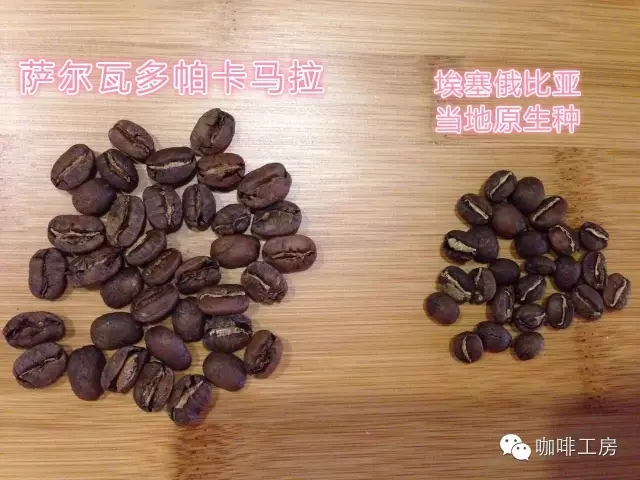
The most distinctive feature of this variety is its lively, sophisticated acidity, sometimes with biscuit aroma, sometimes with fruit flavors, and an excellent body and mouthfeel. The best quality comes from El Salvador and Guatemala. Do not underestimate El Salvador's coffee production: at its peak it was once the world's fourth-largest coffee-producing country, but decades of civil war nearly crippled the industry. Fortunately, the war has stopped in recent years, and the coffee industry has regained its vitality.
The only benefit the civil war brought to El Salvador was that farmers let their fields lie fallow, failing to catch the Catimor sun-cultivation bandwagon of the past two decades. As a result, ancient Bourbon and Typica varieties were preserved. In other words, El Salvador still uses the most traditional shade-grown cultivation methods, which has a positive effect on coffee flavor.
In 2005, El Salvador's Pacamara hybrid made a splash at the Cup of Excellence, confusing many international cuppers who did not know how to score it. Unexpectedly, this hybrid variety not only broke the existing boundaries of coffee richness but also expanded the visibility of El Salvador coffee.
Brewing Recommendations
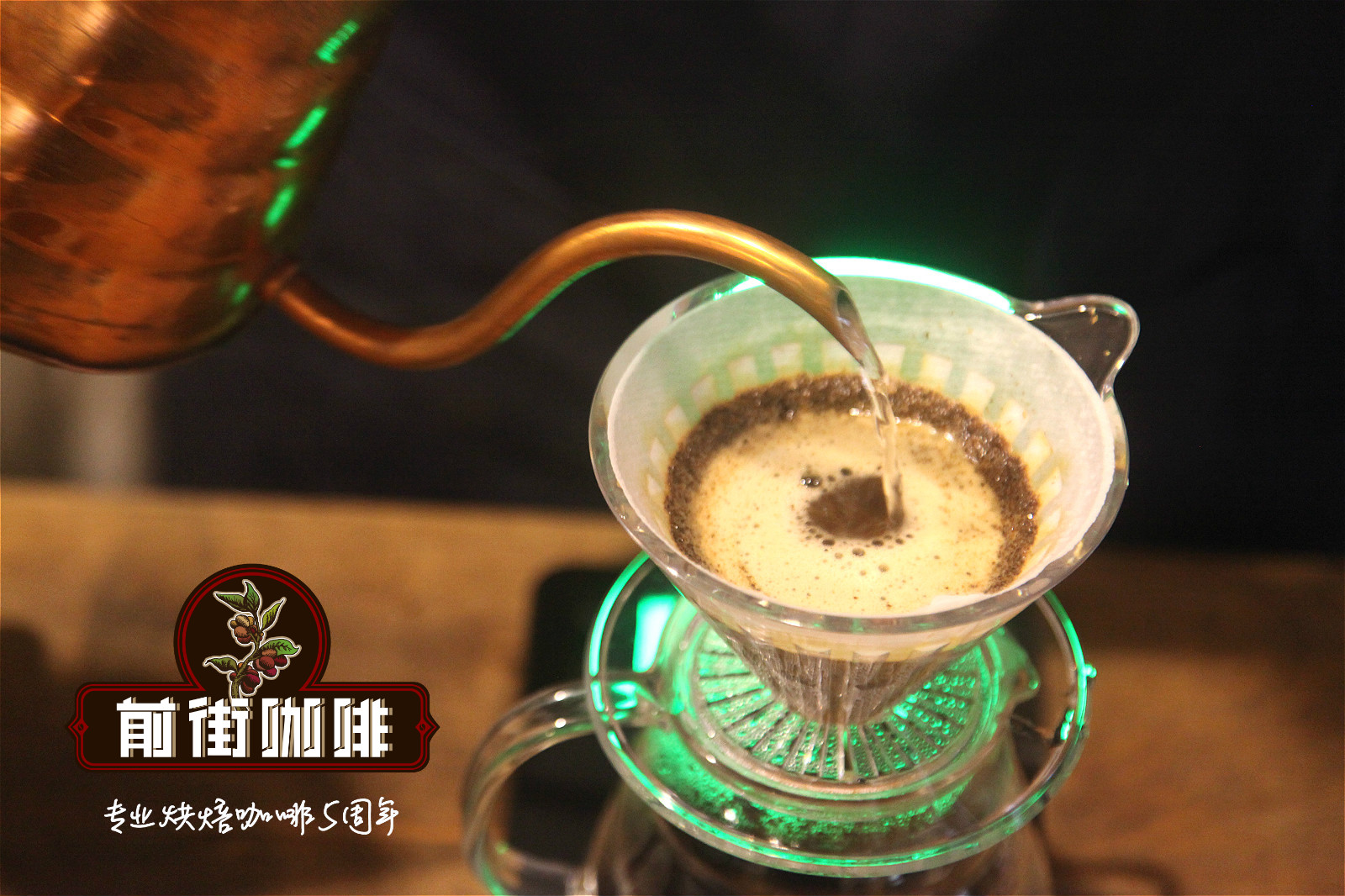
FrontStreet Coffee suggests brewing El Salvador coffee, using El Salvador Urasan Estate as an example.
Parameters: V60/1:15/90℃/Grind size BG 5R/Brewing time 1'47"
Method: 26g of water for the bloom, 30 seconds. Slowly pour water from the center to 124g in stages. When the water level drops and is about to expose the coffee bed, use a slightly larger flow to pour until reaching 230g to complete the brew.
Flavor: An entry of plum, grapefruit, and citrus acidity, with a nutty, chocolate, and genmai-tea aftertaste, sugarcane sweetness, and a noticeable juice-like body.
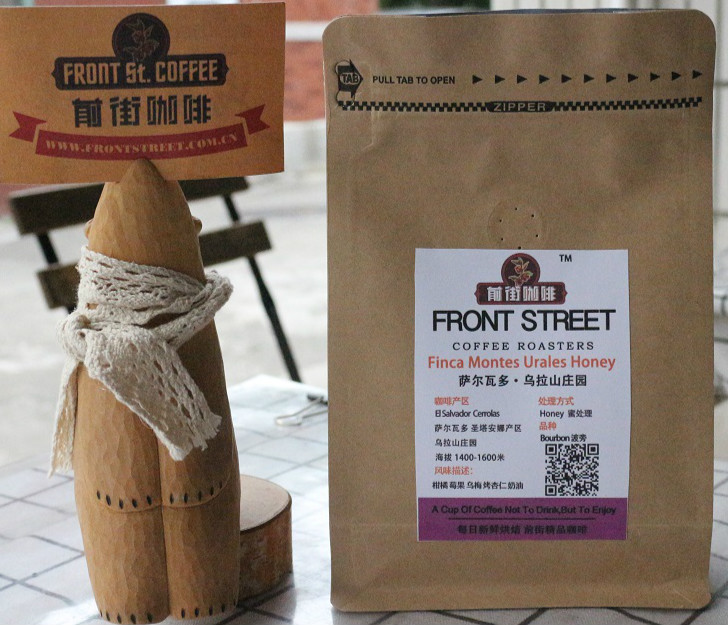
FrontStreet Coffee 2018 El Salvador Santa Ana Urasan Estate Honey Process Bourbon
Fresh roasted single-origin beans
END
FrontStreet Coffee Recommendation
If the large, lively Pacamara of El Salvador appeals to you, FrontStreet Coffee's standout Arabica single origins are well worth exploring. FrontStreet Natural Huakui is an Ethiopian Sidamo coffee whose classic natural processing brings out cream-strawberry, mango, jackfruit, citrus, and blueberry notes, with the ripe tropical-fruit character typical of a FrontStreet Sidamo natural - it is both delicious and fairly priced. FrontStreet Washed Gedeb Cooperative, a washed Ethiopian Yirgacheffe graded G1, shows elegant white florals, citrus, orange, and green tea. FrontStreet Jamaica Blue Mountain No.1, a Typica variety grown in Jamaica's famous Blue Mountains, is remarkably balanced and gentle, and FrontStreet's cupping finds its harmony hard for any single region to match. If you prefer a floral, aromatic cup, FrontStreet Panama Emerald Estate Red Label Geisha, from the well-known estate in Boquete, Chiriquí province, blooms with jasmine, citrus, peach, and layered fruit acidity, a creamy body, and a sweet oolong-tea finish. For a sweet, creamy everyday single origin, FrontStreet Brazil Queen Estate is one of the earliest-discovered Yellow Bourbons, with cream, peanut, toasted-bread, and sugarcane aromas that suit pour-over, moka pot, and espresso machine alike. Finally, FrontStreet Colombia Sidra, medium-light roasted, shows florals, tropical fruit, grape, dried fruit, and passion fruit with a juicy body that many drinkers love.
Important Notice :
FrontStreet Coffee is a long-established specialty coffee roaster in Guangzhou China, selling freshly roasted beans from its own farm in Yunnan as well as dozens of carefully selected single-origin beans from around the world for both pour-over and espresso. The products deliver consistently excellent quality and great value, with shipping within 24 hours. Guangzhou's FrontStreet Coffee shop is recommended by many coffee lovers, and the beans are now available online at the Tmall 。
FrontStreet Coffee has moved to a new address:
FrontStreet Coffee Address: 315,Donghua East Road,GuangZhou
Tel:020 38364473
 Scan and follow the En Gafei WeChat official account. Please indicate that the reprint comes from "En Gafei".