Characteristics and Story of Starbucks Sumatra Coffee Beans - Flavor Differences Among Starbucks Single-Origin Coffee Varieties
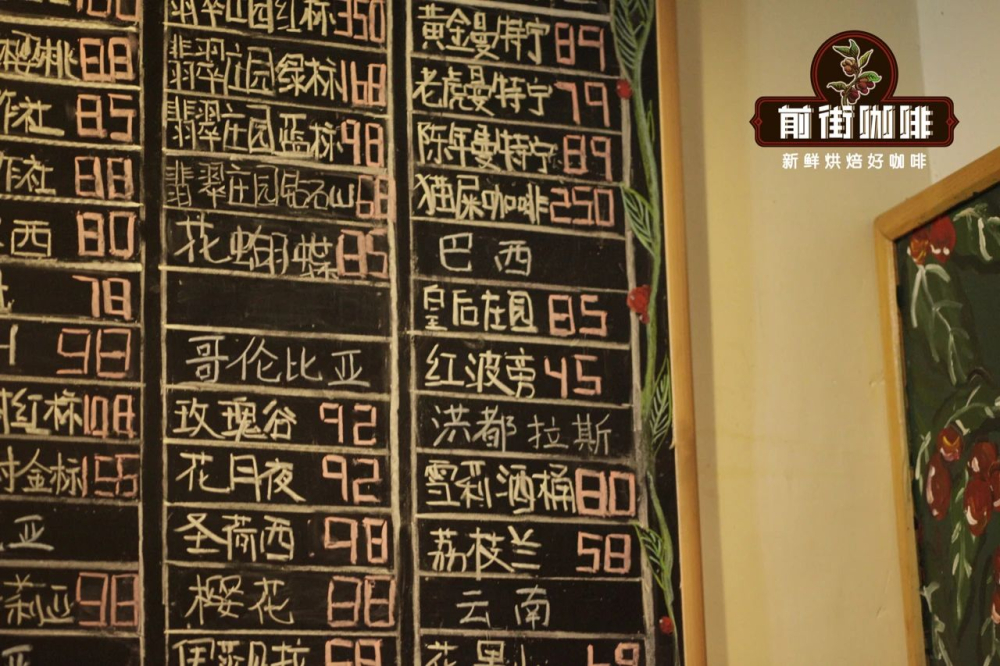
FrontStreet Coffee's daily bean list features dozens of coffees, yet a careful look shows that each producing region has a distinct flavor profile, and each bean presents unique aromas shaped by its processing method and production steps. The PWN Golden Mandheling on the list, for example, carries the characteristic herbal, rich aroma of Mandheling while also delivering clear, clean flavors and mouthfeel.
Characteristics of Mandheling Coffee Beans
Mandheling coffee originates from Sumatra, Indonesia's most famous producing region, and is also known as "Sumatran coffee." High-quality coffee is mainly found across the northern part of the island, centred on two volcanic lakes: Lake Tawar in the Aceh region and Lake Toba in the Lintong region. Both lakes have fertile volcanic ash soil, and combined with the overcast, rainy seasons of the local tropical rainforest climate, the result is beans rich in herbal plant aromas.

The year-round heat and humidity, together with the local scarcity of freshwater, keep producers from using the washed processing common in Central and South America. The African-style sun drying that can last up to 20 days would be even harder in a tropical rainforest. So locals developed a unique "semi-washed" method adapted to their conditions — wet hulling.
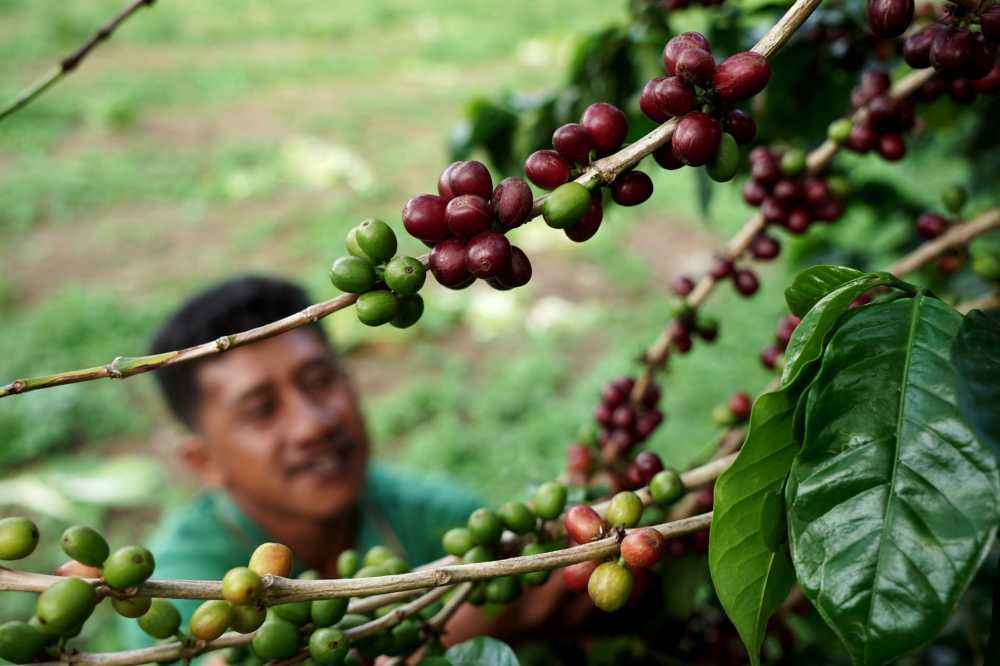
Cherries with skin and pulp removed are poured straight into pools for a brief fermentation of several hours. At this point a small amount of mucilage still clings to the parchment, and it is removed by brushing. The parchment beans are then dried, with the first drying reaching only 30-40% moisture content and taking about 2-3 days, after which farmers sell the green beans to collectors. The collectors then machine-hull the semi-dry parchment beans to obtain the innermost green bean.
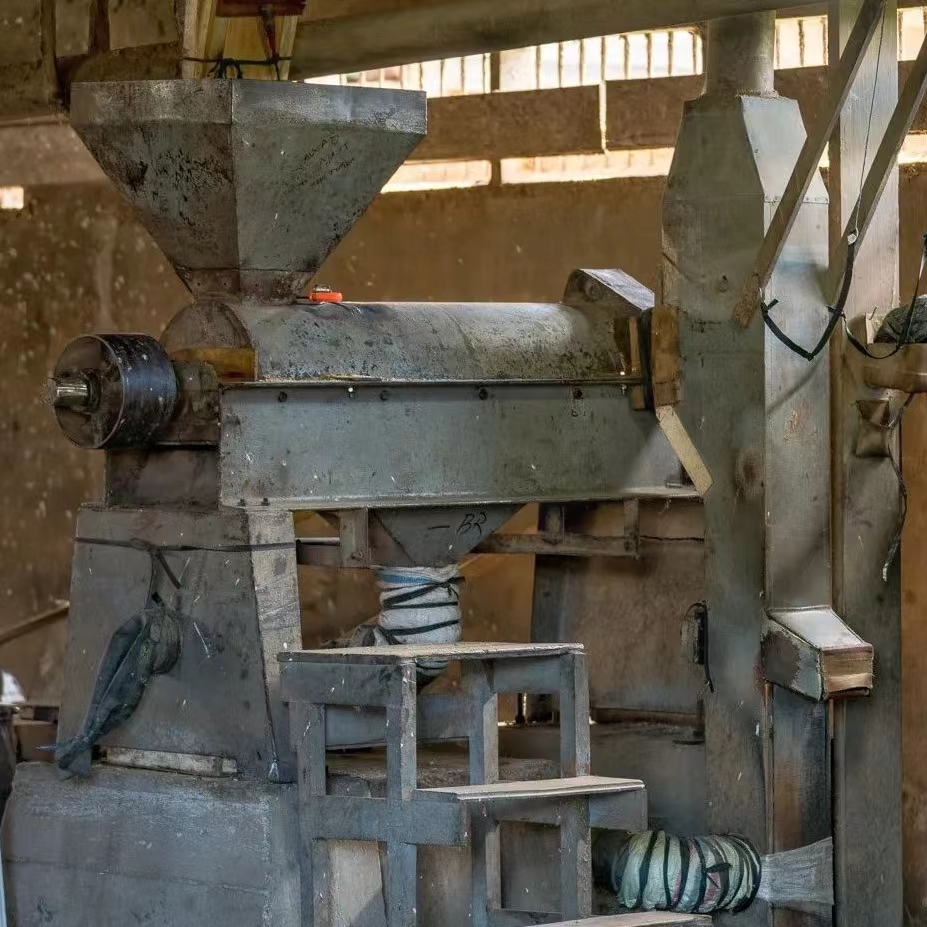
Because the huller uses significant friction to crush the parchment layer clinging tightly to the bean, a white or green viscous liquid typically flows out during this stage. From long soaking in that liquid and the humid environment, the finished green beans become soft, pale, and swollen, taking on a grayish-green color. The friction also bruises the beans more easily, particularly at both ends, forming small gaps known as "elephant foot beans."

The "naked beans" stripped of their parchment dry very quickly while sitting directly in the humid environment, which lets various microorganisms multiply. This gives Indonesian coffee its distinctive woody, spicy, and herbal plant aromas — what we call "terroir flavor." Both fermentation and drying are shorter than in traditional washed processing, which saves considerable labor.
What is Golden Mandheling Coffee?
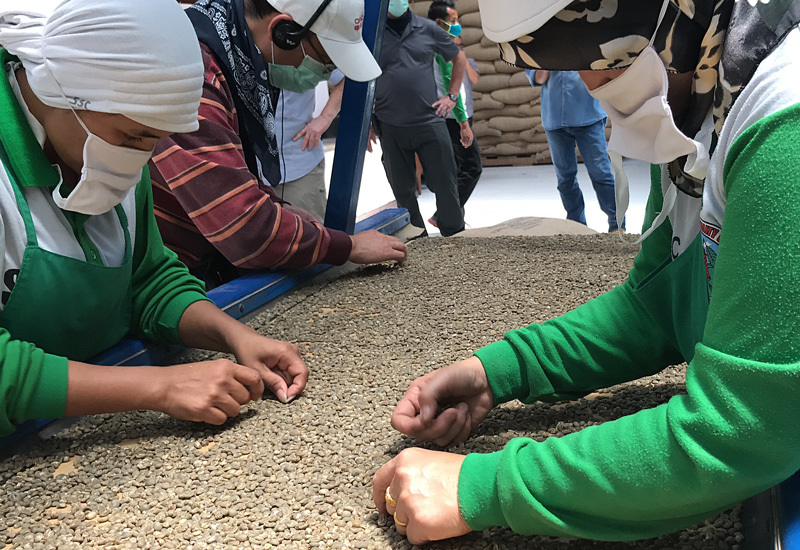
To raise the quality of Mandheling coffee, Indonesia's PWN company performs four rounds of manual selection on the green beans it buys, ensuring every bean is intact, uniform, and full, and meets a size of 18 screen or above — Indonesia's local G1 grade. Through cupping comparisons, FrontStreet Coffee found that the strictly selected Golden Mandheling eliminates the earthy and woody flavors typical of regular Mandheling, leaving overall cleaner, brighter flavors.
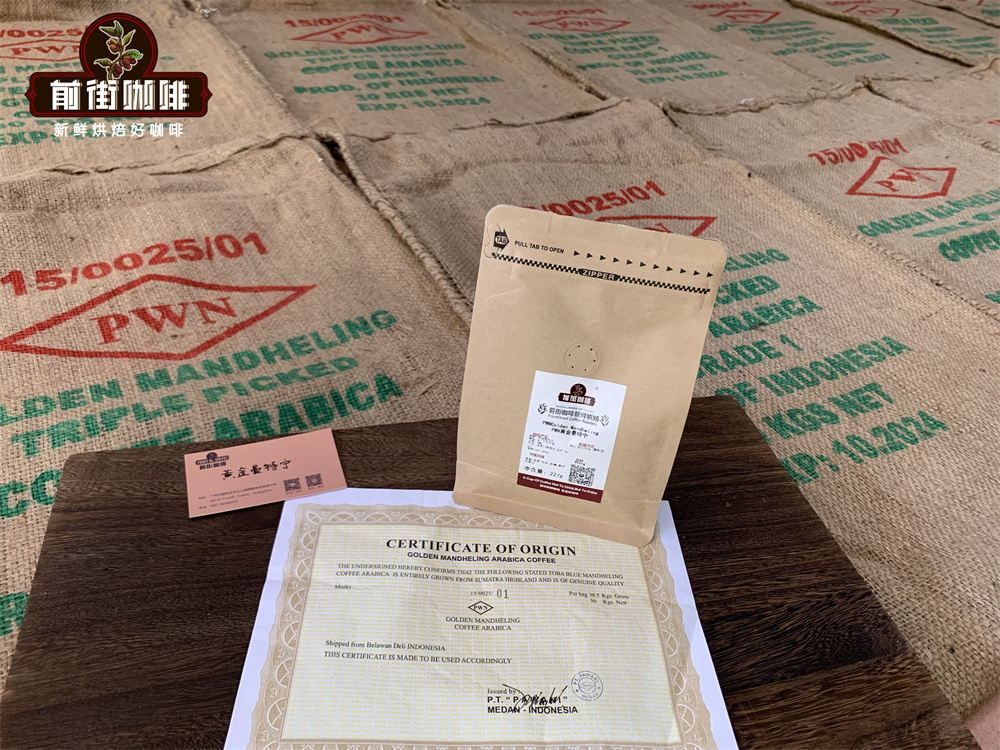
It is worth noting that although there are many Golden Mandheling coffees on the market, PWN registered the Golden Mandheling trademark early on, which means only PWN Golden Mandheling is genuine Golden Mandheling. To experience the charm of the Mandheling flavor, FrontStreet Coffee believes PWN Golden Mandheling is well worth trying.
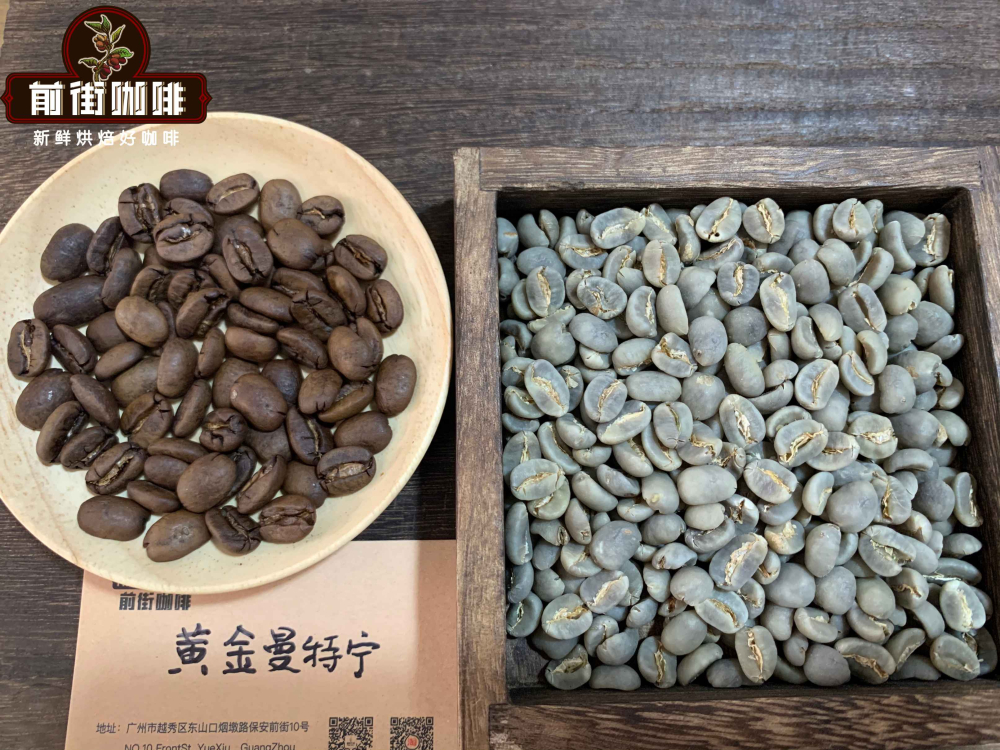
The most representative characteristics of Golden Mandheling are its spice, herbal notes, and rich body. To present that profile, FrontStreet Coffee's roasters use a dark roast for these beans.
Pour-over Flavor of PWN Golden Mandheling Coffee
Golden Mandheling has complex aromas. To experience the best flavor and mouthfeel, FrontStreet Coffee recommends brewing with freshly roasted beans. Coffee reaches its optimal flavor period 4-7 days after roasting. Beyond that window (about one and a half months), the aromas gradually diminish and woody defect flavors develop. FrontStreet Coffee treats freshness as particularly important, so shipped beans are freshly roasted within 5 days; combined with shipping time, you can start enjoying them immediately on receipt.
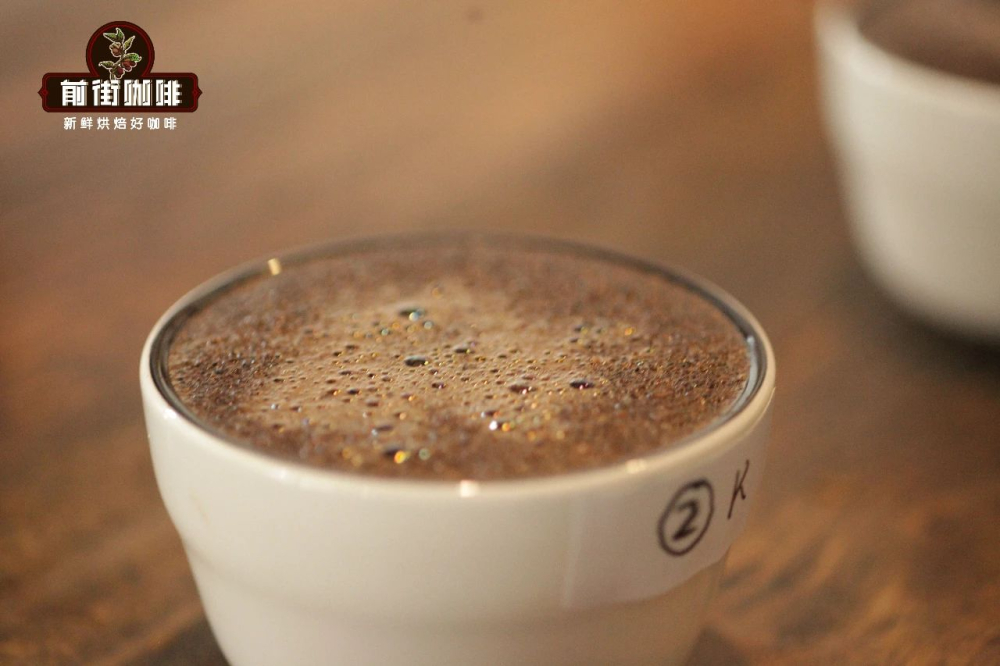
FrontStreet Coffee's brewing approach for each bean is based on what it shows during cupping. Golden Mandheling features herbs, dark chocolate, caramel, nuts, and pine. For richly bodied coffee like this, FrontStreet Coffee's baristas use the Kono dripper. The Kono's ribs don't even reach halfway up the dripper's height — a design meant to keep the filter paper tightly against the wall after wetting, restricting airflow. That lengthens the water absorption time of the coffee particles for more even extraction and a fuller mouthfeel. The concave skeleton at the bottom of the Kono is also a key design that enables a siphon effect during the brew.
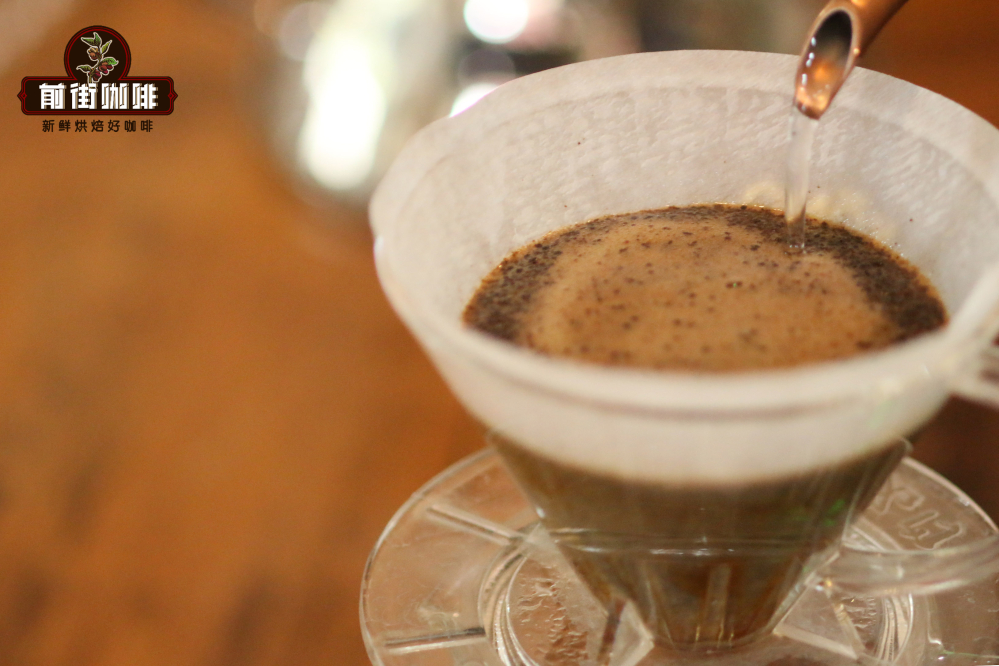
Dark roasted beans are more porous and absorb water strongly, so they can easily over-extract and produce a bitter, astringent cup. FrontStreet Coffee therefore adjusts to a coarser grind and uses slightly lower-temperature water.
Recommended brewing parameters: Water temperature: 87-88°C | Coffee grounds: 15g | Coffee-to-water ratio: 1:15 | Grind size: medium grind (70% pass-through rate on the China standard #20 sieve)
The brew uses a three-stage pour, which better expresses the rich body and caramel sweetness of Golden Mandheling. The first stage is a bloom pour of 30ml, fully wetting the grounds for degassing so the following stages extract flavor compounds more effectively. The second stage pours 100ml, mainly to bring out Mandheling's golden foam and raise the coffee bed. The final stage is a gentle centre pour of 95ml. Wait for all the coffee liquid to filter through before removing the dripper, then gently swirl the coffee in the pot to mix.
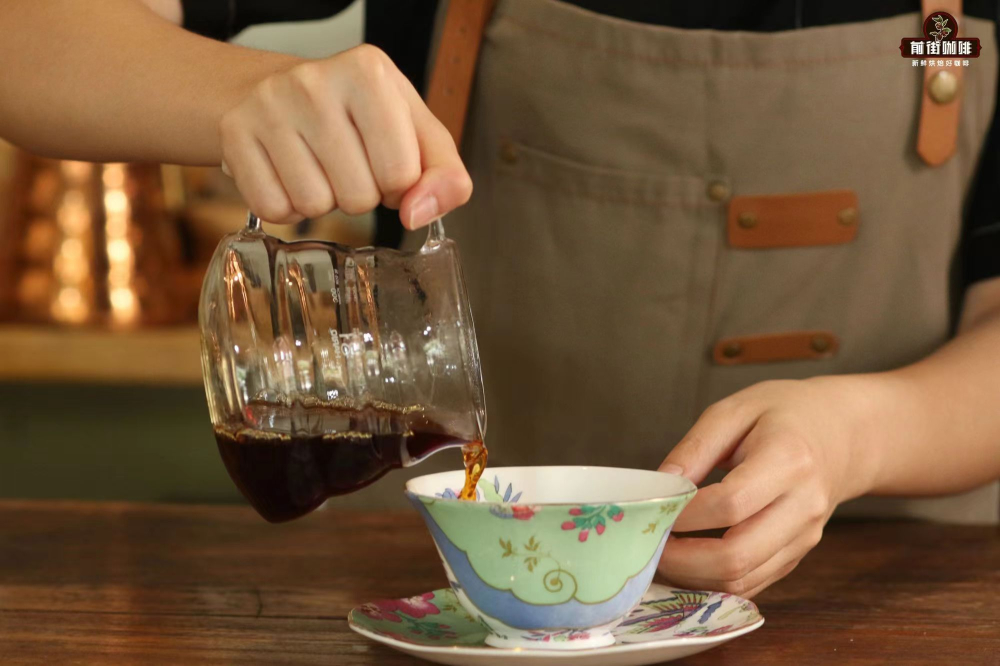
Pour-over PWN Golden Mandheling tastes very rich, giving off spicy and herbal aromas and presenting a solid, rich mouthfeel with caramel sweetness and chocolate and nut flavors.
FrontStreet Coffee Recommendation
FrontStreet Coffee PWN Golden Mandheling is the pick here, and it is exactly what the article describes: a Sumatran wet-hulled coffee, medium-dark roasted, with spice, herbal notes, dark chocolate, caramel, nuts, and a trace of pine, plus the rich body the Kono dripper is chosen to flatter. Brew it at 87-88°C with 15g of coffee at a 1:15 ratio, ground medium (70% pass-through on the China standard #20 sieve) — a 30ml bloom, then 100ml, then a gentle 95ml at the centre. FrontStreet Coffee Lindong Mandheling is the more rustic everyday alternative for anyone who wants the classic weed-and-wood Mandheling character.
Important Notice :
FrontStreet Coffee is a long-established specialty coffee roaster in Guangzhou China, selling freshly roasted beans from its own farm in Yunnan as well as dozens of carefully selected single-origin beans from around the world for both pour-over and espresso. The products deliver consistently excellent quality and great value, with shipping within 24 hours. Guangzhou's FrontStreet Coffee shop is recommended by many coffee lovers, and the beans are now available online at the Tmall 。
FrontStreet Coffee has moved to a new address:
FrontStreet Coffee Address: 315,Donghua East Road,GuangZhou
Tel:020 38364473
 Scan and follow the En Gafei WeChat official account. Please indicate that the reprint comes from "En Gafei".