Distribution Tool vs. Tamper: Differences, Correct Usage Methods and Techniques - How to Fix Uneven Tamping
Why Do You Need to Tamp After Using a Distribution Tool? Isn't It Already Flat?
Although both distribution and tamping leave the coffee puck with a flat surface, the two steps serve different purposes. Let us follow FrontStreet Coffee to understand the relationship and the mission of "distribution" and "tamping."
The Relationship Between Distribution & Tamping
With the help of a distribution tool, the coffee puck in the portafilter may look quite flat, but its internal structure remains loose. Espresso machines use pressurized extraction, where water rapidly impacts the puck. If the puck is not compressed tightly, the force of the water creates channeling, resulting in uneven extraction.
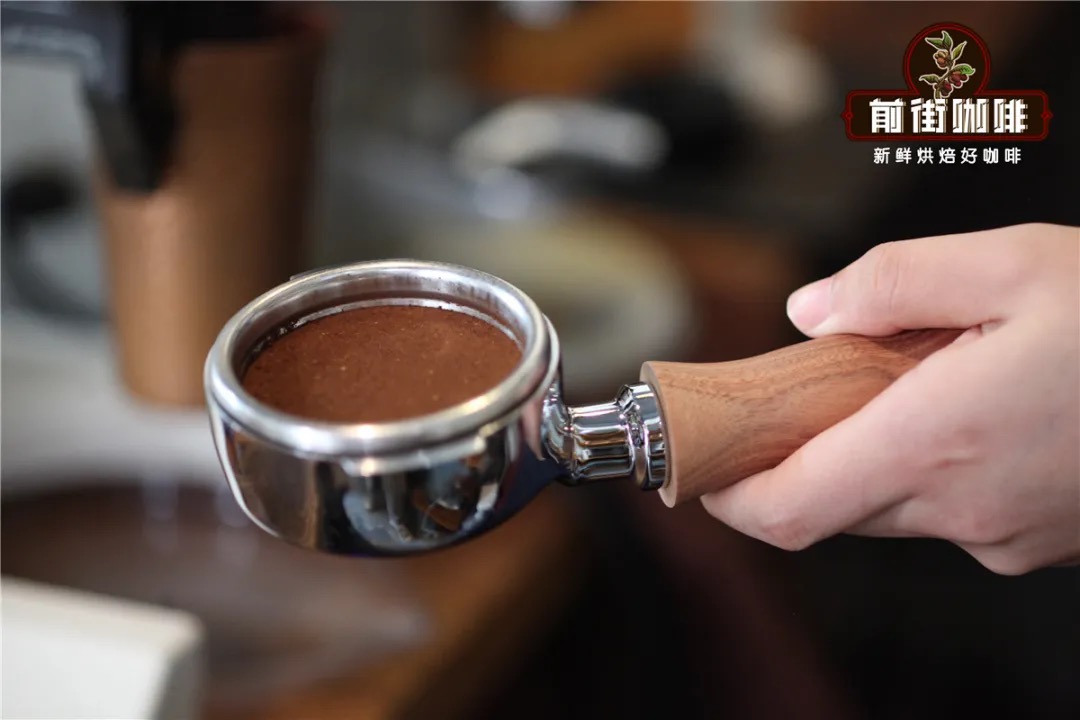
The purpose of distribution is to spread the coffee grounds evenly within the portafilter, reducing the occurrence of channeling. Tamping then compresses the evenly distributed but still loose grounds, making them denser so they can withstand the water's impact and avoid creating even more channeling. As the saying goes, "if the upper beam is not straight, the lower beam will be crooked" - their relationship is roughly "uneven distribution leads to uneven tamping."
Distribution Cannot Be Done Carelessly!
Coffee grounds used for espresso extraction are typically ground very finely. When exposed to static electricity or high humidity, they clump easily. If clumped grounds are not effectively broken up and distributed evenly, tamping can leave some areas denser while others remain looser. Because of inertia during extraction, water naturally flows through the looser sections, causing over-extraction there and under-extraction in the dense areas, ultimately producing an unevenly extracted espresso.
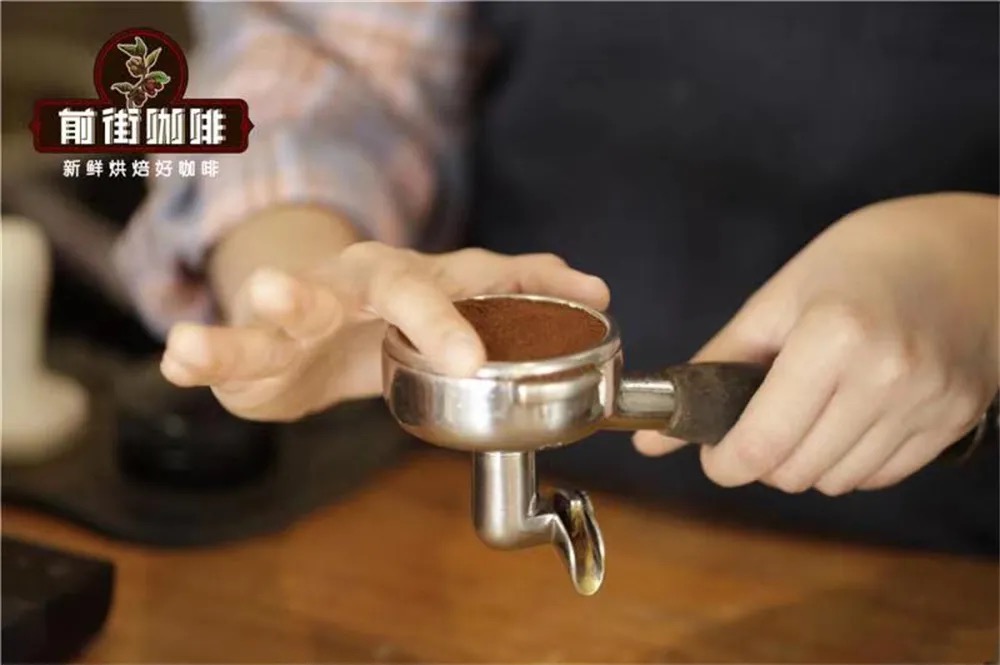
The traditional distribution method is to pour the grounds into the portafilter, then use the fingers and thumb to move them back and forth so they fall into the gaps as much as possible, ensuring even distribution through every gap in the basket. Note that finger distribution requires completely clean, dry hands, and the motion must stay horizontal without pressing down on the puck. This method can still lead to uneven distribution and poor clump-breaking, so baristas need extensive practice.
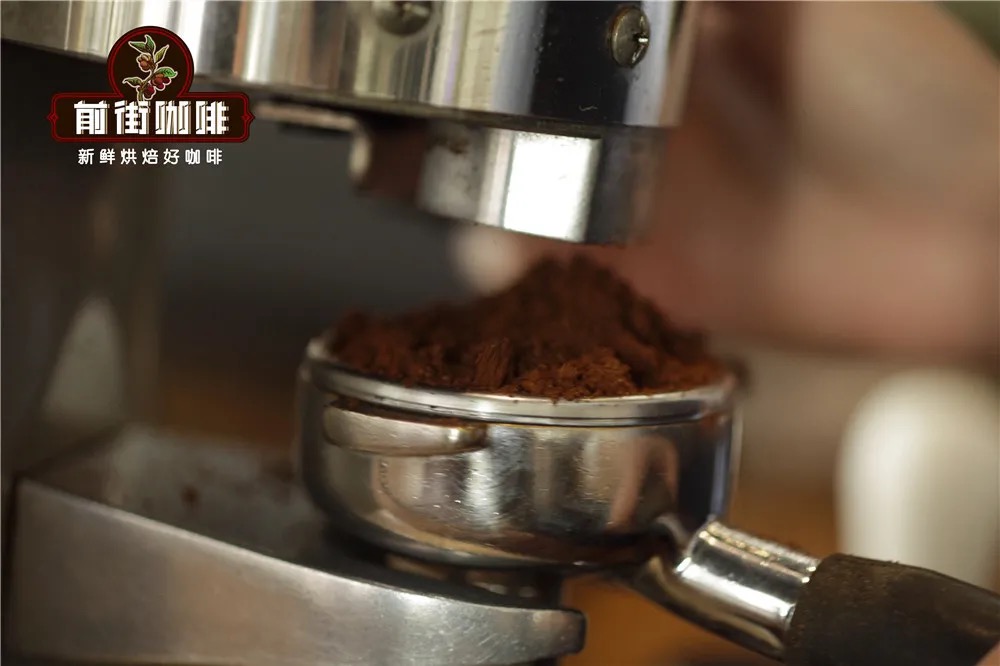
Compared with traditional methods, distribution tools offer more consistency. Regardless of type, they make each distribution more uniform, improving both efficiency and quality consistency while also being more hygienic.
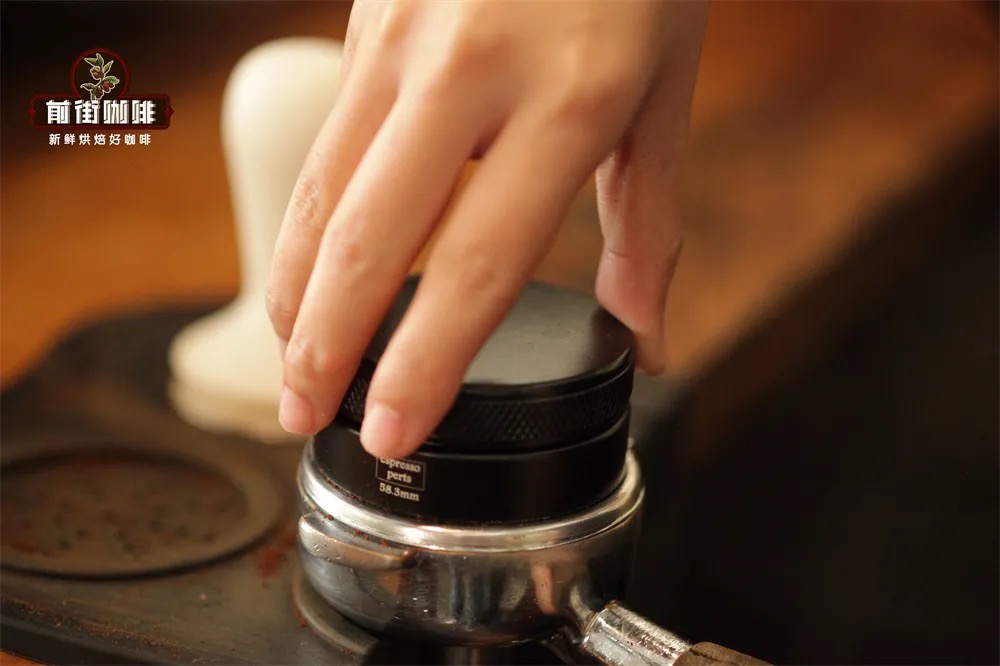
Keep Your Arm Vertical When Tamping!
Besides compressing the puck, the most important aspect of tamping is creating a balanced surface. If the puck surface has uneven highs and lows, its thickness will vary. During extraction, water naturally flows toward the lower areas because of inertia, ultimately causing under-extraction in the thick areas and over-extraction in the thin areas. To achieve balanced tamping, you need a properly sized tamper and downward force applied with a vertical arm.
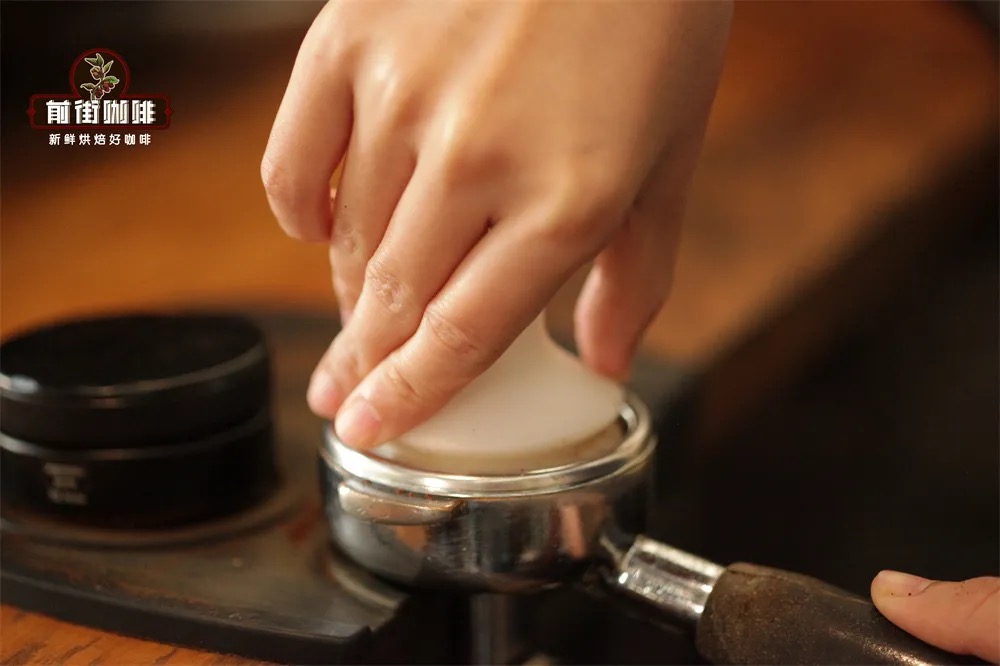
A tamper is like a seal that compresses the puck while keeping it flat. When choosing a tamper, you must pick one that matches the portafilter diameter. If it is too large it will not fit; if it is too small it leaves a ring of uncompressed grounds, which ultimately leads to uneven extraction.
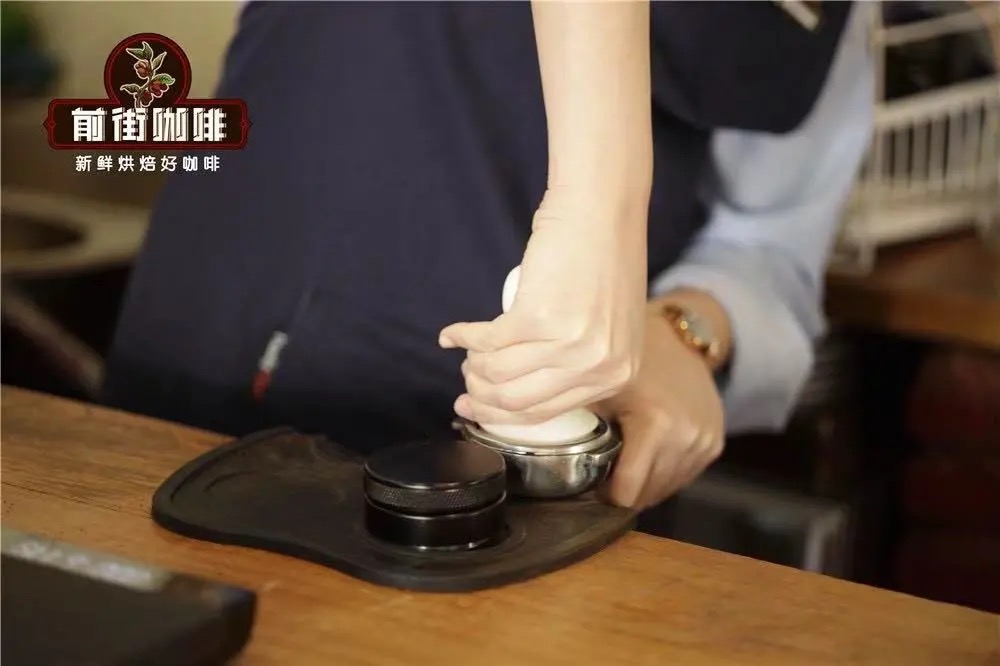
Before tamping, first ensure the portafilter is level. Hold the tamper handle in your palm with your thumb facing downward and your thumb and index finger gripping the tamper base. During tamping, your elbow, forearm, tamper, and portafilter should form a straight line perpendicular to the horizontal plane. Apply vertical downward force in one motion to compress the grounds. You do not need to apply excessive force - just ensure the grounds are evenly compressed. Regardless of how much force you apply, that force diminishes to nearly zero at the bottom of the puck. As long as tamping is balanced, the extraction results under 9-bar pressure will be the same.
If the Surface is Uneven After Tamping, Can You Retamp?
If you discover uneven highs and lows on the puck surface after tamping, FrontStreet Coffee recommends breaking up the puck and starting over: re-dose, distribute, then tamp again. If you simply retamp to fix the surface, it will cause the puck to split and create channeling.
FrontStreet Coffee Recommendation
Good puck preparation only pays off with a bean that can withstand the pressure, and FrontStreet Coffee's Classic Blend is designed for espresso and moka pots - its traditional Mamba-style recipe delivers outstanding crema, so even a beginner on a home machine can pull a dense, silky shot. If you want the classic espresso profile of nuts, chocolate, and caramel with greater stability, the Specialty Blend pairs Brazil Cerrado with Colombia Huila for a balanced, familiar cup. For a more affordable everyday option, FrontStreet Coffee's Black Cocoa Blend is 100% Arabica with generous crema and a smooth, full-bodied result. Whichever you choose, tamp level and consistent, and these blends will show the difference that even distribution makes.
Important Notice :
FrontStreet Coffee is a long-established specialty coffee roaster in Guangzhou China, selling freshly roasted beans from its own farm in Yunnan as well as dozens of carefully selected single-origin beans from around the world for both pour-over and espresso. The products deliver consistently excellent quality and great value, with shipping within 24 hours. Guangzhou's FrontStreet Coffee shop is recommended by many coffee lovers, and the beans are now available online at the Tmall 。
FrontStreet Coffee has moved to a new address:
FrontStreet Coffee Address: 315,Donghua East Road,GuangZhou
Tel:020 38364473
 Scan and follow the En Gafei WeChat official account. Please indicate that the reprint comes from "En Gafei".