Yirgacheffe Coffee Flavor Characteristics: Taste Differences, Processing Methods, Grind Size, and Origin Introduction
Yirgacheffe is one of Ethiopia's most celebrated specialty coffee regions, and its washed beans have become the quintessential entry point for specialty coffee lovers worldwide. Ask about Yirgacheffe's flavor and you'll immediately think of bright, fresh jasmine florals and zesty citrus acidity, with an unforgettable finish. FrontStreet Coffee's daily-brew washed Yirgacheffe has long been a customer favorite!
The Yirgacheffe Coffee Region
Ethiopia is the birthplace of coffee, and each of its regions offers a distinct flavor profile—a treasure trove for endless exploration. Yirgacheffe's captivating flavors are closely tied to its climate. Yirgacheffe is a small town, administratively part of Sidamo, but its exceptional quality earned it designation as its own micro-region. At 1,700-2,100 meters it ranks among the world's highest coffee-growing areas and stands as a synonym for Ethiopian specialty coffee. Lakes Turkana, Abaya, and Chamo bring abundant moisture; the Rift Valley land here is perpetually mist-shrouded with spring-like weather, gentle breezes, and cool humidity—and thousands of coffee trees thriving in it. FrontStreet Coffee believes it is precisely this environment that shapes Yirgacheffe's unique profile: an ambiguous, ever-shifting dance between floral and fruit notes.
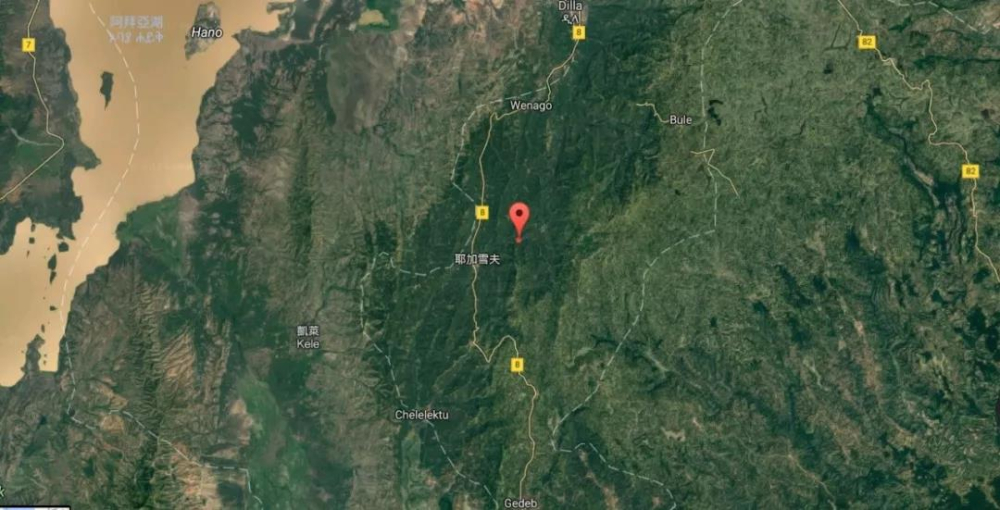
Yirgacheffe coffee ranks among the world's finest. Nearly every household here grows coffee, and large plantations are few. Most farmers interplant coffee with other crops on their own plots or in their yards to secure a steady annual income—true garden-style cultivation. Because each family's output is small, they pool their cherries and send them to town cooperatives for unified processing, selling afterward under the cooperative's name. In June 2002, the Yirgacheffe Coffee Farmers Cooperative Union (YCFCU) was established, comprising 28 member cooperatives. A cooperative typically serves an area the size of a village, so farmers deliver their cherries to the nearest one; during harvest season the cherries are sold to cooperatives for processing, which is why an Ethiopian coffee's "origin" usually refers to its processing cooperative.

Three small producing areas sit near Yirgacheffe: Wenago, Kochere, and Gelena Abaya. Their flavors resemble Yirgacheffe's, so Kochere in particular is usually classified under the Yirgacheffe umbrella.
Kochere: A Premium Sub-region
Kochere is one of the 77 woredas (administrative districts) of Ethiopia's SNNPR region. In coffee terms, Kochere belongs to the Gedeo zone of Yirgacheffe and is one of its most important producing areas. It can be subdivided into several micro-regions, and its coffee may be named even more specifically—by source town (such as Chelelektu or Teklu Dembel), by processing station (such as Teklu Dembel or the Alimu station used for this batch), or by micro-region (such as Banko Gotiti). This follows today's traceability trend: the more traceable the batch, the more specific the origin, the better its year-to-year stability and repeatability—and the higher the price.
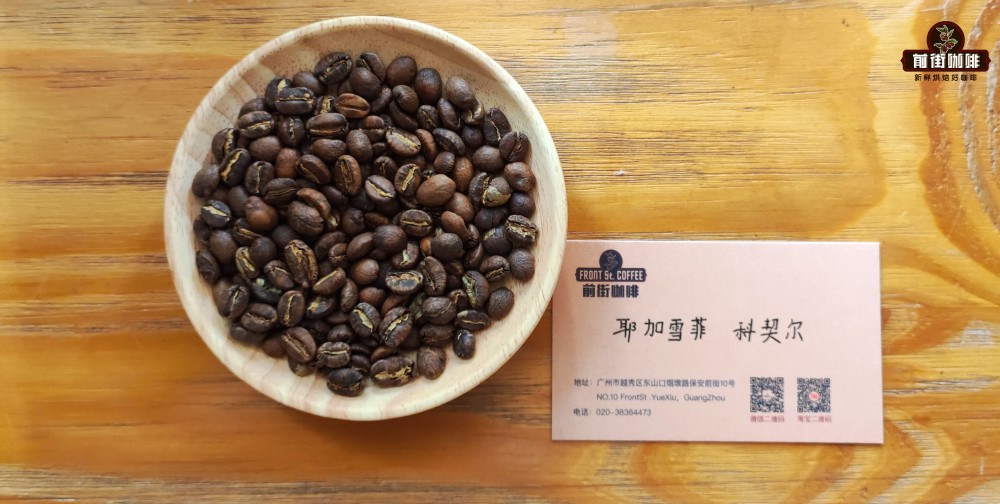
FrontStreet Coffee's Yirgacheffe Kochere is washed.
The Red Cherry Project
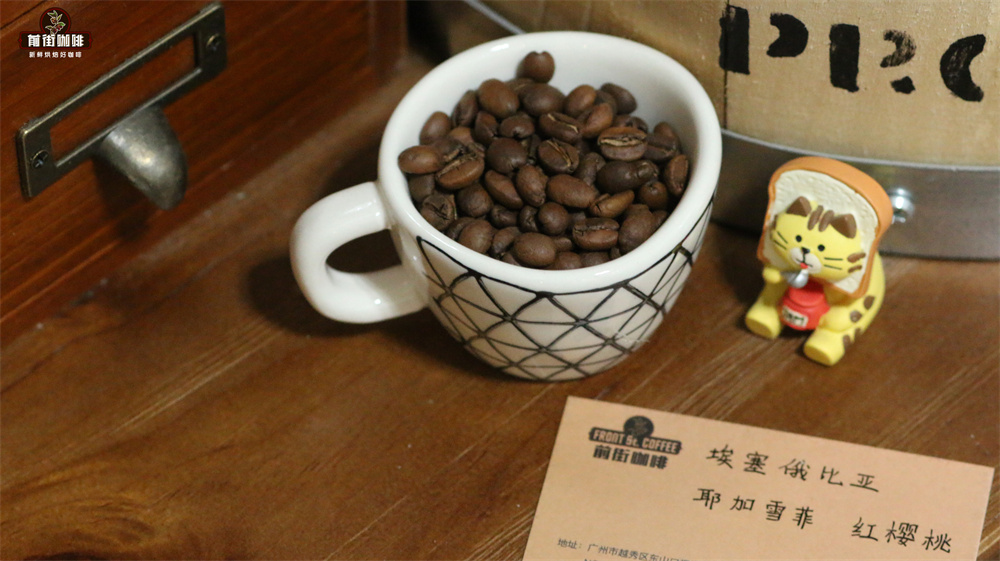
What is the Red Cherry Project? To raise Ethiopian farmers' incomes and improve quality, the Dutch trading house Trabocca BV launched the "Operation Cherry Red Project" in 2007. It targets high-altitude regions like Yirgacheffe, upgrading washing, semi-washed, and natural processing techniques. Professional cuppers joined the effort, setting different harvest volumes for each micro-climate zone during the season, with one hard requirement: harvest only 100% mature red cherries, with lots typically between 1,500-3,000 kg. Trabocca's loans, new equipment, and production know-how significantly improved bean quality across Yirgacheffe and Ethiopia at large. Better coffee commands higher prices, lifting farmers' incomes. FrontStreet Coffee's natural Yirgacheffe Red Cherry—born of this program—is a huge hit with our customers!
Yirgacheffe Coffee Varieties
Observant coffee lovers will notice Yirgacheffe beans are petite yet elegant, graceful, and delightfully sweet. As coffee's homeland, Ethiopia's thousand-year cultivation and processing tradition has produced superb washed Arabica. The country boasts countless varieties—nearly 2,000 recorded (1,927 indigenous and 128 introduced). Classification is difficult, and the government, citing protection concerns, has long declined to publish detailed variety information. So the Ethiopian beans commonly found in the market are generally labeled "Heirloom"—meaning local indigenous varieties.
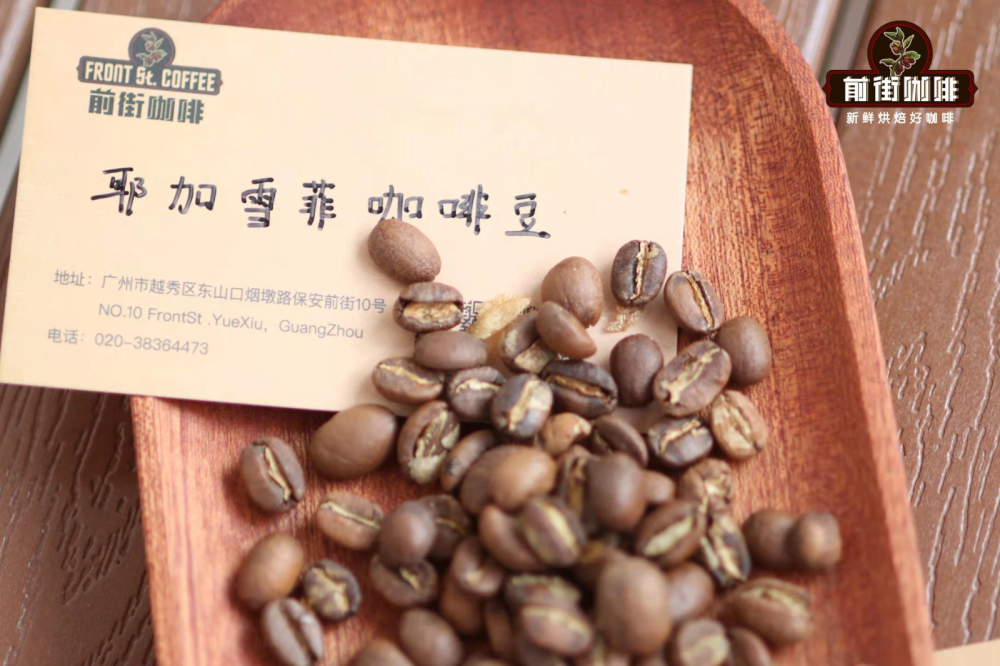
Yirgacheffe Processing Methods
Washed Yirgacheffe is world-famous—but does that mean all Yirgacheffe coffee is washed? FrontStreet Coffee says no. Traditionally, Yirgacheffe used the most ancient method of all: natural. In 1972, however, Ethiopia introduced Central and South American washing techniques to improve quality. Yirgacheffe, Ethiopia's most water-rich region, found that washing made its jasmine florals and citrus notes even clearer and brighter—and that transformation propelled it to the front rank of world specialty coffee. After the 1970s the region produced mostly washed coffee, becoming Ethiopia's flagship washed origin.

Yet entering the 21st century, natural techniques improved and impressive naturals returned. Credit goes to the Yirgacheffe trader Bagash, who—nostalgic for traditional natural flavors and unwilling to see them displaced by washing—refined the technique to boost flavor and cut defect rates.
The Washed Processing Method
Farmers pour all harvested cherries into water. Defective cherries float; sound cherries sink—cutting the time wasted on cherry-by-cherry selection.
The selected cherries go into a depulper to remove skin and pulp. A sticky layer of mucilage remains, so large amounts of clean water wash away the adhesive layer.
Next, fermentation removes the remaining mucilage—about 18 hours. Fermentation bacteria then cling to the bean surface, so another thorough rinse follows. FrontStreet Coffee notes that producing 1 kilogram of beans this way takes 40-50 kilograms of clean water—no small figure, and the reason drought-prone countries can't adopt washing.
The cleaned beans then dry—directly outdoors in some areas, or machine-dried at better-equipped plants—until moisture drops to around 11%.
Finally, the dried beans are stored, packaged, and readied for sale and export.
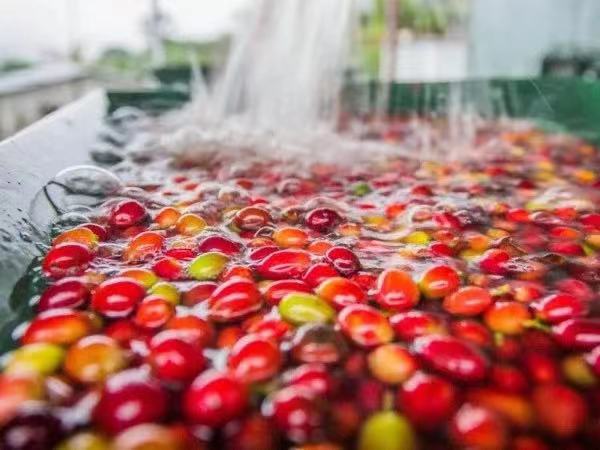
The Natural Processing Method
After the Red Cherry Project launched, Trabocca invested in new natural drying racks and shade nets for Yirgacheffe and other regions in 2008-2009. Combined with harvesting only plump, fully red cherries and turning them by hand in timed intervals throughout the day, the goal is even drying until green bean moisture reaches 11-12%, at which point the husks are removed for packaging and storage.
First, harvest mature cherries and hand-select to remove defective, overripe, or insect-damaged ones, leaving only the best—which is why FrontStreet Coffee's in-store beans look so uniform and handsome.
The selected cherries go to the drying area. Different regions use different racks—waterproof tarps, raised beds, or cement floors. Drying averages 27-30 days, continuing until moisture drops to 11%.
This step is crucial too. After drying, the cherries go to specialized plants for hulling and even polishing, removing all pulp and husk to yield the beans we recognize.
After hulling, the green beans are screened again for poor appearance: over-dried beans are fragile and can break into fragments during hulling, while under-dried beans carry too much moisture and risk bacterial growth and mold. So one more screening happens before the beans go to warehouse storage and export packing.
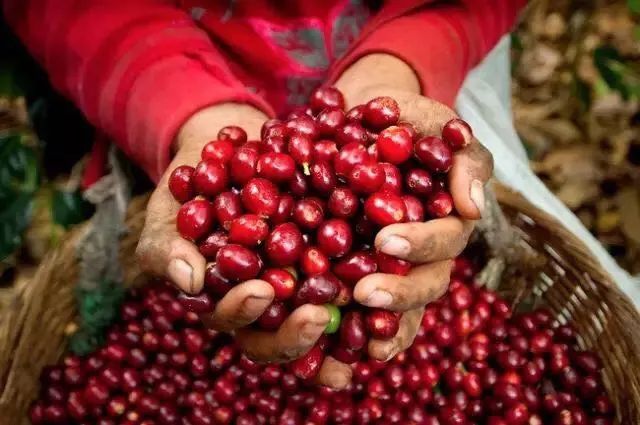
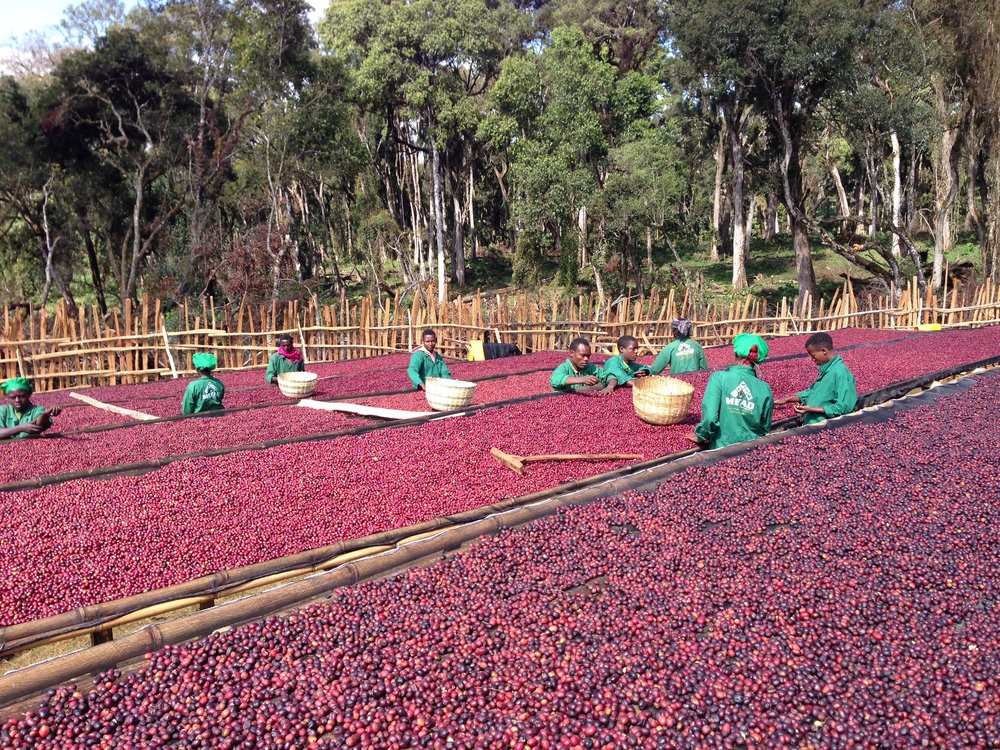
On processing, FrontStreet Coffee believes the essential difference is this: washing presents a coffee's most fundamental flavors, reflecting the region's character directly, while natural processing layers sweet aromas and fermentation notes on top. That's why nearly all of FrontStreet Coffee's daily-brew beans are washed.
FrontStreet Coffee's Brewing Recommendations
Freshness is everything: it lets you taste a coffee's full richness. FrontStreet Coffee ships all beans within 5 days of roasting—freshness shapes flavor too much to compromise. Our roasting philosophy is "Freshly Roasted Quality Coffee," so every order arrives at its peak: the degassing window runs about 4-7 days, right when the coffee lands on your doorstep.
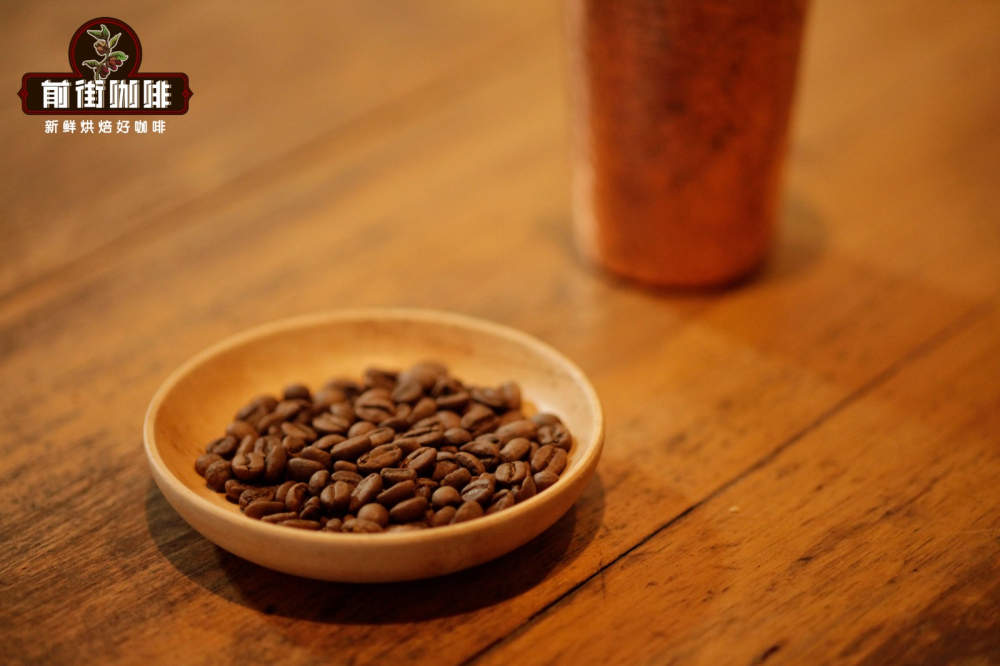
Some customers prefer their beans pre-ground—that's perfectly fine. One reminder, though: ground coffee needs no extra degassing, because the CO2 pressure that builds in the bag during transit actually helps round out the flavors, so you can brew immediately on arrival. But brew it promptly: ground coffee oxidizes fast in open air, and its flavors dissipate quickly, diminishing the cup. FrontStreet Coffee therefore recommends whole beans ground fresh before brewing.
FrontStreet Coffee's Yirgacheffe Brewing Parameters
FrontStreet Coffee uses a V60 dripper, whose even flow highlights the coffee's flavor layers. Water temperature: 90°C—high enough to draw out the aromatics. Ratio: 1:15 with 15g of grounds. Grind: 80% pass-through on the China #20 standard sieve.
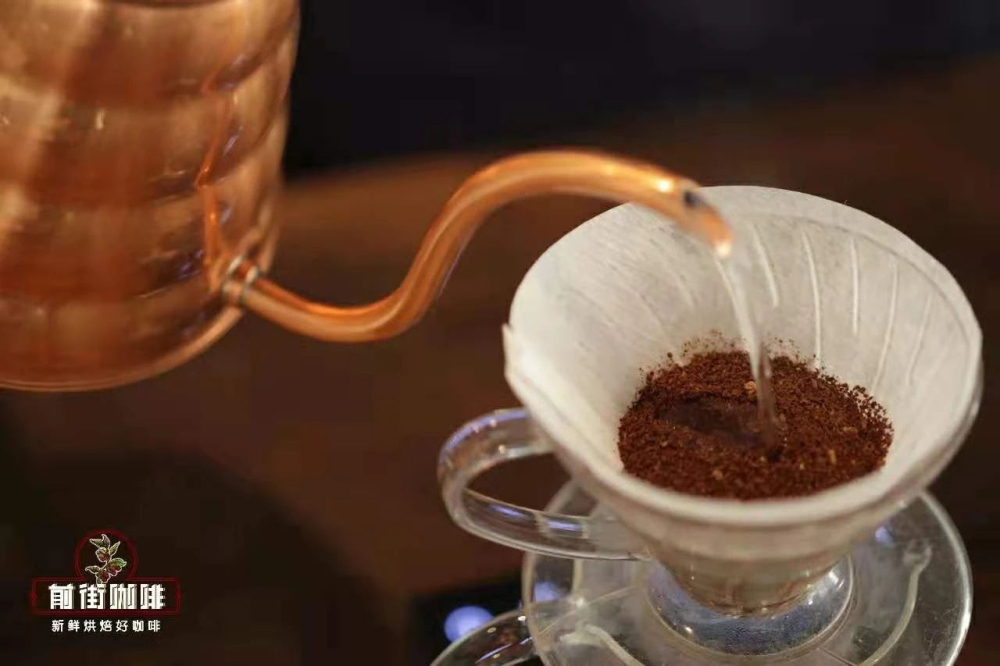
We brew in segments, blooming with twice the dose in water—30g for 30 seconds. Blooming lets the grounds release internal CO2 for a more stable extraction. Then pour in small circles to 125g, continue to 225g, and stop. Once the dripper finishes dripping, remove it. Timing starts with the first pour; total extraction is 2'00". Swirl the carafe gently before pouring to taste.
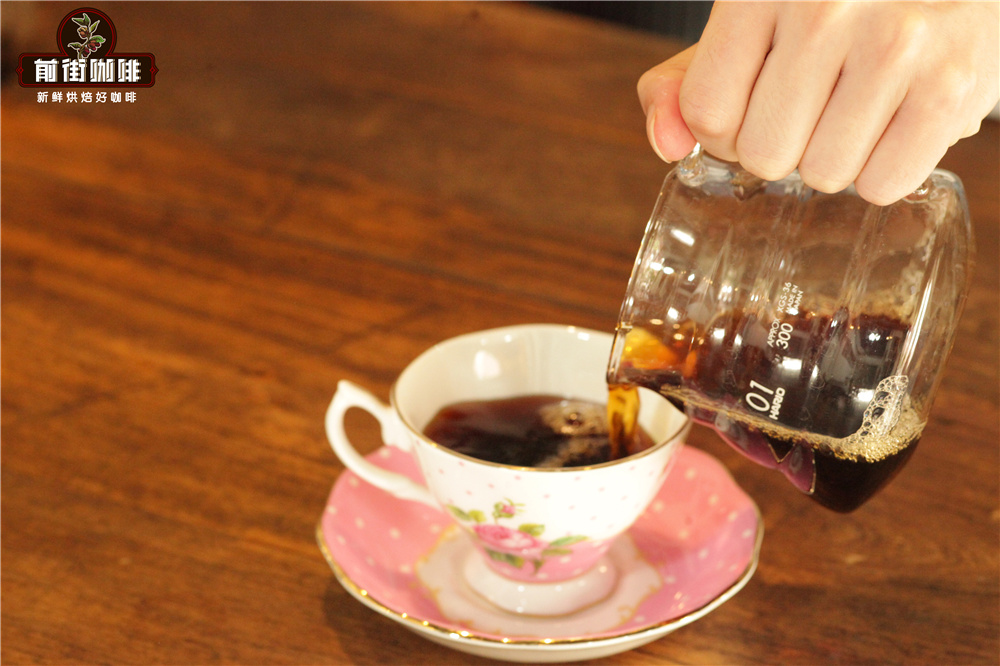
Flavor Profiles:
Washed Yirgacheffe Kochere: rich fruit, fresh jasmine, berries, lemon acidity, pineapple, apple, a smooth clean mouthfeel, and a long aftertaste.
Natural Yirgacheffe Red Cherry: berries, lemon, strawberry, a rich winey fermentation aroma, and abundant sweetness.
For more specialty coffee knowledge and bean information, follow FrontStreet Coffee.
FrontStreet Coffee Recommendation
Ready to taste the difference processing makes? These are the two Yirgacheffes behind the flavor notes above:
FrontStreet Washed Yirgacheffe (Daily Cup) — the classic first bean for Ethiopian specialty coffee: white jasmine florals, bright citrus-lemon acidity, and a tea-like finish at an accessible price. Brew as described: V60, 90°C, 15g at 1:15, fine granulated sugar grind (80% pass-through on #20), bloom 30g for 30 seconds, then pour in stages to 225g for a 2'00" total extraction.
FrontStreet Natural Red Cherry — a Red Cherry Project natural: only fully ripe red cherries, sorted and dried whole on raised beds for three to five weeks with regular turning. The result keeps classic Yirgacheffe character while adding tropical fruit—citrus acidity, berry juiciness, honeyed sweetness, and creamy smoothness, with that signature winey sweetness.
Important Notice :
FrontStreet Coffee is a long-established specialty coffee roaster in Guangzhou China, selling freshly roasted beans from its own farm in Yunnan as well as dozens of carefully selected single-origin beans from around the world for both pour-over and espresso. The products deliver consistently excellent quality and great value, with shipping within 24 hours. Guangzhou's FrontStreet Coffee shop is recommended by many coffee lovers, and the beans are now available online at the Tmall 。
FrontStreet Coffee has moved to a new address:
FrontStreet Coffee Address: 315,Donghua East Road,GuangZhou
Tel:020 38364473
 Scan and follow the En Gafei WeChat official account. Please indicate that the reprint comes from "En Gafei".