Five Pour-Over Coffee Brewing Methods: Techniques and Characteristics
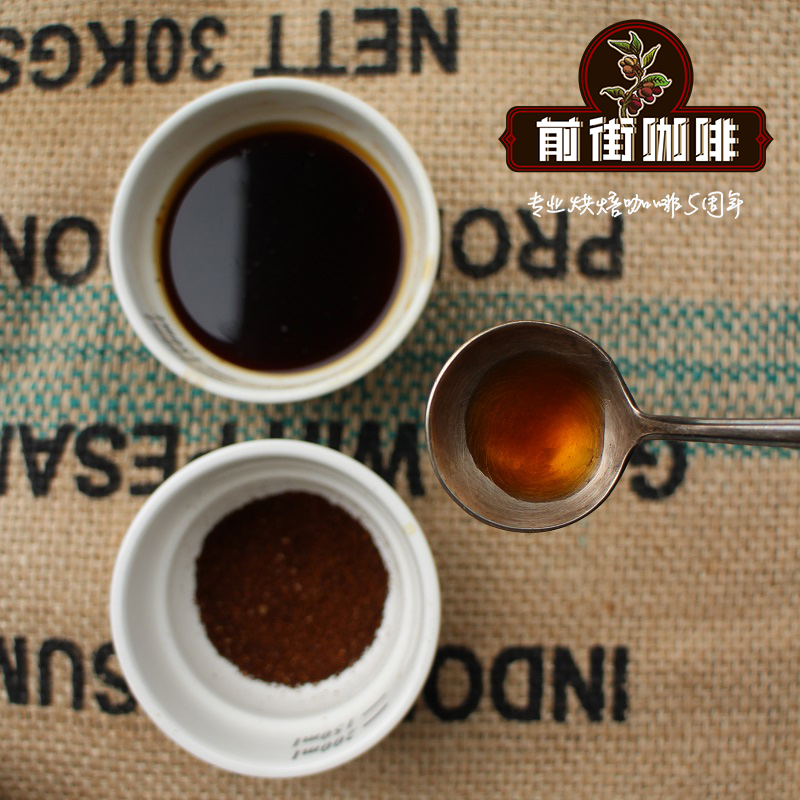
There is more than one way to brew a single coffee bean, and each method reveals a different set of flavors and textures, giving guests a different experience every time. FrontStreet Coffee treats brewing as an experiment, using different methods to uncover the unique character of each coffee. French press, siphon, espresso extraction, pour-over - they are all part of the same pursuit. So today, let us brew one bean five different ways and see exactly how the cups diverge.
Bean Introduction
Yirgacheffe is a small town in Ethiopia sitting at an altitude of 1,700-2,100 meters, making it one of the highest coffee-growing regions in the world. The area was originally part of the Sidamo region, but the coffee grown here proved so distinctive that it was split off into a region of its own.
Ethiopia Yirgacheffe
FrontStreet Coffee Washed Yirgacheffe
Country: Ethiopia
Region: Yirgacheffe
Altitude: 1,800-2,000 meters
Processing: Washed
Variety: Local heirloom varieties
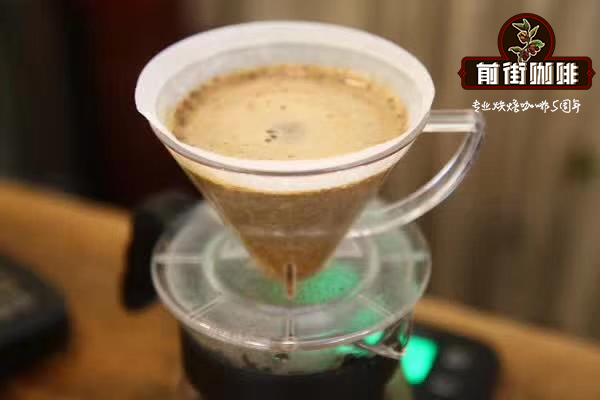
Cake Dripper
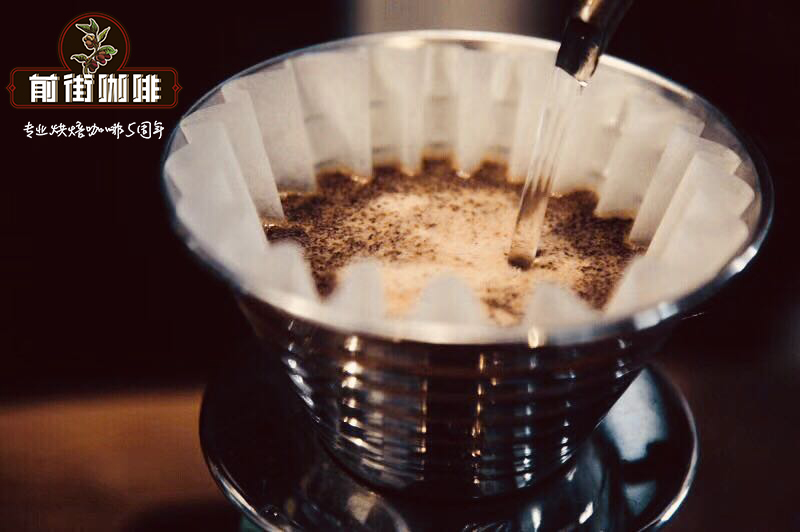
The cake dripper has a flat bottom, and that flat-bed design lets extraction happen more completely. With only three small holes at the base, its flow rate is relatively slow, which keeps the coffee grounds submerged for longer and produces a more balanced cup.
Parameters & technique: 15 g coffee; medium-fine grind (BG 5R: 58% pass-through rate on a China standard #20 sieve); water temperature 90°C; coffee-to-water ratio 1:15. Bloom with 31 g of water for 30 seconds, then a small center-stream pour to 122 g. When the water level drops and the coffee bed is about to be exposed, pour on to 227 g, and again remove the dripper when the bed is about to be exposed. (Timing starts from the bloom.) Total extraction time: two minutes.
Flavor: aromas of lemon and nuts; lemon acidity on entry, clean sucrose sweetness, a light floral note, and an oolong tea finish.
KONO
The KONO dripper has relatively short ribs, and the filter paper fits it tightly. That fit limits the exhaust space during brewing, naturally restricting airflow and slowing the flow rate, so the grounds stay submerged for a large part of the brew. The particles have more time to absorb water, yielding a more balanced extraction that is less likely to end up under-extracted.
Parameters & technique: 15 g coffee; medium-fine grind (BG 6M: 50% pass-through rate on a China standard #20 sieve); water temperature 90°C; coffee-to-water ratio 1:15. Bloom with 31 g of water for 30 seconds, then a small center-stream pour to 124 g. When the water level drops and the coffee bed is about to be exposed, continue to 228 g, and remove the dripper when the bed is about to be exposed again. (Timing starts from the bloom.) Total extraction time: 2'10".
Flavor: cream and lemon on entry, black tea finish. The aroma is relatively restrained, with noticeable sweetness.
French Press
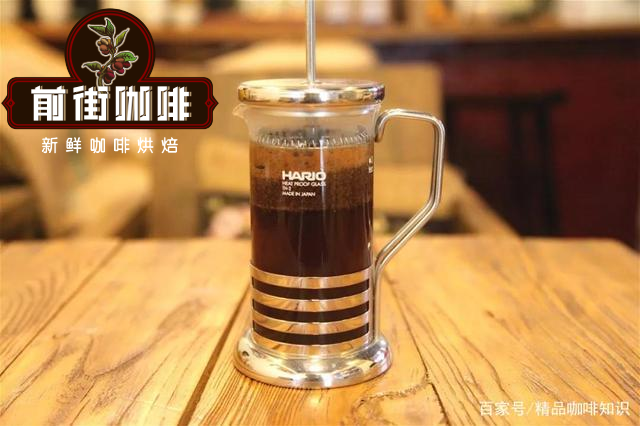
The French press is about as convenient as brewing gets. You simply soak the coffee completely in the pot, then push down a plunger fitted with a metal filter to separate the liquid from the grounds. This method yields excellent body, boosting texture and oils, and the device itself is easy to use.
Parameters & technique: 20 g coffee; medium-fine grind (BG 6M: 50% pass-through rate on a China standard #20 sieve); water temperature 90°C; coffee-to-water ratio 1:15. Pour directly to 300 g, stir five circles at 1'30" so the coffee and water make full contact, soak for two minutes, then press and filter, pouring out all the coffee. Total extraction time: 2'30".
Flavor: floral notes, lemon acidity on entry, cream and sucrose sweetness, a black tea finish, and a relatively thick, smooth texture.
Strawberry Dripper
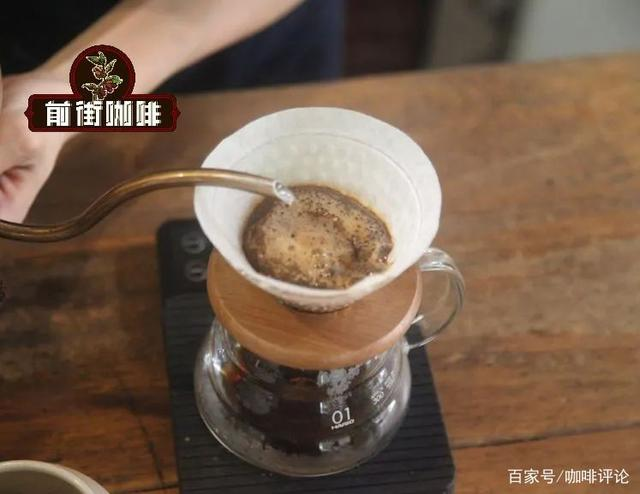
The ribs on the inner wall of this dripper are arranged as a dotted structure, closely resembling the small seeds on a strawberry, and the hole at the bottom is fairly small. From that design, you can already tell the flow rate will be slower, which helps raise the extraction rate.
Once the filter paper is added, the fit between dripper and paper is not especially tight because of the many raised points. Water can pass through the paper and run along the gaps between those points, which helps prevent over-extraction. The raised points also trap fine powder. With the fines held against the wall and the bottom, the bulk of the submerged bed consists of relatively coarser particles, so the extraction rate rises while the odds of over-extraction drop sharply.
Parameters & technique: 15 g coffee; medium-fine grind (BG 5R: 58% pass-through rate on a China standard #20 sieve); water temperature 90°C; coffee-to-water ratio 1:15. Bloom with 30 g of water for 30 seconds, then a small center-stream pour to 121 g. When the water level drops and the bed is about to be exposed, continue to 226 g, and remove the dripper when the bed is about to be exposed again. (Timing starts from the bloom.) Total extraction time: 1'58".
Flavor: floral and tea aromas; lemon and citrus acidity on entry; a chocolate finish; a relatively rich body.
SOE
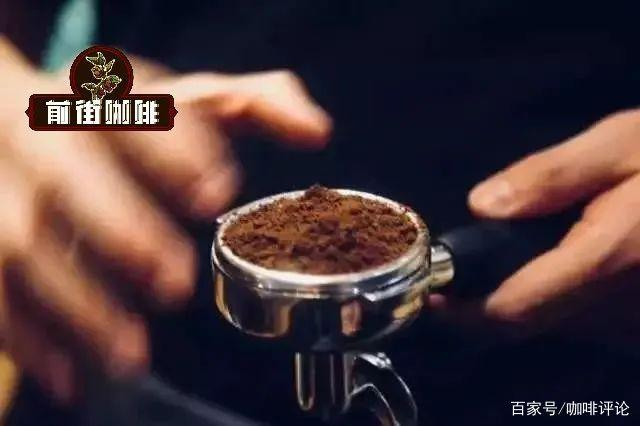
Extraction parameters: coffee dose 20 g, liquid yield 40 g, extraction time 27 seconds.
Flavor Description
Citrus, berries, fermented aroma, viscous body, medium bitterness, medium-high acidity, bright and lively.
Conclusion
Brew the same bean on different equipment and you get different flavors and textures every time. When choosing how to brew, pick the device that matches the flavors you want to bring out of the bean, and let the equipment's own character do the rest.
FrontStreet Coffee Recommendation
Every cup above starts from the same coffee: FrontStreet Coffee's washed Yirgacheffe, an everyday-drinker lot known for white jasmine, bright lemon and citrus acidity, and a clean tea-like finish. If the natural, fruit-forward side of Yirgacheffe appeals to you, the Gotingding cooperative washed lot delivers the same citrus and jasmine clarity with even greater sweetness. Prefer something more tropical? The natural-process Red Cherry lot trades some of that tea-like restraint for berry juice, honey sweetness, and a creamy body, and it rewards both the French press and the cake dripper. Whichever of the five methods you choose, these beans make the differences between them easy to taste.
Important Notice :
FrontStreet Coffee is a long-established specialty coffee roaster in Guangzhou China, selling freshly roasted beans from its own farm in Yunnan as well as dozens of carefully selected single-origin beans from around the world for both pour-over and espresso. The products deliver consistently excellent quality and great value, with shipping within 24 hours. Guangzhou's FrontStreet Coffee shop is recommended by many coffee lovers, and the beans are now available online at the Tmall 。
FrontStreet Coffee has moved to a new address:
FrontStreet Coffee Address: 315,Donghua East Road,GuangZhou
Tel:020 38364473
 Scan and follow the En Gafei WeChat official account. Please indicate that the reprint comes from "En Gafei".