Beginner's Guide to Coffee Latte Art: Simple Heart Latte Art Tutorial for Espresso Lattes

Latte art is the finest expression of hot milk meeting coffee. When customers order milk coffee at FrontStreet Coffee, they often ask for latte art. Steaming the milk is the crucial step: only smooth, well-textured foam can carry the full flavour of a milk coffee. Today FrontStreet Coffee will show you how to steam milk foam and pour a few simple patterns.

FrontStreet Coffee's Espresso Blend
FrontStreet Coffee has selected a blend as the standard offering for espresso in its shops. It combines FrontStreet Coffee's sherry barrel-processed coffee beans with FrontStreet Coffee's natural-processed Yirgacheffe Red Cherry Project beans.
Coffee Bean Information
Coffee Bean Name: FrontStreet Sunflower Warm Sunshine Espresso Blend
Blend Bean Source: FrontStreet Honduras Sherry Barrel, FrontStreet Yirga Red Cherry Project Natural Process
Cupping Notes: Vanilla, cream, fermented wine aroma, citrus, chocolate

Extraction Parameters
Coffee Dose: 14.5 grams
Espresso Yield: 20 grams
Extraction Time: 28 seconds

How FrontStreet Coffee Steams Milk Foam
1. Milk Pitcher and Milk Quantity
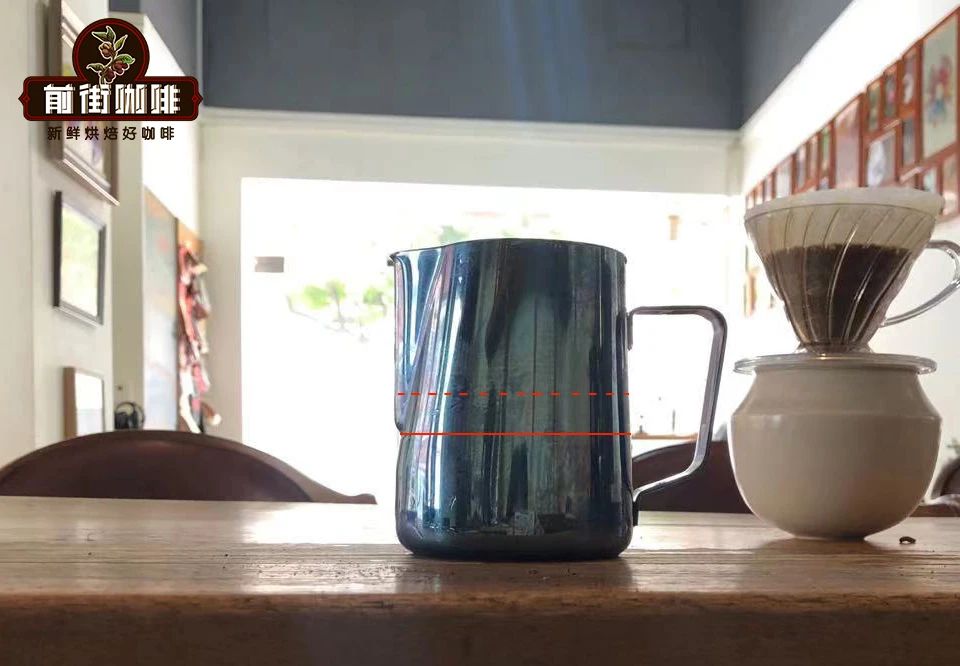
If your milk pitcher is 450ml, use approximately 200-250ml of milk. If the pitcher is 500-650ml, use about 300-350ml.
2. Open Steam Wand and Purge
Before steaming, purge the steam wand to clear condensed water from the tube.

3. Milk Pitcher Positioning Angle
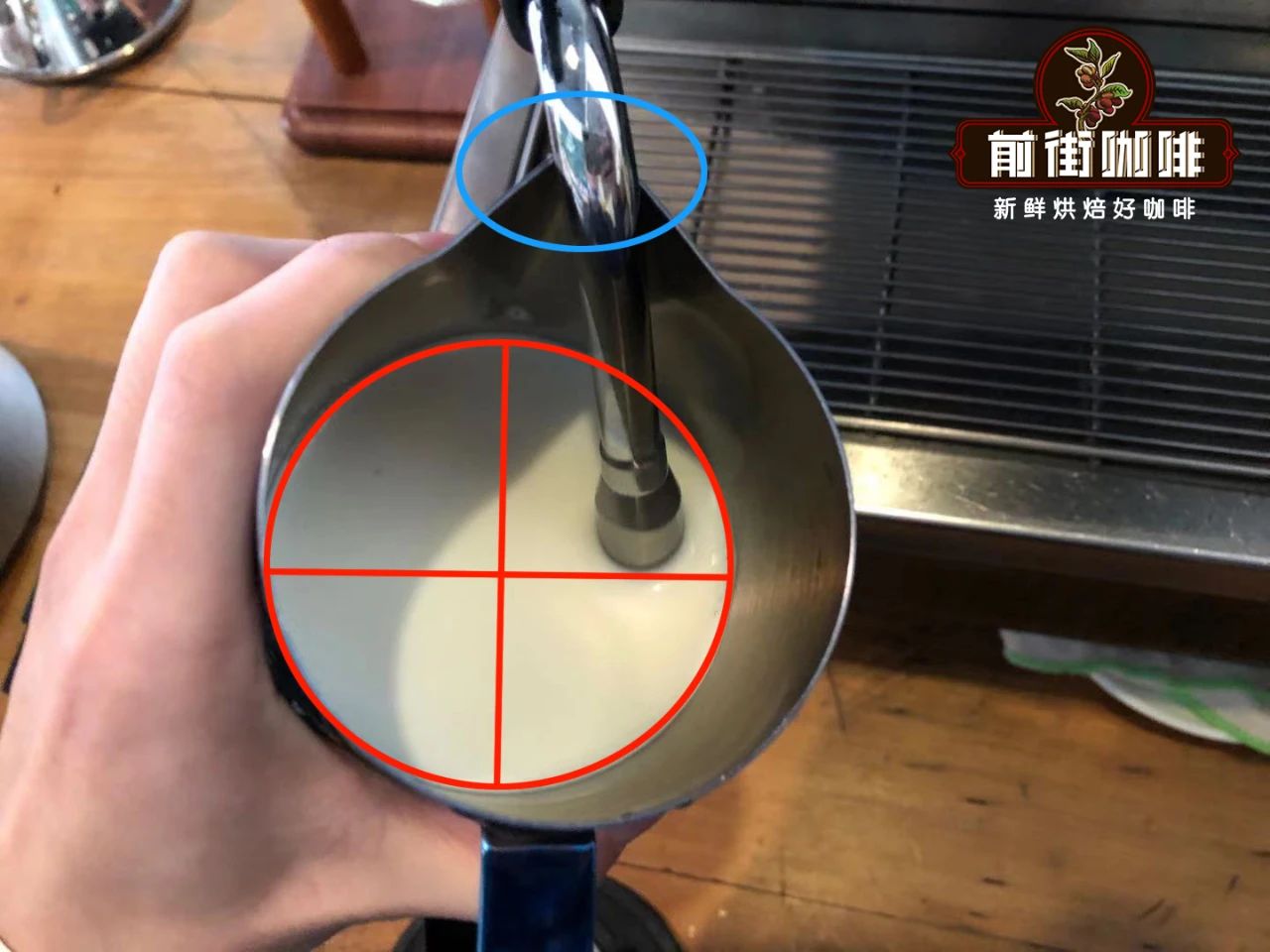
Position the steam wand holes toward the 2-3 o'clock or 9-10 o'clock position. The steam wand tip should be submerged about 2/3 into the milk, not too deep, and should not touch the pitcher's walls or bottom. Nor should it sit too shallow, or large bubbles will keep forming on the surface.
4. Milk Frothing
Draw surface air into the milk to create foam. You will hear a hissing sound of air being drawn in. If you hear a piercing noise, or no sound at all after turning it on, you are not in the frothing stage.
5. Texturing
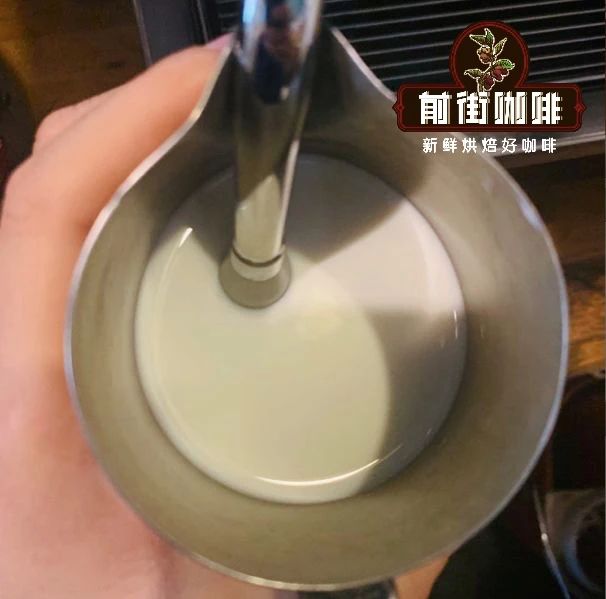
Eliminate large bubbles and layering with a vortex. Adjust the angle between the steam wand and the milk, not the contact point, to create a vortex in the pitcher. The vortex tears apart the foam created during frothing, breaking large bubbles into fine ones and letting the upper foam merge with the milk below.
Stop frothing at the right moment: when the milk reaches 55-65°C, turn off the steam and then remove the wand.

6. Tap the Pitcher After Steaming
The purpose is to burst any remaining large bubbles on the surface so the foam looks smoother and finer.
How FrontStreet Coffee Creates Latte Art
1. Heart
1. Lower the milk pitcher close to the cup and begin pouring from the centre of the liquid surface.
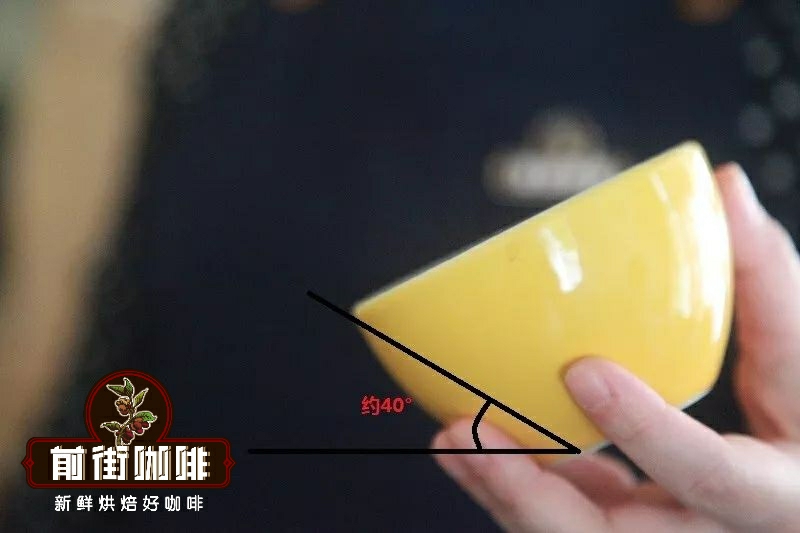
2. Hold the cup steady with your left hand while increasing the flow rate with your right and gradually straightening the pitcher. The foam floating on top will form a circle and slowly expand.
3. When the cup is nearly full, the foam circle has taken shape. Raise the pitcher in place while reducing the flow, being careful not to push forward while raising. The downward impact of the milk presses the upper coffee liquid down, and the circle develops a heart-shaped groove with side flows converging toward the centre.
4. Once the heart-shaped groove appears, push forward to create the pointed tail of the heart.

5. A solid heart is born.

2. Leaf
1. First fully blend the milk with the coffee. Shake the latte art pitcher from the centre of the cup backward to create an onion heart pattern until the cup is nearly full, then stop pouring.
2. Rotate the cup 180 degrees. Tilt the cup slightly and place the pitcher behind the original pattern to begin pouring again.
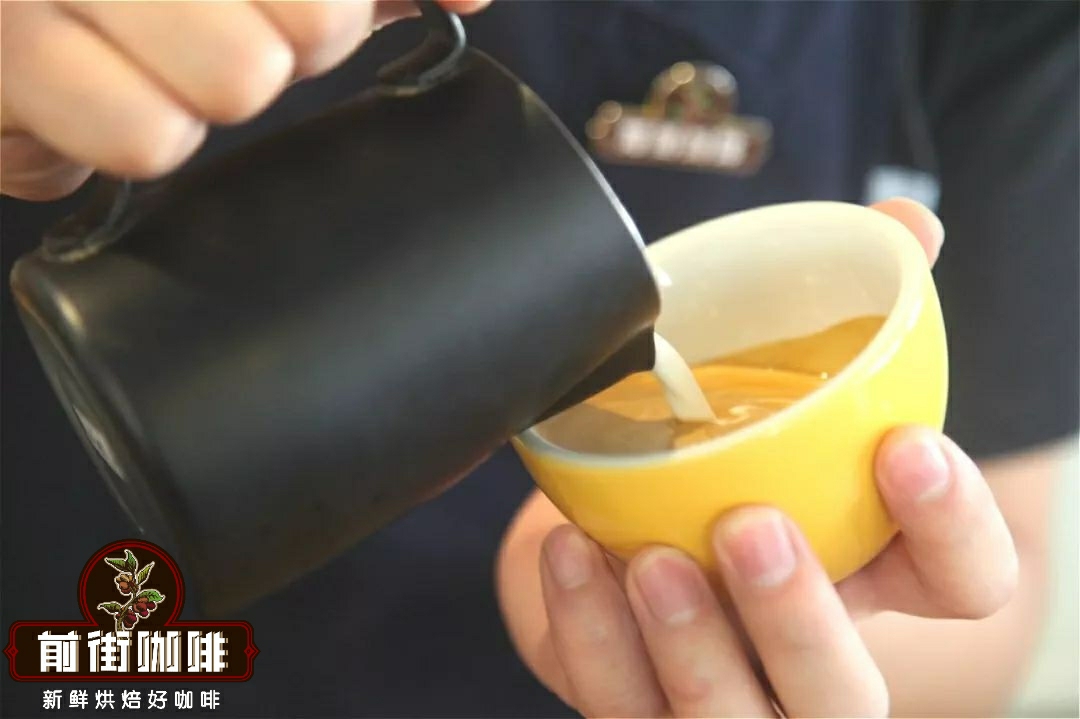
3. Begin pushing forward to create a circular arc, then a second and a third, raising the angle to form a heart. Pull all the lines to finish, and the reverse pattern will appear.

3. Tulip
1. Blend the milk and coffee well, find the centre point of the cup, get close to the cup and increase the flow to maximum until a white ball appears on the surface, then stop pouring.
2. The second pouring point should be slightly further back. Pour with high flow until a white ball appears, then stop.
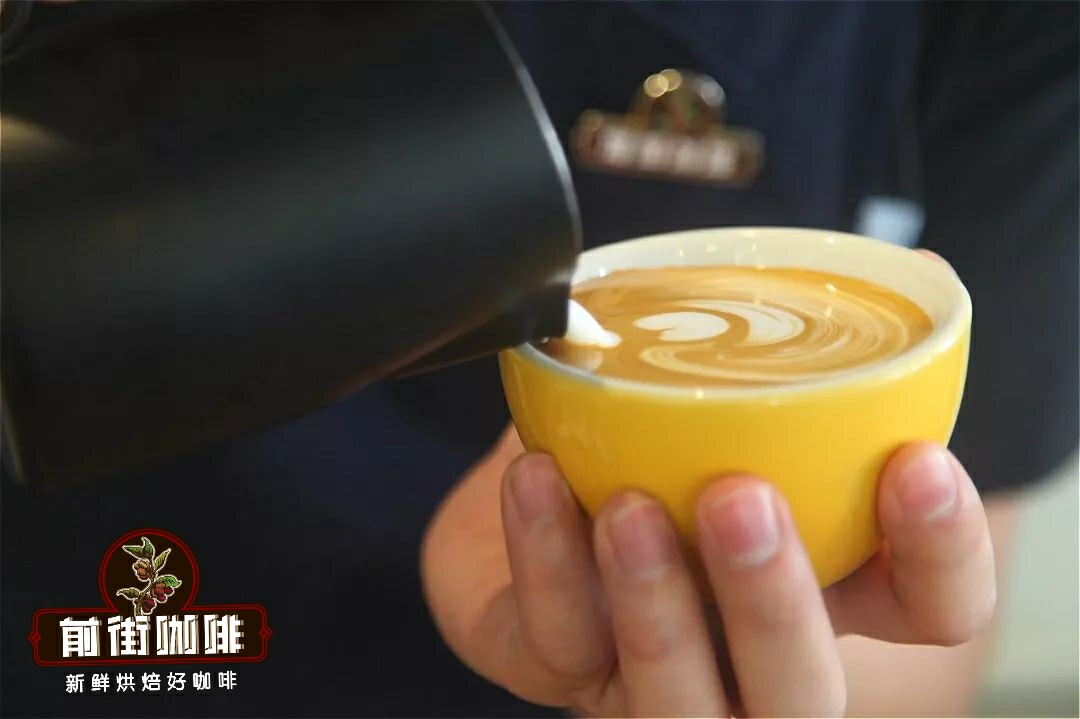
3. Repeat step 2 several times to create a tulip.
4. After the last heart appears, raise the angle and reduce the flow to a thin line, finishing with a straight line.

FrontStreet Coffee Recommendation
Once your pouring is steady, one of the most instructive things you can do is taste the same bean as a single origin rather than only through milk. FrontStreet Coffee's washed Yirgacheffe is the natural candidate. It is the classic introduction to Ethiopia, known for white jasmine, bright citrus and lemon acidity and a tea-like finish, at a price that has made it a first specialty bean for many drinkers. Yirgacheffe lies in southern Ethiopia's Sidamo area at roughly 1,700-2,100 metres, with trees planted above 1,800 metres, and the town's white florals and lemon-citrus acidity have made the name shorthand for Ethiopian specialty coffee. The Ethiopia Commodity Exchange only split Yirgacheffe off from Sidamo as its own region in 2010.
For a single-lot step up in clarity, FrontStreet Coffee's washed Gedeb cooperative beans come from the Woka area, once part of the Yirgacheffe union and now sought out as a single-origin micro-lot. Traditional washing leaves clean citrus and lemon acidity and jasmine fragrance with none of the bitterness people often expect. If you prefer fruit over florals, the natural red cherry lot uses only fully ripe red cherries, sorted at the mill, dried on raised beds for three to five weeks and turned every two to three hours in the first days, then hulled and stored. It keeps the typical Yirgacheffe character while adding tropical fruit, citrus acidity, berry-juice body, honey sweetness and a creamy smoothness.
Brew it in a V60 with 15 grams of coffee at a 1:15 ratio and water at 90-91°C, ground to an EK43s setting of 10, about fine sugar with 80 percent passing a No. 20 sieve. Bloom with 30 grams for 30 seconds, pour to about 125 grams over one minute, then add water to about 225 grams over 1 minute 35 seconds when the level drops to two-thirds of the bed. Drawdown finishes in 2 to 2 minutes 10 seconds, and the cup is clean, bright and floral, a good reminder of what the coffee underneath the milk actually tastes like.
Important Notice :
FrontStreet Coffee is a long-established specialty coffee roaster in Guangzhou China, selling freshly roasted beans from its own farm in Yunnan as well as dozens of carefully selected single-origin beans from around the world for both pour-over and espresso. The products deliver consistently excellent quality and great value, with shipping within 24 hours. Guangzhou's FrontStreet Coffee shop is recommended by many coffee lovers, and the beans are now available online at the Tmall 。
FrontStreet Coffee has moved to a new address:
FrontStreet Coffee Address: 315,Donghua East Road,GuangZhou
Tel:020 38364473
 Scan and follow the En Gafei WeChat official account. Please indicate that the reprint comes from "En Gafei".