What is the Optimal Bean Aging Period for Freshly Roasted Coffee Beans for Pour-Over and Espresso?
"Coffee beans need to rest! They don't taste good in the first few days after roasting!" You've surely heard coffee enthusiasts debating the topic of bean resting. Coffee isn't wine, so why does it need to sit before it tastes good? In this article, FrontStreet Coffee explains why resting freshly roasted coffee beans matters so much.
What is Coffee Bean Resting?
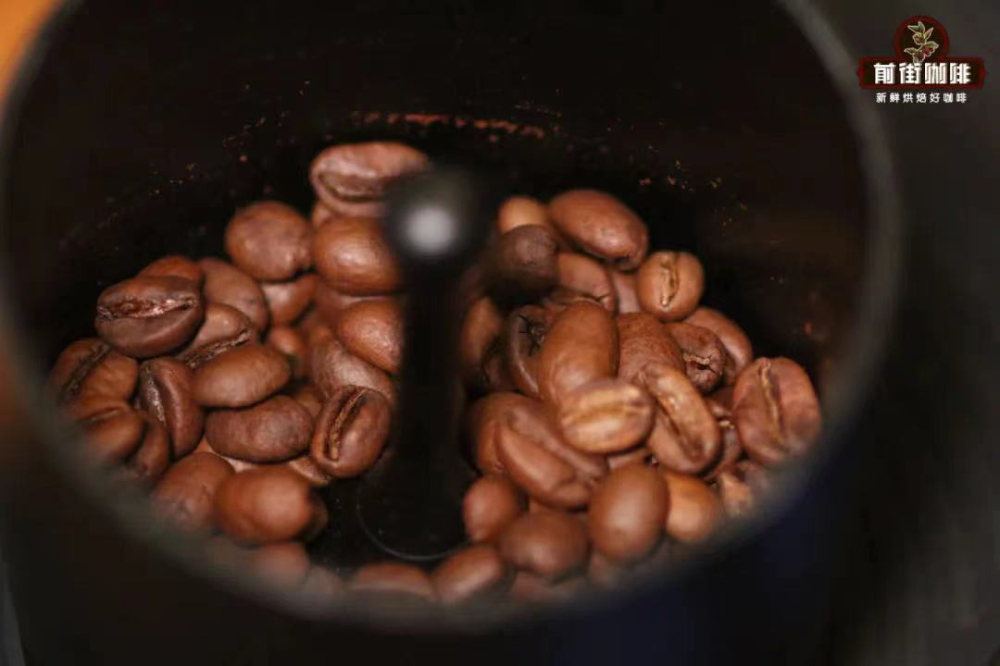
During roasting, coffee beans generate a large amount of carbon dioxide, much of which is reabsorbed into the beans as they leave the roaster—accounting for about 2% of the bean's weight. If beans carry too much CO2, they produce a flood of bubbles the moment they meet water during extraction, disturbing the water channels through the coffee bed and destabilizing extraction, which ultimately has a major impact on flavor and mouthfeel.
Is Resting Necessary?
Most beans are not at their best immediately after roasting; they usually show a distinct dryness and smoky taste, with a sharper, more aggressive mouthfeel. That's why freshly roasted beans should rest in their original packaging, one-way valve intact, in a dry, cool place for 3–7 days, letting them vent some carbon dioxide and carry that smoky dryness away with it.

Coffee Bean Resting Time
How long to rest depends on the roast date and the roast degree. FrontStreet Coffee ships all beans within 5 days of roasting. When your beans arrive, check the roast date on the back label of the bag and start counting the resting period from that date.
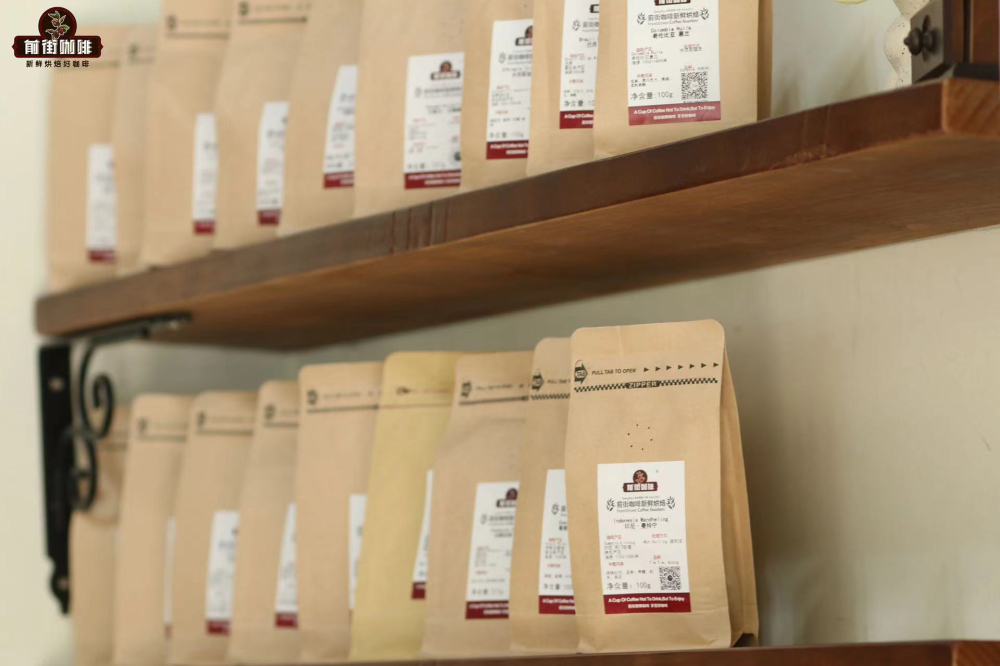
FrontStreet Coffee currently sells beans in three roast degrees, each with its own recommendation: medium-light roasts should rest for 3–4 days, medium roasts for 4–5 days, and medium-dark roasts for 6–7 days.
Properly rested beans extract more stably and taste fuller and cleaner. In winter, when room temperature is low, extend the resting period by another 2–3 days.
How to Judge if Coffee Beans Are Properly Rested?
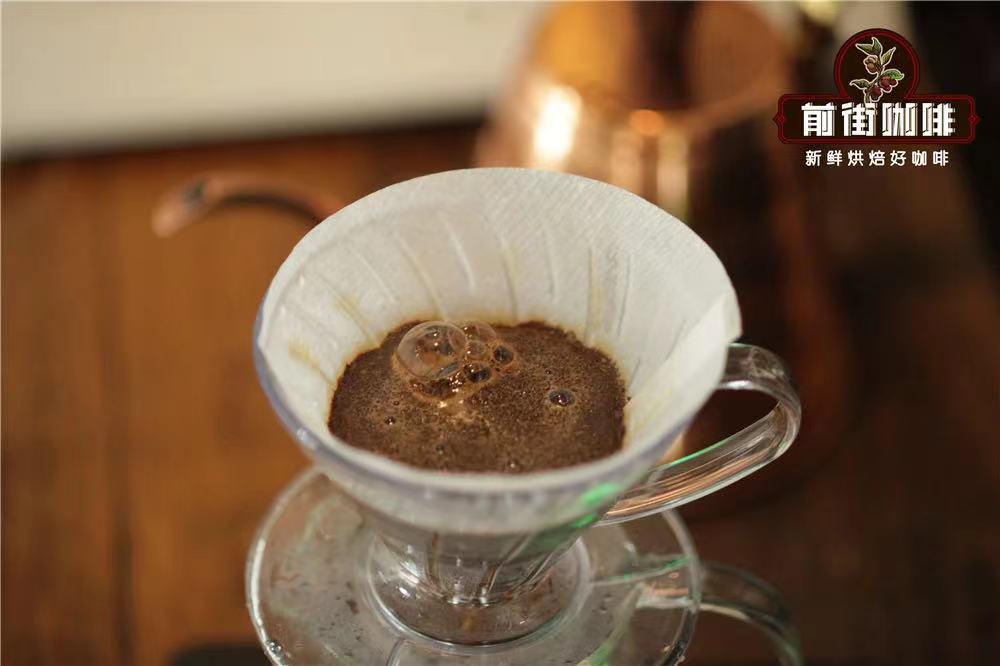
Pour-over offers a very intuitive test. From FrontStreet Coffee's daily brewing observations: if the beans still hold a lot of carbon dioxide, large bubbles will keep surfacing even after a 30-second bloom that evenly wets the bed—give the beans another 1–2 days of rest.
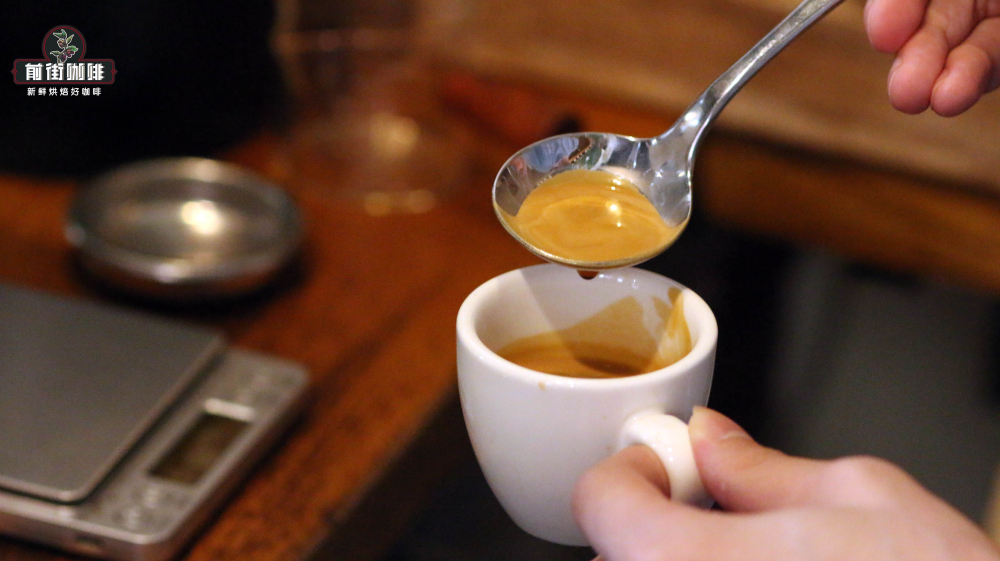
For espresso, watch the crema once extraction finishes. If the crema is excessive and the surface too thick, and the cup tastes smoky or drying, the beans still carry a lot of CO2—rest them another 2–3 days and try again.
FrontStreet Coffee Recommendation
Once your beans have rested, the dripper you choose shapes what you taste. If you're new to pour-over and ask an experienced friend for a practical, easy-to-handle dripper, the answer will almost certainly be the Hario V60. Hario was founded in Tokyo in 1921 as a maker of laboratory heatproof glassware, and the V60—redesigned in 2004 and named for its 60° cone and V-shaped profile—reached the market a year later. The cone funnels water through the center, extending coffee-water contact for fuller extraction, while its single large outlet lets flow rate depend entirely on the brewer's control.
The V60's fast extraction suits the light-roast, floral-fruit coffees of the third wave. FrontStreet Coffee's Yirgacheffe Guodingding—bright citrus, berry, and floral notes with a green-tea-like sweetness—is a gentle first step for newcomers, while the Ethiopian Huakui shows off tropical fruit aromas of strawberry, passion fruit, jackfruit, and lychee, with obvious sweetness, almost no bitterness, and a juicy smoothness that earns it the description "the coffee that tastes least like coffee." For an ultimate experience, the Panama Esmeralda Red Label Geisha offers elegant jasmine, citrus, bergamot, and black-tea nuance, clean and transparent with a long, layered finish.
If your palate leans toward the mellow, full-bodied side—or toward espresso, which needs well-rested beans to tame its crema—FrontStreet Coffee's PWN Indonesian Golden Mandheling delivers low acidity, herbal and dark chocolate aromas, and rich layers, and its authenticity is easy to verify through the PWN sacks and certificates shown with the product. Brazil's Queen Estate is another dependable daily choice: low acidity, deep nut and cocoa aromas with caramel sweetness, smooth and never astringent, excellent in pour-over, espresso, or moka pot, and outstanding crema performance at a friendly price. Both reward the 4–7 day rest described above, emerging fuller, cleaner, and more stable in the cup.
Important Notice :
FrontStreet Coffee is a long-established specialty coffee roaster in Guangzhou China, selling freshly roasted beans from its own farm in Yunnan as well as dozens of carefully selected single-origin beans from around the world for both pour-over and espresso. The products deliver consistently excellent quality and great value, with shipping within 24 hours. Guangzhou's FrontStreet Coffee shop is recommended by many coffee lovers, and the beans are now available online at the Tmall 。
FrontStreet Coffee has moved to a new address:
FrontStreet Coffee Address: 315,Donghua East Road,GuangZhou
Tel:020 38364473
 Scan and follow the En Gafei WeChat official account. Please indicate that the reprint comes from "En Gafei".