Flavor Characteristics and Differences of the Three Main Coffee Varieties - Major Producing Countries Introduction
There are three major native coffee varieties: Arabica, Robusta and Liberica. Arabica ranks first in production, accounting for approximately 75% of the world's coffee total, with subvarieties such as Bourbon and Typica. Robusta accounts for about 20% of world production. Liberica accounts for only 2% and is primarily cultivated in the Asia-Pacific region.
Arabica
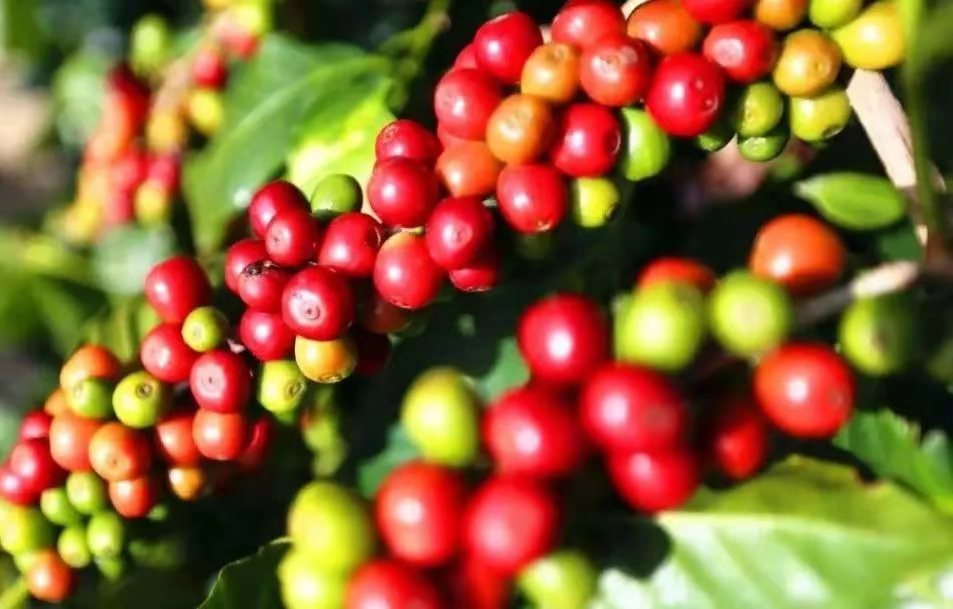
Arabica, also known as small-grained coffee, originates from Ethiopia. It was the first coffee variety discovered and is considered the highest quality among coffee varieties. Today it is the world's primary coffee variety, cultivated in countries across Central and South America, Africa and Asia. Arabica has many subvarieties, all descended from mutations after Ethiopia's oldest Typica and Yemen's Bourbon were transplanted to Central and South America or Asia; they are too numerous to list. Specialty coffee, however, mainly refers to high-altitude Arabica cultivated with care, and there are not too many varieties in that category.
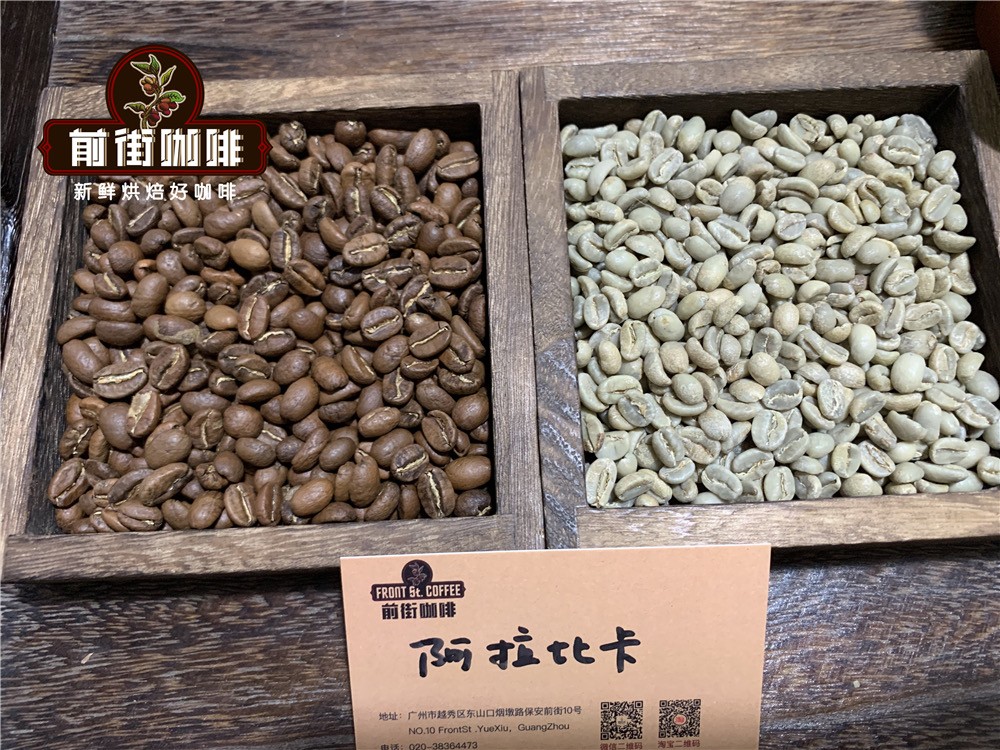
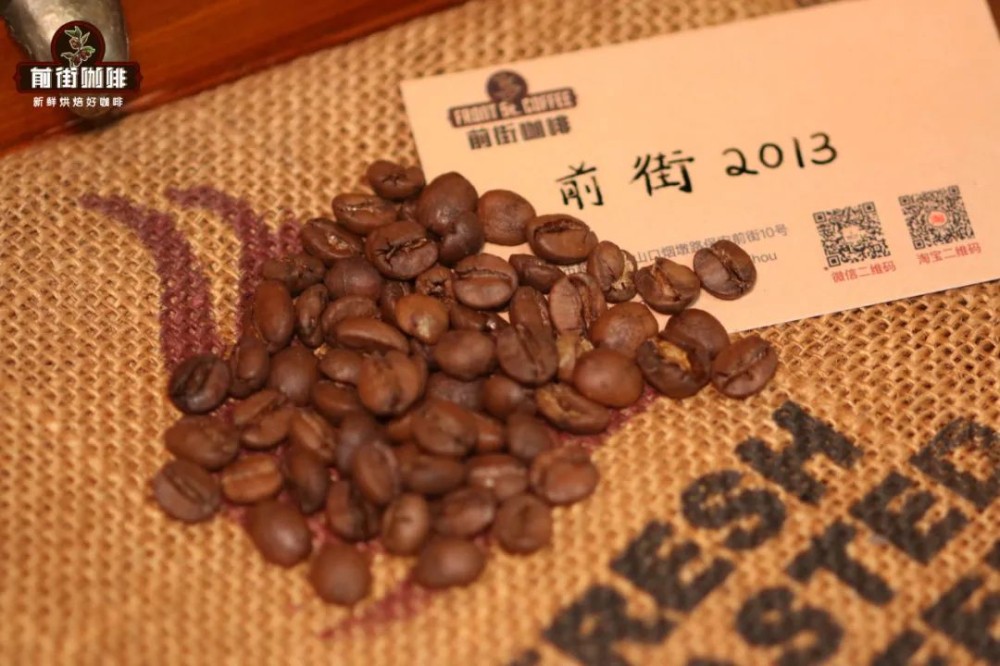
Arabica is mainly produced in Brazil and Colombia in South America, various countries in Central America, Costa Rica in the Caribbean, Guatemala, Jamaica, Mexico and Ethiopia. Familiar coffees such as FrontStreet Coffee's Brazil Santos, Sumatra Mandheling, Yemen Mocha, Jamaica Blue Mountain and FrontStreet Coffee's 2013 Natural Typica all belong to high-quality Arabica.
Arabica typically grows between 2.5 and 4.5 meters. It tolerates low temperatures but cannot withstand frost, has weak drought resistance, and features larger beans, a clean flavor, a mellow taste and low caffeine content. The suitable growing temperature is 15-24°C; it requires high humidity with annual rainfall of no less than 1500ml, and it makes higher demands on cultivation technique.
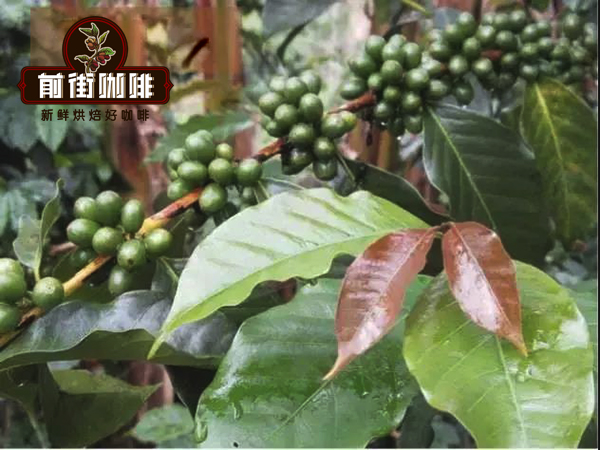
The Arabica tree is a larger shrub with oval, dark green leaves. Its fruit is also oval and typically contains two slightly flattened beans. The front shows a long oval shape with a narrow, curved S-shaped crack in the middle, while the back has a relatively flat arc. Caffeine content is approximately 0.8%-1.5%. In appearance the bean is smaller, with a long oval front, a narrow, winding central crack, a relatively flat arc on the back, consistent size and uniform glossy color.
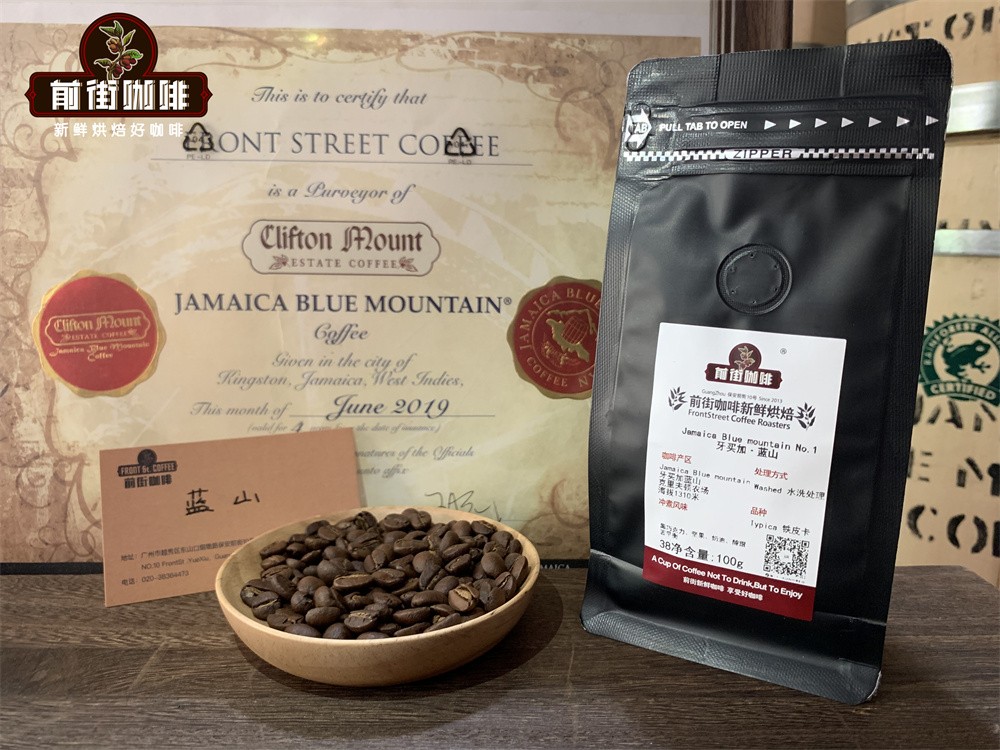
Arabica also has many subvarieties, all descended from mutations after Ethiopia's oldest Typica and Yemen's Bourbon were transplanted to Central and South America or Asia. In the third wave of specialty coffee, specialty coffee is evaluated on four aspects: variety, altitude, processing method and cupping score. Among these, coffee bean varieties are mainly Arabica.
The excellent flavor and aroma of Arabica make it the only one of the native varieties that can be consumed directly and on its own. Coffees such as FrontStreet Coffee's Jamaica Blue Mountain, Indonesian Mandheling, Ethiopian Yirgacheffe and Brazilian coffee all belong to single origins. Arabica does, however, have weak resistance to drought, frost and pests, and is particularly vulnerable to coffee's greatest enemy, leaf rust disease. Producing countries are therefore all committed to improving varieties.
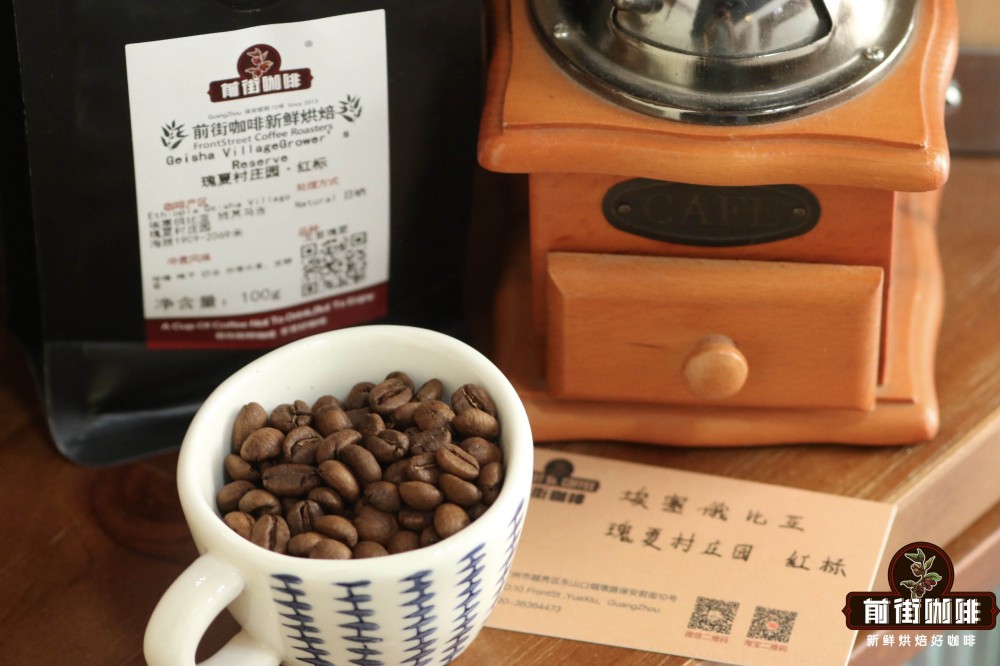
Arabica grown in different regions, at different altitudes and in different climates has its own characteristics and distinctly different personality. Unroasted, it smells like fresh grass. After proper roasting it reveals a fruity aroma at light to medium roast and a caramel flavor at dark roast. It is suitable as a single origin and in blends, and can be brewed by various methods.
Of course, the now-popular SOE, or Single Origin Espresso, is made from single-origin specialty coffee.
Typica
Typica is Ethiopia's oldest native variety. Its top leaves are bronze-colored and its beans are oval or slender and pointed. It has an elegant flavor but is physically weak, with poor disease resistance and low yield. FrontStreet Coffee's Jamaica Blue Mountain No. 1, Sumatra Lintong Mandheling and Hawaiian Kona all belong to the Typica variety.
Bourbon
Bourbon is a variant of early Typica after it was transplanted to Yemen, with the bean shape changing from slender and pointed to round. In 1715, after France transplanted round Yemen Mocha beans to Bourbon Island off the east coast of Africa, renamed Reunion Island after the French Revolution, the variety was named Bourbon. The round Bourbon beans were passed successively to Brazil and to Central and South America in 1727. In 1732 Britain also transplanted Yemen Mocha to St. Helena Island, where Napoleon was later imprisoned, and those were round Bourbon beans as well. Bourbon is the perennial champion in American specialty coffee cupping.
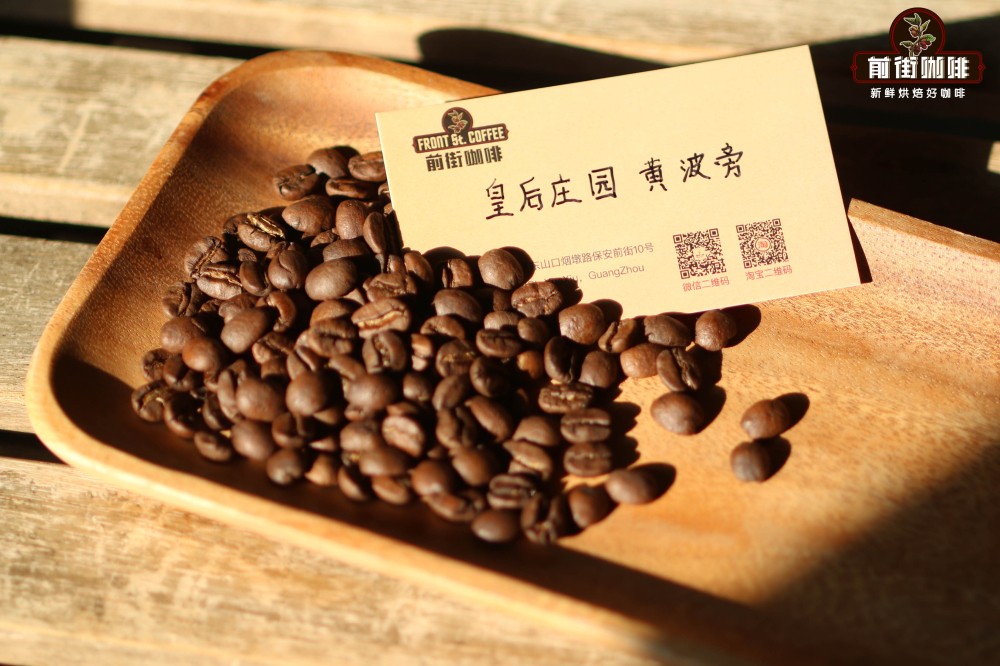
Bourbon beans are divided into Red Bourbon, Yellow Bourbon and Pink Bourbon by their ripe color. Among them Red Bourbon is the most common, and when people refer to Bourbon they generally mean Red Bourbon. Red Bourbon typically has a better aroma and brighter acidity, even a fermented mellowness similar to red wine. The FrontStreet Coffee Brazil Cerrado beans in FrontStreet Coffee's daily brew series are Red Bourbon.
Robusta
Robusta, also known as medium-grained coffee, originates from the Congo in Africa. Robusta trees are mostly cultivated in lowlands at altitudes of 200-800 meters and prefer warm climates with temperatures of 24-29°C. Their rainfall requirements are not high. This variety relies on insects or wind for pollination, so the time from pollination to fruiting is 9-11 months, relatively longer than Arabica.
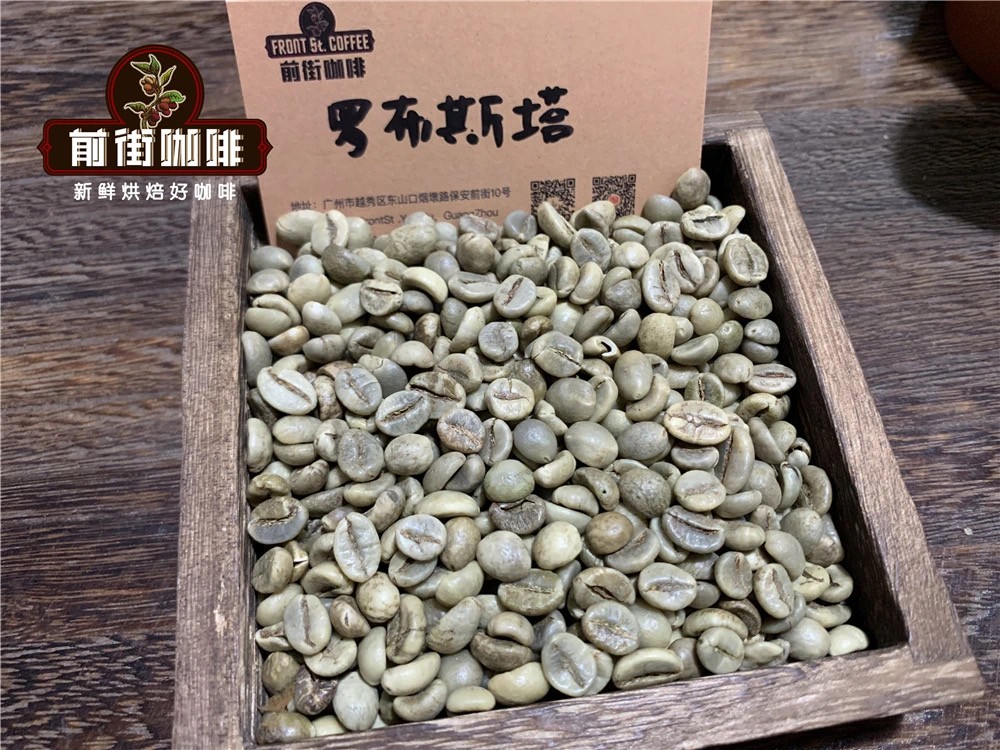
The Robusta tree is between a shrub and a tall tree, with longer, bright green leaves. It can reach up to 10 meters in height, though its roots are very shallow. The fruit is fuller than Arabica, with the central line cracking vertically. Seen from the side it is usually flat or raised in the middle, feeling harder than Arabica beans, like small stones. Robusta accounts for approximately 20%-30% of world production.
In appearance it is larger, with the front gradually becoming round and the back convex, and straight cracks. Robusta originates in central and western Africa and Madagascar in eastern Africa, as well as Indonesia in Asia. Its taste is more bitter and astringent than Arabica, with higher caffeine content and significantly inferior quality, so it is mostly used to make instant coffee. Since its main producing region is in Africa, most Africans drink Robusta.

The higher the caffeine content, the less rich the coffee flavor. Robusta has higher caffeine, amino acid and chlorogenic acid content. Chlorogenic acid is the source of bitterness, so Robusta naturally lacks Arabica's unique elegant aroma. Through cupping Robusta, FrontStreet Coffee found that its flavor is more mellow with a lower body than Arabica, showing flavors of walnuts, peanuts, hazelnuts, wheat and grains, and even pungent earthy and rubber notes.
Although Robusta is not as good as Arabica, as a very important variety in the coffee world it has made indelible contributions in the commercial sphere. Its value is not to serve as a negative example that highlights how superior Arabica is; it holds an unshakable position in espresso blends. Italian blends add a small amount of Robusta to increase body, creating an Espresso with richer crema.

When an Espresso blend meets milk, it presents a rich and full-bodied texture. Milk coffee becomes more intense and mellow because Robusta and Arabica complement each other, with Robusta compensating for Arabica's body.
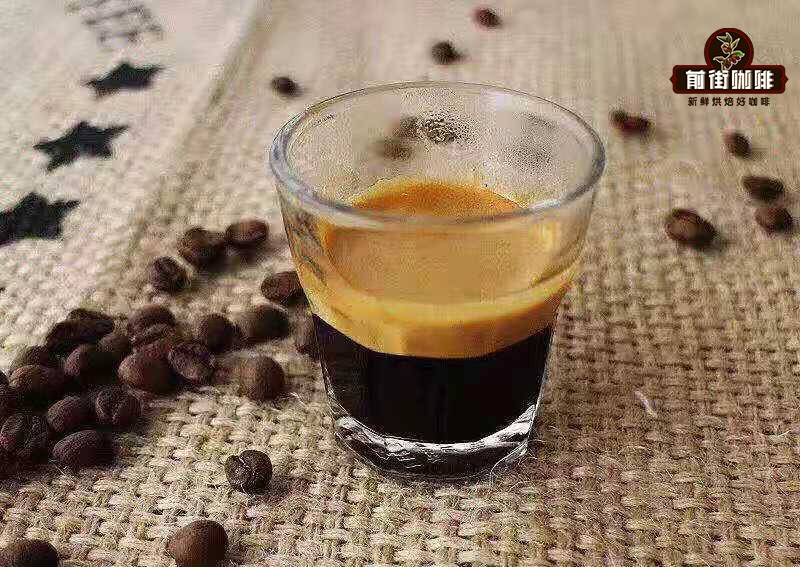
Robusta is mainly used in espresso blends to add body and obtain rich crema. Although its flavor cannot compare with Arabica, it has its own value. FrontStreet Coffee's commercial espresso blend, for example, contains 10% Robusta, and the resulting espresso has more and thicker crema than a specialty blend, suitable for daily drink preparation in coffee shops.
Liberica
The Liberica variety may be less familiar. Liberica, also known as large-grained coffee, originates from Liberia in Africa and a few other countries including Malaysia. Its cultivation history is slightly shorter than the other two varieties. Liberica trees suit lowland planting. Their trunks are tall and strong, reaching 18 meters in height, with large, tough leaves and large fruit and beans. Its seed coat adheres tightly to the kernel and turns vermilion when ripe.
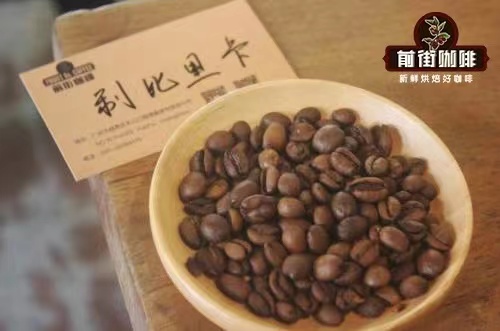
It has a strong flavor, moderate caffeine content, strong irritant properties and poor quality. Because of its unique taste, low demand and small cultivation area, its production is also small, accounting for less than 5% of world coffee production.
Liberica originally grew in the low-altitude forests of Liberia on the West African coast, and its name comes from that place of origin. Liberica trees are much taller than Arabica or Robusta, reaching 6-20 meters. The fruit is also larger than the other two varieties, which is why Liberica is also known as the large-fruited variety. Its flavor is famous for intense woody and smoky notes. Liberica, Arabica and Canephora, or Robusta, are collectively known as the three major coffee varieties in the commercial market. Liberica accounts for 2% of world consumption, appearing insignificant beside Arabica at about 75% and Robusta at about 20%.

Liberica, also known as large-grained coffee, has extremely strong vitality but at the same time weak flavor and weak leaf rust resistance. Its cultivation volume is less than 1% and it has essentially withdrawn from the commercial market, preserved only for scientific research.
Among all coffee varieties, Liberica has the lowest caffeine content. Robusta has the highest, containing 2.26 grams of caffeine per 100 grams of beans. Arabica follows with 1.61 grams per 100 grams, and Liberica contains only 1.23 grams per 100 grams. Although Liberica's caffeine content is lower than Arabica and Robusta, its flavor is less friendly. Its main notes are the richness of nuts and dark chocolate and a smoky aroma. It has intense, strong flavors, even earthy and woody notes. Compared with Arabica's cheerful, pleasant flavors, Liberica appears heavier and more melancholic.
FrontStreet Coffee Brewing Suggestions:
The above is an introduction to the three original coffee varieties. Whatever kind of coffee you brew, FrontStreet Coffee has always believed that the freshness of the beans greatly affects flavor. The beans shipped by FrontStreet Coffee are therefore all roasted within 5 days. FrontStreet Coffee's roasting philosophy is "Freshly Roasted Good Coffee," ensuring that every customer who places an order receives the freshest coffee on arrival. The resting period is about 4-7 days, so when customers receive their coffee it is at its peak flavor.

For friends who need ground coffee, FrontStreet Coffee reminds you that if the beans are ground in advance there is no need for further resting, because during transport the pressure of carbon dioxide in the package also helps the flavor become mellow, so the coffee can be brewed immediately on arrival. Ground coffee should be brewed promptly, however, because it oxidizes relatively quickly once exposed to air, meaning the flavor dissipates faster and the cup is less good. FrontStreet Coffee therefore suggests buying whole beans and grinding them fresh before brewing to better appreciate the flavor.
FrontStreet Coffee Recommendation
For a hands-on example of how variety shapes flavor, FrontStreet Coffee's Mandheling range is the best illustration. Mandheling is one of the rare Arabica varieties grown in Indonesia, and it is processed by the region's unique wet-hulled method, which gives it the low acidity, thick body and mellow, herbal aroma that Arabica does not usually show in this form. FrontStreet Coffee's Lindong Mandheling, from the Lintong area near Lake Toba, is the daily drinking bean, while PWN Golden Mandheling, from the Gayo Mountain area of Aceh at 1100-1600 meters, is sorted to 18 screen or larger with fewer than 3 defects in a 300g sample and hand-selected three times plus machine-selected once for a cleaner, sweeter cup.
Both are medium-dark roasted, which is how the classic Mandheling profile is best expressed. FrontStreet Coffee brews them with a Kono dripper at 87-88°C, 15g of coffee, a 1:15 ratio and a medium-fine grind of about 70% through a No. 20 sieve. Bloom with 30g of water for 30 seconds, pour in a small circular stream to 125g, then continue to 225g and stop, for an extraction time of about 2'00". The cup is rich and full-bodied with caramel sweetness and chocolate and nut flavors.
If you prefer to start with a lighter, fruitier expression of Arabica, FrontStreet Coffee's washed Yirgacheffe daily coffee is the classic entry point, with white jasmine, bright citrus and lemon acidity and a tea-like body, while FrontStreet Coffee's Yunnan daily coffee and 2013 Natural Typica show the balanced, nut-and-chocolate side of the world's Arabica range.
Important Notice :
FrontStreet Coffee is a long-established specialty coffee roaster in Guangzhou China, selling freshly roasted beans from its own farm in Yunnan as well as dozens of carefully selected single-origin beans from around the world for both pour-over and espresso. The products deliver consistently excellent quality and great value, with shipping within 24 hours. Guangzhou's FrontStreet Coffee shop is recommended by many coffee lovers, and the beans are now available online at the Tmall 。
FrontStreet Coffee has moved to a new address:
FrontStreet Coffee Address: 315,Donghua East Road,GuangZhou
Tel:020 38364473
 Scan and follow the En Gafei WeChat official account. Please indicate that the reprint comes from "En Gafei".