Balanced Acidity in Brazilian Coffee Beans: Characteristics and Story - Three-Tier Classification System for Brazilian Coffee

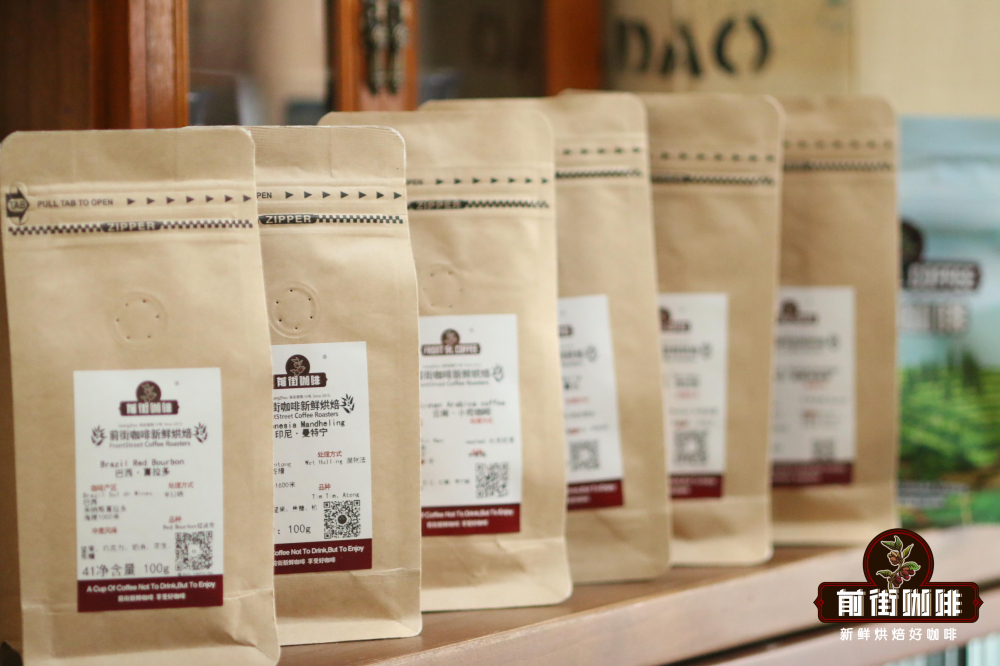
FrontStreet Coffee Brazilian Cerrado Daily Blend Coffee Beans
Region: Brazilian Cerrado Region
Altitude: 1000m
Variety: Red Bourbon
Processing: Semi-Washed Process
Flavor: Nuts, Chocolate, Cream, Peanut, Caramel
Brazilian Coffee Grading System
When we buy coffee beans, we can see related grade markings on the packaging, such as SHB, G1, AA. Different countries have their own strict grading systems and standards. Today, FrontStreet Coffee will introduce Brazilian coffee, which uses three grading methods.
Located in the tropics, Brazil's main economic crops include coffee, sugarcane, and citrus, all ranking first in world production. Its total annual coffee production accounts for about one-third of the global total. According to 2021 statistics, Brazil still leads the coffee industry with 37.4% of global production. With such a large base and production spanning 14 states, a single classification standard would leave coffee quality inconsistent. Multiple dimensions are therefore needed for grading.
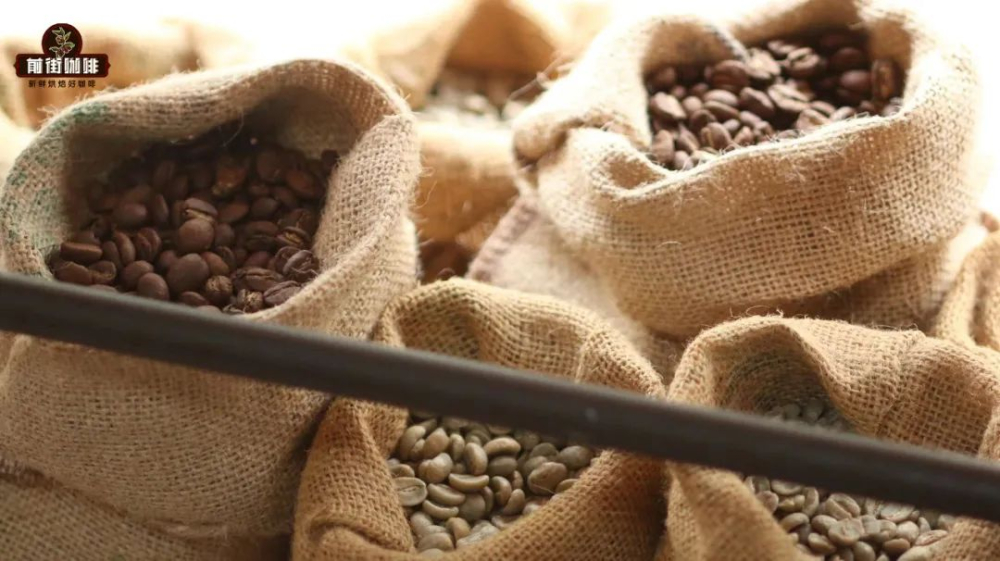
Local inspection agencies extract 300-gram samples of green beans and evaluate them through three stages: defect count, size specifications, and cupping flavor after roasting. This is a grading system unique to Brazil, setting it apart from other producing countries.
Brazilian coffee green bean bags are generally marked with relevant grade information: country + defect grade + cupping taste + size + flavor + region. For example, Brazil NY.2 SC – 17/18 FC Cerrado refers to coffee from the Brazilian Cerrado region, sized 17-18 screen, where SC represents Strictly Soft (very smooth taste), FC represents Fine Cup (excellent cupping flavor), and the defect grade is NY.2.

Defect Grading Method
NY.2 refers to the New York grading standard, classified according to the number of defective beans as NY2, NY2/3, NY3, NY3/4, and so on. The smaller the number, the lower the defect rate and the higher the grade. Batches scoring below 4 points belong to NY2, the highest grade. Since NY.1 refers to batches with no defective beans at all, and such selected batches cannot be supplied stably, Brazil has set NY.2 as the highest grade.
| Grade | Defects (per 300g) |
|---|---|
| NY.2 | 6 |
| NY.2/3 | 9 |
| NY.3 | 13 |
| NY.3/4 | 21 |
| NY.4 | 30 |
| NY.4/5 | 45 |
| NY.5 | 60 |
| NY.5/6 | >60 |
Screen Grading
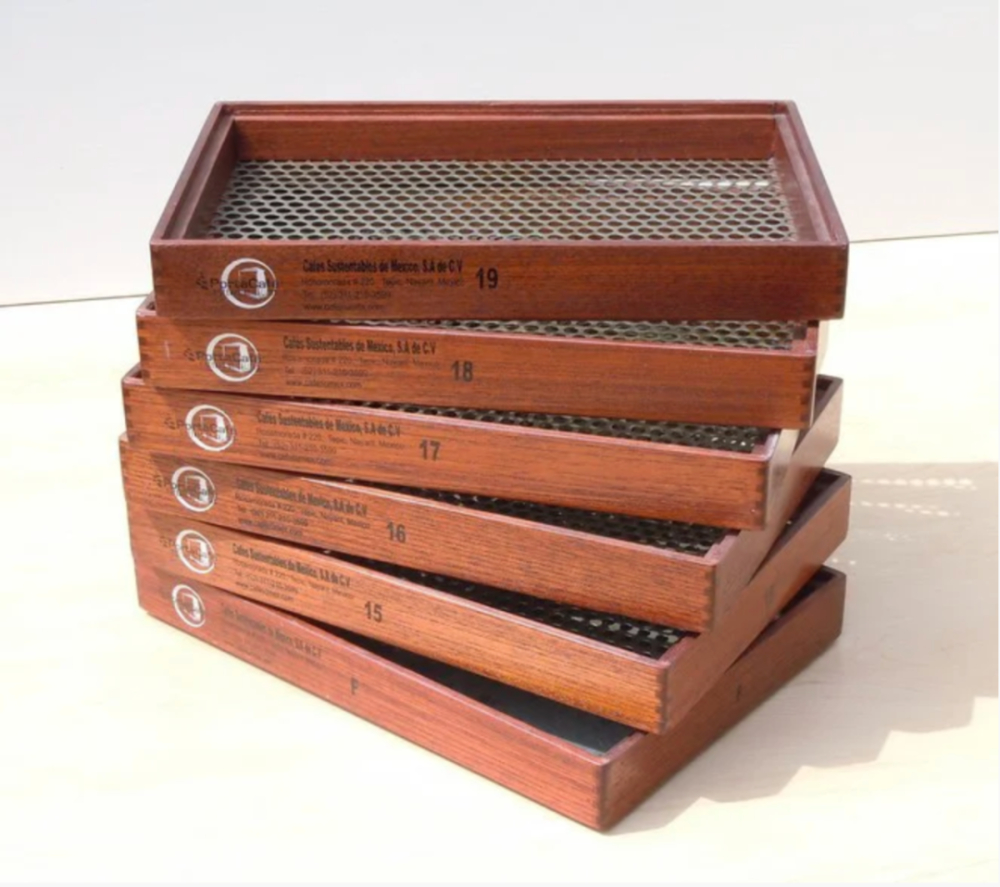
Screen grading classifies coffee beans by size. Green beans pass through screens with uniform-sized holes to determine their grade. The screen hole size unit is 1/64 inch (less than 0.4mm), so the screen number indicates how many 1/64 inches it contains. A 17-screen size, for example, is 17/64 inches, approximately 6.75mm. The larger the screen number, the larger the green coffee beans. Typically, exported Brazilian coffee beans are mostly 17-18 screen.
Cupping Grading
Cupping is the evaluation of coffee green beans after roasting, grinding, and steeping in hot water, to assess their aroma and flavor. FrontStreet Coffee conducts at least one cupping session before introducing any coffee bean, in order to evaluate its characteristics more objectively.
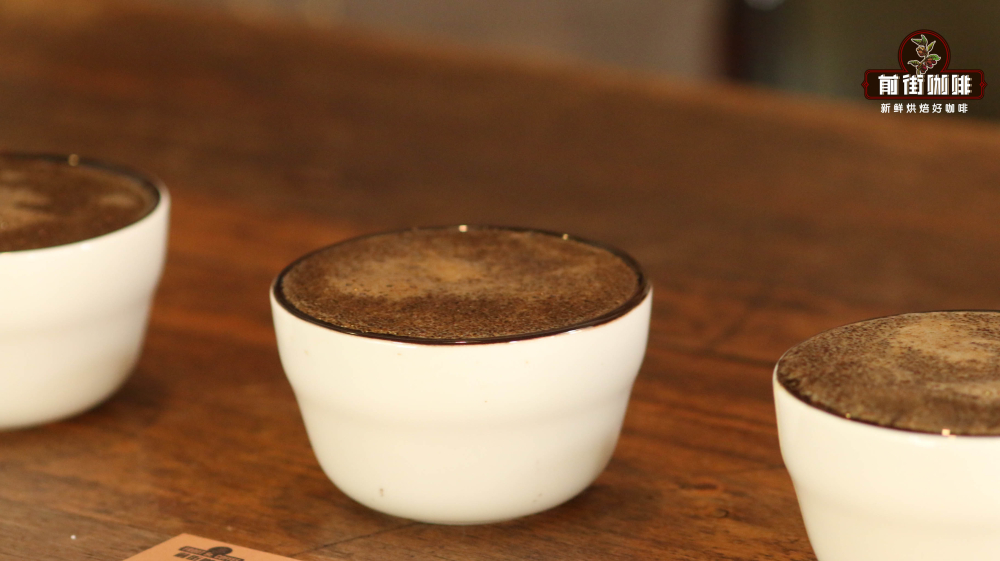
Most Brazilian coffee is grown on low-altitude flatlands using natural processing methods. The lack of microclimate, combined with batch harvesting and processing, results in coffee with low acidity, rich body, and nutty, chocolate flavor profiles. Brazil therefore does not emphasize the richness of coffee's fruit acidity; it distinguishes whether the coffee is smooth, using flavor and taste as the main evaluation criteria.
In terms of taste, there are six different descriptions. The first three grades can be collectively called "mild," where the coffee's sweet and sour flavors are balanced and the taste is mild. The latter three grades have slightly inferior taste, especially the last two, which are the worst. The iodine taste appears because the soil near Rio de Janeiro has a strong iodine content, and coffee beans that fall to the ground during harvesting absorb this soil odor.
| Grade | Cupping Taste | Description |
|---|---|---|
| Grade 1 | Strictly Soft | Extremely Smooth |
| Grade 2 | Soft | Smooth |
| Grade 3 | Softish | Slightly Smooth |
| Grade 4 | Hard | Slightly Harsh |
| Grade 5 | Hardish | Harsh |
| Grade 6 | Rio/Rioy | Iodine taste, smells like soil with pesticide |
Flavor is also divided into six grades, with the best being Fine Cup (FC), which has the best flavor and highest quality, followed by Good Cup (GC). Premium coffee batches will also include additional traceability information such as processing method, farm, and altitude.
| Grade | Cupping Taste |
|---|---|
| Grade 1 | Fine Cup (FC) |
| Grade 2 | Fine |
| Grade 3 | Good Cup (GC) |
| Grade 4 | Fair Cup |
| Grade 5 | Poor Cup (PC) |
| Grade 6 | Bad Cup (BC) |
So Brazil NY.2 SC – 17/18 FC Cerrado means: Country Brazil, Defect Grade 2, Screen Size 17-18, Fine Cup quality, from the Cerrado region. This is also the Brazilian component bean in FrontStreet Coffee's three espresso blends.
Recommended Brazilian Specialty Coffee Beans
FrontStreet Coffee Brazil Queen Farm Yellow Bourbon Coffee Beans
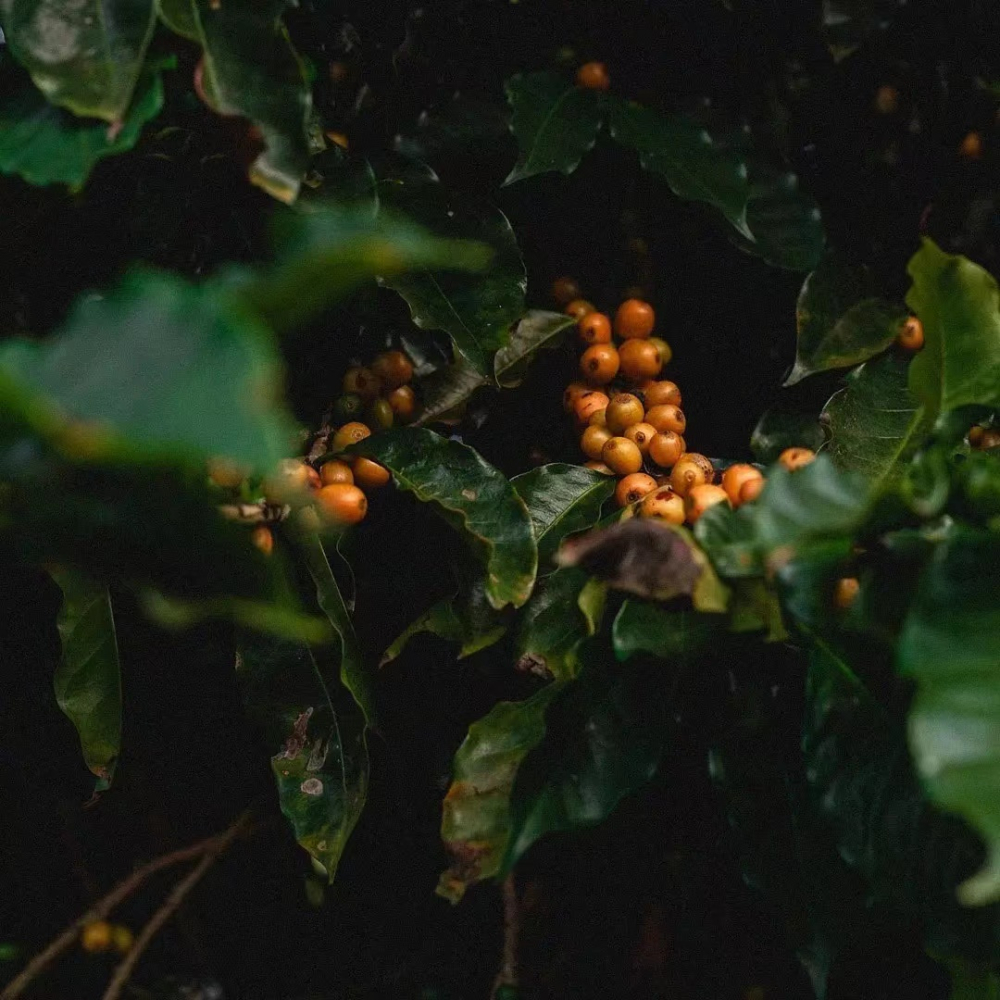
This Brazilian single origin selected by FrontStreet Coffee comes from the rare Yellow Bourbon variety. After roasting, Yellow Bourbon coffee displays cream and peanut aromas with sugarcane sweetness. Common Bourbon cherries appear bright red when ripe, while Yellow Bourbon turns yellow during maturity. The "yellow" of Yellow Bourbon comes from color genetic selection. Yellow Bourbon grown at high altitudes contains high levels of fructose, presenting sweet and juicy flavors. It once dominated Brazil's "Cup of Excellence" competition for two consecutive years, taking almost all top three awards and becoming popular across the specialty coffee industry.
Region: Brazil Mogiana Region
Farm: Queen Farm
Altitude: 1400-1950m
Variety: Yellow Bourbon
Processing: Natural Process
Flavor: Dark Chocolate, Cream, Peanut, Sugarcane, Nuts
FrontStreet Coffee Brazilian Cerrado Daily Blend Coffee
FrontStreet Coffee's initial intention in launching the Daily Blend series was to help coffee enthusiasts who want to explore specialty coffee understand classic regional flavors more quickly. To present the unique flavor characteristics of each region, FrontStreet Coffee has selected multiple representative regions, covering various coffee varieties, and adopted appropriate roasting levels to showcase their regional character, such as the chocolate richness of Brazilian Bourbon coffee, the jasmine floral notes of Ethiopian washed Yirgacheffe, and the herbal spice notes of Indonesian Mandheling.

FrontStreet Coffee also hopes everyone will have a better brewing experience and enjoy these characteristics. FrontStreet Coffee ships only coffee beans roasted fresh within 5 days, ensuring they are still in their optimal flavor window when received.
FrontStreet Coffee Recommendation
Brazil's grading system rewards consistency and sweetness, and FrontStreet Coffee's Brazilian range shows both. The Brazilian Cerrado Daily Blend is a semi-washed Red Bourbon grown at 1,000 meters, medium roasted for nuts, chocolate, cream, peanut, and caramel with a rounded, low-acid body that works in a pour-over, moka pot, or espresso machine.
For a step up, the Brazil Queen Farm Yellow Bourbon, grown at 1,400-1,950 meters in Mogiana, adds dark chocolate, cream, peanut, sugarcane, and nut notes with the juicy sweetness the variety is known for. Both are excellent everyday coffees and dependable components in an espresso blend.
Important Notice :
FrontStreet Coffee is a long-established specialty coffee roaster in Guangzhou China, selling freshly roasted beans from its own farm in Yunnan as well as dozens of carefully selected single-origin beans from around the world for both pour-over and espresso. The products deliver consistently excellent quality and great value, with shipping within 24 hours. Guangzhou's FrontStreet Coffee shop is recommended by many coffee lovers, and the beans are now available online at the Tmall 。
FrontStreet Coffee has moved to a new address:
FrontStreet Coffee Address: 315,Donghua East Road,GuangZhou
Tel:020 38364473
 Scan and follow the En Gafei WeChat official account. Please indicate that the reprint comes from "En Gafei".