A Comprehensive Guide to Sumatra Coffee Beans: Processing Methods, Estates, Growing Regions, Characteristics, Varieties, and Flavor Profiles
The Art of Coffee Roasting
Roasting is what coaxes a green coffee bean's hidden aromatics into the open. Every bean carries latent notes of fragrance, acidity, sweetness and bitterness; how fully those notes emerge depends on how precisely the roast is controlled. The journey from pale, grassy green bean to a mellow cup with a long finish runs through this one decisive step, the stage that shapes a coffee's character and releases its aroma.
A roast usually lasts 10 to 20 minutes at temperatures above 200°C, running shorter as the heat rises. Inside the drum the beans hold an intense conversation with the heat, undergoing countless chemical changes. They crack once, then a second time, much like popping popcorn, and steadily lose moisture. As the beans move from green through light, medium and dark roast, water is driven off, weight falls and volume slowly swells. Colour deepens, fragrant oils rise to the surface and the texture turns crisp. Green beans are rich in chlorogenic acid, which fades through the roast and gives way to the pleasant fruit acids familiar from wine, among them acetic, citric and malic acid. A well-judged roast presents those bright acids in balance rather than letting them dominate.
Roast Levels
Light Roast (Cinnamon Roast)
At the first light crack the beans swell and turn an appetising cinnamon colour. Acidity leads the profile at this stage, while body and mouthfeel have yet to develop. Roasts at this level are usually destined for canned coffee.
Medium Roast (City Roast)
Here the beans show an elegant brown. This level is also called city roast. A medium roast keeps the bean's original character while releasing its aroma in measured amounts, which is why single-origin coffees such as FrontStreet Coffee Jamaica Washed Blue Mountain, FrontStreet Coffee Colombia and FrontStreet Coffee Brazil Queen Estate are often roasted this way. Carried further, toward the end of the cycle around the 20-minute mark, the beans are seared to a glossy deep brown and oils begin to surface; this is full-city roast. At that point acidity, sweetness and bitterness reach their finest balance and the bean's personality is at its most sharply defined.
Coffee Processing Methods
Coffee is processed by washed, semi-washed or natural drying methods. Which one is used depends on the region, the climate and the variety, and each leaves its own signature on the cup.
Processing Steps
Depulping
The skin and most of the pulp are removed mechanically or by hand. Every processing method begins with depulping.
Fermentation
Fermentation loosens the mucilage and the thin film clinging to the bean. Because its length shapes flavour, each producer keeps to their own timing. The clearest divide between the semi-washed and washed methods is fermentation: semi-washed fermentation is very short or skipped altogether, as with FrontStreet Coffee Sumatra Mandheling. Coffees from Latin America and Africa are generally washed, while natural drying involves no fermentation at all.
Drying
Drying methods vary with origin and season. Drying outdoors can lend the beans an earthy, soil-like aroma.

FrontStreet Coffee Recommendation
Washed processing, described above, is also the road Jamaica Blue Mountain travels, and FrontStreet Coffee Jamaica Blue Mountain No. 1 is a rewarding place to taste what careful washing and a measured roast can achieve. The name is strictly protected: only coffee grown in the designated part of Jamaica's Blue Mountains and certified by the Jamaican authorities may carry it. The range rises to 2,256 metres, and the entire Blue Mountain region yields less than 2,500 tonnes a year, with Japan historically buying more than 70 percent of it.
FrontStreet Coffee's Blue Mountain No. 1 comes from Clifton Mount Estate, where coffee has been grown since around 1750, at an average elevation of 4,300 feet (1,310.64 metres). It is medium-dark roasted so the cup stays balanced rather than sharp: cream, caramel, chocolate, nuts and honey with a light fruit accent, a rounded entry, a sweet mid-palate and a clean, lingering finish.
For pour-over, FrontStreet Coffee suggests a ratio of 1:15 to 1:16, water at 85-88°C and a medium-coarse grind size, which draws out the creamy, caramel and nutty notes while keeping the soft acidity intact. If you prefer more weight in the cup, a moka pot works just as well: grind a little finer than for pour-over, start with hot water in the base, heat over a medium-low flame and lift the pot off the heat just before the flow finishes.
Important Notice :
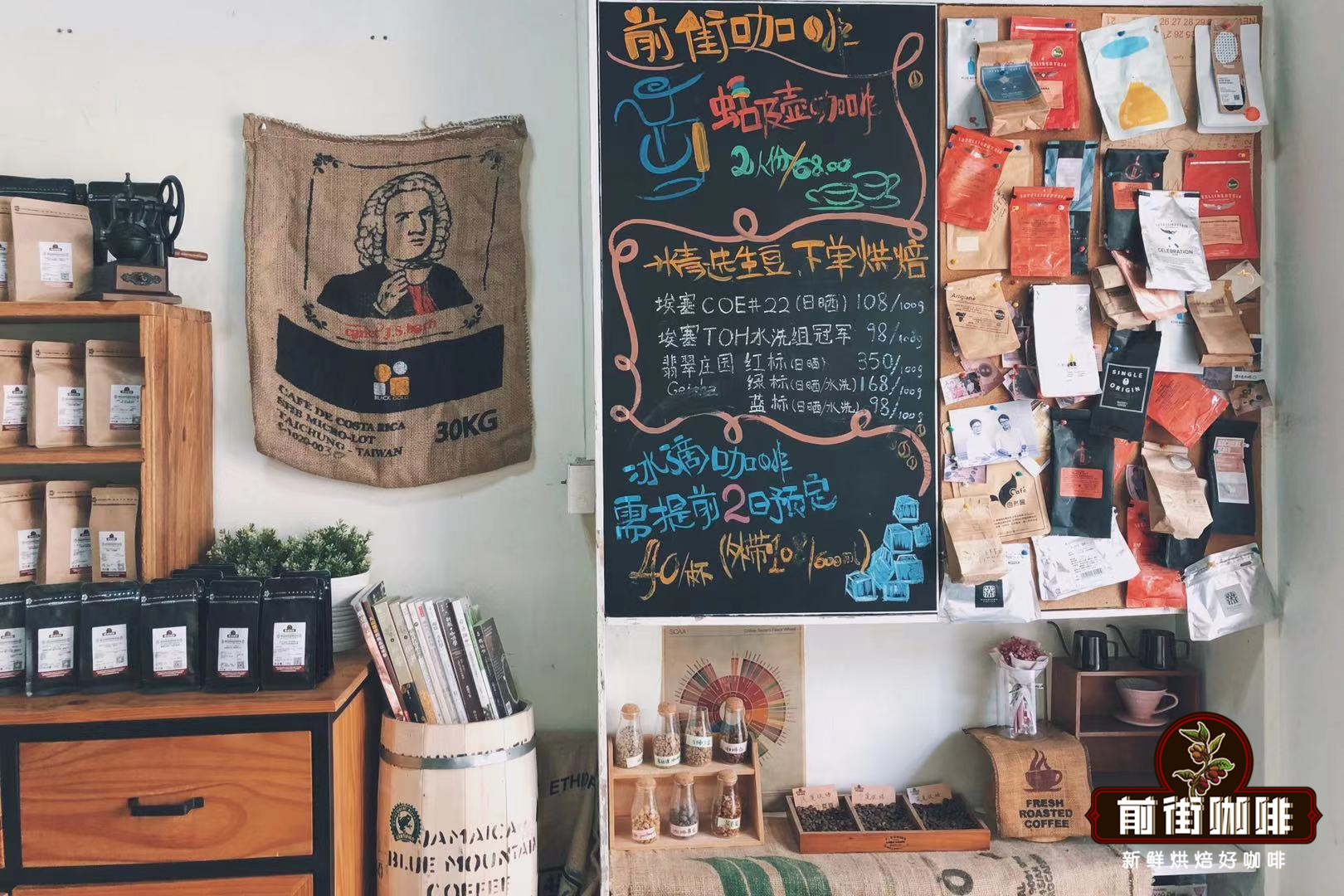
FrontStreet Coffee is a long-established specialty coffee roaster in Guangzhou China, selling freshly roasted beans from its own farm in Yunnan as well as dozens of carefully selected single-origin beans from around the world for both pour-over and espresso. The products deliver consistently excellent quality and great value, with shipping within 24 hours. Guangzhou's FrontStreet Coffee shop is recommended by many coffee lovers, and the beans are now available online at the Tmall 。
FrontStreet Coffee has moved to a new address:
FrontStreet Coffee Address: 315,Donghua East Road,GuangZhou
Tel:020 38364473
 Scan and follow the En Gafei WeChat official account. Please indicate that the reprint comes from "En Gafei".