Characteristics and Flavor Profile of Yunnan Small Bean Catim Coffee: Origin Stories and Rankings of China's Yunnan Coffee

Yunnan Coffee from China
Coffee is a demanding plant: it needs frost-free tropical and subtropical regions with abundant sunshine and rainfall. Today China's main cultivation areas are Yunnan and Hainan, and Yunnan's geography suits the coffee tree exceptionally well. Coffee drinking never took deep root in China historically, so the habit has only become popular in recent years — yet Yunnan's coffee-growing history reaches back to the last century.

In 1904, the French missionary Alfred Liard introduced and planted Yunnan's first coffee tree, opening the province's coffee history. Large-scale cultivation mainly began in 1952, when researchers from national and provincial agricultural institutes distributed 80kg of coffee seeds to farmers in Nujiangba, Baoshan, for trial planting — the start of serious commercial growing. Today the province can claim nearly 70 years of cultivation history.
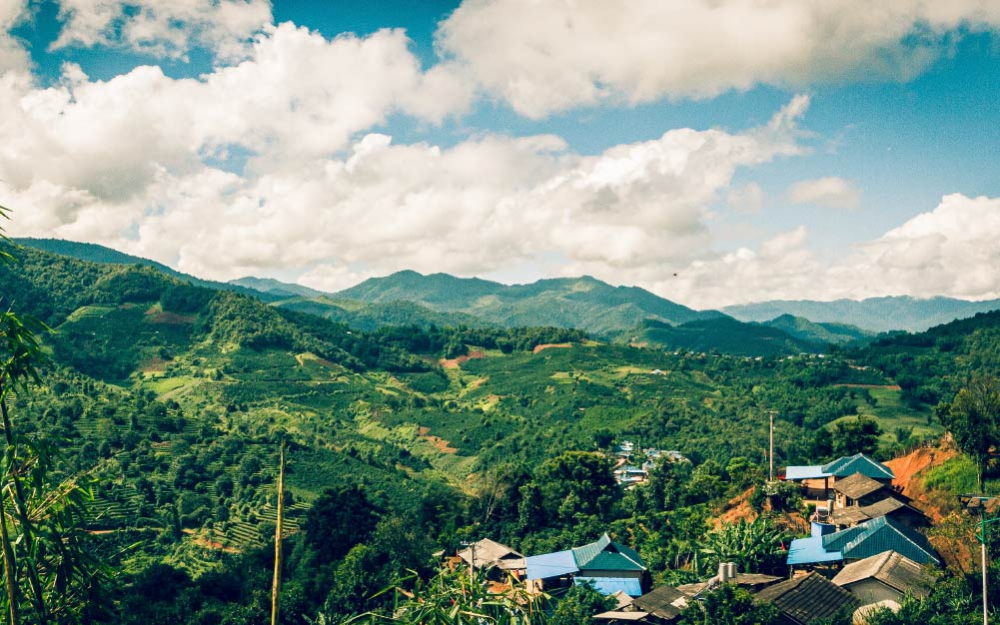
As the instant coffee market grew, Nestlé established a joint venture in China in 1988 to launch a coffee cultivation project and began experimental planting in Pu'er, Yunnan. Nestlé went on to set up agricultural departments that specifically guided farmers on improving varieties and cultivation, buying the entire output at prices pegged to the US spot market. That push helped Yunnan's coffee industry advance, and today the province dominates China's coffee production.
Coffee Growing Regions
Yunnan's coffee belt lies mainly in the southwest of the province: Baoshan, Pu'er, Dehong, Lincang, and Xishuangbanna.
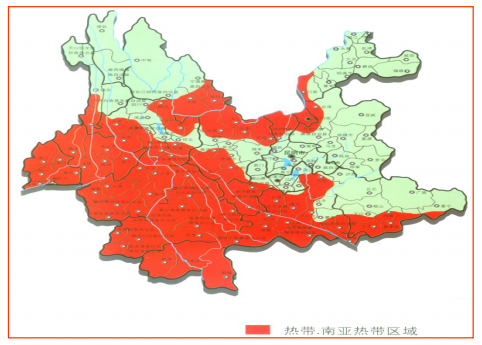
Pu'er, Yunnan's largest coffee base, offers distinctive terroir: nutrient-rich red soil, plentiful water, and broad, gently sloping sunlit hillsides. Combined with a subtropical mountainous humid monsoon climate — low latitude, monsoon-driven, highland — it produces wide day-night temperature swings, warm winters, and cool summers, all favorable to coffee. Among Yunnan coffees, the most famous is Pu'er city's "Simao small-bean coffee," also marketed as "Pu'er Coffee."
"Rich but not bitter, fragrant but not strong, with a mellow aroma; rich in oil, with lively fruit acidity and a persistent sweet aftertaste — a superior grade of coffee." That is how domestic and international experts described Baoshan small-bean coffee after cupping. Baoshan's Nujiangba has Yunnan's unique dry-hot valley climate, with an average annual temperature of 21.3°C and frost-free mountains — ideal for Arabica.

Lincang, named for its position beside the Lancang River, lies in southwestern Yunnan on the border with Myanmar. The terrain is complex, with elevations above 1,000 meters and an average annual temperature of 17.3°C. There are no four distinct seasons — only dry and rainy ones, with the rains arriving each June and lasting 3-4 months. The wide day-night temperature difference suits high-altitude tropical crops like coffee perfectly. FrontStreet Coffee also runs its own estate in Lincang, growing the elegant Typica variety — the origin of FrontStreet Coffee's 2013 lot.
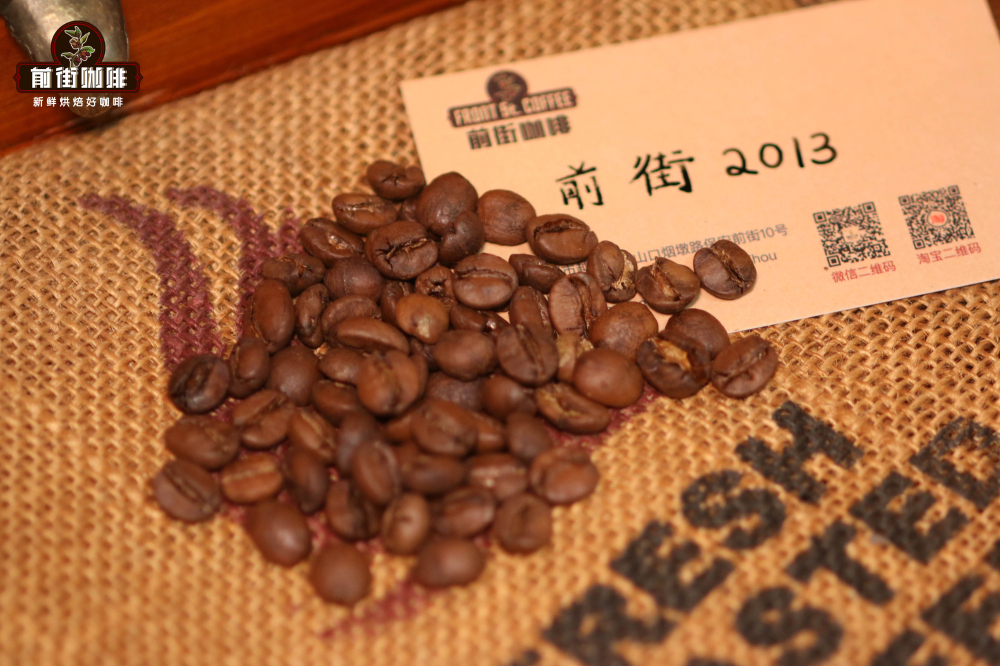
FrontStreet Coffee: FrontStreet 2013 Coffee Beans
Region: Lincang, Yunnan
Estate: FrontStreet Coffee Estate
Altitude: 1,300 meters
Variety: Typica
Processing: Natural
Flavor: Dried apricot, plum acidity, brown sugar
Yunnan Small-Bean Catimor Coffee
Strictly speaking, "Yunnan small-bean coffee" is simply Arabica — named for bearing the smallest seeds among the three original coffee species. In the industry's early days, mainly Typica and Bourbon were grown. Because Typica resists disease poorly and yields little, Yunnan began introducing Catimor, which now dominates the province's coffee acreage.
Catimor is a hybrid of Timor and Caturra, developed and released by Portugal in 1959. Having inherited Robusta genes, it tolerates coffee berry disease and leaf rust well, yields heavily, ripens fast, and can be planted densely — everything a coffee farmer could want.
Grown at altitudes above 1,200 meters, Catimor once cupped clearly below varieties like Caturra, Bourbon, and Typica. But as cultivation management and green bean processing have improved in Yunnan, premium Catimor lots now perform well on the international market. Their nutty, black-tea aromas and plum-like sweet-sour notes are winning over a growing public.

FrontStreet Coffee: Yunnan Small-Bean Coffee Beans
Region: Baoshan, China
Altitude: 1,200 meters
Processing: Washed
Variety: Catimor
Flavor: Nuts, melon and fruit aroma, brown sugar, plum acidity
As Yunnan coffee keeps improving, expectations for Yunnan specialty coffee keep rising. FrontStreet Coffee believes beginners should start with the region's basic flavors: its daily-drinker series covers 7 different beans from various countries and regions, sold at entry-level prices so newcomers can taste each region's character before choosing more specialized coffees to match their palate.
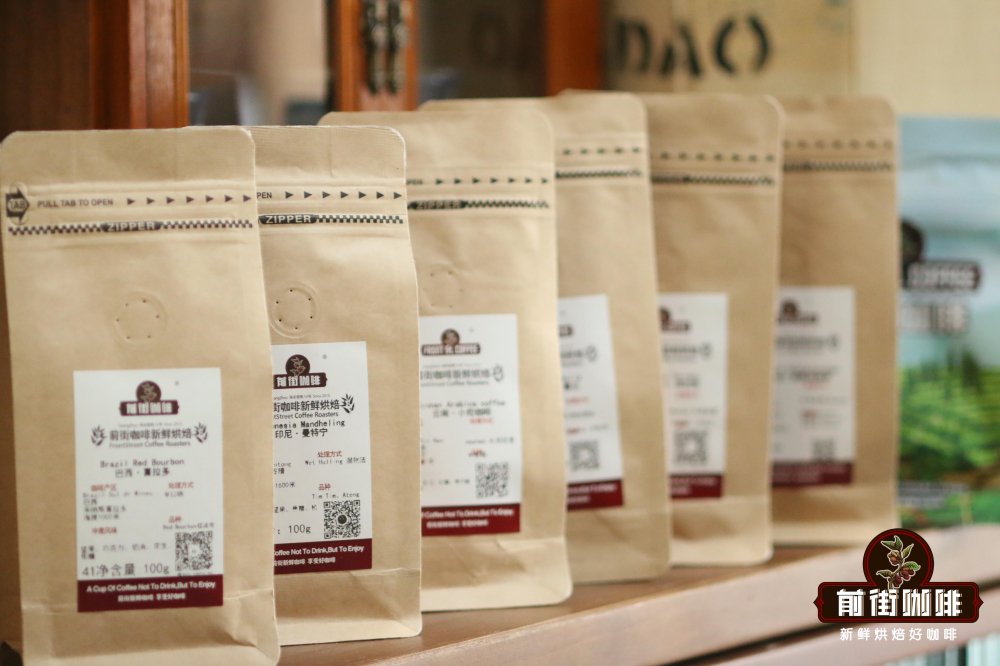
Brewing Flavor
When choosing beans, FrontStreet Coffee recommends freshly roasted coffee: the flavor notes on the packaging come from cupping freshly roasted samples, and once the roasting date slips past the optimal drinking window, that aroma is very hard to recover. FrontStreet Coffee's beans are all roasted within 5 days of shipping, so they can be brewed the moment they arrive.
FrontStreet Coffee believes Yunnan small-bean coffee should taste balanced — neither overly acidic nor heavily bitter. So we brew it with a V60, a medium-fine grind, and water that is not too hot.
Dripper: V60
Water Temperature: 90°C
Grind Size: 80% pass-through rate on a #20 standard sieve
Coffee-to-Water Ratio: 1:15
Coffee Dose: 15 grams
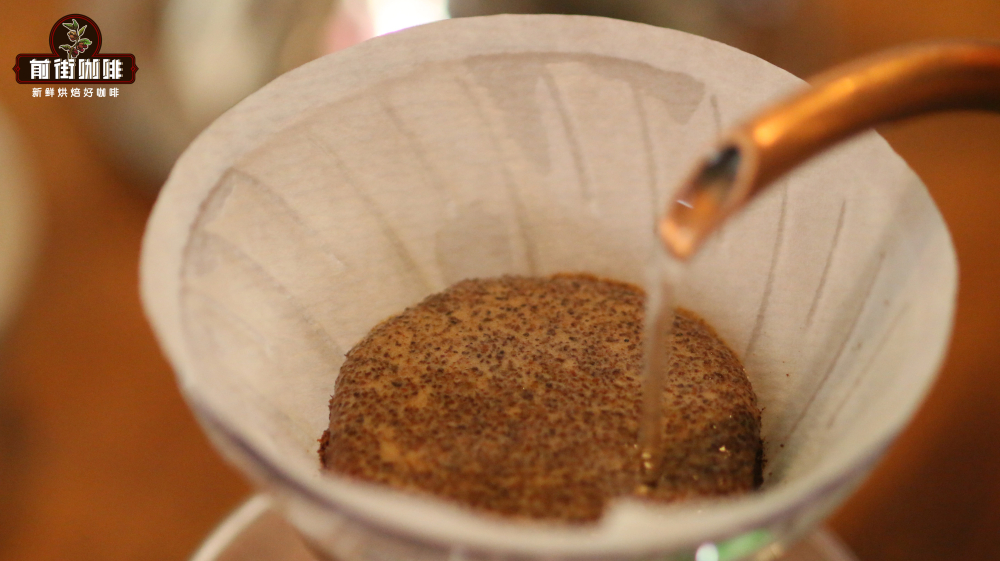
Use a three-stage extraction. Add the grounds to the filter paper and start with 30g of water from the center for a 30-second bloom. Keep the flow small and steady throughout, circling from the inside out. For the second stage pour 95g of water; once the coffee has nearly finished draining, begin the third stage with 100g, then let it filter through completely before removing the dripper. Total time is about 2 minutes, with roughly 10 seconds of margin.
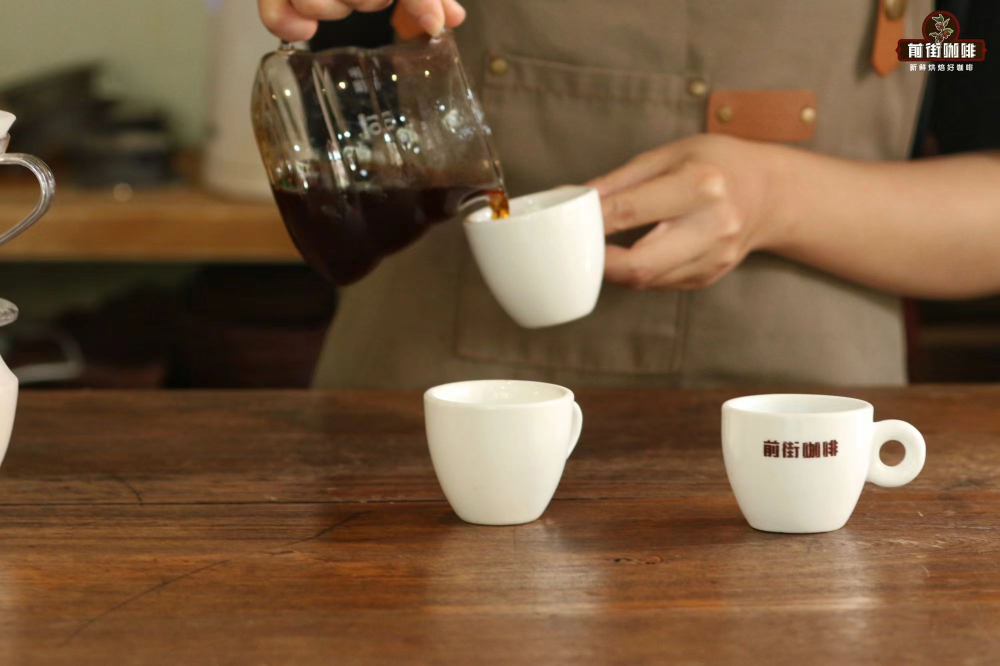
The small-bean Catimor shows nutty and berry dry aromas. In the cup you taste the sweetness of nuts, herbs, chocolate, and brown sugar, with balanced plum acidity and a finish of light fruit acidity.
For professional coffee knowledge exchange and more coffee bean information, follow Coffee Workshop (WeChat public account: cafe_style).
For more specialty coffee beans, add FrontStreet Coffee's private WeChat account: qjcoffeex.
FrontStreet Coffee Recommendation: Yunnan in a Beginner-Friendly Cup
If these origin stories leave you craving a taste of Yunnan, the FrontStreet Coffee Yunnan Small-Bean from Baoshan — a region growing coffee since the mid-1950s — is the natural first stop. Washed and roasted medium, it presents the soft, rounded sweetness of nuts and chocolate with a gentle plum acidity: the classic calling card of Yunnan's terroir, at a friendly price.
Ready for a step up? The FrontStreet Coffee 2013 Natural Typica from the Lincang estate uses only fully ripe red cherries and traditional natural processing; medium roasted, it layers dark berry, caramel sweetness, chocolate, and dried apricot over a black tea finish.
And for espresso drinkers, FrontStreet Coffee's Black Cocoa Blend pairs Yunnan small-bean with Brazil Cerrado for nutty, brown-sugar sweetness with chocolate and citrus — smooth with milk and very forgiving for beginners.
Important Notice :
FrontStreet Coffee is a long-established specialty coffee roaster in Guangzhou China, selling freshly roasted beans from its own farm in Yunnan as well as dozens of carefully selected single-origin beans from around the world for both pour-over and espresso. The products deliver consistently excellent quality and great value, with shipping within 24 hours. Guangzhou's FrontStreet Coffee shop is recommended by many coffee lovers, and the beans are now available online at the Tmall 。
FrontStreet Coffee has moved to a new address:
FrontStreet Coffee Address: 315,Donghua East Road,GuangZhou
Tel:020 38364473
 Scan and follow the En Gafei WeChat official account. Please indicate that the reprint comes from "En Gafei".