Yirgacheffe Werka Coffee Beans Flavor Characteristics and Profile
For more specialty coffee knowledge and bean information, follow FrontStreet Coffee.
Introduction
Yirgacheffe is one of the most famous coffee regions on Earth, and its beans are the gateway through which many people enter specialty coffee. Speak of Yirgacheffe and Sidamo comes to mind—yet many people don't understand the relationship between them. Both belong to Ethiopia. Simply put: Sidamo is a province, and Yirgacheffe is a town within it. Yirgacheffe was once a sub-region of Sidamo and is among Ethiopia's highest-altitude coffee regions.
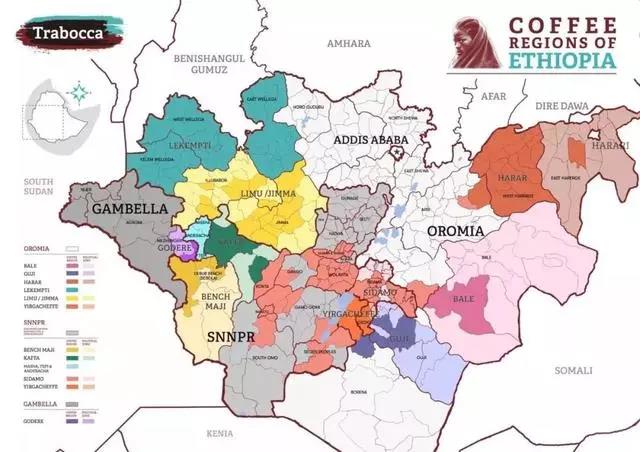
Thanks to its singular flavor, Yirgacheffe broke away from Sidamo's name and established its own identity, becoming one of Africa's most prestigious origins. In cupping, FrontStreet Coffee finds that washed Yirgacheffe's most obvious traits are distinct florals and rich citrus. But flavors also shift with brewing temperature and roast degree—today, FrontStreet Coffee runs the experiment on Worka to map those differences.
Bean Information
Ethiopia Yirgacheffe Worka
Grade: G1
Variety: Heirloom
Altitude: 1,650-1,800 meters
Processing Method: washed
Region Profile
Yirgacheffe lies in the Gedeo zone of southern Ethiopia, which governs the relatively well-known areas of Yirgacheffe and Kochere at altitudes of 1,700-2,100 meters—one of the world's highest coffee-growing regions and now synonymous with Ethiopian specialty coffee.
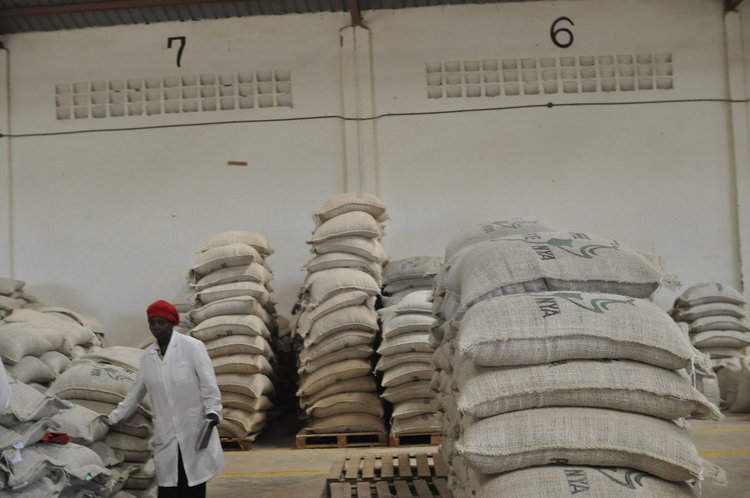
FrontStreet Coffee's single origin comes from Ethiopia, processed by the Worka Cooperative; the Alemayehu Alako farm is a member.
Worka sits in the Yirgacheffe region at 1,800-2,000 meters. The Worka Cooperative was established in 2005 and joined the Yirgacheffe Coffee Farmers Cooperative Union (YCFCU) the same year. It is known for high-quality natural processed Yirgacheffe and gathers roughly 300 coffee farmers under its umbrella.
Coffee Processing — Washed
FrontStreet Coffee's Yirgacheffe Worka beans are washed.
The washed steps: sorted cherries go into a depulper to remove skin and pulp; the beans, still coated in mucilage, ferment in water for about 24 hours; the parchment coffee is then washed in flowing channels to strip remaining pulp and mucilage; after washing, the beans are sun- or mechanically dried to around 12% moisture; finally the parchment is hulled off the green beans.
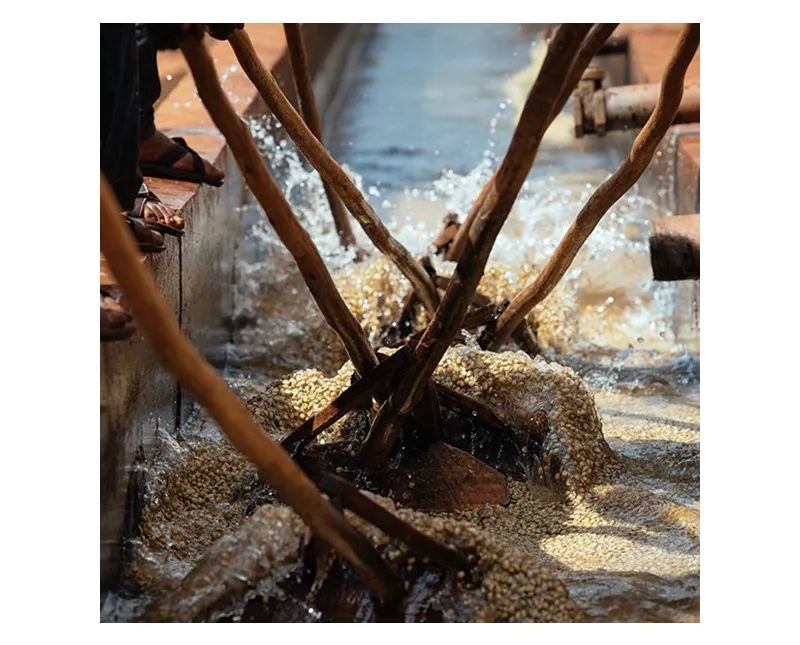
Washing gives these Worka beans higher acidity and the classic lemon-citrus snap.
Coffee Variety — Heirloom
FrontStreet Coffee's Worka beans are also of the Heirloom variety.
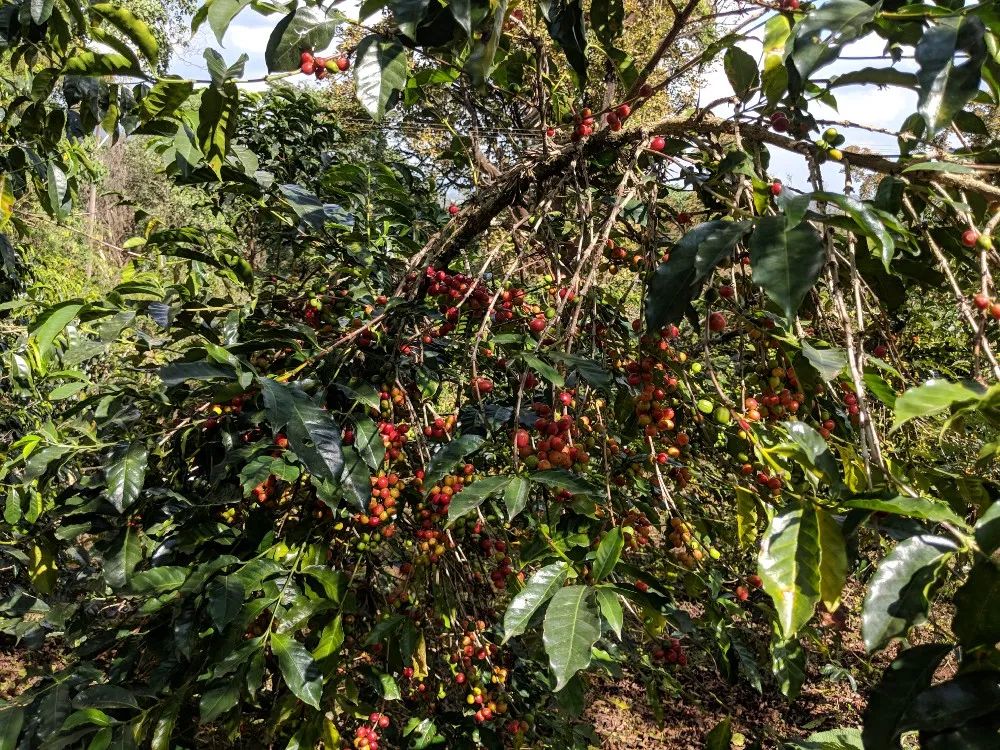
Farmers often grow several varieties at once and may separate the better ones for sale. Ethiopia is special in another way: most of its coffee grows wild or semi-wild in fields, backyards, and under forest, so what farmers harvest is really a grand mix of many natural varieties.
Wild coffee loves growing under forest canopy. The shading trees are called "shade trees," and the practice "shade-grown coffee." The benefits: reduced ecological impact, and the biodiversity helps suppress pests and disease. In some regions, food crops like bananas double as shade trees—many birds with one stone.
Ethiopia has recorded nearly 2,000 coffee varieties—1,927 native and 128 introduced. On looks alone, Ethiopia's varieties are a "grand garden": long, short, thin, fat...
Ethiopia Grading (by Defect Ratio)
Before the Ethiopia Commodity Exchange (ECX) was established, export grades were set by the Cupping and Liquoring Unit (CLU) under the Ministry of Agriculture, grading green coffee primarily on defects per 300g sample:
| Grade | Defect Count (per 300g) |
|---|---|
| Grade 1 | ≤3 |
| Grade 2 | 4-12 |
| Grade 3 | 13-25 |
| Grade 4 | 26-45 |
| Grade 5 | 46-90 |
Generally, washed coffees were G1-G2. Because natural processing was technically immature at the time, naturals carried more defects and typically graded G3-G5. With improved technique, today's naturals can also reach G1-G2.
After ECX launched in 2008, grading shifted to a combined score of physical attributes and cupping flavor.
ECX sorts all coffee into three types by processing method:
a. Specialty — few defects, high cupping quality
b. Commercial — below specialty but above the local/domestic consumption grade
c. Local/Domestic — more defects (unripe beans), over-season or poorly stored, with relatively poor flavor
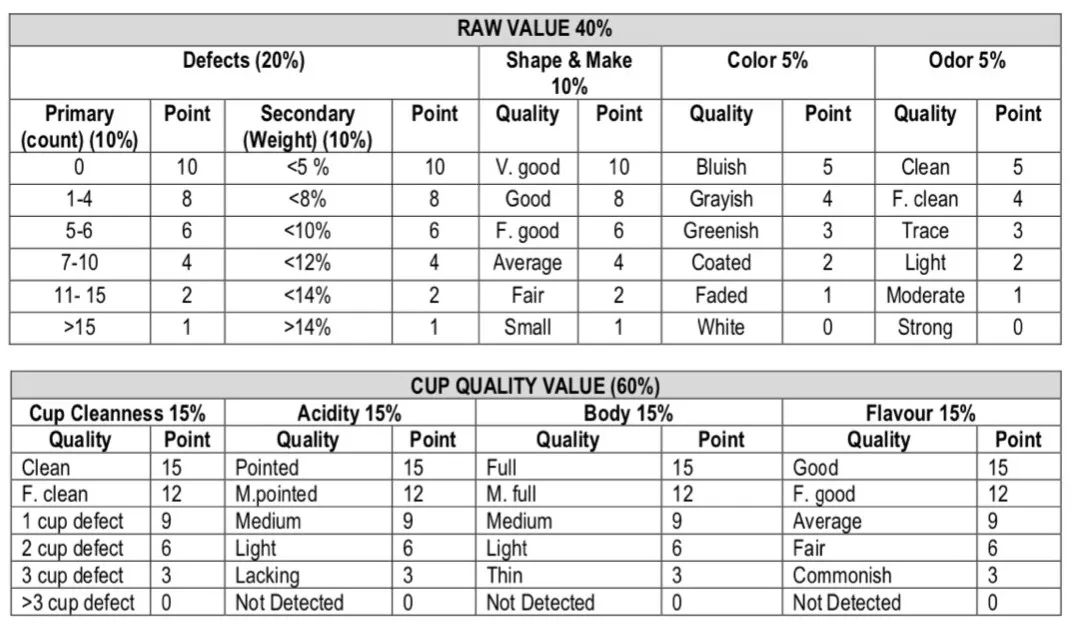
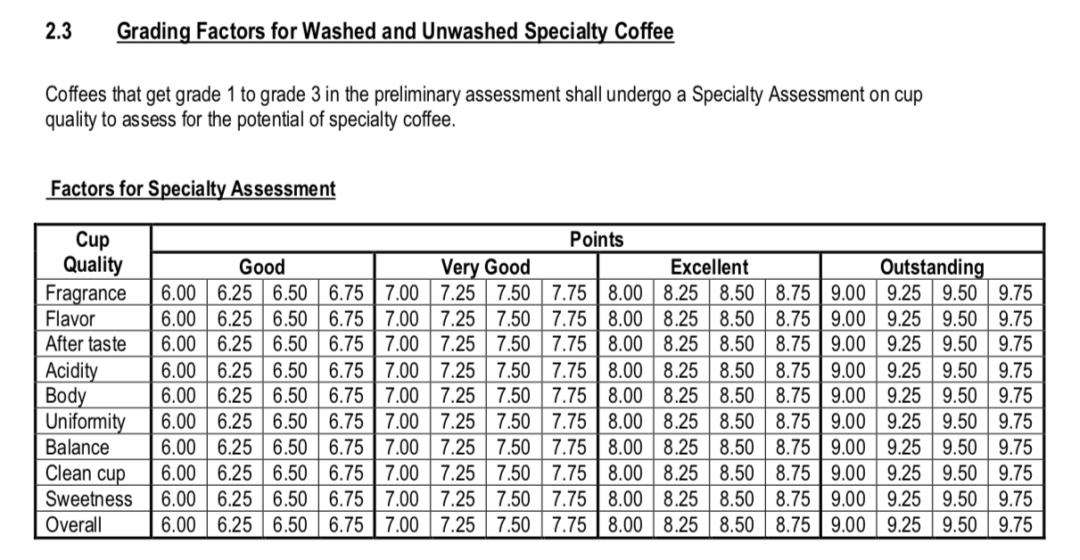
Specialty and Commercial grades are for international export. ECX divides green coffee into nine grades scored on physical attributes (40%) and cupping quality (60%).
Physical Characteristics (40%):
Washed: defect count (20%), appearance and size (10%), color (5%), aroma (5%)
Non-washed: defect count (30%), aroma (10%)
Cupping Quality (60%)
| Grade | Score | Non-washed |
|---|---|---|
| Grade 1 | 91-100 | 91-100 |
| Grade 2 | 81-90 | 81-90 |
| Grade 3 | 71-80 | 71-80 |
| Grade 4 | 63-70 | 63-70 |
| Grade 5 | 58-62 | 58-62 |
| Grade 6 | 50-70 | 50-70 |
| Grade 7 | 40-49 | 40-49 |
| Grade 8 | 31-39 | 31-39 |
| Grade 9 | 20-30 | 20-30 |
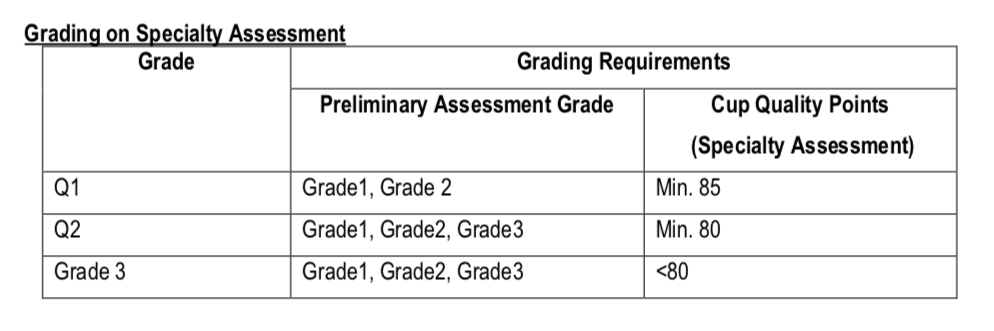
Top lots G1-G3 are then cupped again under SCAA standards for a finer evaluation of flavor. G1 and G2 scoring 85 or above are rated Q1; G1, G2, and G3 scoring 80-85 are rated Q2; G1, G2, and G3 below 80 are rated G3.
Q1 and Q2 are classified as specialty grades for export; G4-G9 keep their original grades and, together with G3, are classified as commercial export grades.
Roasting Recommendations
Acidity is Yirgacheffe's calling card. To spotlight it, FrontStreet Coffee's roasters recommend a light roast.
The temperature rise is kept gentle, with a roast time of just over 10 minutes—enough time and heat for thorough dehydration and for the chlorogenic acids to break down. If that degradation falls short, the coffee shows sharp acidity that feels rough on the tongue. Extending the heat past first crack, meanwhile, continues caramelization, producing caramel sweetness and a more substantial, weighty sweetness—though bright fruity acidity recedes slightly.
FrontStreet Coffee then brewed the light-roast Yirgacheffe Worka G1 at different water temperatures to observe the flavors each produced, holding all other parameters constant.
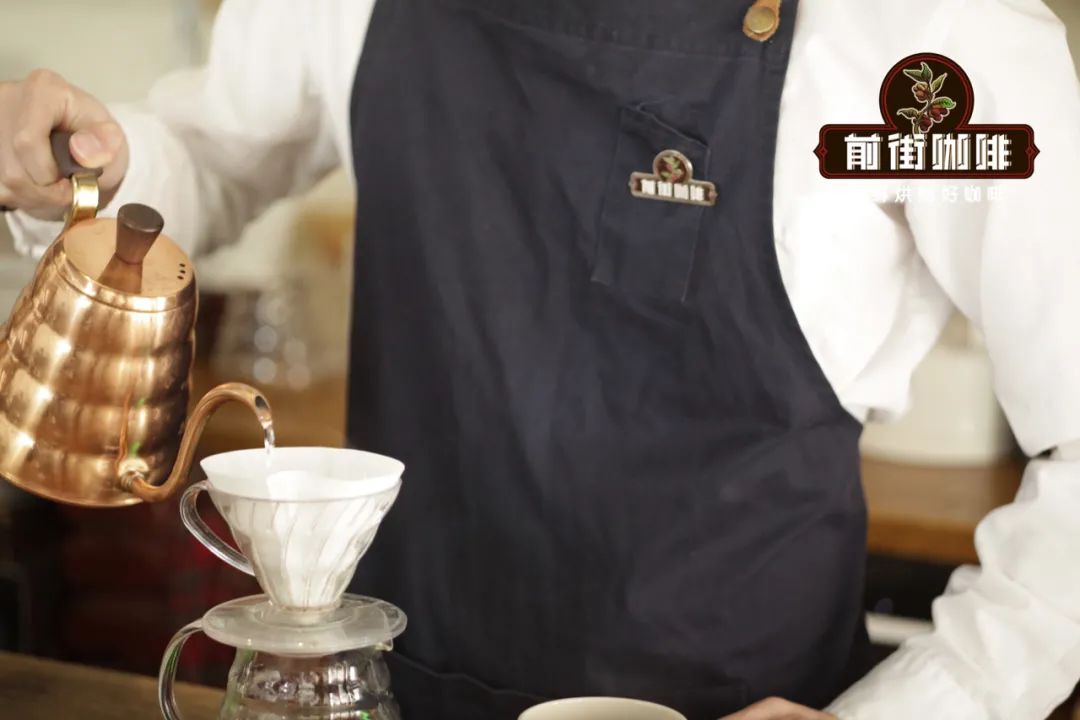
Three temperatures were chosen: 87°C, 90°C, and 94°C. Everything else stayed as consistent as possible: Hario V60 dripper, 1:15 water-to-coffee ratio, 15g of grounds, and a grind of BG#6S (80% pass-through on the Chinese standard #20 sieve).
The technique stayed constant too—segmented extraction: 30g bloom for 30 seconds, small circular pours to 125g, pause, then continue to 225g once the bed is about to show. Extraction time: 2 minutes (timed from the bloom).
[87°C Pour-Over Flavor]
Entry shows lemon and tea notes with pronounced acidity and a rounded mouthfeel, though the overall layers run somewhat thin.
[90°C Pour-Over Flavor]
Entry shows lemon, plum, and Tieguanyin tea notes, with distinct caramel emerging as the cup cools. Bright acidity and a noticeable sweet aftertaste.
[94°C Pour-Over Flavor]
Entry shows lemon and berry notes with pronounced acidity, enhanced body, and rich tea character.
Overall, 90°C best expresses Worka's bright fruit acidity and refreshing tea notes. At 87°C the layers were weak and the flavors under-expressed; 94°C added body but dulled the brightness.
For more specialty coffee, connect with FrontStreet Coffee.
FrontStreet Coffee Recommendation
If the washed Worka profile appeals to you, FrontStreet Coffee recommends two more Yirgacheffes that frame the region's range:
FrontStreet Washed Yirgacheffe (Daily Cup) — the classic first bean for Ethiopian specialty coffee, at a friendly price. Grown around 1,700-2,100 meters with trees planted above 1,800 meters, it delivers white jasmine florals, bright citrus-lemon acidity, and a tea-like finish.
FrontStreet Natural Red Cherry — the same region, natural process: only fully ripe, defect-free cherries are picked, sorted again at the station, and dried whole on raised beds, turned every 2-3 hours in the early days to prevent uneven fermentation, for three to five weeks. Drying with the fruit intact keeps classic Yirgacheffe character while adding tropical fruit: citrus-like acidity, berry juiciness, honeyed sweetness, and creamy smoothness.
Important Notice :
FrontStreet Coffee is a long-established specialty coffee roaster in Guangzhou China, selling freshly roasted beans from its own farm in Yunnan as well as dozens of carefully selected single-origin beans from around the world for both pour-over and espresso. The products deliver consistently excellent quality and great value, with shipping within 24 hours. Guangzhou's FrontStreet Coffee shop is recommended by many coffee lovers, and the beans are now available online at the Tmall 。
FrontStreet Coffee has moved to a new address:
FrontStreet Coffee Address: 315,Donghua East Road,GuangZhou
Tel:020 38364473
 Scan and follow the En Gafei WeChat official account. Please indicate that the reprint comes from "En Gafei".