The Perfect Balance of Bitter, Sweet, and Sour: Blue Mountain Coffee Flavor, Characteristics, and Taste

FrontStreet Coffee Jamaica Blue Mountain No.1 Flavor Profile
FrontStreet Coffee's Jamaica Blue Mountain No.1 opens with dark chocolate, roasted nuts, and toffee, layered over caramel sweetness and a delicate, refined acidity. On the palate, bitterness, sweetness, and acidity sit in perfect harmony, creating a smooth, rich mouthfeel. As the cup cools, the aromas turn more transparent and multi-layered, with a caramel aftertaste that lingers pleasantly.
For more specialty coffee knowledge, follow FrontStreet Coffee.
As one of the world's finest coffees, high-quality Blue Mountain No.1 offers intense, dense, and lasting aromas of chocolate and roasted hazelnut, with an exceptional balance of sweet, sour, and bitter notes. Body and sweetness are perfectly proportioned, and the finish stays with you. To understand why Blue Mountain No.1 tastes this good, you have to look at the remarkable terroir and climate of the Blue Mountains — and the discerning eye of Jamaica's producers.

Which Country Does Jamaican Blue Mountain Belong To?
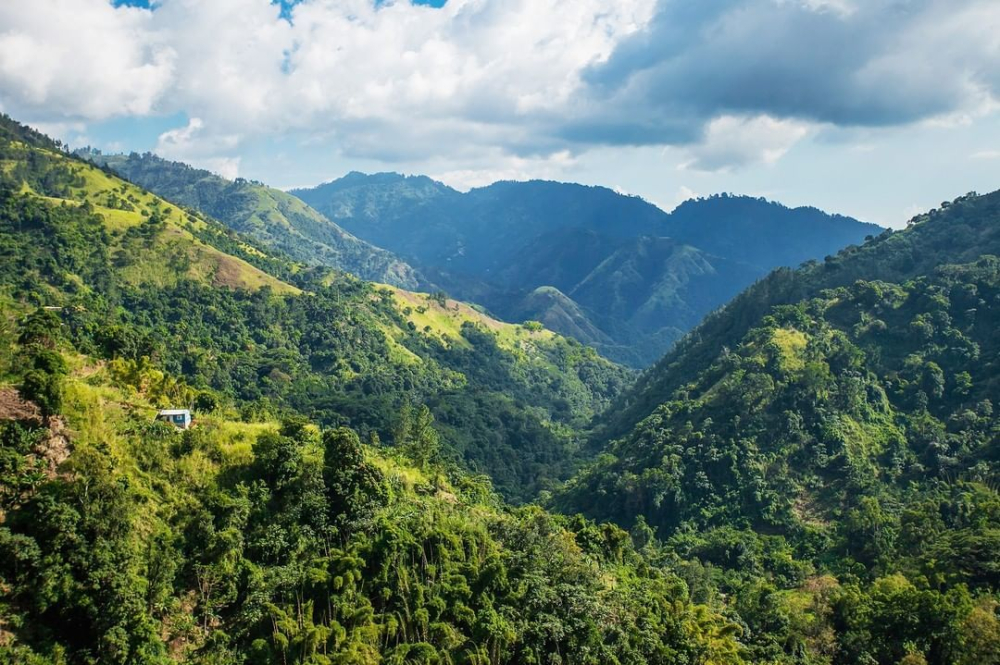
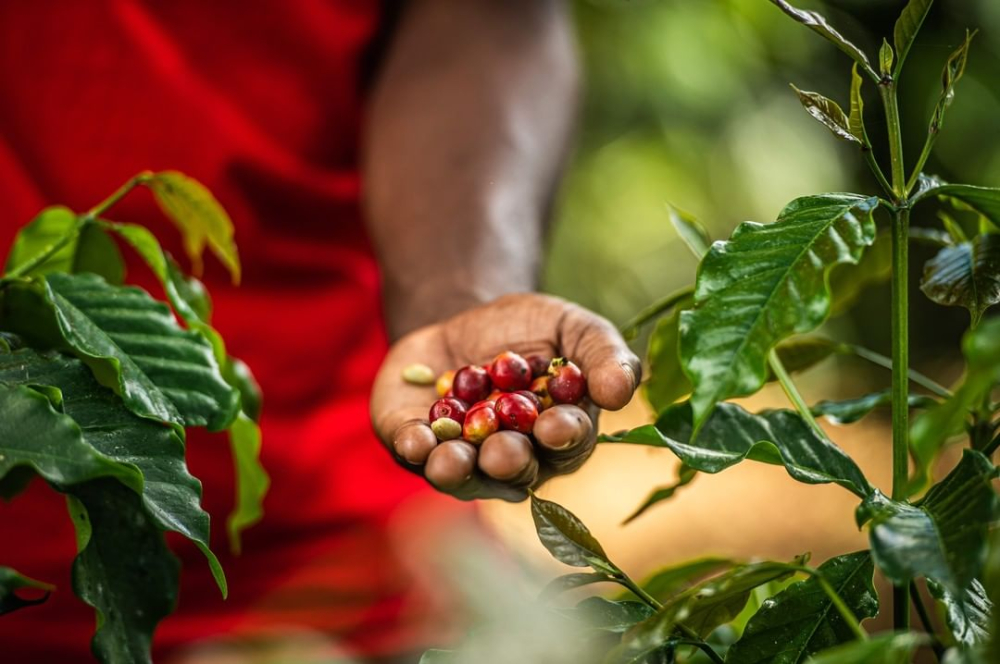
Jamaica sits in the Caribbean Sea, an island of beautiful scenery and fresh, unpolluted air. The Blue Mountain range in the island's east falls squarely within the coffee belt between 25° north and south latitude. Volcanic ash soil, formed by ancient eruptions, feeds the crops with abundant nutrients, while the towering, rugged highlands create a unique microclimate: clouds routinely shroud the mountains, and water vapor condenses into droplets as it cools, providing natural shade and irrigation. Coffee trees are often planted alongside banana and avocado trees, which provide extra cover.
Jamaica's coffee history stretches back over two hundred years to the early 18th century, when Governor Nicholas Lawes brought coffee seeds from Martinique to trial-plant in St. Andrew in 1728. In the late 18th century, production expanded dramatically on the back of slave labor and spread into the more suitable Blue Mountain region; by 1814 national output had reached 15,000 tons a year. But after slavery was abolished in the early 19th century, many farmers switched to other crops, Jamaican coffee production plummeted, and the industry entered a long decline.
To turn things around, the Jamaican government passed legislation in 1891 to improve coffee production and quality, offering professional guidance to growers. In 1944 the government established the Central Coffee Clearing House, requiring every export batch to pass quality inspection and grading. In 1950, Jamaica formally founded the Jamaica Coffee Industry Board (CIB), granting it official authority to improve, control, and maintain the quality and reputation of Jamaican coffee.
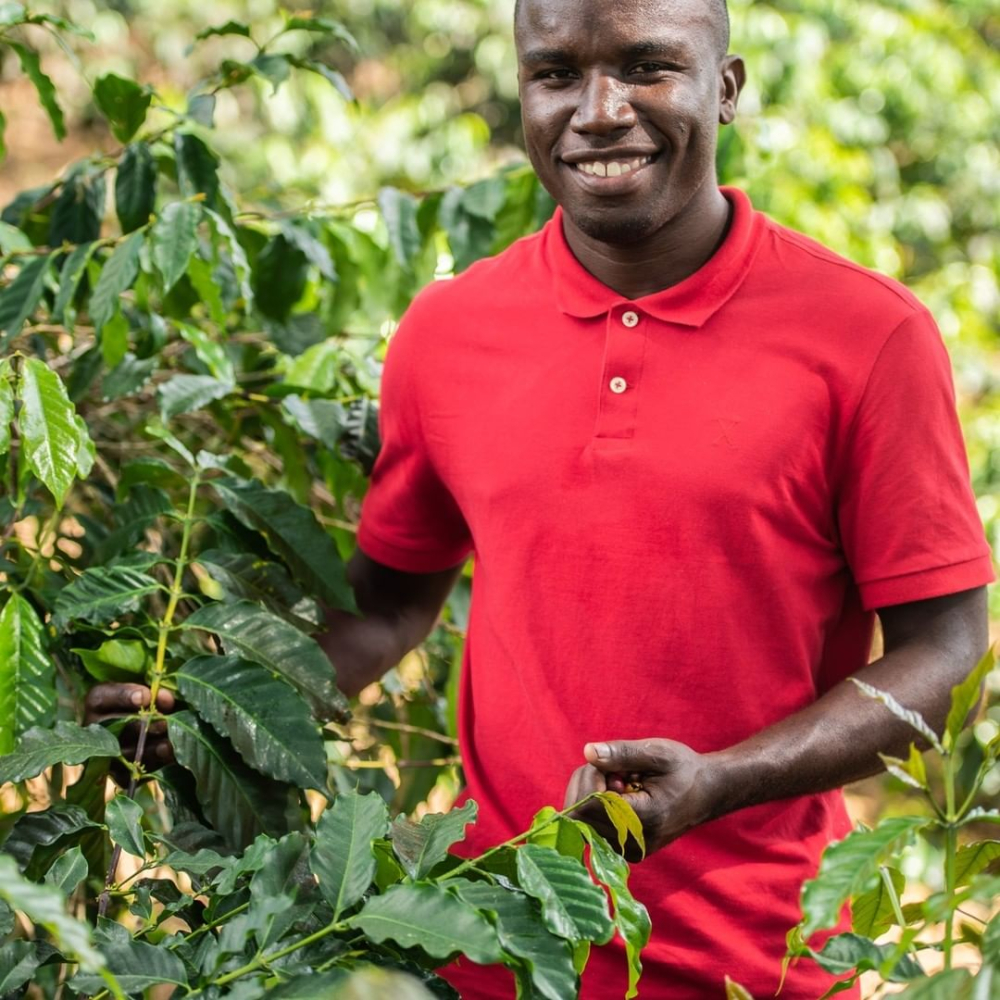
Jamaica's "Coffee Industry Regulation Act" stipulates that Blue Mountain coffee must be grown in four administrative parishes: St. Andrew, St. Thomas, Portland, and St. Mary. Only Typica coffee grown within these parishes at elevations between 910-1,700 meters may be named Jamaica Blue Mountain Coffee. By quality standards, Blue Mountain coffee is graded from highest to lowest as NO.1, NO.2, NO.3, and PB (Peaberry). This strict quality control and grading made Blue Mountain coffee world-famous, and by the mid-20th century it was regarded as one of the finest coffees money could buy.
Notably, in the 1960s Jamaica was struck by devastating hurricanes that damaged multiple industries, coffee included. At that time, Japan's UCC Corporation came to Jamaica's aid and introduced ecological cultivation methods to the Blue Mountain region. In 1972, grateful for this assistance, Jamaica and Japan signed a 30-year agreement granting Japan priority purchasing rights to Blue Mountain coffee. During that period, 90% of Blue Mountain coffee was supplied to Japan, with the remaining 10% shared among markets in Europe, the Americas, and Asia — which explains why Blue Mountain commanded such high prices in that era.
What Quality Grade is Blue Mountain No.1?
Blue Mountain coffee's consistently high quality and reputation owe much to the Jamaican government and the Jamaica Coffee Industry Board (CIB), whose role is to promote, regulate, monitor, and guide the country's coffee industry and guarantee the quality of every export.
Before export, Blue Mountain coffee beans must be inspected, certified, and graded by the CIB. Grading weighs multiple factors, including bean size, color, roasting quality, aroma, cupping quality, and screen size. By size specification, the beans are divided into four grades:
Grade
No.1: Screen 17-18 (defect rate ≤3%)
No.2: Screen 16
No.3: Screen 15
PB (Peaberry): Screen 10
FrontStreet Coffee purchases the highest grade — Jamaica Blue Mountain No.1: a defect rate below 3%, size above screen 17, moisture content of 10-12.5%, uniform color, and beautifully shaped beans, all marking it as an extremely rare premium batch. Before export, Blue Mountain coffee also undergoes quality confirmation by professional cuppers certified by the CIB, and must show well-balanced acidity, sweetness, bitterness, body, and aroma.

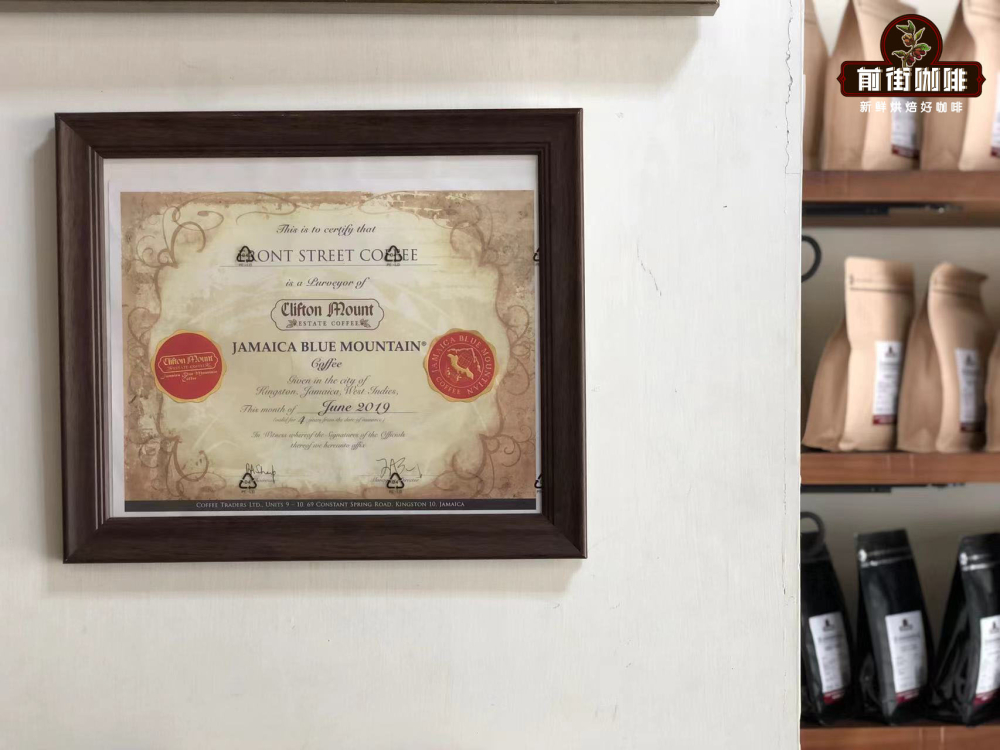
Once inspected, Blue Mountain beans are shipped to roasters around the world in handcrafted wooden barrels. Compared with the coarse burlap bags used for most other origins, wooden barrels absorb and release humidity while keeping coffee aroma from escaping, helping the beans hold a more stable moisture content and roast more consistently. The wooden barrel has itself become one of the identifiers of authentic Blue Mountain coffee. Alongside the barrel, FrontStreet Coffee's Blue Mountain No.1 comes with a quality certificate from the Jamaica Coffee Industry Board, an authorized sales certificate from the Blue Mountain producer, and a certificate of origin.
How to Brew Blue Mountain Coffee for Its Classic Flavor?
To taste Blue Mountain coffee's classic layers of flavor, FrontStreet Coffee believes pour-over brewing presents them best. And a delicious pour-over isn't complicated: find the right parameters, practice consistently, and you can extract excellent flavor and mouthfeel.
Before brewing, start with beans still within their optimal tasting window. Past a month from the roast date, some aroma will have faded and woody flavors may appear. Beans shipped by FrontStreet Coffee are roasted within 5 days of dispatch; if they seem too fresh, let them rest a few days until most of the gas has escaped — the cup will be more stable for it.

The classic Blue Mountain profile is rich in chocolate and roasted-nut aromas, with soft acidity and a full mouthfeel. To restore that classic character, FrontStreet Coffee's roasters chose a medium-dark roast that boosts roasted aromas while preserving some acidity. In cupping, the beans showed balanced acidity, sweetness, aroma, bitterness, and body — so FrontStreet Coffee's baristas built a brew recipe around that profile.
FrontStreet Coffee's parameters: a KONO dripper, a medium-coarse grind (75% retention on a standard #20 sieve), water at 88°C, and FrontStreet Coffee's customary three-stage pour. Dose: 15g of coffee. Coffee-to-water ratio: 1:15.

The three-stage pour: start with 30g of water to evenly wet the grounds and bloom for 30 seconds. In the second stage, pour 95g of water in even circles from the center outward. When the water level drops to two-thirds of the coffee bed, begin the third stage with 100g more. Keep the flow small throughout. After roughly 2 minutes of dripping, remove the dripper, give the coffee a gentle swirl to even it out, and taste.
FrontStreet Coffee Recommendation
Everything this article says about balance is easy to verify with FrontStreet Coffee's Jamaica Blue Mountain No.1, the highest grade of Jamaican Blue Mountain, sourced from the historic Clifton Estate, where coffee has been grown since around 1750 at roughly 4,300 feet (1,310.64 meters). Cool afternoon mists, generous sunshine, and mineral-rich soil stretch the cherry's ripening and give the beans their depth.
FrontStreet Coffee roasts this Blue Mountain No.1 medium-dark to bring out the traditional "bitterness first, sweetness after" character, and ships it freshly roasted within 5 days. The cup is very clean, mild, and complex: dark chocolate, roasted nuts, and toffee layered over cream and caramel sweetness, with a full, rich body, no harsh bite, just a moderate, refined acidity and a persistent fruity finish.
For pour-over, FrontStreet recommends a Kono dripper, 15g of coffee rested 4-7 days from the roast date, ground slightly coarser than for light roasts, water at 87-88°C, and a 1:15 ratio poured in three stages up to 225g. If you prefer something stronger, the same balance carries beautifully into a moka pot or a flat white.
Important Notice :
FrontStreet Coffee is a long-established specialty coffee roaster in Guangzhou China, selling freshly roasted beans from its own farm in Yunnan as well as dozens of carefully selected single-origin beans from around the world for both pour-over and espresso. The products deliver consistently excellent quality and great value, with shipping within 24 hours. Guangzhou's FrontStreet Coffee shop is recommended by many coffee lovers, and the beans are now available online at the Tmall 。
FrontStreet Coffee has moved to a new address:
FrontStreet Coffee Address: 315,Donghua East Road,GuangZhou
Tel:020 38364473
 Scan and follow the En Gafei WeChat official account. Please indicate that the reprint comes from "En Gafei".