Yunnan Coffee Industry Faces Growth Challenges: The Origin History and Development of Yunnan Small Beans
A decade ago, most people's impression of Yunnan coffee was stuck on "poor quality, low price," and the name drew a grimace more often than a smile. Today, Yunnan small-bean coffee turns up regularly on specialty coffee bar menus, and some baristas list several flavor profiles from the province side by side. On FrontStreet Coffee's own bean menu, for instance, there are two single-origin coffees from Yunnan producing areas to choose from. So how good are these Yunnan small beans really, and how do they taste in the cup? Read on as we get to the heart of the matter.
The Development of Yunnan's Coffee Industry
Yunnan's coffee story begins in 1904, when the French missionary Alfred Tiende brought the first coffee tree to Zhugula Village in Binchuan County. Coffee has been part of the province ever since, giving Yunnan a connection with the crop that now stretches back more than a century.
The 1950s and 1960s brought a further expansion in scale, and marked the point at which China truly began cultivating coffee commercially. After the founding of the People's Republic of China, from 1952 onward, large-scale planting was formally developed under the leadership of Ma Guojin, an expert at the Academy of Agricultural Sciences, with the crop supplied to the Soviet Union. Those years also rested on earlier groundwork: back in 1937 the patriotic overseas Chinese businessman Liang Jinshan had brought a batch of seeds home from Myanmar to Baoshan, opening up the first coffee land at Lujiangba. At this stage Yunnan's plantings all belonged to Typica and its Bourbon variants, and the cultivated area reached as much as 50,000 mu.
Not long afterward, Yunnan coffee was hit hard by coffee leaf rust worldwide, causing coffee trees to die off on a large scale and the cultivated area to shrink sharply. By the 1980s, with reform and opening up, Yunnan coffee gradually entered the international market. In 1988, foreign enterprises such as Nestle set up operations in China, supporting the development of Yunnan's coffee industry on several fronts. They not only introduced high-yielding, disease-resistant varieties such as Catimor but also promised to buy Yunnan coffee beans as raw material at the US futures price of the day. These measures further expanded the cultivated area and raised the enthusiasm of coffee farmers, and at the same time secured Catimor's place as the variety that replaced the old Typica trees and became the backbone of Yunnan coffee.
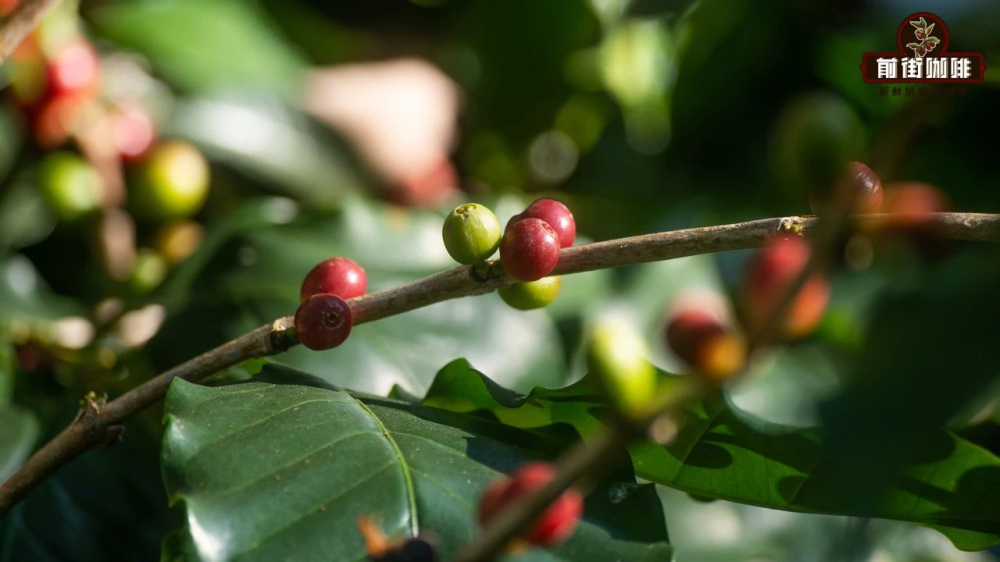
In recent years, as China's coffee wave has gathered pace and society has turned its attention to the rural economy and to sustainability, coffee professionals from around the world have visited Yunnan one after another, FrontStreet Coffee among them. Everyone has kept working to improve local quality: pest and disease prevention, shade trees, soil and water conservation, planting altitude, and the way ripe cherry is harvested and processed. Yunnan coffee has gradually earned attention and recognition. Domestic and international brands such as Starbucks, Blue Bottle Coffee, Luckin Coffee and Manner have also launched products from Yunnan producing areas, widening awareness of the province's flavor and quality.
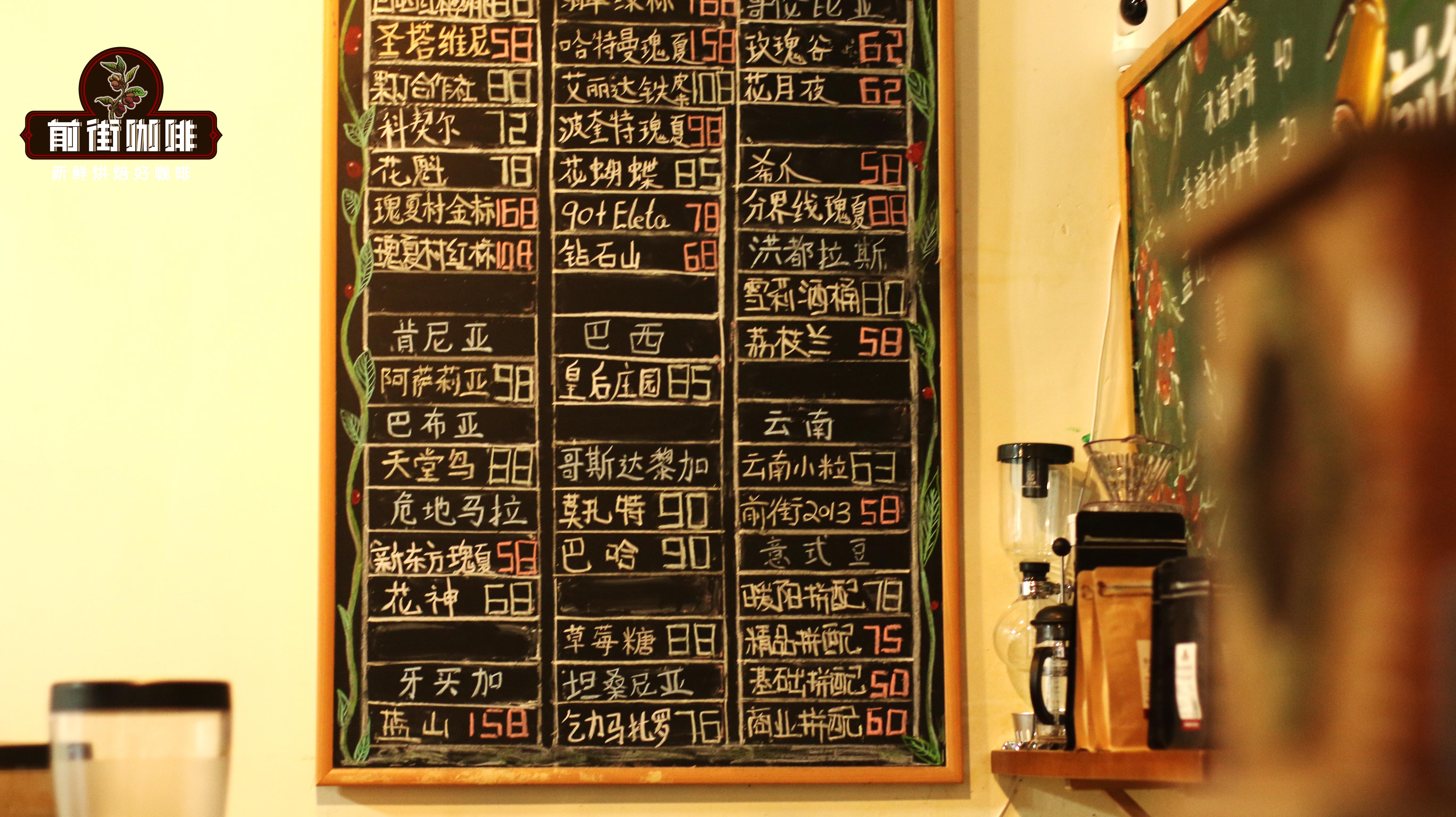
Compared with the past, people are now willing to seek Yunnan out as a "new producing area." Many customers who come into FrontStreet Coffee shops for a pour-over ask whether there are Yunnan beans available, which shows that the province's reputation is shifting in a positive direction as it keeps improving on the road toward specialty quality and works to win over more coffee drinkers.
So What Does "Small Bean" Refer To, Exactly?
The so-called "small bean" is simply Arabica. Set beside the medium-bean coffee (Robusta) planted in Hainan, China, it is the category with the smaller fruit. As noted above, the coffee trees first introduced and cultivated in Yunnan all belonged to two pure Arabica types: Typica and Bourbon. Arabica grown at high altitude carries rich sweet and sour aromas and is recognized as a high-quality variety.
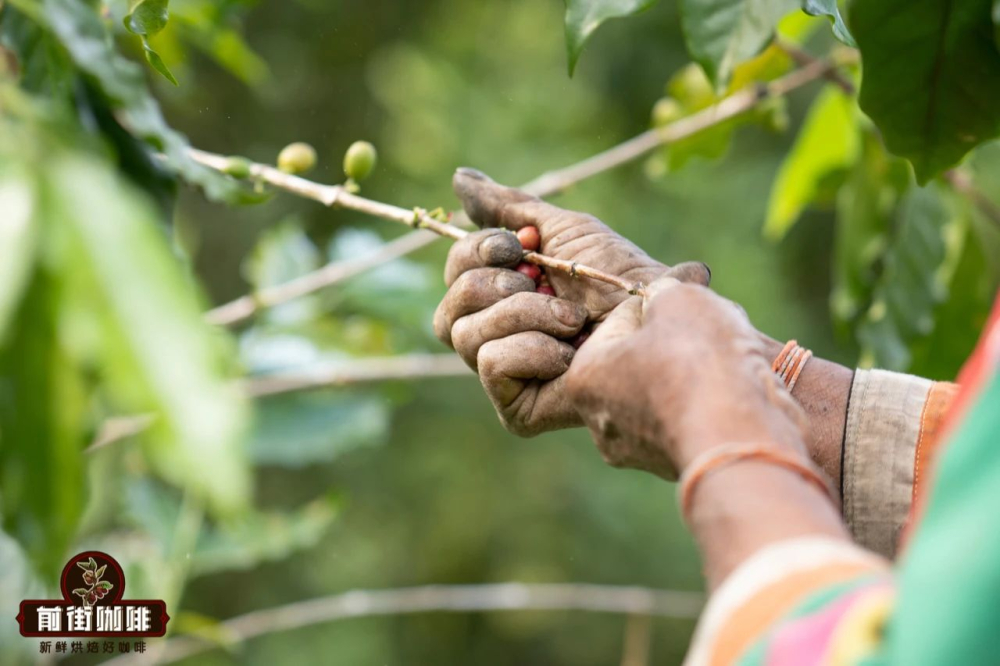
The problem is that these varieties have very weak resistance, fall prey to disease easily, and yield very little fruit per plant. Farmers in Yunnan who make their living from coffee therefore mostly switched to a higher-yielding option: Catimor.
Although Catimor is classed as an Arabica variety, genetically it carries 25% Robusta genes. According to FrontStreet Coffee's research, Catimor "CIFC7963" is a hybrid developed by the Portuguese Coffee Rust Research Center (CIFC) specifically to counter coffee rust. In appearance it is compact and dwarf, with many branches and short fruit nodes. It grows vigorously and has extraordinary vitality, and its greatest strengths are remarkable rust resistance and high yield. Precisely because it inherited Robusta characteristics, Catimor resists disease better and crops more heavily, and the beans carry abundant oils after roasting, along with Robusta's "devil's flavor." Its performance in cupping is often rather ordinary, with little to remember it by, and it cannot compare with pure Arabica varieties grown at the same altitude, such as Caturra or Bourbon.
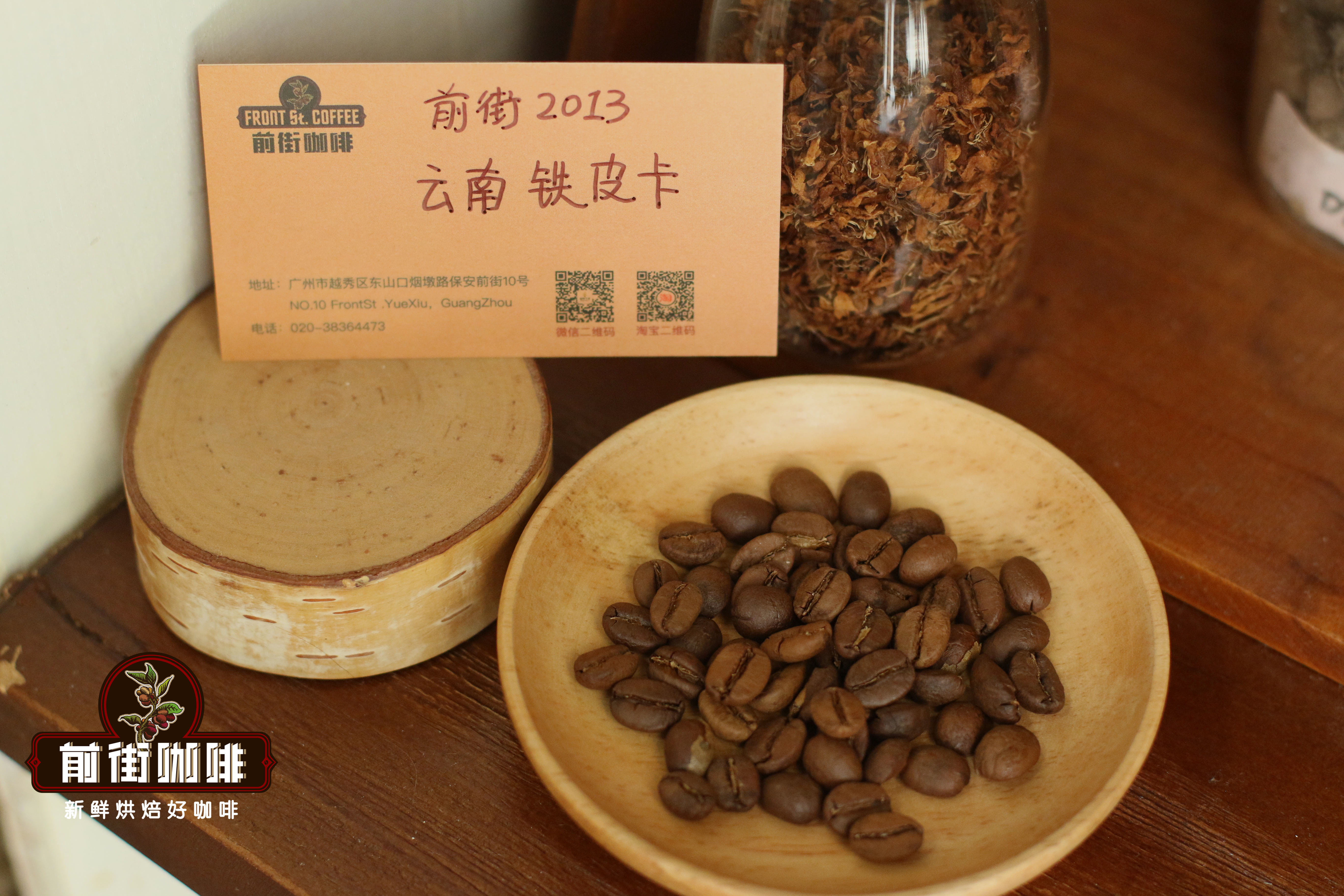
So are there small-bean varieties in Yunnan today besides Catimor? Of course there are. The coffee trees that FrontStreet Coffee selected and bred in Lincang, Yunnan, in 2013 are all old Typica stock. After five to six years of cultivation, the first harvest finally came in 2020, and the crop was given a natural process and named "FrontStreet Coffee 2013."
So Is Yunnan Small-Bean Coffee Any Good?
In the past, Yunnan's coffee farmers had not accumulated much mature experience in cultivation. Trees were mostly planted at low altitude and paired with rough processing, so quality was mediocre and most of the crop was bought up for commercial instant coffee, which is what created the poor impression so many people still carry. With the spread of specialty coffee culture at home, many coffee professionals and researchers began to invest in the cultivation stage in Yunnan, continually improving quality through pest and disease prevention, shade trees, soil and water conservation, planting altitude, and the way ripe cherry is harvested and processed. Today's Yunnan small bean is not only clean in the cup but can also show distinctive characteristics depending on how it is processed afterward.
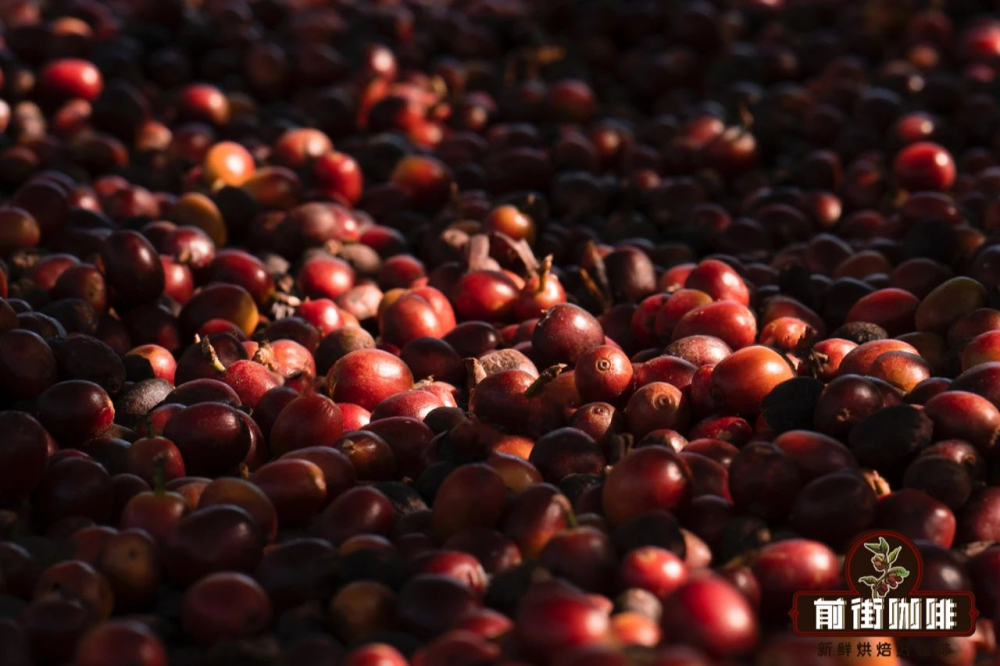
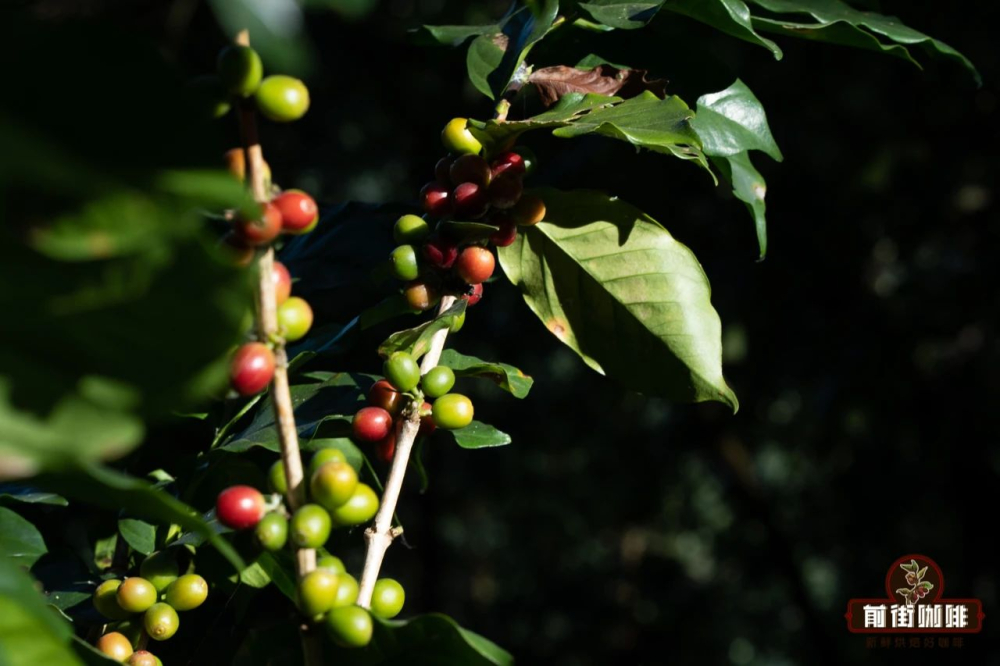
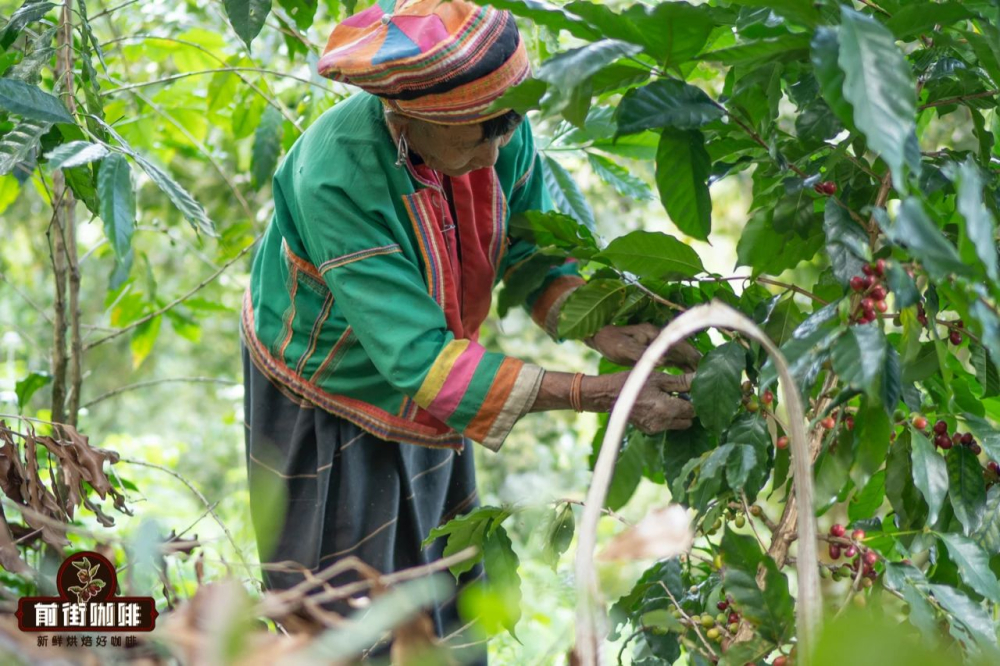
When November comes around, the fruit on FrontStreet Coffee's trees ripens in turn. Workers pick the red cherries one by one and spread the fresh fruit out promptly to dry in the sun, turning it irregularly to ensure even dehydration and to avoid off-flavors from over-fermentation. Once the beans have dehydrated to a purplish-red color and reached the target moisture content, they are sent for hulling and roasting. After several days under the sun, this Typica shows a fuller fermented aroma and prominent sweetness, with caramel, berry and black tea notes.
When the subject of Yunnan coffee's flavor comes up, some describe it as chocolate, some say sweet potato, and some feel it is like Sanhua plums, a Chinese plum cultivar. FrontStreet Coffee's view is that Yunnan small bean belongs to a neutral, balanced character: it has acidity, sweetness and bitterness all at once. That is why the Yunnan coffees on the FrontStreet Coffee shelf are all medium roasted, which highlights caramelized aromas of chocolate and nuts while retaining some fruit acidity. In cupping, FrontStreet Coffee sensed chocolate, nuts, dried apricot and brown sugar in its Yunnan small-bean Typica, along with a mellow sweetness of melon and fruit. After swallowing, a black tea-like aftertaste lingers in the mouth.
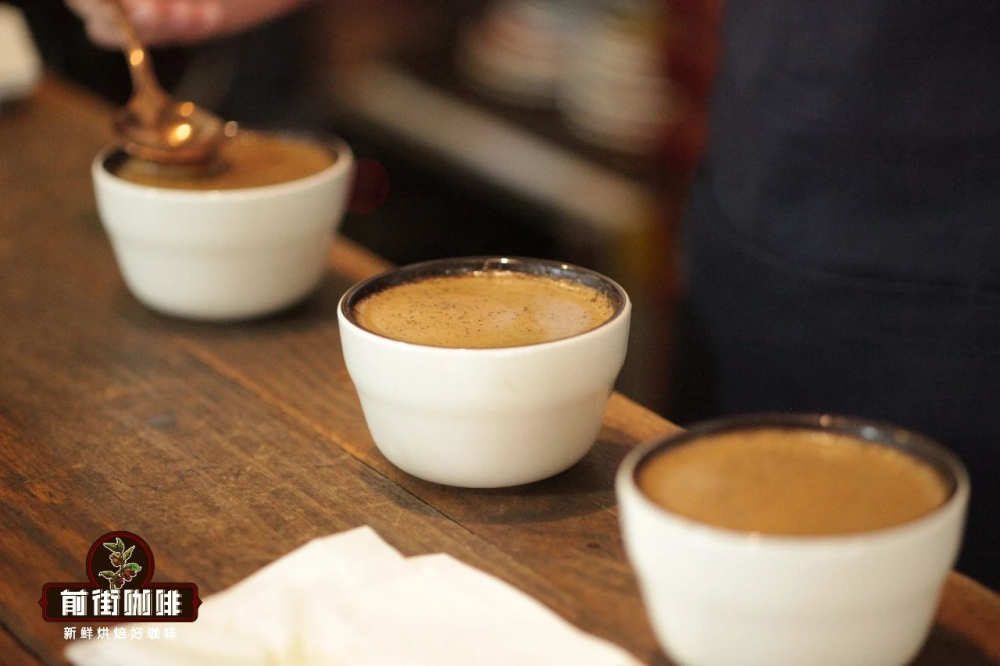
FrontStreet Coffee's Yunnan Small-Bean Pour-Over Recommendations
Dripper: Hario V60
Dose: 15g
Water Temperature: 90°C
Grind Size: 75% pass-through rate on a #20 sieve
Water-to-Coffee Ratio: 1:15
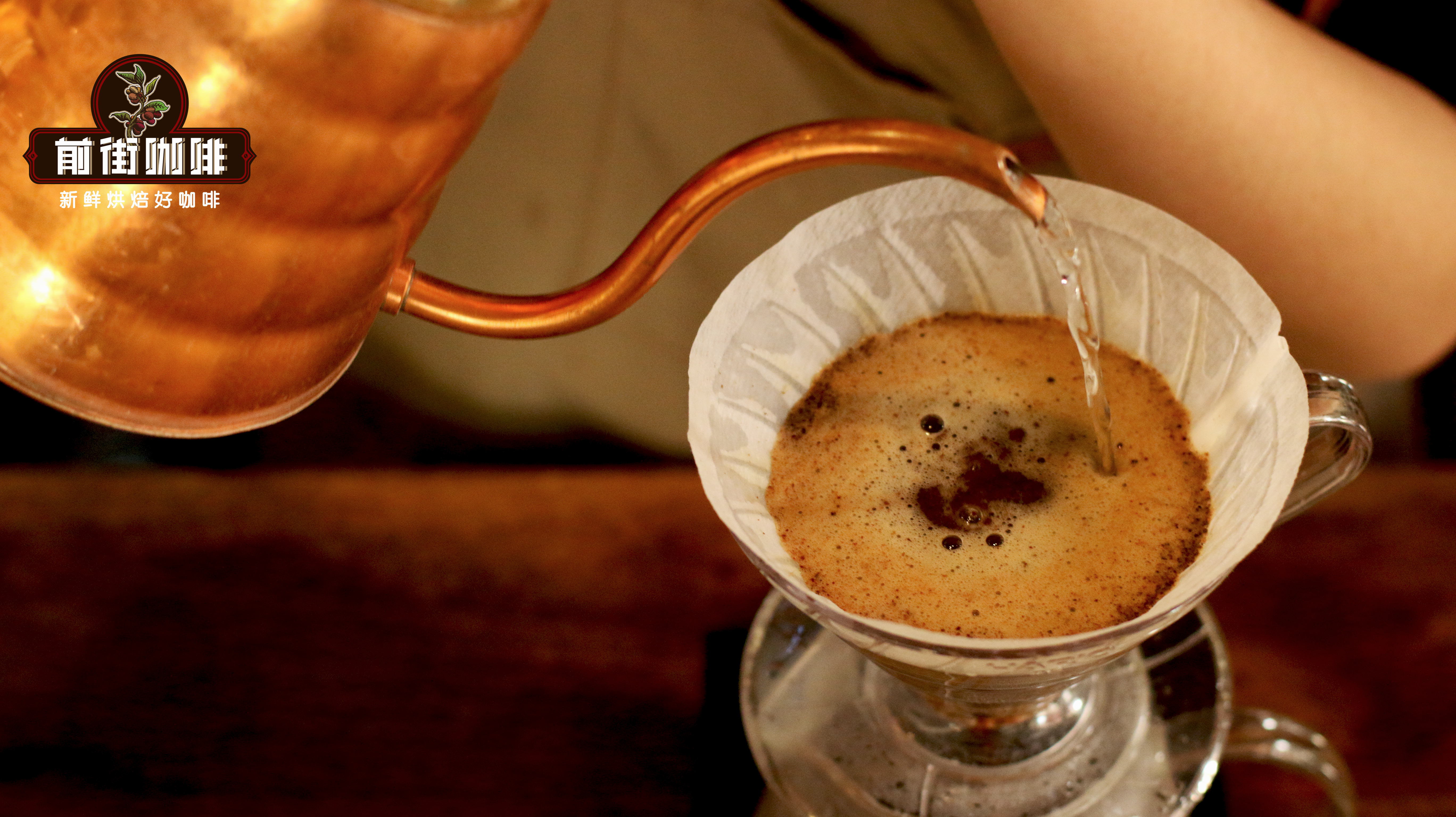
Three-Stage Pour: Use twice the weight of the coffee grounds in water to wet the bed and let it form a dome for a 30s bloom. Then, with a small stream, pour in a circular motion from the inside outward until you reach 125g, and stop. Wait until the bed has dropped to half the height of the dripper, then continue with the same fine stream for a third stage to 225g. When all the liquid has filtered through, remove the dripper. Total time is about 2 minutes.
FrontStreet Coffee's Yunnan Small-Bean Daily Coffee Flavor: A rich nutty aroma, then herbal, chocolate and caramel notes on entry, with a slight fruity acidity in the aftertaste. Overall the cup is balanced, with good cleanliness.
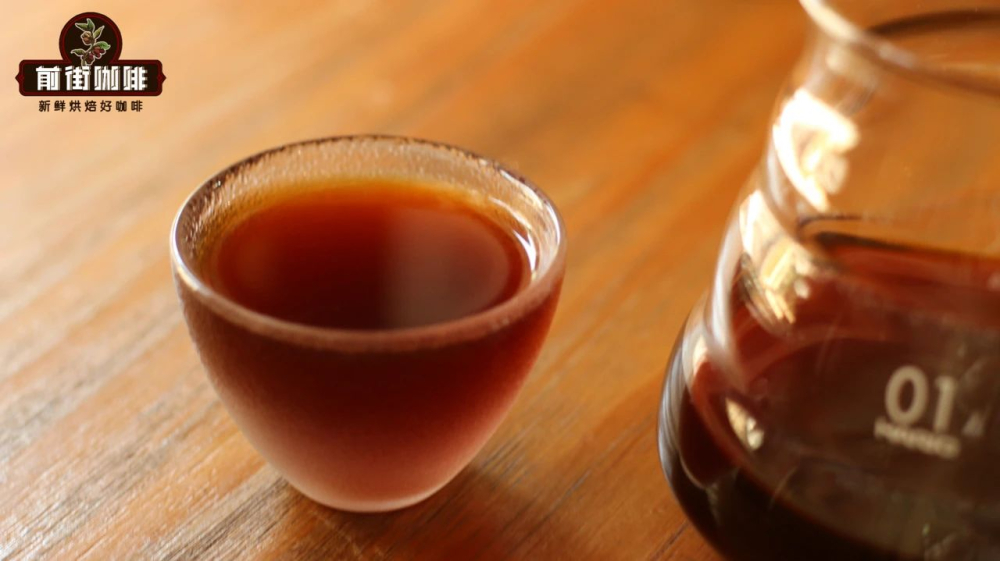
FrontStreet Coffee 2013 Natural Typica Coffee Flavor: The dry grounds present caramel, nut and citrus aromas. At high temperature the cup shows chocolate, fermentation and berries. As it cools, plum acidity emerges, with a sweet black tea and sugarcane aftertaste. Medium-high body, clean texture, rich and varied layers.
For professional coffee knowledge exchange and more coffee bean information, please follow Coffee Workshop (WeChat official account: cafe_style)
For more specialty coffee beans, please add FrontStreet Coffee's private WeChat (FrontStreet Coffee), WeChat ID: qjcoffeex
FrontStreet Coffee Recommendation: Tasting Yunnan for Yourself
This story ends in a cup, and the simplest way to follow it is to start where most drinkers do. FrontStreet Yunnan Small Bean is a washed, medium-roasted Arabica from the Baoshan region, with soft nut and chocolate sweetness and a light plum-like acidity that makes an approachable first taste of the province. For a step up, FrontStreet 2013 Natural Typica, grown on the estate planted in Lincang in 2013 and dried in the cherry, is medium roasted for dark berry, caramel and chocolate notes, a hint of dried apricot and a black tea finish. For espresso, the FrontStreet Dark Cocoa Blend pairs Yunnan small bean with Brazil Cerrado: mixed nuts and brown sugar in an Americano, almond and cream in a latte.
Important Notice :
FrontStreet Coffee is a long-established specialty coffee roaster in Guangzhou China, selling freshly roasted beans from its own farm in Yunnan as well as dozens of carefully selected single-origin beans from around the world for both pour-over and espresso. The products deliver consistently excellent quality and great value, with shipping within 24 hours. Guangzhou's FrontStreet Coffee shop is recommended by many coffee lovers, and the beans are now available online at the Tmall 。
FrontStreet Coffee has moved to a new address:
FrontStreet Coffee Address: 315,Donghua East Road,GuangZhou
Tel:020 38364473
 Scan and follow the En Gafei WeChat official account. Please indicate that the reprint comes from "En Gafei".