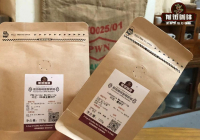
Burundi Coffee Beans: Exploring Flavor Profiles, Estate Origins, Regional Characteristics, and Specialty Coffee Introduction
Hand-Pour Burundi Coffee Brewing Guide
Hand-pour Burundi coffee beans. Use 15g of coffee, medium grind (Fuji ghost-tooth blade #4), a V60 dripper, and water at 88-89°C. First pour 30g of water for a 27-second pre-infusion, then pour to 105g and stop. Wait until the water level in the coffee bed drops to half before pouring again. Slowly pour until reaching 225g total. Avoid the final tail section. Water-to-coffee ratio is 1:15, with a total extraction time of 2:00.
Coffee Origin Information
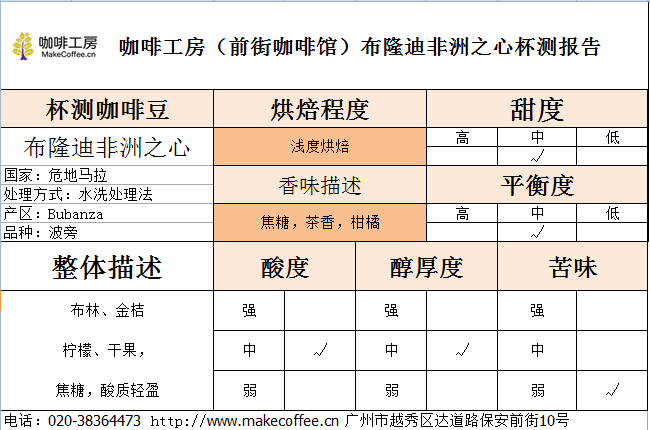
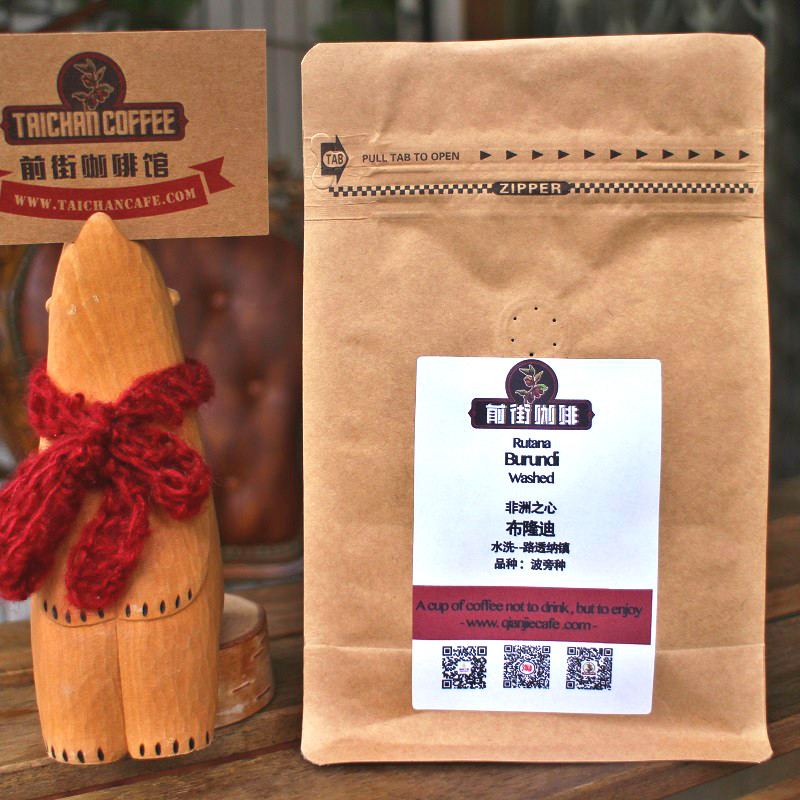
Country: Burundi
Elevation: 1750 meters
Region: Rutana Town
Roast Level: Medium roast
Processing Method: Washed
Variety: Bourbon
Processing Station: Nyarunasi Cooperative
Flavor Profile: Licorice, orange citrus acidity, spiced tea mouthfeel
About Burundi
Burundi is located in the eastern part of Central Africa, south of the equator. It borders Rwanda to the north, Tanzania to the east and south, and the Democratic Republic of Congo to the west, with Lake Tanganyika forming its southwestern border. The country is characterized by highlands and mountains, mostly the eastern plateau of the East African Rift Valley. With a national average elevation of 1,600 meters, it is known as the "Mountain Country."
The capital is Bujumbura. The western lakeshore and valleys, as well as the eastern regions, have a tropical savanna climate, while the central and western parts have a tropical highland climate. The average annual temperature ranges from 20-24°C, reaching highs of 33°C. March to May is the major rainy season, October to December is the minor rainy season, and the remaining months are dry seasons.
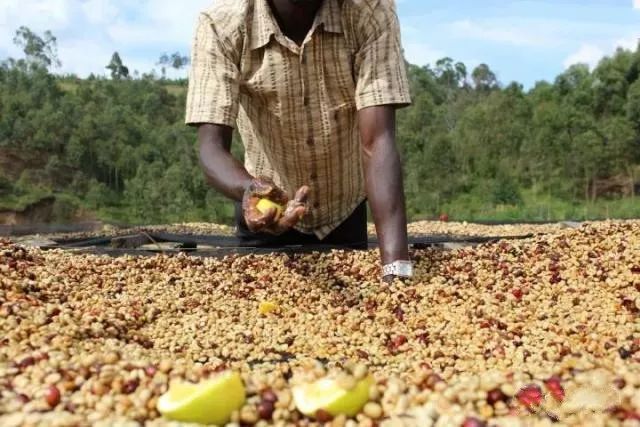
Burundi boasts one of the world's most diverse and successful coffee industries, with its own unique character. Coffee was introduced in 1930 by Belgian colonists and is now grown only on small farms. Unfortunately, many of these farms sit in border areas near conflict-ridden Rwanda, which puts pressure on coffee production.
Nearly all Burundi coffee beans are Arabica, with coffee trees in the Ngozi region planted at elevations above 1,200 meters. Burundi beans have an intense, aromatic flavor with excellent acidity, with most exports going to the United States, Germany, Finland, and Japan.
The Rutana Town production area consists of a cooperative formed by family-style smallholder coffee farmers, with a total of 539 coffee-farming families, including 148 women. On average, each family grows 10-200 coffee trees (at least 1,000 trees can be planted per hectare), indicating meager annual incomes and representing typical impoverished smallholder coffee families.
Detailed Coffee Information
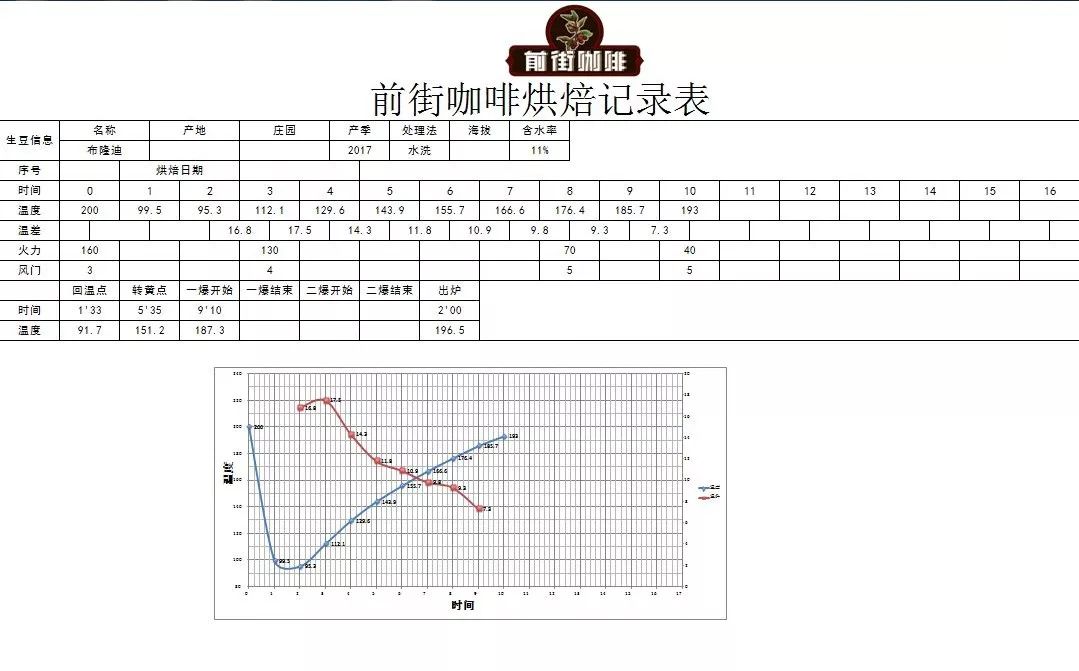
Region: Rutana Town
Producer: Nyarunasi Cooperative
Variety: Bourbon
Elevation: 1400-1700 meters
Soil: Volcanic rock soil
Grade: AA Grade
Processing: Washed
Harvest Period: March 2017
Flavor Characteristics: Honey, kumquat, violet floral aroma, bright acidity, smooth mouthfeel, saturated aroma, rich and persistent aftertaste
Burundi Coffee Industry Development
According to an August 8 report in "The East African," Starbucks has funded officials from the Burundi Coffee Management Committee to travel abroad for study tours, helping Burundi integrate into the global coffee market more quickly. Starbucks executives will also visit Burundi this month to discuss cooperation with relevant parties.
Coffee is Burundi's most important export industry for earning foreign exchange. Starbucks introducing Burundi coffee in its chain stores will enhance the global visibility of Burundi coffee. It is estimated that in the coming years, 80% of Burundi's 500,000 coffee growers will see significant income increases.
In recent years, Starbucks has increasingly focused on the African coffee industry and has begun cooperating with growers from Tanzania, Ethiopia, Rwanda, and Kenya. After Burundi Arabica prices were raised, the domestic purchase price of fresh coffee cherries in Burundi increased from the original 120 Burundi francs/kilogram to 200 Burundi francs/kilogram. This is excellent news for a country where coffee export income accounts for over 80% of total foreign trade export earnings. Due to abundant rainfall during the growing season and good field management, coffee production in 2004-2005 increased significantly over the previous year. According to official Burundi estimates, bean production this year could reach 36,000 tons, six times higher than the previous year (5,600 tons).
The world's largest coffee retailer, Starbucks of the United States, recently announced it will increase its coffee purchases from Burundi. Industry insiders believe this will help drive Burundi's economic development. The New York Stock Exchange, together with the Burundian government and coffee production, operation, and export enterprises, decided on February 17, 2005, to lower Burundi's coffee pricing index listed on the exchange by 200 points, meaning a price increase of 2 cents per pound (equivalent to an increase of 50 Burundi francs per kilogram). Subsequently, the chairman of the New York Stock Exchange wrote to inform Burundi's Ministry of Agriculture and Livestock, Ministry of Finance, Ministry of Commerce and Industry, and Burundi Coffee Company of this decision, and invited Burundi's Minister of Agriculture and Livestock, Pierre Ndikumagenge, to attend the opening ceremony of the New York Stock Exchange on April 14 to enhance the visibility of Burundi coffee in the international coffee market.
FrontStreet Coffee Recommendation
If Burundi's bright, washed Bourbon profile appeals to you, FrontStreet Coffee's Kenya Cherry Tomato is a natural next step: a Kenya single origin from the Thika region, grown at 1,550-1,750 meters from SL28 and SL34, given a 72-hour double-washed fermentation and a light roast. Expect vivid tomato, preserved plum, and black plum notes with juicy, balanced acidity - much the same East African lift found in a good Burundi.
Important Notice :
FrontStreet Coffee is a long-established specialty coffee roaster in Guangzhou China, selling freshly roasted beans from its own farm in Yunnan as well as dozens of carefully selected single-origin beans from around the world for both pour-over and espresso. The products deliver consistently excellent quality and great value, with shipping within 24 hours. Guangzhou's FrontStreet Coffee shop is recommended by many coffee lovers, and the beans are now available online at the Tmall 。
FrontStreet Coffee has moved to a new address:
FrontStreet Coffee Address: 315,Donghua East Road,GuangZhou
Tel:020 38364473
 Scan and follow the En Gafei WeChat official account. Please indicate that the reprint comes from "En Gafei".