How to Make Coffee with a Moka Pot - Moka Pot Usage Methods, Principles, Features, and Coffee Grind Size Guide
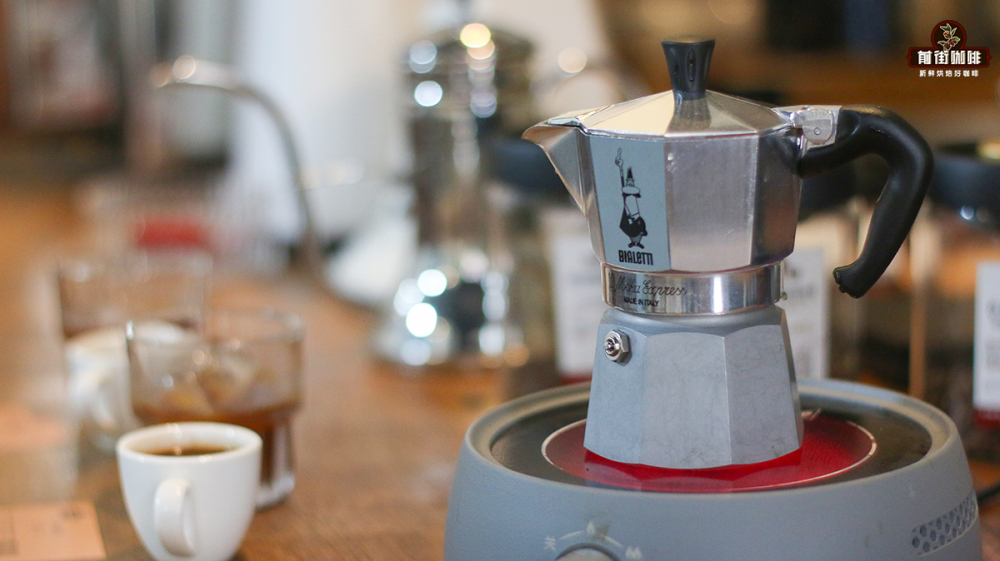
In a world where espresso has taken the globe by storm, espresso coffee is no longer a mystery. Even passersby can name espresso-based drinks such as the Americano, latte, and cappuccino. The moka pot, however, is rarely used for commercial coffee production and is mostly a home brewer's tool, which leads many people to assume it is not part of the Italian coffee tradition. Today, FrontStreet Coffee will help everyone get to know the moka pot that made Italian coffee a household pleasure.
Europeans do not actually call this pot a "moka pot"; they call it an Espresso Pot. Judging by the name alone, the coffee a moka pot makes is genuinely espresso, even though its serving style looks rather old-fashioned and simple. Some friends question this, because the moka pot is not as high-tech as an espresso machine and the cup shows no thick layer of crema, so they conclude that what it makes is not espresso. That objection, however, does not really hold up.
The Working Principle of the Moka Pot
The moka pot has three parts: the upper chamber, the coffee basket, and the lower chamber. The lower chamber is the water reservoir, the coffee basket holds finely ground coffee, and the upper chamber collects the extracted coffee liquid.
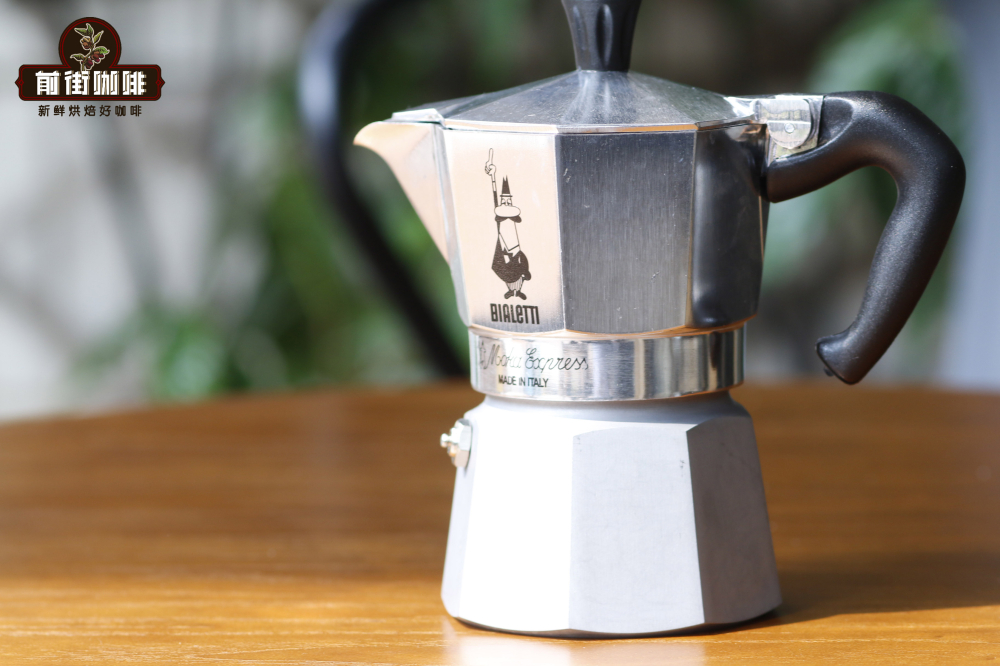
If we set the lower chamber aside for a moment and hold the coffee basket against the bottom of the upper chamber by hand, the way extraction happens becomes much clearer.
First, the metal tube at the base of the coffee basket and the central metal tube of the upper chamber are coaxial and of the same diameter. This design keeps the water flowing in a straight line. When the water in the lower chamber reaches a certain temperature, pressure drives hot water up through the metal tube at the base of the basket, through the coffee grounds, and after the filter screen at the bottom of the upper chamber catches the grounds, the coffee liquid gushes out from the central metal tube of the upper chamber under pressure. That, in principle, completes one coffee extraction.
The safety valve on the upper part of the lower chamber alone tells us that this pot is a pressure vessel. Once the coffee basket is correctly and firmly screwed onto the lower chamber from the upper chamber and set over a heat source, the hot water builds pressure. So we say the whole extraction process takes place under pressure. "Espresso" in Latin originally means "pressed out" - that is, any brewing method in which hot water extracts coffee under pressure counts as espresso. Espresso is not only the name of the drink but also the name of this extraction method. It is worth noting, though, that a moka pot typically operates at around 1.5-3 bar, while an espresso machine runs at 9 bar, so there is a clear difference between the coffee each produces.
Coffee and Grind Size Suitable for Moka Pots
For home coffee enthusiasts in China, the beans themselves are a very important factor - which region, which variety, which roast level - and these are considered very carefully. In many other countries, however, the channel for buying coffee beans (or ground coffee) is simply the supermarket shelf. There, people care more about the brand, the bean's intended use, and its flavor profile.
In Italy, many brands sell coffee powder made specifically for moka pots. Back to the question of which beans to use in a moka pot: because China's coffee development differs from Italy's, apart from a few large shopping malls that sell imported ground coffee, you will mostly find domestic single-origin coffee brands.
Coffee beans suited to a moka pot generally call for a medium-dark roast. FrontStreet Coffee recommends starting with an espresso blend, such as FrontStreet Coffee's specialty blend, which combines Brazilian and Colombian beans to create a clean, balanced nutty-chocolate flavor suited to both espresso machines and moka pots. For a coffee liquid rich in crema, FrontStreet Coffee's classic blend is the one to choose - it is a new formula designed specifically for moka pots and espresso machines. Coffee from a moka pot not only tastes mellow and rich, but because of the abundant crema it also gives Americanos and lattes a pleasant coffee aroma.

Grind Size:
The particle diameter should be approximately 0.3-0.55mm. There are two ways to judge it: first, buy a particle-size gauge or moka-specific ground coffee for reference; second, adjust gradually - usually it does not take many tries, and testing 3-5 times should give you a good feel for it. If the grind is too coarse, the coffee liquid will spray out rapidly, possibly like a fountain. If the grind is too fine and you hear the gurgle of boiling water but no coffee liquid has risen yet, it is too fine, and you should turn off the heat at once. Remember to take safety precautions whenever you make such adjustments.
How to Use a Moka Pot
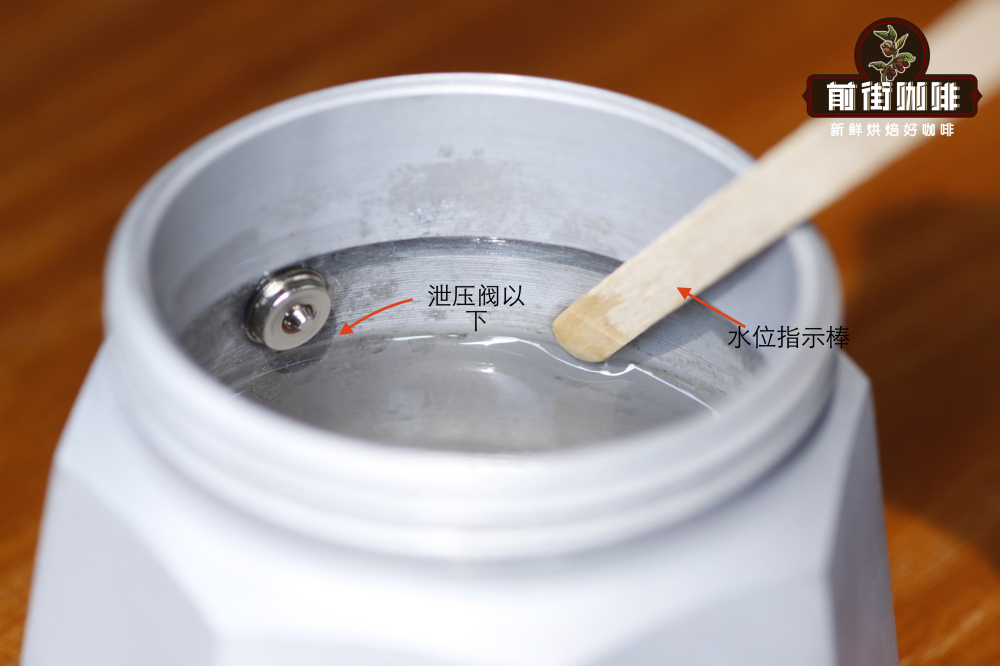
1) Fill the lower chamber of the moka pot with hot water, making sure the water level does not rise above the lower edge of the safety valve. The safety valve marks the maximum water level for each moka pot.
Cold water is not recommended, because it lengthens the time the water soaks into the coffee grounds, making the finished coffee burnt, bitter, and muddy.
2) Add the coffee powder. This step is one of the key factors affecting the final cup (along with water amount, how the powder is filled, and extraction timing).
Many people make obvious mistakes at this step, summarized below:
a. Not enough powder. If you fill the lower chamber to the maximum water level, your powder should then fill the coffee basket completely. Otherwise, as the amount of coffee powder decreases, the coffee flavor will gradually weaken.
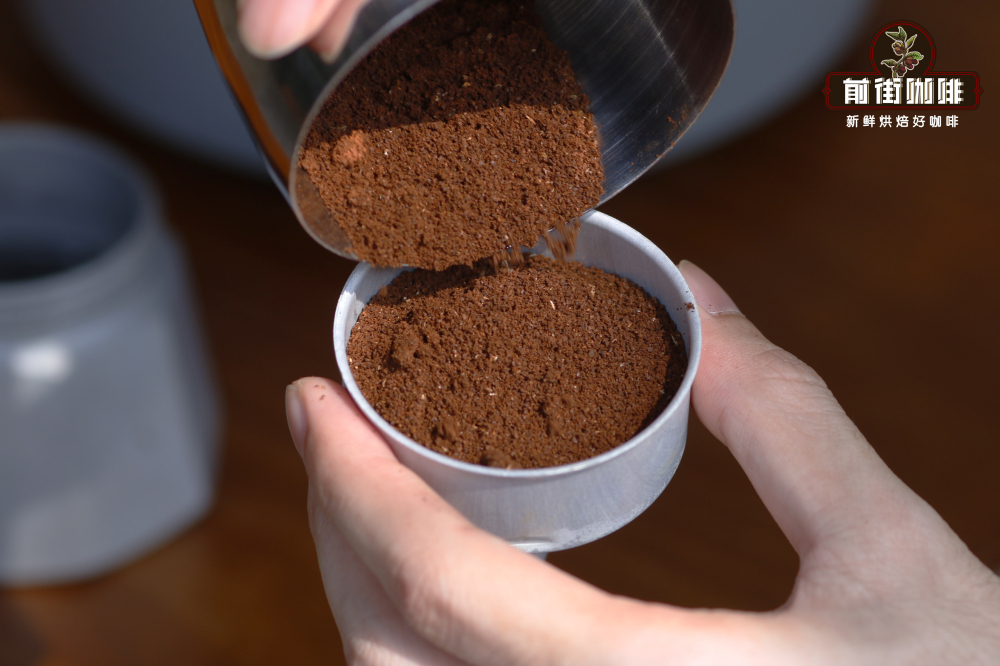
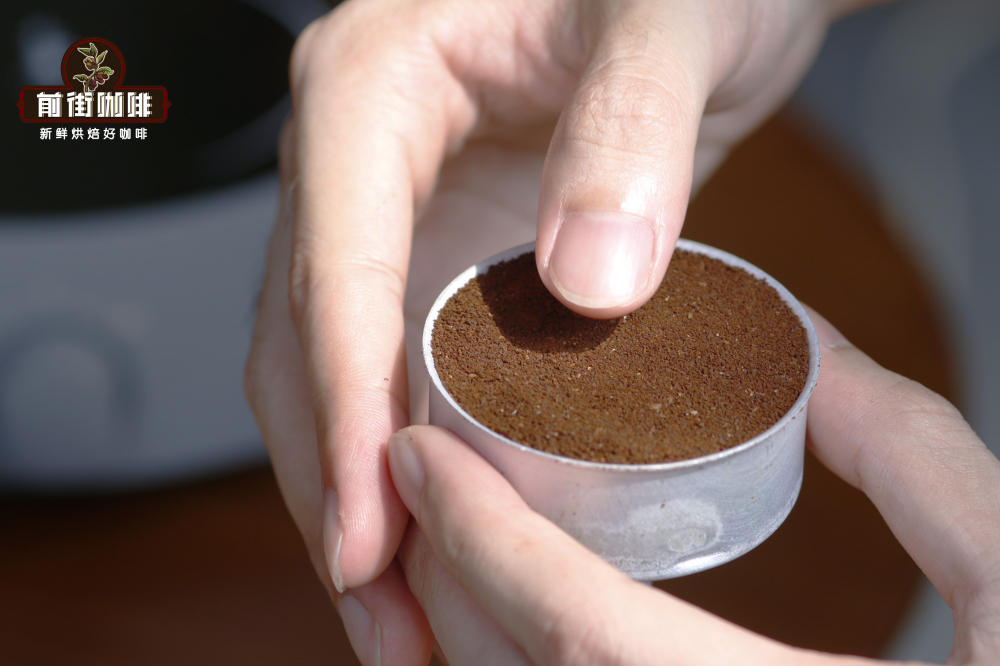
b. Using a tamper to compress the powder. Many friends borrow an espresso-machine tamper to press the moka basket powder - this is a laborious but unhelpful move. If the powder is compressed too tightly and is too fine, the coffee will struggle to be drawn up. The key principle for filling a moka pot properly is: fill as much as possible rather than tamp down hard. You can add powder in batches while filling, tapping the edges of the coffee basket with your hand to help it spread as fully as possible and leave no gaps.
Once the coffee powder is completely filled, you can tap the coffee basket vertically against the tabletop a few times to make sure the powder is fully and densely packed.
3) After placing the coffee basket correctly on the lower chamber, screw the upper chamber tightly onto the lower chamber. For safety and to prevent air leakage, you can tighten it slightly more than you think is necessary.
4) Place the correctly assembled moka pot over a heat source. For easier observation, FrontStreet Coffee suggests brewing with the lid open.
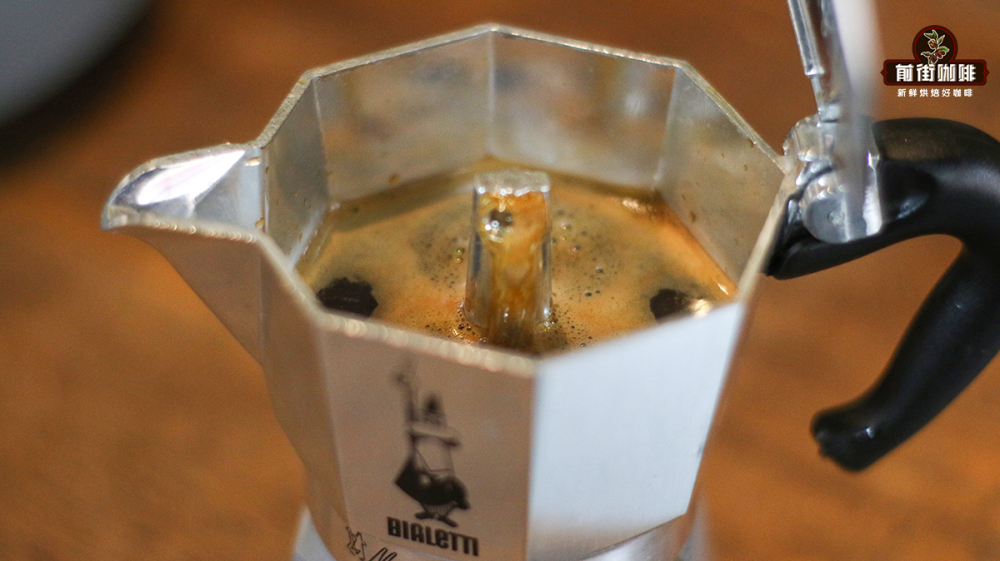
Soon, coffee liquid will overflow from the central metal column of the upper chamber.
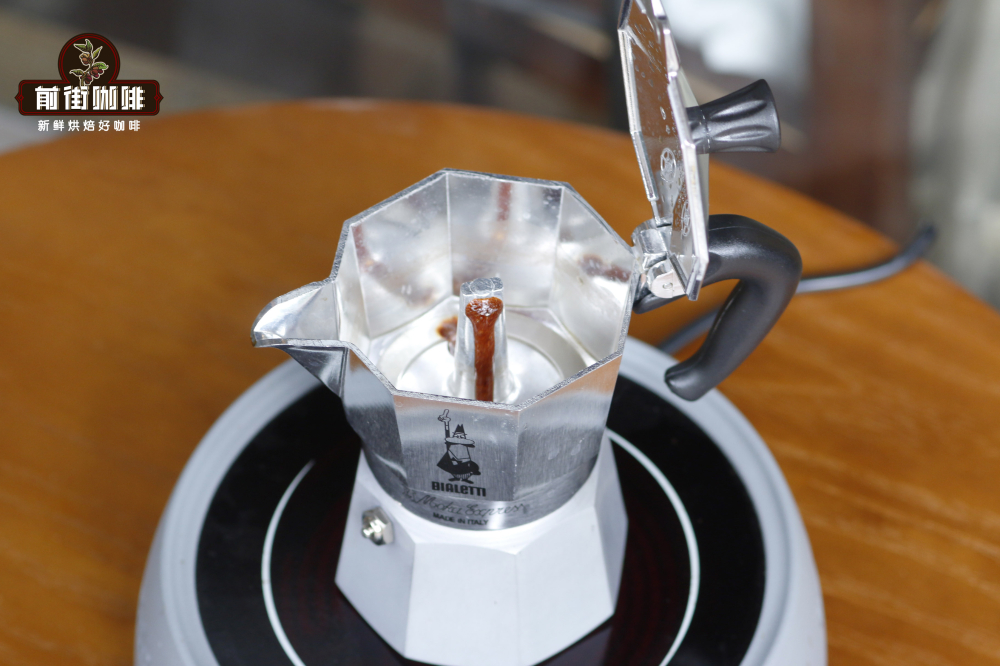
As extraction continues, the level of the coffee liquid will gradually rise. When crema appears on the surface, be alert that extraction is nearing completion. When the crema changes from dark to light, cut off the heat source immediately to stop extraction; otherwise, the coffee will end up over-extracted.
In particular, do not wait until you hear the "gurgling" sound before stopping. By then the coffee may even develop a burnt-rubber taste.
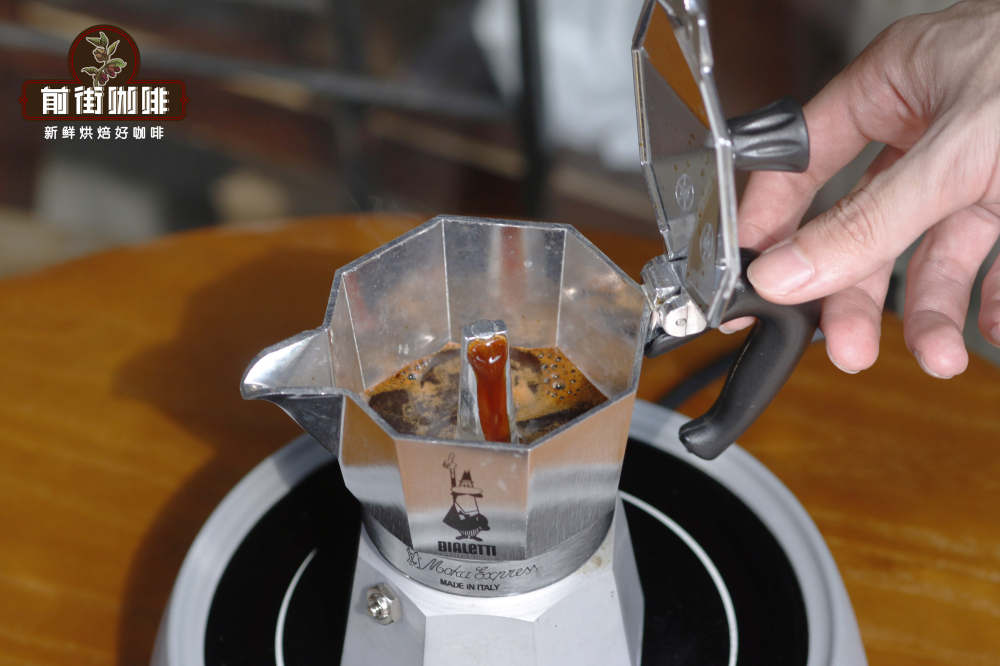
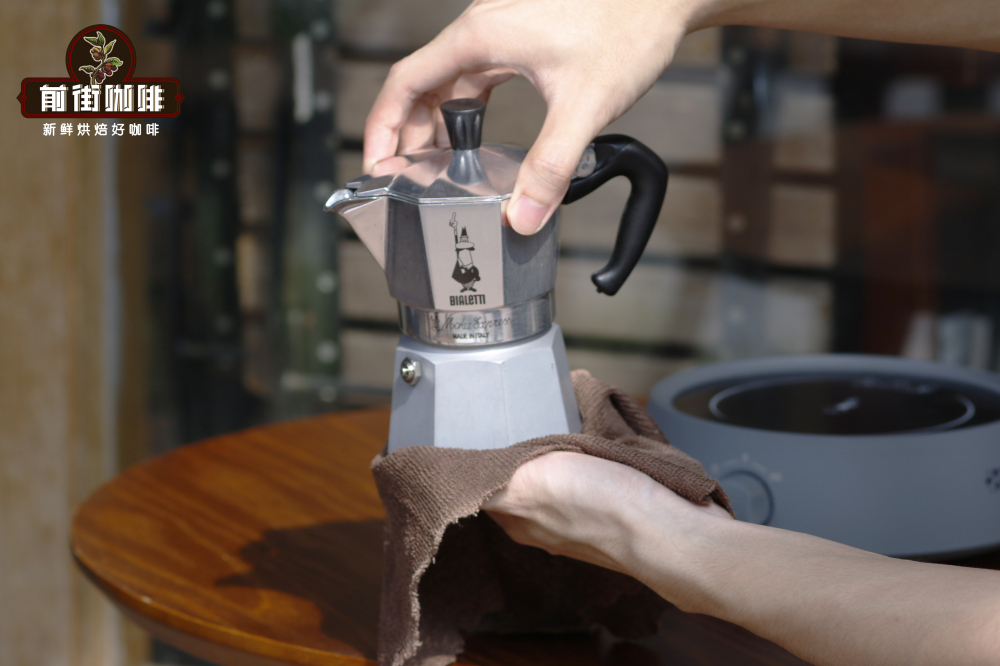
6) If possible, prepare a towel soaked in cold water beforehand and keep it beside the heat source. When you finish step 5, set the moka pot on the cold towel. This greatly reduces the chance of over-extraction.
Moka Pot Precautions
1. The rubber sealing ring at the bottom of the moka pot's upper chamber has a maximum service life of no more than one year - remember to replace it. It is somewhat like the rubber sealing ring of a pressure cooker. Failing to replace it in time will cause poor sealing and air leakage.

2. If the moka pot releases air or leaks water from the pressure-relief valve in the lower chamber during brewing, the thin metal piece at the center of the valve needs to be replaced promptly; otherwise, the pot's pressure will drop sharply.
FrontStreet Coffee Recommendation
Because the moka pot brews under pressure, blended espresso beans are the easiest starting point. FrontStreet Classic Blend was designed specifically for espresso and moka pots, and its greatest strength is outstanding crema - even a beginner on a non-professional home machine can extract dense, fine crema, which is exactly what lattes, cappuccinos, and Dirty drinks depend on. It uses a traditional Mamba-style recipe and tastes full-bodied and mellow, easy for veterans and newcomers alike to enjoy, and works just as well at home as in a cafe. If you want good flavor at a friendly price, FrontStreet Black Cocoa Blend uses 100% Arabica beans and delivers ample crema and a full body without stretching the budget. FrontStreet Autumn Chestnut Blend, a balanced 100% Arabica combination of Honduran Caturra and Papua New Guinea Typica, brings roasted-chestnut nuttiness with caramel and brown-sugar sweetness, a soft chocolate mid-palate, and a clean, long finish. For a single-origin option, FrontStreet Brazil Queen Estate is low in acidity and perfectly balanced, with rich nut and cocoa aromas and clear caramel sweetness; it is smooth and mellow whether you brew it by hand, as espresso, or in a moka pot. FrontStreet PWN Indonesia Golden Mandheling, deep-roasted and low in acid, offers a full, lingering body packed with herbal and dark-chocolate notes for anyone who likes a heavier, less acidic cup.
Important Notice :
FrontStreet Coffee is a long-established specialty coffee roaster in Guangzhou China, selling freshly roasted beans from its own farm in Yunnan as well as dozens of carefully selected single-origin beans from around the world for both pour-over and espresso. The products deliver consistently excellent quality and great value, with shipping within 24 hours. Guangzhou's FrontStreet Coffee shop is recommended by many coffee lovers, and the beans are now available online at the Tmall 。
FrontStreet Coffee has moved to a new address:
FrontStreet Coffee Address: 315,Donghua East Road,GuangZhou
Tel:020 38364473
 Scan and follow the En Gafei WeChat official account. Please indicate that the reprint comes from "En Gafei".