Arabica vs Robusta: What's the Difference and Are Robusta Beans Harmful?

The two major coffee species we encounter most often are Arabica and Robusta. Arabica dominates the specialty coffee scene, while Robusta mostly shows up in espresso blends — each has its own stage. Robusta's overall flavor falls short of Arabica's, but its caffeine content is roughly twice as high. For anyone sensitive to caffeine, a Robusta-heavy coffee might mean counting stars all night; for those chasing an energy kick, it works as the perfect stimulant.
Coffee is an agricultural crop — a flowering, fruit-bearing tree of the Rubiaceae family. Because its fruit typically turns red or purple and resembles cherries, the fruit is called a coffee cherry. What we call coffee beans are the seeds left after the pulp is removed; each cherry usually holds two seeds, and a single tree produces roughly 0.9 kg of green beans a year. Hundreds of coffee varieties exist worldwide, but only Arabica and Robusta are cultivated commercially at scale, with Arabica accounting for about 70%.
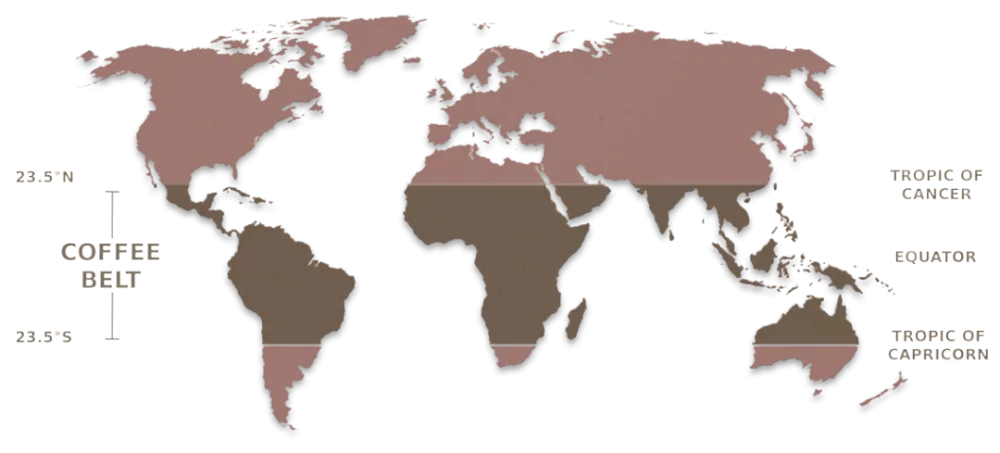
As a tropical cash crop, coffee grows mostly within the coffee belt between the Tropics of Cancer and Capricorn. It needs relatively high and stable temperatures, abundant rainfall and sunshine, and fertile, well-drained soil — all essential for quality. The coffee belt today spans roughly 70 countries and regions, including Brazil, Colombia, Ethiopia, Kenya, and Indonesia from FrontStreet Coffee's bean list, plus China's Yunnan and Hainan. Each region's unique environment and microclimate gives its coffee a distinct flavor personality.
Arabica
Also known as small-grained coffee, Arabica originated in Ethiopia. Its trees typically grow at altitudes of 1,000–2,000 meters, tolerate relatively cool conditions with an ideal growing range of 15–24°C, and demand high humidity — annual rainfall of no less than 1,500 mm — plus skilled cultivation. Arabica is a large shrub with oval, dark green leaves and oval fruits that usually contain two slightly flattened beans: elongated oval from the front, with a narrow, S-shaped curved crease on the face and a relatively flat arc on the back. Caffeine content runs about 0.8%–1.5%.
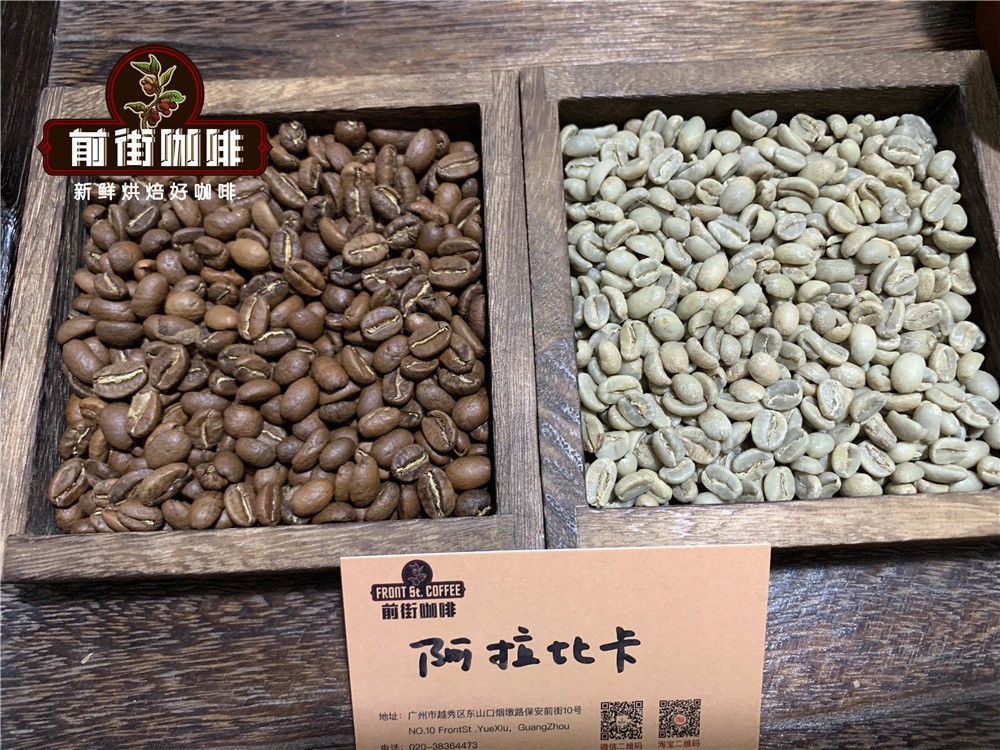
Arabica's excellent flavor and aroma make it the only one of the native species that can be enjoyed on its own as a single origin — Jamaica Blue Mountain, Indonesian Mandheling, Yirgacheffe, and Brazilian coffee all belong to this camp. Its weakness is resilience: poor resistance to drought, frost, pests, and diseases, and above all to coffee's greatest enemy, leaf rust — which is why producing countries keep working on improved varieties.
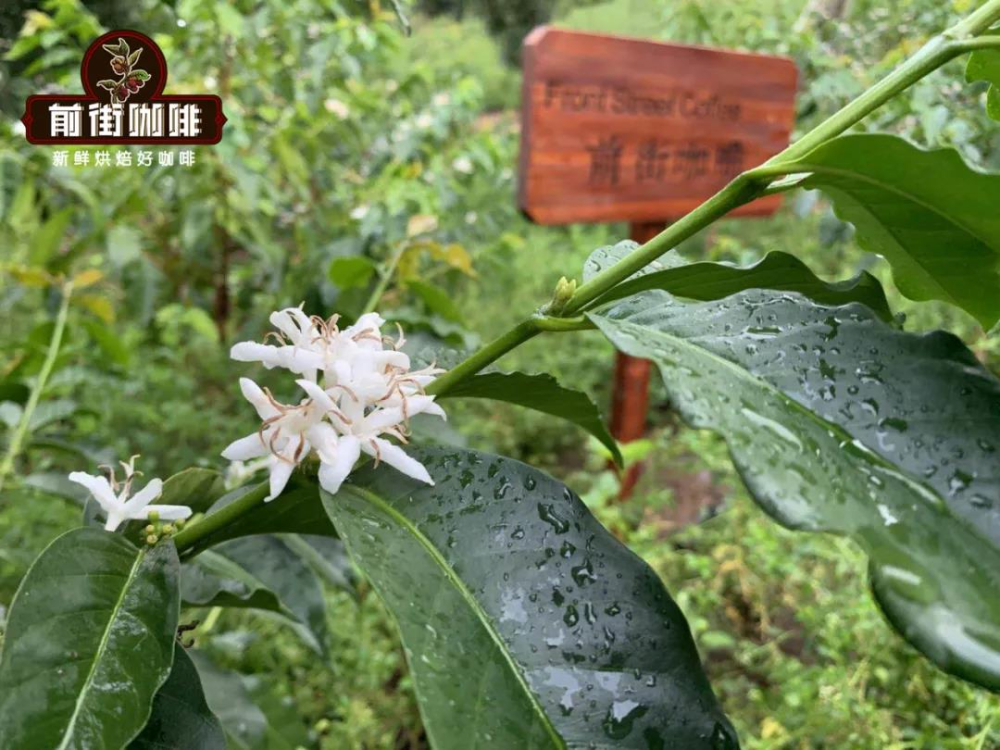
Arabica grown in different regions, altitudes, and climates develops its own distinctive character. Green beans smell of fresh grass; after proper roasting they reveal fruity aromas (light to medium roast) or caramel notes (dark roast), suiting both single-origin brewing and blends across every extraction method.
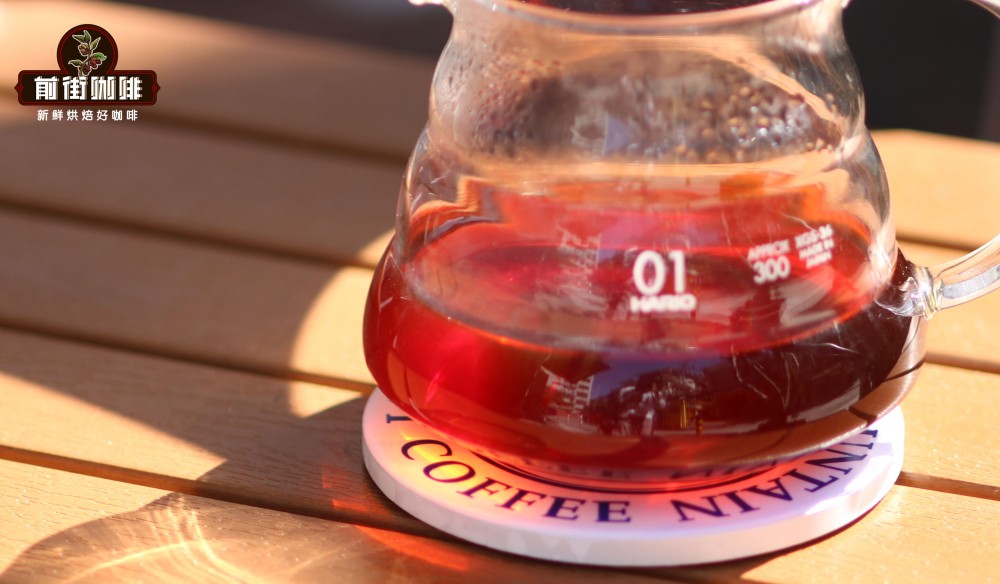
Arabica's sucrose content is nearly twice Robusta's. During roasting, sucrose converts into aromatic compounds, which is what allows coffee to express such a wide range of sweet fragrances.
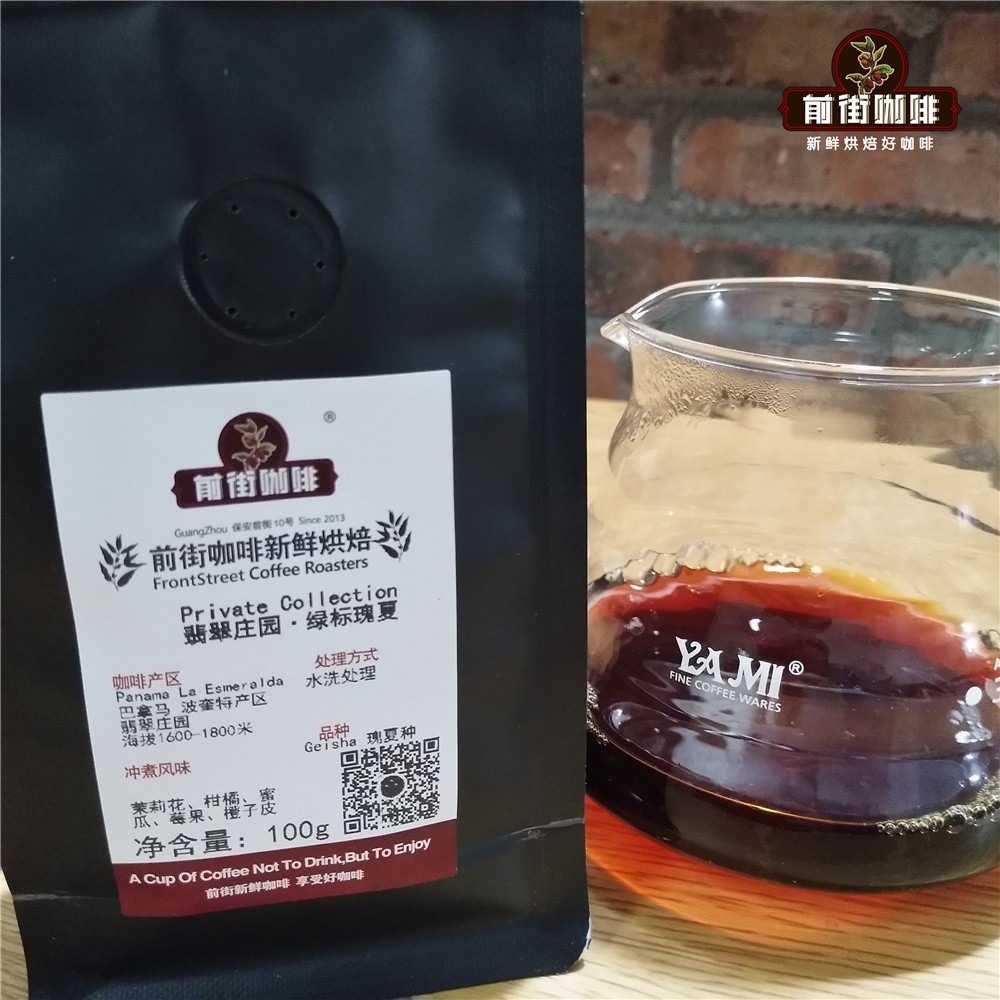
A generation ago, drinkers wanted only rich, mellow bitterness. As specialty coffee culture has spread, expectations for taste, mouthfeel, and quality have risen accordingly, and Arabica's diverse aromatics meet those demands far better than Robusta. FrontStreet Coffee's Panama Geisha, for instance, carries a distinctive orange-blossom and honey character that makes the cup feel like fruit tea.
Robusta
Robusta, also called medium-grained coffee, originated in the Congo region of Africa. Its trees are planted mostly at low altitudes of 200–800 meters, preferring warm climates of 24–29°C with relatively modest rainfall. The species relies on insects or wind for pollination, so from pollination to fruit takes 9–11 months — longer than Arabica.
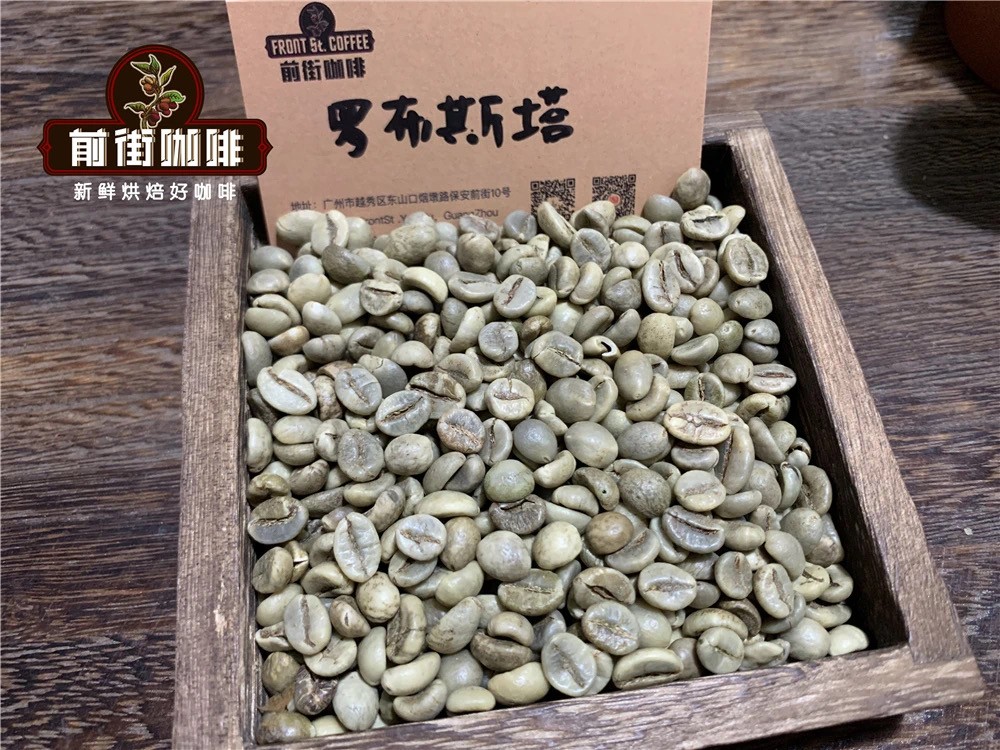
The Robusta tree sits somewhere between a shrub and a tall tree, with longer, glossy bright green leaves. It can reach 10 meters in height but roots shallowly. Its beans are plumper than Arabica's, with a vertical center split that looks flat or slightly protruding from the side, and they feel harder — like little pebbles.
Robusta's flavor generally ranks below Arabica's.
Robusta is hardy, easy to cultivate, fast-growing, and high-yielding. Green bean processing is often crude (though a small amount of refined washed Robusta exists). The beans look round and rugged, relatively small, with uneven sizing and a strong, blunt flavor that leans bitter. Rough processing often leaves unpleasant rubbery or musty taints, and the vast majority of Robusta is not suitable as a single origin. A little goes into espresso blends at low proportions (though exceptional washed Robustas can exceed half a blend), and most goes into instant coffee — its extracted liquid yields roughly twice that of Arabica — plus canned and ready-to-drink coffees.

Robusta's caffeine content runs about 2.7%–4%, roughly twice Arabica's. Caffeine is a natural pesticide, protecting the plant from most insects. From a cultivation standpoint, Robusta tolerates heat, cold, drought, and humidity; it fruits heavily, adapts easily, and generally grows on lowland plains where mechanized management and harvesting apply directly — which makes it naturally cheaper and ideal for commercial mass production.
Is Robusta Coffee Harmful?
FrontStreet Coffee's view is that coffee is coffee, whatever the species — the effects are the same. The real difference is that Robusta carries nearly twice the caffeine, tastes more bitter and earthy, and lacks Arabica's complexity, which is why it ends up in dark-roast espresso formulas or instant coffee. If there is a single biggest difference, it's the caffeine. Caffeine-sensitive drinkers should avoid Robusta or risk a sleepless night. That said, Robusta has earned its place in the commercial coffee world — it is not merely a foil for premium Arabica. In espresso blends it holds an unshakable position: Italian-style blends add a small amount of Robusta to boost body and produce a shot with richer crema.

Once an espresso built this way meets milk, the result is a rich, full-bodied cup; the complementary pairing of Robusta and Arabica makes milk coffee mellower and more aromatic, with Robusta supplying the body Arabica lacks.
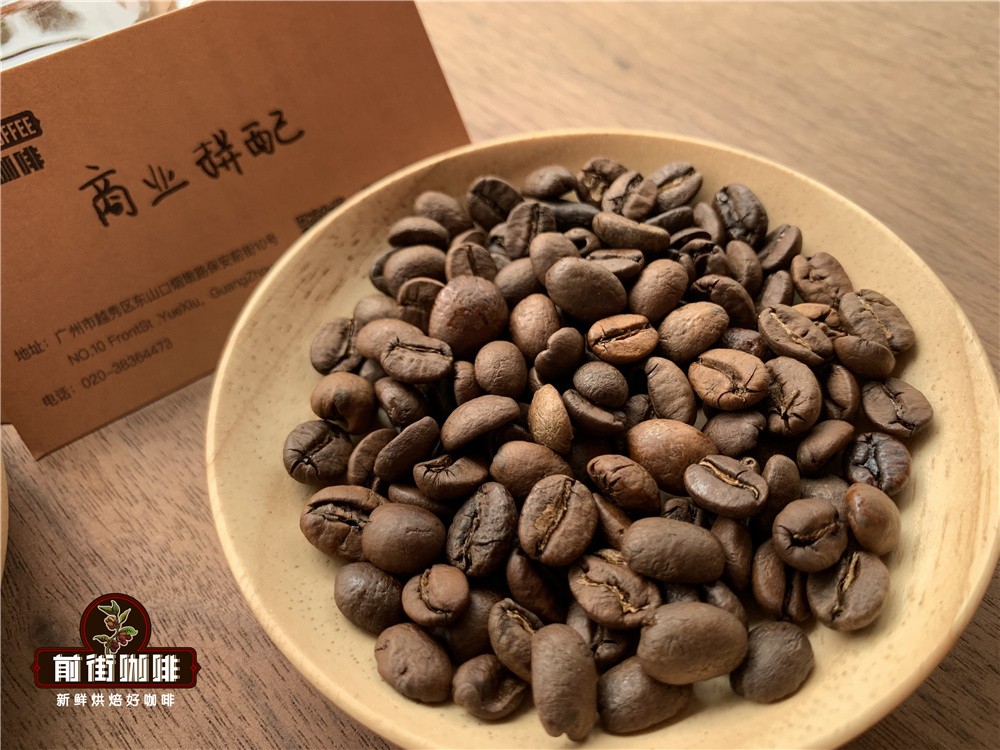
The espresso from FrontStreet Coffee's commercial blend shows rich, fragrant crema thanks to 10% washed Robusta, combined with 30% washed Colombian and 60% naturally processed Brazilian coffee. The shot pours abundant golden crema with nutty aromas; there is a roasted bitterness up front, but it is carried by a creamy, full-bodied texture, and after swallowing the bitterness fades into a lingering sweetness.
FrontStreet Coffee's Brewing Suggestions
Whatever you brew, freshness matters above all. FrontStreet Coffee has always believed that bean freshness is intimately tied to flavor, so every order ships roasted within the previous 5 days — our roasting philosophy is "Freshly Roasted Good Coffee." Since coffee needs about 4–7 days to degas, beans arrive right at their flavor peak.

A note for those who buy pre-ground coffee: no extra degassing is needed, because during shipping the pressure of carbon dioxide in the package actually helps mellow the flavor — you can brew immediately on arrival. But grounds oxidize quickly once exposed to air, so the flavor fades fast. FrontStreet Coffee recommends buying whole beans and grinding fresh before each brew to get the full expression of the coffee.
FrontStreet Coffee Recommendation
China's Yunnan province sits squarely on the golden coffee belt, and "Yunnan small-grain" is simply the local name for Arabica — the smallest-fruited of the three native coffee species. Yunnan coffee traces back to 1904, when the French missionary Tian Deneng brought Typica seed from Vietnam and planted the first coffee tree in Zhugula Village, Binchuan County. Most of Yunnan sits above 1,000 meters with fertile hillside soil, plentiful sun and rain, and wide day-night temperature swings, and production is concentrated in the southwest — Baoshan, Dehong, Pu'er, and Lincang. Baoshan's dry-hot valley around the Lujiang Basin, with frost-free warmth and moderate rainfall, gives its coffee a distinctive lingering sweetness.
For a first taste of Yunnan, FrontStreet Coffee's Yunnan small-grain — washed-processed and medium roasted — offers soft nut and chocolate sweetness with a gentle plum acidity at a friendly price, making it an ideal entry point into Chinese Arabica. For clearer varietal character, the FrontStreet 2013 Yunnan Natural Typica, grown on FrontStreet's own estate and dried whole-cherry, is fuller-bodied with dark berry and citrus tones, caramel sweetness, chocolate, a hint of dried apricot, and a black tea finish. And if you prefer your Yunnan in espresso form, the FrontStreet Black Cocoa Blend — Yunnan small-grain joined with Brazil Cerrado — balances nutty, brown-sugar sweetness in an Americano and a smooth almond-cream texture in a latte, perfect for beginners.
Important Notice :
FrontStreet Coffee is a long-established specialty coffee roaster in Guangzhou China, selling freshly roasted beans from its own farm in Yunnan as well as dozens of carefully selected single-origin beans from around the world for both pour-over and espresso. The products deliver consistently excellent quality and great value, with shipping within 24 hours. Guangzhou's FrontStreet Coffee shop is recommended by many coffee lovers, and the beans are now available online at the Tmall 。
FrontStreet Coffee has moved to a new address:
FrontStreet Coffee Address: 315,Donghua East Road,GuangZhou
Tel:020 38364473
 Scan and follow the En Gafei WeChat official account. Please indicate that the reprint comes from "En Gafei".